Bed Bug Bites: Symptoms, Treatment and Prevention
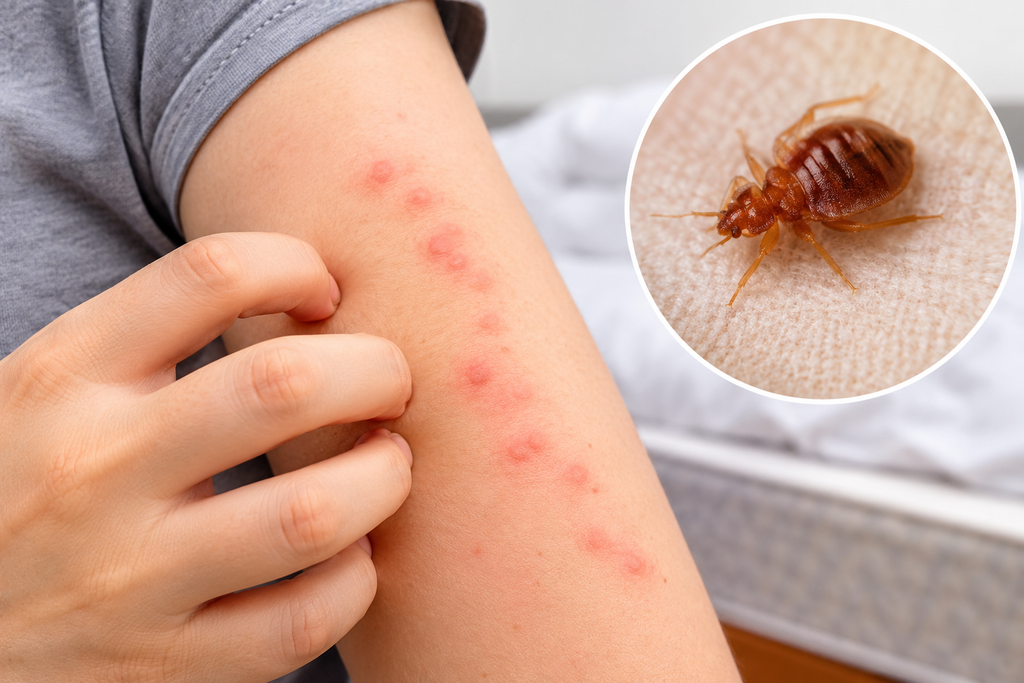
Bed bug bites can cause small, itchy bumps on the skin. They often appear on exposed areas such as the face, neck, arms and legs. Some bites form clusters or straight lines, while others appear randomly. Most reactions are mild, but scratching can damage the skin and increase the risk of infection. Bed bugs are not known to spread diseases to people. Some people also have no visible reaction to their bites. Learning to recognise the symptoms and signs of an infestation can help you take the right steps. What Are Bed Bugs? Bed bugs are small, flat insects that feed on human blood. Adult bed bugs are reddish-brown, oval-shaped and about 5 millimetres long. They usually hide near places where people sleep. Common hiding places include: Bed bugs can enter homes through luggage, clothing and used furniture. Their presence does not mean a home is dirty. They can live in different types of environments. What Do Bed Bug Bites Look Like? Bed bug bites often look like small, raised and itchy bumps. Their colour may vary depending on skin tone. Some appear red or pink, while others may look darker or purplish. Common signs include: However, bed bug bites can look similar to mosquito bites, flea bites and other skin conditions. Their appearance alone cannot confirm an infestation. Common Symptoms of Bed Bug Bites Itching is the most common symptom. Some people also experience redness, swelling and skin irritation. Bites usually appear on exposed areas, including the face, neck, arms, hands and legs. Not everyone develops visible marks. Some people have little or no skin reaction. When Do Bed Bug Bites Appear? Bite marks may not appear immediately. Some people notice them after waking up, while others develop symptoms several days later. In some cases, a skin reaction can take up to 14 days to become visible. How to Identify Bed Bugs Bite marks alone cannot prove that bed bugs are present. Inspect your mattress and nearby furniture for these signs: Check mattress seams, bed frames, headboards and furniture near the bed. If you find signs of an infestation, consider contacting a professional pest control service. Are Bed Bug Bites Dangerous? Most bed bug bites cause mild skin reactions. However, scratching can break the skin and allow bacteria to enter. Possible problems include: Severe allergic reactions are uncommon but possible. Bed Bug Bites Treatment and Home Remedies Most bites can be treated at home. The main goals are to reduce itching, soothe the skin and prevent infection. 1. Wash the Affected Area Gently wash the bites with soap and water. Keep the skin clean and avoid rubbing the affected area. 2. Apply a Cool Compress Place a cool, damp cloth over the bites to help soothe itching and swelling. Do not apply ice directly to the skin. 3. Avoid Scratching Scratching can damage the skin and increase the risk of infection. Keep your nails short and try not to touch the bites. 4. Use Anti-Itch Products A pharmacist may recommend suitable products to relieve itching. These may include hydrocortisone cream or antihistamines. Calamine lotion may also provide temporary relief. Always follow product instructions and ask a pharmacist if you are unsure which treatment is suitable. When Should You See a Doctor? Seek medical advice if the bites become increasingly painful, swollen or itchy. Also watch for signs of infection, such as spreading redness, warmth, pus or fever. Get emergency medical help if you experience breathing difficulty, dizziness, or swelling of the tongue or throat. These symptoms may indicate a serious allergic reaction. How to Get Rid of Bed Bugs Treating the bites does not remove bed bugs from your home. You must also address the infestation to prevent further bites. Follow these steps: Mattress encasements may support an overall control plan, but they do not remove an infestation on their own. Never apply insecticides to your skin. How to Prevent Bed Bug Bites You can reduce the risk of bringing bed bugs home by checking your belongings and sleeping areas. Bed bugs can occur in clean homes as well as other environments. Cleanliness alone does not prevent an infestation. How Long Do Bed Bug Bites Last? Most bed bug bites improve within one to two weeks. Recovery time varies depending on the person’s skin reaction and whether the bites are scratched. Keep the affected area clean and avoid scratching. If symptoms worsen or do not improve, consult a healthcare professional. Frequently Asked Questions 1. How can I identify bed bug bites? They may appear as small, itchy bumps in clusters or lines. However, other insects can cause similar marks. Check your sleeping area for signs of bed bugs. 2. Do bed bugs live on your body? No. Bed bugs usually hide in mattresses, furniture and cracks near sleeping areas. They come out to feed and then return to their hiding places. 3. Are bed bug bites contagious? No. The bites themselves do not spread from person to person. However, bed bugs can travel through luggage, clothing and furniture. 4. What is the best treatment for bed bug bites? Wash the affected area with soap and water, apply a cool compress and avoid scratching. A pharmacist may recommend an anti-itch product. 5. When should I worry about bed bug bites? Seek medical advice if you notice spreading redness, pus, fever or increasing pain. Get emergency help for breathing difficulty or swelling of the tongue or throat. Conclusion Bed bug bites usually cause itchy bumps on exposed areas of the body. Most reactions are mild and improve within one to two weeks. Washing the skin, using a cool compress and avoiding scratching can help relieve discomfort. If you suspect an infestation, inspect your mattress and nearby furniture. Treating the bites can ease symptoms, but removing bed bugs is necessary to prevent further bites.
Ant Bites: Symptoms, Treatment and Prevention
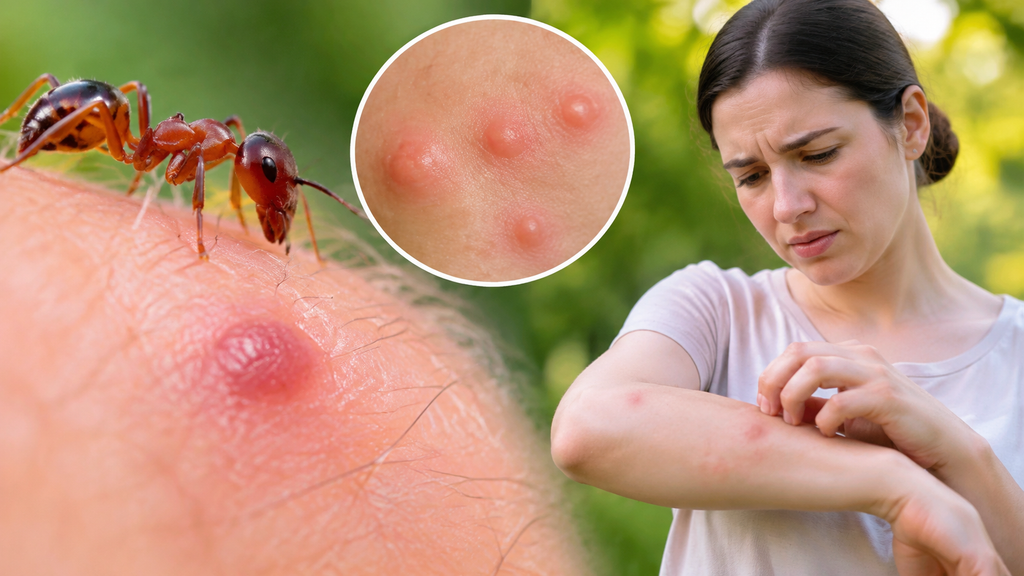
Ant bites and stings can cause redness, itching, swelling, and pain. Most reactions are mild and improve on their own. However, fire ant stings can cause burning pain and small, pus-filled blisters. Knowing the symptoms and proper treatment can help you manage an ant bite safely. What Do Ant Bites Look Like? Ant bites may appear as small red bumps or swollen areas on the skin. They can cause itching, burning, or mild pain. Fire ant stings often cause a stronger reaction. They may produce painful, itchy, pus-filled blisters. These blisters are a typical response to fire ant venom and do not automatically indicate an infection. Skin reactions vary, so appearance alone cannot always identify the insect. Common Symptoms of Ant Bites Common symptoms include: Mild symptoms often improve within a day, although itching, redness, and blisters may last longer. How to Treat Ant Bites at Home Most mild ant bites can be treated with simple first aid. 1. Remove the Ants Move away from the ants and brush any remaining ants off your skin to prevent further bites or stings. 2. Wash the Skin Clean the affected area gently with mild soap and water. 3. Apply a Cold Compress Place a cold, damp cloth or a cloth-wrapped ice pack on the area for 15–20 minutes. Avoid putting ice directly on your skin. This can help reduce swelling and discomfort. 4. Relieve Itching An over-the-counter oral antihistamine or hydrocortisone cream may help relieve itching. Follow the product instructions or ask a pharmacist if you are unsure which treatment is suitable. 5. Avoid Scratching Scratching can damage the skin and increase the risk of infection. Keep the affected area clean and avoid rubbing it. How to Care for Fire Ant Blisters Fire ants grip the skin with their jaws and inject venom through their stingers. This can cause burning pain followed by small, itchy blisters. Do not pop, squeeze, or scratch these blisters. Keep them clean and allow them to heal naturally. If a blister breaks, gently wash the area with soap and water. How Long Do Ant Bites Last? Mild ant bite symptoms often improve within a day. However, redness and itching may continue for longer. Fire ant blisters can also take additional time to heal. Avoid scratching the affected area. If pain, swelling, or redness continues to worsen, seek medical advice. Are Ant Bites Dangerous? Most ant bites cause minor skin reactions. However, some people may experience a serious allergic reaction after an ant sting. Get emergency medical help if you experience: These symptoms may indicate a severe allergic reaction. If you have prescribed epinephrine, use it according to your emergency action plan and seek emergency care. When Should You See a Doctor? Seek medical advice if the affected area becomes increasingly painful or swollen, or if symptoms get worse. Possible signs of infection include: Remember that pus-filled blisters can be a normal reaction to fire ant venom. Worsening symptoms and other signs of infection need medical attention. How to Prevent Ant Bites You can reduce contact with ants by following these precautions: Ant Bites vs. Bed Bug Bites Ant bites and bed bug bites can both cause itchy, red bumps. Ant bites may cause immediate burning or pinching, while fire ant stings can produce characteristic blisters. However, skin reactions vary. You cannot always identify the insect from the appearance of the bumps alone. Consider where and when the bites happened and whether you noticed ants or other insects. Frequently Asked Questions What is the best treatment for an ant bite? Wash the area with mild soap and water, then apply a cold compress for 15–20 minutes. An over-the-counter antihistamine or hydrocortisone cream may help relieve itching when used as directed. Should you pop an ant bite blister? No. Avoid squeezing or popping fire ant blisters. Keep them clean and allow them to heal naturally. How long do ant bites last? Mild symptoms often improve within a day, but itching, redness, and fire ant blisters may last longer. Can ant bites cause an allergic reaction? Yes. Some people can develop a serious allergic reaction. Breathing difficulties, face or throat swelling, dizziness, or widespread hives require emergency medical attention. When should I worry about an ant bite? Seek medical advice if redness spreads, pain or swelling worsens, pus develops, or you have a fever. Get emergency help if you experience symptoms of a severe allergic reaction. Final Thoughts Most ant bites cause temporary redness, itching, or discomfort. Washing the skin, applying a cold compress, and avoiding scratching can help. Keep fire ant blisters clean and intact. Seek medical attention if symptoms worsen, signs of infection appear, or you develop a serious allergic reaction.
Tonsillitis: Symptoms, Causes, Treatment & Home Remedies
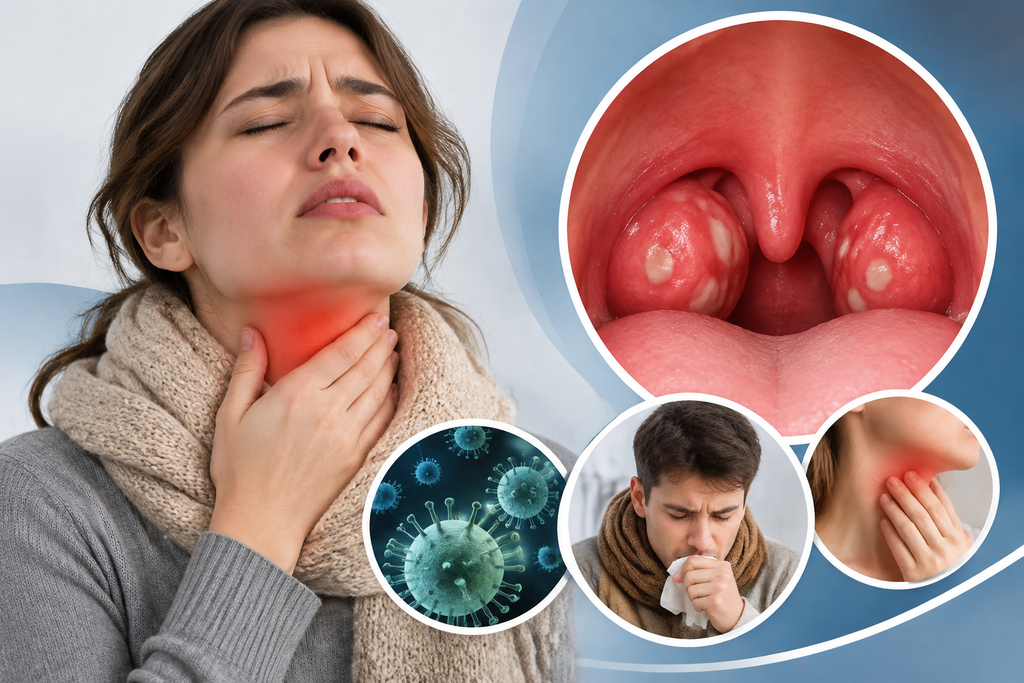
Tonsillitis is inflammation of the tonsils, two small pads of tissue at the back of the throat. It can cause a sore throat, swollen tonsils, fever and difficulty swallowing. Most cases are caused by viruses, but bacteria can also cause the infection. Treatment depends on the cause and severity of symptoms. What Is Tonsillitis? The tonsils are part of the body’s immune system. They help trap germs that enter through the mouth and nose. When they become inflamed or infected, the condition is called tonsillitis. Tonsillitis is common in children and teenagers, but adults can develop it too. Most cases improve with time and supportive care. Common Symptoms of Tonsillitis Symptoms can vary from person to person. Common signs include: A sore throat is often one of the first signs. White spots can occur with tonsillitis, but they do not automatically mean the infection is bacterial. What Causes Tonsillitis? Tonsillitis usually develops because of a viral or bacterial infection. Viral infections: Viruses cause most cases of tonsillitis. Cold and flu viruses are common examples. Viral tonsillitis generally improves without antibiotics. Bacterial infections: Bacteria can also infect the tonsils. Group A Streptococcus, which causes strep throat, is an important bacterial cause. A healthcare professional may recommend testing to identify the infection. The viruses and bacteria responsible for tonsillitis can spread through close contact, coughing, sneezing or sharing personal items. Is Tonsillitis Contagious? Tonsillitis itself is not contagious, but the viruses and bacteria that cause it can spread between people. Washing hands regularly, covering coughs and sneezes, and avoiding shared cups or utensils can help reduce the spread of infection. How Is Tonsillitis Diagnosed? A doctor usually examines the throat and checks the tonsils for swelling, redness and other signs of infection. If a bacterial infection is suspected, the doctor may recommend: Further testing may depend on the patient’s symptoms and examination. Tonsillitis Treatment Treatment depends on whether the infection is viral or bacterial. Viral tonsillitis: Antibiotics do not treat viral infections. Rest, fluids and simple pain-relief measures can help manage symptoms while the body recovers. Bacterial tonsillitis: A doctor may prescribe antibiotics when a bacterial infection is confirmed or considered likely. Take the medicine exactly as prescribed and complete the recommended course. Tonsillectomy: In some cases, a doctor may recommend surgery to remove the tonsils. This may be considered when infections happen frequently, symptoms persist, or complications develop. Home Remedies for Tonsillitis Home care can help soothe throat discomfort while the infection improves. Never give aspirin to children under 16. How Long Does Tonsillitis Last? Many cases of tonsillitis improve within a few days. Symptoms commonly last around three to four days, although they can continue for longer. Recovery may take about a week in some cases. If symptoms do not improve, become worse or keep returning, seek medical advice. When Should You See a Doctor? Contact a healthcare professional if you have a persistent sore throat, fever, pus spots on the tonsils or pain that makes eating and drinking difficult. Seek emergency medical help if you or your child has: These symptoms need urgent medical attention. Frequently Asked Questions Can tonsillitis go away on its own? Yes. Many cases, especially those caused by viruses, improve without specific medical treatment. Supportive care can help manage symptoms. Do you need antibiotics for tonsillitis? Not always. Antibiotics work against bacterial infections, not viruses. A doctor can decide whether testing or antibiotics are needed. Can adults get tonsillitis? Yes. Although tonsillitis is more common in children and teenagers, adults can also develop it. Is tonsillitis the same as strep throat? No. Tonsillitis means inflammation of the tonsils. Strep throat is an infection caused by Group A Streptococcus bacteria and can cause tonsillitis. Conclusion Tonsillitis can cause a sore throat, swollen tonsils, fever and painful swallowing. Most cases improve with rest, fluids and simple home care. Bacterial infections may require antibiotics prescribed by a doctor. Seek medical attention for persistent or severe symptoms, and get emergency help for breathing or serious swallowing problems. Medical disclaimer: This article is for informational purposes only and does not replace professional medical advice.
Common Cold: Symptoms, Causes, Treatment

The common cold is a contagious viral infection that affects the upper respiratory tract, mainly the nose and throat. Common symptoms include a runny or blocked nose, sneezing, sore throat, and cough. Most people recover within 7–10 days with rest and home care. There is no specific cure for the common cold, but simple treatments can help relieve symptoms while the body recovers. What Is the Common Cold? The common cold is a mild respiratory infection caused by viruses. More than 200 viruses can cause it, with rhinoviruses being the most common. The infection mainly affects the nose and throat. Although it can occur at any time of year, colds are more common during colder months. Most cases are mild and improve without medical treatment. Common Cold Symptoms Symptoms may vary from person to person. They usually develop gradually after exposure to the virus. Common cold symptoms include: Some people may also experience watery eyes or mild body discomfort. Causes of the Common Cold Different viruses can cause the common cold. Rhinoviruses are the most frequent cause, but seasonal coronaviruses, adenoviruses, and other respiratory viruses can also lead to cold symptoms. The infection spreads when a person comes into contact with virus-containing respiratory droplets or contaminated surfaces. How Does the Common Cold Spread? The common cold spreads in several ways: Washing hands regularly and avoiding close contact with sick people can help reduce the risk. Common Cold Incubation Period The incubation period is the time between catching a virus and developing symptoms. Common cold symptoms usually appear within 1–3 days after exposure. A person may spread the virus before noticing symptoms. The period of contagiousness varies, but transmission is more likely during the early days of illness. Common Cold Treatment No medicine cures the common cold. Treatment focuses on relieving symptoms and supporting recovery. Helpful measures include: Most people can manage mild symptoms at home. Medicines for the Common Cold Some over-the-counter medicines may help reduce discomfort. Always follow the medicine label and ask a healthcare professional if you are unsure which medicine is suitable. Be careful with combination cold medicines because they may contain the same active ingredients. Avoid giving cough and cold medicines to young children without medical advice. Do Antibiotics Treat the Common Cold? No. Antibiotics treat bacterial infections, not viral infections such as the common cold. Taking antibiotics unnecessarily will not help a cold get better. It can also contribute to antibiotic resistance. A healthcare professional may prescribe antibiotics only if a separate bacterial infection is diagnosed. Common Cold in Babies and Children Children can catch colds frequently because they come into contact with respiratory viruses in homes, schools, and childcare settings. Common symptoms include a runny nose, sneezing, coughing, mild fever, and difficulty sleeping or feeding. For babies, parents can use saline nose drops and gentle nasal suction to help clear mucus. Breast milk or formula should continue as usual. Honey may help soothe a cough in children older than one year. Never give honey to a baby under 12 months because of the risk of infant botulism. Seek medical advice if a child has difficulty breathing, poor feeding, signs of dehydration, unusual sleepiness, or worsening symptoms. Home Remedies for the Common Cold Some simple home remedies can make cold symptoms easier to manage: These measures can provide relief, but they do not cure the viral infection. How Long Does a Common Cold Last? Most common colds improve within 7–10 days. Some symptoms, particularly coughing, may last longer. Recovery time can vary depending on the virus and the person’s overall health. Contact a healthcare professional if symptoms last more than 10 days without improvement, become severe, or improve and then return or worsen. Common Cold Complications Most people recover without complications. However, a cold can sometimes be followed by other health problems, including: People with asthma or other underlying health conditions may need extra care if respiratory symptoms develop. When Should You See a Doctor? Most colds do not require medical treatment. However, seek medical advice if you experience: People at higher risk of complications should contact a healthcare professional early if they develop respiratory symptoms. How to Prevent the Common Cold You can reduce your risk of catching or spreading a cold by following basic hygiene practices. Frequently Asked Questions (FAQs) 1. What Is the Main Cause of the Common Cold? The common cold is caused by viruses that infect the upper respiratory tract. Rhinoviruses are the most common cause, although several other viruses can also cause colds. 2. What Are the First Signs of a Cold? A sore or scratchy throat and a runny nose may be among the first symptoms. Sneezing and nasal congestion can also develop early. 3. How Long Does a Common Cold Last? Most people recover within 7 to 10 days. However, coughing and some other symptoms may continue after the initial illness improves. 4. How Can I Recover From a Cold Quickly? Get enough rest, drink plenty of fluids and use suitable remedies to relieve symptoms. There is no guaranteed way to cure a cold immediately. 5. What Is the Best Medicine for a Common Cold? There is no medicine that cures the common cold. Paracetamol, decongestants and certain cough medicines may help relieve individual symptoms. 6. Can Antibiotics Cure a Common Cold? No. Antibiotics treat bacterial infections, while the common cold is caused by viruses. They do not cure a common cold. 7. Is the Common Cold Contagious? Yes. Cold viruses can spread through respiratory droplets, close contact and contaminated hands or surfaces. 8. What Is the Worst Day of a Cold? Symptoms often become more noticeable during the first few days. However, the most uncomfortable day varies from person to person. 9. Can You Get a Cold Without a Fever? Yes. Many people experience a common cold without developing a fever. Symptoms may include sneezing, a runny nose, sore throat and coughing. 10. Does Having a Cold Affect Pregnancy? A mild common cold is usually
Cough: Causes, Symptoms, Types, and Treatment
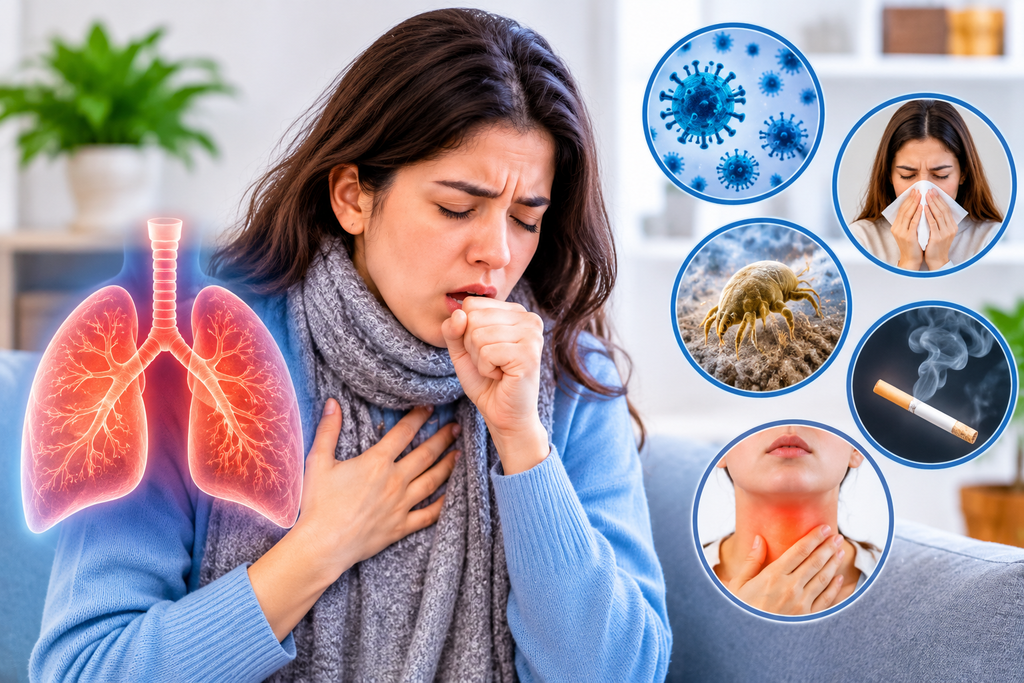
A cough is a common symptom that can affect people of all ages. It may develop because of a common cold, flu, allergies, throat irritation, or a lung condition. Some coughs last a few days, while others continue for several weeks. Coughing is a natural reflex that helps clear mucus, germs, dust, and other irritants from the airways. Most short-term coughs improve with time, but a persistent or severe cough may need medical attention. Understanding the types, causes, and treatment options can help you manage a cough and recognize when to see a doctor. What Is a Cough? A cough is a sudden, forceful release of air from the lungs. It helps remove mucus, dust, germs, and other unwanted particles from the throat and airways. Coughing can happen voluntarily or automatically. When something irritates the airways, nerves send signals to the brain. The brain then triggers the muscles involved in breathing to push air out quickly. This process is called the cough reflex. Coughing helps protect the respiratory system by clearing unwanted substances from the airways. However, frequent coughing can irritate the throat, disturb sleep, and cause chest discomfort. What Are the Different Types of Cough? Coughs can be classified in two main ways: by the mucus they produce and by how long they last. 1. Dry Cough A dry cough does not produce mucus or phlegm. It often feels like a tickle or irritation in the throat. Common causes include: A dry cough may become worse at night or when exposed to cold air. 2. Wet or Productive Cough A wet cough produces mucus or phlegm from the respiratory tract. Coughing helps move this mucus out of the airways. Possible causes include: Mucus can have different colours, including clear, white, yellow, and green. Its colour alone cannot determine whether an infection is bacterial or viral. 3. Acute Cough An acute cough usually lasts less than three weeks. It commonly develops during short-term respiratory infections. Possible causes include: Many acute coughs improve as the infection gets better. 4. Chronic Cough A chronic cough lasts more than eight weeks in adults. In children, a cough lasting more than four weeks generally needs medical assessment. Possible causes include: A persistent cough should be evaluated by a healthcare professional to identify its cause. Possible Causes of Cough Coughing can develop because of infections, allergies, environmental irritants, and long-term health conditions. What Are the Most Common Causes of Cough? 1. Common Cold The common cold is one of the common causes of coughing. Viral infections can irritate the nose, throat, and airways. Other symptoms may include sneezing, a runny nose, sore throat, and mild fever. 2. Flu Influenza, commonly called the flu, can cause a dry or wet cough. Other symptoms may include fever, chills, headache, body aches, and tiredness. 3. COVID-19 COVID-19 can cause coughing along with fever, sore throat, tiredness, and breathing problems. Symptoms can vary between individuals. 4. Acute Bronchitis Bronchitis occurs when the bronchial tubes become inflamed. It may cause coughing, mucus production, chest discomfort, and wheezing. 5. Pneumonia Pneumonia is an infection that affects the lungs. It can cause coughing, fever, chills, chest pain, and difficulty breathing. Some people also produce mucus when coughing. 6. Sinus Infection Sinus inflammation can cause mucus to drain down the back of the throat. This is known as postnasal drip. It can irritate the throat and trigger repeated coughing, particularly at night. 7. Whooping Cough Whooping cough, also called pertussis, is a contagious bacterial infection. It can cause repeated and severe coughing attacks. Some people make a high-pitched sound when breathing in after a coughing attack. Allergies and Environmental Irritants Allergies and irritants can trigger coughing by irritating the respiratory system. Common triggers include: Allergy-related coughing may occur with sneezing, itchy eyes, a runny nose, and throat irritation. Avoiding known triggers can help reduce exposure to substances that cause symptoms. Long-Term Health Conditions Some health conditions can cause coughing that continues for several weeks or longer. Asthma: Asthma causes inflammation and narrowing of the airways. It may lead to coughing, wheezing, chest tightness, and shortness of breath. Symptoms can become worse at night or during exercise. Chronic obstructive pulmonary disease (COPD): COPD is a long-term lung condition that makes breathing difficult. It can cause ongoing coughing, mucus production, and breathlessness. Acid reflux (GERD): Acid reflux happens when stomach acid flows back into the food pipe. It may irritate the throat and trigger coughing, particularly after meals or when lying down. Postnasal drip: Mucus from the nose or sinuses flows down the back of the throat. This can cause throat clearing and repeated coughing. Medication-Related Cough Some medicines can cause a persistent dry cough. ACE inhibitors are a group of medicines used to treat high blood pressure and certain heart conditions. They can cause coughing in some people. If you think a prescribed medicine is causing your cough, speak with a healthcare professional. Do not stop taking prescribed medicine without medical advice. Symptoms That May Occur With a Cough The symptoms that occur with coughing often depend on its underlying cause. Common symptoms include: Some people experience only a cough, while others have several symptoms at the same time. Coughing with difficulty breathing, chest pain, or blood needs prompt medical attention. Possible Complications of Cough Most short-term coughs do not cause serious problems. However, frequent or severe coughing can affect everyday activities. Possible complications include: If coughing becomes severe or causes unusual symptoms, consult a healthcare professional. Care and Treatment Cough treatment depends on its cause, severity, and duration. Many short-term coughs caused by viral infections improve with time and supportive care. How to Make a Cough Go Away Some simple steps may help soothe an irritated throat and manage coughing. 1. Drink Plenty of Fluids Drink water regularly throughout the day. Warm drinks may also soothe an irritated throat. 2. Get Enough Rest Rest when you feel unwell. It gives your body time to recover from an infection. 3. Use a Clean
Cold Sores: Causes, Symptoms, Stages and Treatment
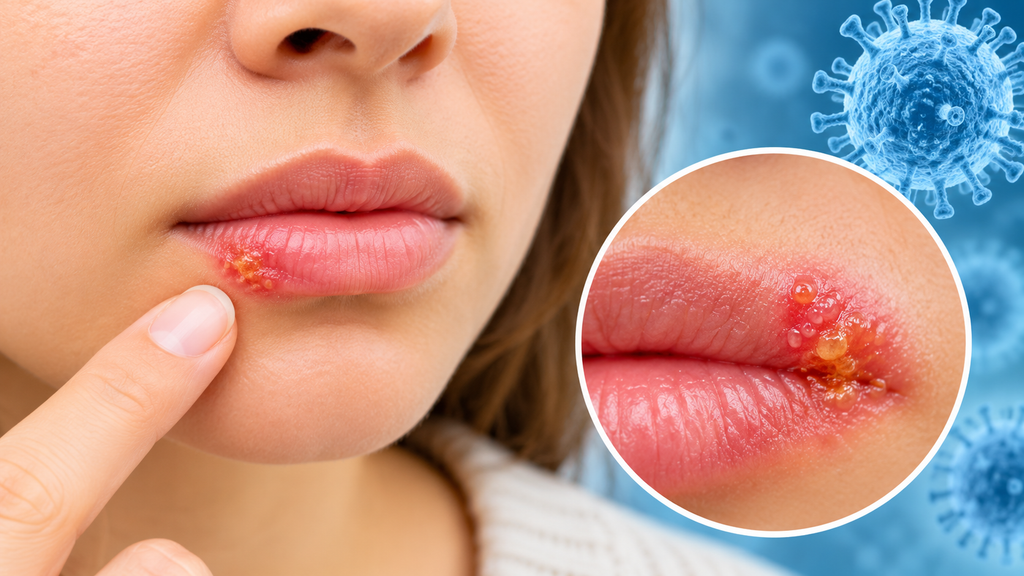
Cold sores are small, fluid-filled blisters that usually appear on or around the lips. They are caused by the herpes simplex virus (HSV), most commonly HSV-1. These sores may cause tingling, itching, burning and discomfort before they become visible. Cold sores usually heal on their own within 10 days to two weeks. Although there is no permanent cure for the virus, treatments can help manage symptoms and may shorten an outbreak. What Are Cold Sores? Cold sores are small blisters that develop around the mouth, lips, nose or chin. They are also known as fever blisters. The infection is caused by the herpes simplex virus, which remains in the body after the first infection. The virus can stay inactive in nerve cells and become active again later. This can cause repeated outbreaks, often in the same area. What Causes Cold Sores? The herpes simplex virus causes cold sores. There are two main types: The virus spreads mainly through direct contact with an infected person’s saliva or cold sore. Kissing and sharing personal items, such as drinking glasses, cutlery or lip balm, can spread the infection. Some people have no visible symptoms but can still pass the virus to others. Cold Sore Symptoms Cold sore symptoms may develop in stages. Common signs include: Some people may experience pain or discomfort before the blisters appear. A first infection can sometimes cause additional symptoms, such as fever, sore throat, swollen gums and sores inside the mouth. These symptoms are more common in children. Cold Sore Stages Cold sores generally develop through five stages: Avoid picking or breaking the blisters because this can increase the risk of infection and scarring. How Long Do Cold Sores Last? Most cold sores heal within 10 days. Some outbreaks may take up to two weeks to clear completely. The healing time can vary from person to person. Cold sores are contagious from the early tingling stage until they have completely healed. Common Cold Sore Triggers The virus may become active again because of different triggers. Common triggers include: Identifying personal triggers may help reduce repeated outbreaks. Cold Sore Treatment Most cold sores heal without specific treatment. However, some medicines and simple care measures can help manage discomfort. Antiviral Creams Antiviral creams containing aciclovir may help shorten an outbreak. They work best when applied at the earliest signs, such as tingling or itching. Some antiviral creams may be less effective after blisters have appeared. Antiviral Tablets A healthcare professional may prescribe antiviral medicines such as aciclovir or famciclovir. These medicines can help shorten the duration of an outbreak. They may be particularly useful when cold sores are severe, frequent or painful. Pain Relief Simple painkillers, such as paracetamol or ibuprofen, may help relieve discomfort. A pharmacist may also recommend creams or patches to reduce pain and irritation. Home Care for Cold Sores Simple care can help make cold sores more comfortable while they heal. These steps help manage discomfort but do not remove the virus from the body. How to Prevent Cold Sores from Spreading Cold sores can spread to other people and other parts of the body. Follow these precautions during an outbreak: If sunlight triggers outbreaks, use sun protection on your lips and face. When Should You See a Doctor? Contact a healthcare professional if: A cold sore infection can affect the eye and may damage vision if it causes a corneal ulcer. Seek immediate medical attention for a painful red eye. Cold Sores in Babies and Children Cold sores require special care around newborn babies. The herpes simplex virus can cause a serious infection in newborns. Avoid kissing newborns or having close contact with them when you have a cold sore. If a newborn has been exposed to a cold sore or develops blisters, contact a healthcare professional immediately. Children with a first infection may also develop fever, mouth sores and difficulty eating or drinking. Frequently Asked Questions Are cold sores contagious? Yes. Cold sores can spread through direct contact with an infected person’s saliva or blisters. The infection can spread even when visible symptoms are absent. Can cold sores go away on their own? Yes. Most cold sores heal without specific treatment, usually within 10 days to two weeks. Can cold sores be cured permanently? There is currently no permanent cure for the herpes simplex virus. It remains in the body and may reactivate, causing further outbreaks. What is the best time to treat a cold sore? Treatment is generally most effective when started at the earliest signs, such as tingling, itching or burning. Can cold sores spread to other parts of the body? Yes. The virus can spread through contact with an infected area. Wash your hands after touching a cold sore and avoid touching your eyes. Conclusion Cold sores are common viral infections that usually appear around the lips and mouth. They are most often caused by HSV-1 and can return when the virus becomes active again. Most outbreaks heal within 10 days to two weeks. Early treatment, good hygiene and avoiding personal triggers can help manage symptoms and reduce the risk of spreading the infection. Medical Disclaimer: The information provided in this article is for general educational purposes only and should not be considered medical advice. Always consult a qualified healthcare professional for proper diagnosis and treatment.
20 Natural Remedies for Common Everyday Ailments

Natural remedies for everyday ailments include ginger, honey, warm drinks, saline nasal sprays, and fiber-rich foods. These options may help with some mild symptoms, but their benefits vary. Natural products can also cause side effects or interact with medicines. What Are Natural Remedies? Natural remedies include foods, herbs, plant-based products, and simple self-care practices. Some have evidence supporting specific uses, while others need more research. They should not replace medical treatment when it is needed. 20 Natural Remedies for Everyday Ailments 1. Ginger for Nausea Ginger has been studied for nausea and vomiting associated with pregnancy. Evidence for other types of nausea varies. How to use it: Add fresh ginger to meals or drinks. Ask a healthcare professional before taking concentrated supplements. 2. Honey for Cough Honey may help soothe a cough, although evidence is limited. How to use it: Add honey to a warm drink. Never give honey to children under 12 months. 3. Saline Nasal Spray Saline sprays help moisten the nasal passages and may ease nasal discomfort. How to use it: Follow the product instructions. For nasal rinsing, use distilled, sterile, or previously boiled and cooled water. 4. Warm Drinks for a Sore Throat Warm drinks can soothe an irritated throat and provide comfort. How to use it: Sip warm water or a warm lemon-and-honey drink. Avoid liquids hot enough to burn. 5. Rest During a Cold Rest can help you manage daily activities while recovering from a common cold. How to use it: Get enough sleep and reduce strenuous activity until you feel better. 6. Fluids During Illness Drinking enough fluids helps maintain hydration during many minor illnesses. How to use it: Drink water regularly unless a healthcare professional has advised you to limit fluids. 7. Colloidal Oatmeal for Skin Colloidal oatmeal is used in some skincare products for dry or uncomfortable skin. How to use it: Choose a product designed for skin care and follow its instructions. Stop if irritation develops. 8. Gentle Skincare for Dryness Harsh soaps and hot bathing may worsen dry skin. How to use it: Choose gentle cleansers and fragrance-free moisturizers. Seek advice if symptoms persist. 9. Gentle Scalp Care Dandruff and dry scalp can have different causes and may need different treatments. How to use it: Choose a suitable shampoo and avoid products that increase irritation. 10. Fiber-Rich Foods Fruits, vegetables, beans, and whole grains provide dietary fiber that supports normal bowel function. How to use it: Add fiber-rich foods gradually to meals to help reduce gas and bloating. 11. Prunes for Digestive Health Prunes are dried plums that contain dietary fiber and can be part of a balanced diet. How to use it: Eat them as a snack or add them to breakfast. Persistent constipation may require medical advice. 12. Yogurt with Live Cultures Some yogurts contain live microorganisms. The effects of probiotics depend on the specific microorganism and condition. How to use it: Choose yogurt that suits your diet and check the product label. 13. Green Tea Green tea is a common beverage, but it is not a proven treatment for anxiety or other medical conditions. Safety tip: Its caffeine may affect sleep or cause restlessness in some people. 14. Garlic in Meals Garlic adds flavor to everyday dishes and can be included in a varied diet. Safety tip: Garlic supplements may interact with medicines, including those that affect blood clotting. 15. Turmeric in Cooking Turmeric is a common spice used in South Asian cooking. Research on curcumin does not prove that turmeric treats a specific illness. Safety tip: Concentrated supplements may cause side effects. Seek professional advice before using them. 16. Warm Compresses A warm compress may provide temporary comfort for minor aches. How to use it: Use a comfortably warm cloth and avoid excessive heat, especially on skin with reduced sensation. 17. Coconut Oil for Dry Skin Coconut oil is used in some skincare routines, but it does not treat every skin condition. How to use it: Test a small amount on unbroken skin and stop if irritation occurs. 18. Balanced Meals A varied diet provides nutrients from different food groups. How to use it: Include fruits, vegetables, whole grains, and suitable protein sources instead of relying on one food as a cure. 19. Saltwater Gargles Warm saltwater gargles may soothe a sore throat in adults and older children who can gargle safely. How to use it: Gargle and spit out the solution. Do not swallow it. 20. A Regular Sleep Routine Adequate sleep supports everyday health and helps you rest during illness. How to use it: Keep a regular bedtime and allow enough time for sleep. Seek advice for persistent sleep problems. Are Natural Remedies Scientifically Proven? Evidence varies by remedy. Ginger has been studied for pregnancy-related nausea, while honey may soothe coughs despite limited evidence. Probiotic effects also depend on the specific product and condition. Ordinary foods and concentrated supplements are not the same. Supplements may contain higher amounts of active ingredients and can have additional risks. Safety Tips for Natural Remedies When Should You See a Doctor? Seek urgent medical attention for difficulty breathing, severe chest pain, confusion, or a serious allergic reaction. Severe abdominal pain, significant dehydration, and worsening symptoms also require medical assessment. Frequently Asked Questions What are natural remedies for everyday ailments? They include foods and simple self-care practices that may ease certain mild symptoms. Do natural remedies always work? No. Evidence varies, and some remedies have not been studied well enough to confirm their benefits. Are natural remedies safer than medicines? Not always. Natural products can cause side effects and interact with medicines. Can I use natural remedies with prescribed medicines? Ask a healthcare professional or pharmacist before combining medicines with herbal supplements. Conclusion Natural remedies for everyday ailments may offer comfort for some mild symptoms, but their benefits and risks vary. Choose carefully, follow safety advice, and seek medical care when needed. Medical Disclaimer: This article is for general educational purposes only. It is not a substitute
10 Herbal Remedies and Their Uses: Benefits and Safety

Herbal remedies and their uses vary from skin care to support for common health problems. Some herbs may help ease certain symptoms, while others have limited scientific evidence. Examples include aloe vera, chamomile, cranberry, and echinacea. Herbal products are not always safe for everyone. They may cause side effects or interact with medicines. Learn about these 10 herbal remedies, their common uses, and the safety steps to follow. What Are Herbal Remedies? Herbal remedies are products made from plants. They may come as teas, oils, creams, capsules, or extracts. People use them for many reasons, such as skin care, digestion, and symptom relief. However, a traditional use does not always mean a remedy works. Research also varies from one herb to another. It is important to check the evidence before using any herbal product. 1. Aloe Vera for Skin Care Aloe vera is a plant often used in skin care products. Its clear gel is found in many creams and lotions. Some products containing aloe vera may help soothe minor skin irritation. However, evidence for treating burns depends on the product and the type of burn. Do not rely on aloe vera for serious burns or deep wounds. Seek medical advice if a burn is severe or shows signs of infection. 2. Black Cohosh for Menopause Symptoms Black cohosh is an herbal product used by some people to manage menopause symptoms, such as hot flashes. Research results are mixed. Some studies suggest it may help with overall menopause symptoms, but the evidence is not clear for every symptom. Rare reports have linked black cohosh products to liver problems. Talk to a healthcare professional before using it, especially if you take medicines or have a liver condition. 3. Boswellia for Joint Discomfort Boswellia is an extract made from the resin of a tree. It is often used in herbal products for joint pain and inflammation. Some small studies suggest that boswellia may help ease pain from osteoarthritis. However, larger and better studies are needed to confirm its effects. Boswellia may also interact with medicines. Ask a healthcare professional before taking it as a supplement. 4. Chamomile for Digestive Discomfort Chamomile is commonly used to make herbal tea. Many people drink it to relax or ease mild digestive discomfort. However, strong evidence for chamomile alone is limited for many health conditions. Some studies have tested products that contain chamomile along with other ingredients. Chamomile tea is generally safe for many adults. People allergic to plants such as daisies may have an allergic reaction. It may also interact with some medicines. 5. Chaste Tree for PMS Symptoms Chaste tree, also called chasteberry, is used in some herbal products for premenstrual syndrome (PMS). Some studies suggest it may ease symptoms such as breast tenderness. However, more high-quality research is needed. It may not be suitable for people with certain hormone-sensitive conditions. People who are pregnant, breastfeeding, or taking hormone-related medicines should seek medical advice before using it. 6. Coffee for Alertness Coffee comes from the seeds of the coffee plant. It is not usually classed as a medicinal herb, but it is a widely used plant-based product. Coffee contains caffeine, which can increase alertness and help people feel less tired for a short time. Too much caffeine may cause sleep problems, anxiety, or a fast heartbeat. Limit caffeine if it affects your sleep or makes you feel unwell. Remember that energy drinks and some medicines may also contain caffeine. 7. Cranberry for Urinary Tract Health Cranberries are fruits used in foods, drinks, and supplements. Some cranberry products may help reduce the risk of repeated urinary tract infections (UTIs) in certain people. However, cranberry products do not treat an existing UTI. Symptoms such as pain when urinating, fever, or back pain need medical attention. Cranberry supplements may not be suitable for everyone and can interact with some medicines. Ask a healthcare professional if you take regular medication. 8. Echinacea for Common Cold Symptoms Echinacea is a plant found in many herbal supplements made for colds. Research suggests that some echinacea products may slightly lower the chance of catching a cold. However, it is unclear whether they help shorten a cold. Results may differ because products contain different plant types and ingredients. Echinacea may cause stomach problems or allergic reactions. Check with a healthcare professional before using it if you take medicines or have known plant allergies. 9. Evening Primrose Oil Evening primrose oil comes from the seeds of the evening primrose plant. It is sold as a supplement and is often promoted for different health concerns. Claims about its benefits for conditions such as rheumatoid arthritis and high cholesterol need careful review. Do not assume that it can treat these conditions without reliable evidence. Ask a healthcare professional before taking evening primrose oil, especially if you use other medicines or supplements. 10. Feverfew for Migraine Prevention Feverfew is a plant used in some herbal products for migraine prevention. Research findings are mixed. Some studies suggest it may help prevent migraines, but the evidence is not strong enough to confirm the benefit for everyone. Feverfew may cause digestive problems or allergic reactions. It may also affect blood clotting and interact with medicines. Avoid using it during pregnancy unless a qualified healthcare professional advises otherwise. How to Use Herbal Remedies Safely Follow these simple safety steps before trying an herbal product: Do not use herbal remedies as a replacement for medical care. Seek professional help if symptoms are severe, continue, or get worse. Frequently Asked Questions Are herbal remedies always safe? No. Some can cause side effects or interact with medicines. Safety depends on the herb, the product, and the person using it. Do herbal remedies work for every condition? No. Evidence varies. Some herbs may help with certain symptoms, while others have not been studied enough. Can I take herbal supplements with medicines? Not without checking first. Ask a healthcare professional or pharmacist to review possible interactions. Conclusion Herbal remedies such as aloe vera, chamomile,
Natural Remedies for Everyday Illnesses: 10 Helpful Options

10 Best Natural Remedies for everyday illnesses may help ease mild symptoms such as coughs, sore throats, nasal congestion, and digestive discomfort. Common options include honey, ginger tea, saline nasal spray, and gentle skin care. However, natural remedies do not work for everyone. Some herbs can cause side effects or interact with medicines. This guide explains common home-care options, their possible benefits, and important safety tips. 1. Honey for Cough and Sore Throat Honey is a popular home remedy for coughs and sore throats. It may help soothe throat irritation and ease coughing in children older than one year. You can take a small amount on its own or add it to a warm drink. Safety tip: Never give honey to babies younger than 12 months because of the risk of infant botulism. Honey may relieve symptoms but does not cure the illness causing the cough. Warm drinks and gargling with warm salt water may also help soothe a sore throat. Seek medical advice if you have severe pain, difficulty swallowing, or worsening symptoms. 2. Ginger Tea for Digestive Discomfort Ginger is commonly used to ease nausea and motion sickness. Ginger tea is also a traditional home-care option for indigestion. To prepare it, steep fresh ginger slices in hot water. Let the drink cool to a comfortable temperature before drinking it. Ginger may cause heartburn, bloating, gas, or nausea in some people. If digestive discomfort continues or becomes severe, consult a healthcare professional. 3. Chamomile Tea for Relaxation Chamomile is commonly used in herbal tea for relaxation. Some people also use it as part of their routine for digestive discomfort. However, evidence supporting its use for specific health problems is limited. Chamomile may interact with certain medicines and can cause allergic reactions, especially in people sensitive to related plants. Ask a healthcare professional before using chamomile medicinally if you take medication or have known allergies. 4. Saline Nasal Spray for Congestion Saline nasal spray contains salt water and can help clear mucus and irritants from the nasal passages. It is a useful option for people experiencing nasal congestion from common respiratory illnesses. Follow the instructions on the product label. If you use a nasal-rinse device, choose distilled, sterile, or previously boiled and cooled water. Do not use untreated tap water for nasal rinsing. 5. Warm Showers and Humidifiers A warm shower or a clean humidifier may make nasal congestion feel easier to manage. These measures can help provide comfort while your body recovers from a respiratory illness. Avoid very hot steam because it can cause burns. Clean humidifiers according to the manufacturer’s instructions to help prevent the buildup of mold and bacteria. 6. Rest and Fluids for Common Cold Symptoms Rest and drinking enough fluids are basic ways to care for yourself during a common cold. Water and clear broth are practical choices when you feel unwell. Allow yourself time to rest and monitor your symptoms. Although these measures can support comfort during recovery, they do not directly cure the virus responsible for a cold. Seek medical advice if symptoms worsen, persist, or include warning signs such as breathing difficulties or chest pain. 7. Echinacea for Cold Symptoms Echinacea is an herbal product commonly used for colds and other respiratory infections. However, research has produced mixed results, and it is not a proven cure. Some studies suggest possible benefits, but the evidence is not strong enough to guarantee that echinacea will prevent a cold or shorten its duration. Echinacea can cause allergic reactions, particularly in people allergic to plants in the daisy family. It may also interact with medicines. Consult a healthcare professional before using it as a supplement. 8. Colloidal Oatmeal for Dry Skin Colloidal oatmeal is finely ground oatmeal used in some skin-care products. It may help soothe dry, itchy skin and support a comfortable skin-care routine. Choose a suitable product and follow its directions. Stop using it if irritation develops. Avoid applying unfamiliar ingredients to irritated skin without checking their suitability. If your skin problem persists, worsens, or shows signs of infection, seek advice from a healthcare professional. 9. Valerian for Sleep Valerian is an herb found in some supplements marketed for sleep support and relaxation. However, research on its effectiveness for sleep problems has produced mixed results. Do not assume that a natural sleep product is automatically safe. Valerian may cause side effects or interact with medicines. Ask a healthcare professional before using it, especially if you take other medications. Persistent sleep difficulties may have an underlying cause that requires attention. 10. Safe Use of 10 Best Natural Remedies Natural remedies for everyday illnesses should be chosen carefully. Herbal products can cause side effects, trigger allergies, or interact with prescription and over-the-counter medicines. Follow these safety tips: When Should You See a Doctor? Home care may help with mild symptoms, but some conditions need professional assessment. Seek medical advice if symptoms persist or worsen. Get urgent medical help for breathing difficulties, chest pain, severe symptoms, or difficulty swallowing. A healthcare professional can identify possible causes and recommend appropriate treatment. Frequently Asked Questions What are some natural remedies for everyday illnesses? Common options include honey for coughs, ginger tea for nausea, saline nasal spray for congestion, and colloidal oatmeal for dry skin. Their suitability depends on the person and the symptoms. Can ginger tea help an upset stomach? Ginger is commonly used for nausea and motion sickness. Some people also use ginger tea for digestive discomfort, but it may cause heartburn or other side effects. Are natural remedies always safe? No. Natural products can cause allergic reactions, side effects, and drug interactions. Seek professional advice before using herbal supplements. When should I seek medical advice? Seek medical advice if symptoms worsen, persist, or become severe. Breathing difficulties and chest pain require urgent medical attention. Conclusion Natural remedies for everyday illnesses may help relieve certain mild symptoms. Honey, ginger tea, saline nasal spray, warm showers, and colloidal oatmeal are common home-care options. Their effects vary, and some
10 Natural Remedies for Everyday Wellbeing

Natural remedies are popular ways to support everyday wellbeing using herbs, spices, and simple home ingredients. Ginger, garlic, turmeric, and peppermint are common examples used in food and traditional wellness practices. Some natural remedies may help with specific symptoms, but scientific evidence varies. Natural products can also cause side effects or interact with medicines. This guide explains 10 popular herbs, their potential benefits, and how to use them safely. What Are Natural Remedies? Natural remedies include herbs, spices, herbal teas, and plant-based products used to support health or relieve certain symptoms. Some are common foods, while others are sold as concentrated supplements. Natural does not always mean safe. The effects of an herb depend on its preparation, amount, and the person’s health. Natural remedies should not replace prescribed medicines or professional medical advice. 10 Natural Remedies for Everyday Wellbeing 1. Ginger Ginger is widely used in cooking and herbal tea. Research suggests it may help with certain types of nausea and menstrual cramps, although results vary. How to use it: Add fresh ginger to tea, soups, or meals. Safety: Ginger may cause heartburn or stomach discomfort. Ask a healthcare professional before using concentrated supplements if you take medication. 2. Yarrow Yarrow is a flowering plant traditionally used in herbal preparations. However, scientific evidence supporting many of its claimed health benefits remains limited. How to use it: Yarrow is available in some herbal teas and other preparations. Safety: It may cause allergic reactions, especially in people sensitive to plants in the daisy family. Seek professional advice before using it medicinally. 3. Echinacea Echinacea is commonly sold in products marketed for cold symptoms and immune support. Research on whether it prevents or shortens colds has produced mixed results. How to use it: Echinacea is available as capsules, liquids, and other supplements. Safety: It may cause stomach discomfort or allergic reactions. Check with a healthcare professional before taking it with other medicines. 4. Ginkgo Biloba Ginkgo biloba is a tree whose leaves are used to make extracts. It is often promoted for memory and brain health, but evidence does not establish it as a reliable memory booster for healthy people. How to use it: Ginkgo is mainly available as a supplement. Safety: It may increase bleeding risk and interact with blood-thinning medicines. Ginkgo seeds can be toxic, so avoid consuming them. 5. Cilantro (Coriander) Cilantro, also called fresh coriander, is a common herb used in salads, curries, chutneys, and soups. Coriander seeds are also widely used as a spice. Potential benefits: Cilantro adds flavor and variety to a balanced diet. Claims that it detoxifies the body or treats disease are not supported by strong clinical evidence. How to use it: Wash fresh leaves thoroughly and add them to your meals. 6. Garlic Garlic is a popular cooking ingredient with a long history in traditional health practices. Some research suggests garlic supplements may help lower blood pressure or cholesterol in certain people, but the effects vary. How to use it: Add fresh or cooked garlic to soups, vegetables, and other dishes. Safety: Garlic may cause digestive discomfort. Concentrated supplements can increase bleeding risk or interact with certain medicines. 7. Milk Thistle Milk thistle is traditionally used for liver health. It contains compounds called silymarin, which have been studied for their potential effects on the liver. Potential benefits: Research has not established clear benefits for many liver conditions. Milk thistle should not be considered a proven liver detox. How to use it: It is available in capsules and extracts. Safety: Possible side effects include nausea, gas, and allergic reactions. Consult a healthcare professional if you have a liver condition. 8. Lemon Balm Lemon balm is an aromatic herb from the mint family. Its leaves are commonly used in herbal teas and traditional practices for relaxation. Potential benefits: Early research suggests possible benefits for stress and sleep, but more high-quality studies are needed. How to use it: Prepare tea using a suitable, reliable product and follow its instructions. Safety: Information about long-term supplement use is limited. Seek professional advice if you take medication or have an ongoing health condition. 9. Turmeric Turmeric is a yellow-orange spice used in curries, soups, and other dishes. It contains curcumin, a compound studied for its effects on inflammation. Potential benefits: Some research suggests curcumin supplements may help with certain osteoarthritis symptoms, but more evidence is needed. How to use it: Add turmeric to rice, vegetables, soups, or curries. Safety: Concentrated supplements may cause digestive problems or interact with medicines. Some enhanced-absorption products have been associated with liver injury. 10. Peppermint Peppermint is an aromatic herb used in teas, foods, and other products. Certain peppermint oil capsules may help relieve symptoms of irritable bowel syndrome (IBS) in some adults. How to use it: Peppermint leaves can be steeped in hot water to make tea. Safety: Peppermint may worsen heartburn or acid reflux. Peppermint oil is more concentrated than tea and should be used according to reliable product instructions. How to Use Natural Remedies Safely Follow these simple precautions when considering natural remedies: People who are pregnant, breastfeeding, preparing for surgery, or managing a medical condition should seek professional advice before using herbal supplements. Frequently Asked Questions What are some popular natural remedies? Ginger, garlic, turmeric, peppermint, and lemon balm are popular examples. Their potential benefits depend on the specific use and available scientific evidence. What are five simple home remedies? Warm fluids, saline nasal spray, a warm compress, ginger tea, and honey for cough relief in people older than one year are common examples. These may ease certain symptoms but do not treat every underlying cause. Which is the most powerful herb? There is no single herb proven to be the most powerful for every health concern. Effectiveness depends on the condition, preparation, and quality of the evidence. Are natural remedies safe for everyday use? Some herbs are safe in normal food amounts for many people, but concentrated supplements can cause side effects and medication interactions. Safety depends on the