Ant bites and stings can cause redness, itching, swelling, and pain. Most reactions are mild and improve on their own. However, fire ant stings can cause burning pain and small, pus-filled blisters. Knowing the symptoms and proper treatment can help you manage an ant bite safely.
What Do Ant Bites Look Like?
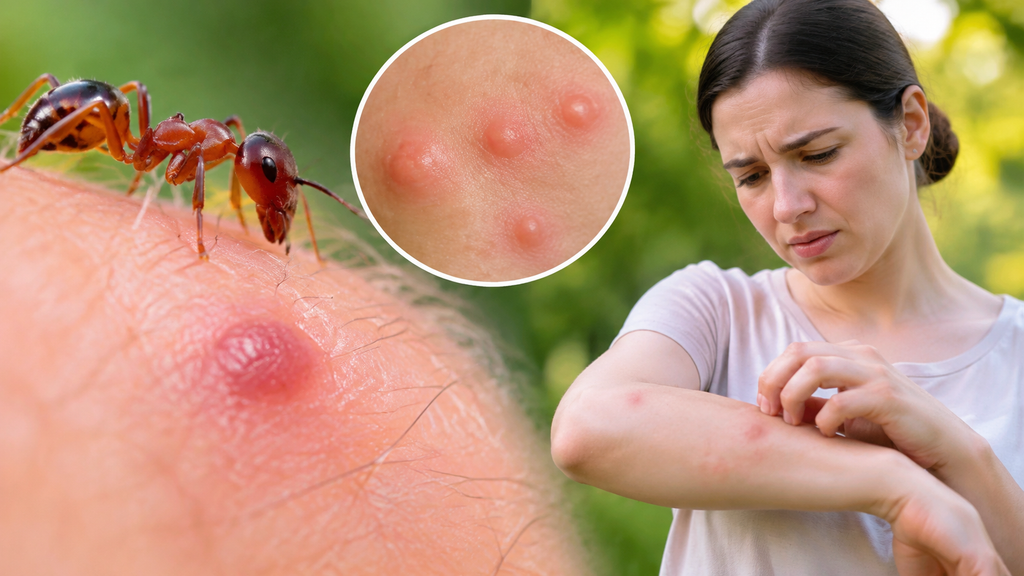
Ant bites may appear as small red bumps or swollen areas on the skin. They can cause itching, burning, or mild pain.
Fire ant stings often cause a stronger reaction. They may produce painful, itchy, pus-filled blisters. These blisters are a typical response to fire ant venom and do not automatically indicate an infection.
Skin reactions vary, so appearance alone cannot always identify the insect.
Common Symptoms of Ant Bites
Common symptoms include:
- Redness around the affected area
- Mild swelling
- Itching or irritation
- Burning or pinching pain
- Small raised bumps
- Pus-filled blisters after some fire ant stings
Mild symptoms often improve within a day, although itching, redness, and blisters may last longer.
How to Treat Ant Bites at Home
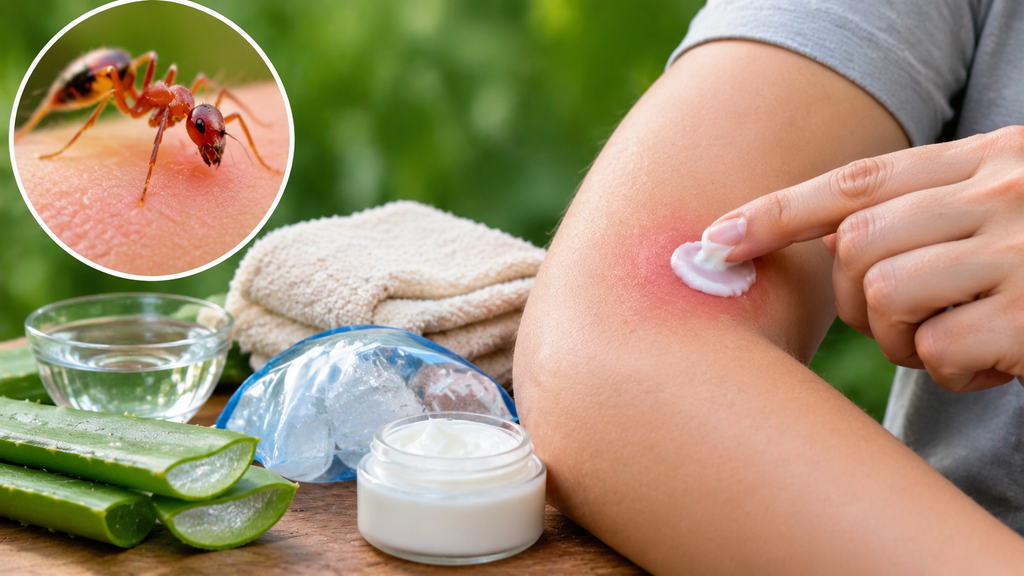
Most mild ant bites can be treated with simple first aid.
1. Remove the Ants
Move away from the ants and brush any remaining ants off your skin to prevent further bites or stings.
2. Wash the Skin
Clean the affected area gently with mild soap and water.
3. Apply a Cold Compress
Place a cold, damp cloth or a cloth-wrapped ice pack on the area for 15–20 minutes. Avoid putting ice directly on your skin. This can help reduce swelling and discomfort.
4. Relieve Itching
An over-the-counter oral antihistamine or hydrocortisone cream may help relieve itching. Follow the product instructions or ask a pharmacist if you are unsure which treatment is suitable.
5. Avoid Scratching
Scratching can damage the skin and increase the risk of infection. Keep the affected area clean and avoid rubbing it.
How to Care for Fire Ant Blisters
Fire ants grip the skin with their jaws and inject venom through their stingers. This can cause burning pain followed by small, itchy blisters.
Do not pop, squeeze, or scratch these blisters. Keep them clean and allow them to heal naturally. If a blister breaks, gently wash the area with soap and water.
How Long Do Ant Bites Last?
Mild ant bite symptoms often improve within a day. However, redness and itching may continue for longer. Fire ant blisters can also take additional time to heal.
Avoid scratching the affected area. If pain, swelling, or redness continues to worsen, seek medical advice.
Are Ant Bites Dangerous?
Most ant bites cause minor skin reactions. However, some people may experience a serious allergic reaction after an ant sting.
Get emergency medical help if you experience:
- Difficulty breathing
- Swelling of the face or throat
- Dizziness or faintness
- Widespread hives
- Nausea along with other allergic symptoms
These symptoms may indicate a severe allergic reaction. If you have prescribed epinephrine, use it according to your emergency action plan and seek emergency care.
When Should You See a Doctor?
Seek medical advice if the affected area becomes increasingly painful or swollen, or if symptoms get worse.
Possible signs of infection include:
- Increasing redness
- Unusual warmth around the affected skin
- Pus or unusual discharge
- Fever
Remember that pus-filled blisters can be a normal reaction to fire ant venom. Worsening symptoms and other signs of infection need medical attention.
How to Prevent Ant Bites
You can reduce contact with ants by following these precautions:
- Avoid disturbing ant nests or colonies.
- Be careful when walking or sitting in areas where ants are present.
- Keep food covered, especially outdoors.
- Check the ground before sitting on grass or soil.
- Move away if ants begin crawling on your skin.
Ant Bites vs. Bed Bug Bites
Ant bites and bed bug bites can both cause itchy, red bumps. Ant bites may cause immediate burning or pinching, while fire ant stings can produce characteristic blisters.
However, skin reactions vary. You cannot always identify the insect from the appearance of the bumps alone. Consider where and when the bites happened and whether you noticed ants or other insects.
Frequently Asked Questions
What is the best treatment for an ant bite?
Wash the area with mild soap and water, then apply a cold compress for 15–20 minutes. An over-the-counter antihistamine or hydrocortisone cream may help relieve itching when used as directed.
Should you pop an ant bite blister?
No. Avoid squeezing or popping fire ant blisters. Keep them clean and allow them to heal naturally.
How long do ant bites last?
Mild symptoms often improve within a day, but itching, redness, and fire ant blisters may last longer.
Can ant bites cause an allergic reaction?
Yes. Some people can develop a serious allergic reaction. Breathing difficulties, face or throat swelling, dizziness, or widespread hives require emergency medical attention.
When should I worry about an ant bite?
Seek medical advice if redness spreads, pain or swelling worsens, pus develops, or you have a fever. Get emergency help if you experience symptoms of a severe allergic reaction.
Final Thoughts
Most ant bites cause temporary redness, itching, or discomfort. Washing the skin, applying a cold compress, and avoiding scratching can help. Keep fire ant blisters clean and intact. Seek medical attention if symptoms worsen, signs of infection appear, or you develop a serious allergic reaction.