Fat-Soluble Vitamins: A, D, E and K
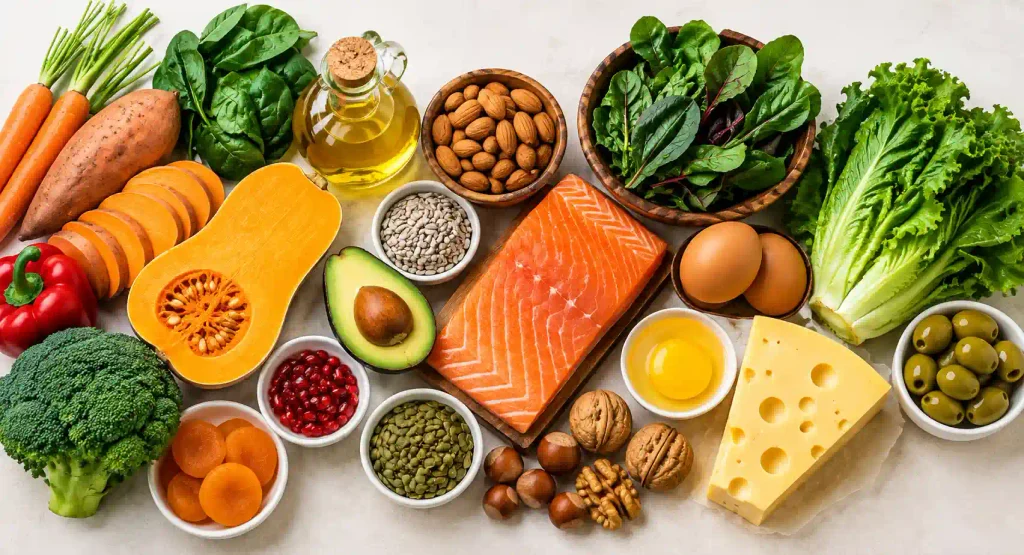
Fat-soluble vitamins are essential nutrients that include vitamins A, D, E, and K. Each has a different job in the body. They also come from different foods and have different safety concerns. This guide covers the four fat-soluble vitamins, their food sources, deficiencies, supplements, and safety. What Are Fat-Soluble Vitamins? The four fat-soluble vitamins are: They are called fat-soluble because their absorption is linked to dietary fat. These types of vitamins support different functions. Vitamin A supports vision and immune function. Vitamin D helps the body absorb calcium. Vitamin E has antioxidant activity. Vitamin K supports normal blood clotting. Fat-Soluble Vitamins at a Glance For nutrient amounts, USDA FoodData Central provides food composition information for people in the United States and elsewhere. Vitamin A Foods and Vitamin A Deficiency Vitamin A supports normal vision, immune function, growth, and development. Vitamin A Foods Vitamin A foods include certain animal foods. Other foods contain carotenoids that contribute to vitamin A nutrition. Some foods, including egg yolk, provide vitamin A. Fruits and vegetables can also provide carotenoids. Vitamin A Deficiency Vitamin A deficiency can affect normal vision and immune function. Symptoms can have other causes, so they cannot confirm a deficiency by themselves. Both low and excessive intake can be a concern. Needs vary with age and life stage. Vitamin D Foods and Vitamin D Deficiency Vitamin D helps the body absorb calcium and supports bone health. The body can also produce vitamin D after sunlight exposure. Vitamin D Foods Vitamin D foods include certain foods and foods fortified with vitamin D. Vitamin D Deficiency Vitamin D deficiency can affect bone health and calcium regulation. A healthcare professional may use a blood test to assess vitamin D status when appropriate. A vitamin D supplement may be useful for some people. Supplement needs depend on individual circumstances and total intake. Vitamin E Foods Vitamin E has antioxidant activity. It helps protect cells from oxidative damage involving free radicals. Vitamin E Foods Common vitamin E foods include: A variety of foods can provide vitamin E from different sources. Vitamin K Foods Vitamin K supports normal blood clotting. Vitamin K Foods Vitamin K foods include leafy greens and other vegetables. Vitamin K is also important if you take certain medicines that affect blood clotting. Talk with a healthcare professional before making major changes to vitamin K supplements or your diet. Fat-Soluble Vitamins vs Water-Soluble Vitamins Fat-soluble vitamins and water-soluble vitamins are two different vitamin groups. Fat-soluble vitamins are A, D, E, and K. Water-soluble vitamins include vitamin C and the B vitamins. The body handles these groups differently. Each vitamin also has its own function. Fat-Soluble Vitamin Deficiency There is no single sign of fat-soluble vitamin deficiency. The effects depend on the vitamin: If you are concerned about deficiency, a healthcare professional can decide whether further evaluation is needed. Fat-Soluble Vitamin Safety Fat-soluble vitamin safety matters because excessive intake can be harmful for some vitamins. High-dose vitamin supplements can greatly increase total intake. Consider nutrients from food, fortified foods, multivitamins, and individual supplements together. Possible side effects depend on the vitamin and amount consumed. The benefit of vitamin intake comes from getting an appropriate amount. Taking more does not always provide more benefit. Fat-Soluble Vitamin Supplements Fat-soluble vitamin supplements are not needed by everyone. Some people may need supplements because of their diet or nutritional needs. Others may get enough from food and fortified foods. If you take medicines or plan to use high-dose supplements, speak with a healthcare professional first. Vitamin D3 Without K2 The question of vitamin D3 without K2 is common. Vitamin D and vitamin K have different roles. Vitamin D helps with calcium absorption and bone health. Vitamin K supports normal blood clotting. NIH information discusses vitamin D and vitamin K separately. It does not establish that everyone taking vitamin D3 must also take vitamin K2. If you are considering either supplement, discuss your needs with a healthcare professional. Fat-Soluble Vitamin Food Sources Fat-soluble vitamin food sources vary by vitamin: Eating a variety of foods can help provide different nutrients and support overall health. Frequently Asked Questions What are the four fat-soluble vitamins? The four fat-soluble vitamins are vitamins A, D, E, and K. What are fat-soluble vitamin food sources? Vitamin A comes from certain animal foods and carotenoids. Vitamin D comes from certain foods and fortified foods. Vitamin E is found in nuts, seeds, and vegetable oils. Vitamin K is found in leafy greens and other vegetables. What are the signs of fat-soluble vitamin deficiency? Signs depend on the vitamin. Vitamin A deficiency may affect vision, while vitamin D deficiency may affect bone health. Vitamin E and K deficiency can also cause problems in certain circumstances. Do you need fat-soluble vitamin supplements? Not everyone needs supplements. Some people may benefit from them, while others can meet their needs through food and fortified foods. Can you take vitamin D3 without K2? NIH information does not establish that everyone taking vitamin D3 must also take vitamin K2. These are separate nutrients with different functions. Final Thoughts The fat-soluble vitamins are vitamins A, D, E, and K. They support vision, immune function, calcium absorption, bone health, antioxidant activity, and normal blood clotting. Good fat-soluble vitamin food sources include vegetables, nuts, seeds, certain animal foods, and fortified foods. If you are concerned about vitamin A deficiency, vitamin D deficiency, or supplement safety, speak with a healthcare professional. Written by the Curetreat Editorial Team Our articles are researched and written by a small team of health writers and editors who summarize guidance from reputable public health sources such as the WHO, CDC, NIH and NHS in plain language. Our writers are not licensed healthcare professionals, and articles are not medically reviewed before publication. Learn more about our team and editorial process.
Vitamins and Minerals: Benefits, Sources, Types and Daily Needs
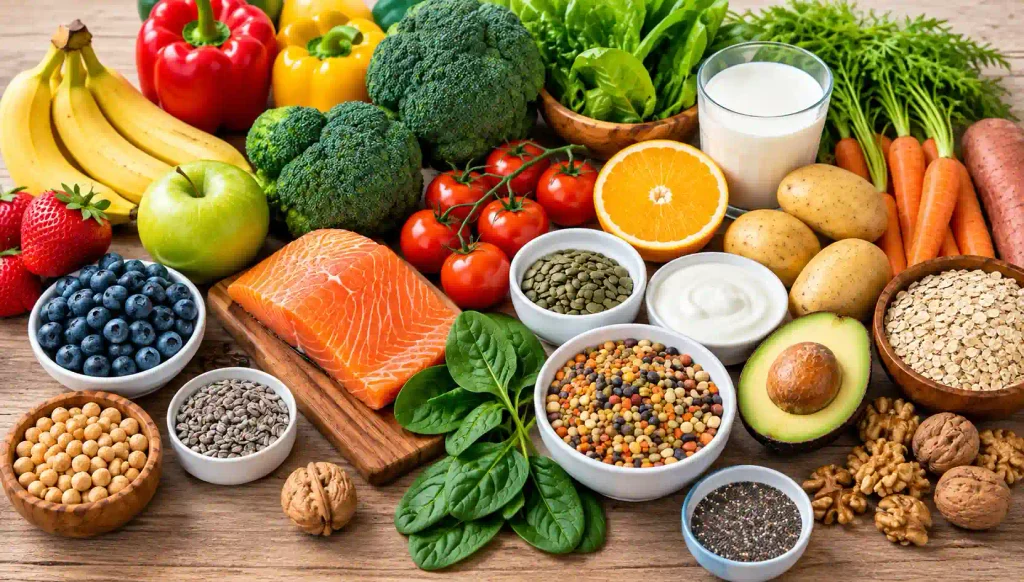
Vitamins and minerals are essential nutrients that your body needs every day. They support normal growth, energy, immunity, bones, blood, and many other body functions. A healthy diet can provide most of the vitamins and minerals you need. This guide explains the importance of vitamins and minerals, their main types, food sources, health roles, and when supplements may be useful. What Are Vitamins and Minerals? Vitamins are organic nutrients that help the body grow and work properly. Minerals are natural elements that the body also needs for important functions. Together, these vitamins and minerals support many processes, including energy use, bone health, blood clotting, and the immune system. Types of Vitamins Vitamins are divided into two main groups: Important B vitamins include vitamin B12 and folic acid (vitamin B9). Types of Minerals Minerals are commonly grouped into major minerals and trace minerals. Major minerals: Trace minerals: Benefits of Vitamins and Minerals The benefits come from the many jobs these nutrients perform in the body. These are some key examples of vitamins and minerals for health. Each nutrient has a different role, so getting a variety of nutrients is important. Foods Rich in Vitamins and Minerals Many foods rich in vitamins and minerals can be part of a healthy diet. Good choices include: For example, dairy products provide calcium, while red meat can provide iron and vitamin B12. Fruits and vegetables provide many vitamins, minerals, and other useful nutrients. Eating a wide range of foods is one of the best ways to get vitamin and mineral sources in your daily diet. Limiting highly processed food can also help you build a healthier eating pattern. Vitamins and Minerals List Here is a simple vitamins and minerals list: This list gives a quick look at some essential vitamins and minerals, but it does not include every nutrient the body needs. How Much Do You Need? Daily needs vary by age, sex, pregnancy, health status, and other factors. A balanced healthy diet usually provides many of the nutrients your body needs. Dietary supplements may help some people meet their needs, but more is not always better. Taking high doses of certain vitamins or minerals can cause problems. Speak with a healthcare professional before taking high-dose supplements. Why Vitamins and Minerals Matter The importance of vitamins and minerals is linked to the many functions they support. These vitamins and minerals for the body help maintain normal body processes, from making blood cells to supporting bones, nerves, muscles, and immunity. Eating different types of vegetables, fruits, whole grains, protein foods, and dairy or suitable alternatives can help you get a wide range of nutrients. Frequently Asked Questions What foods are high in vitamins and minerals? Fruits, vegetables, leafy greens, dairy products, beans, nuts, seeds, whole grains, meat, poultry, and fish can all provide important vitamins and minerals. Are vitamins and minerals the same? No. Vitamins are organic substances, while minerals are natural elements. Both are essential nutrients, but they perform different roles in the body. Do I need vitamin and mineral supplements? Not everyone needs supplements. Many people can get the nutrients they need from a varied diet. Some people may need supplements because of their diet, life stage, or a nutrient deficiency. Key Takeaway Vitamins and minerals are important for normal health and body function. Eating a varied diet with fruits, vegetables, whole grains, protein foods, and dairy or suitable alternatives can help you get the nutrients you need. If you are concerned about a deficiency or need for supplements, speak with a healthcare professional. Written by the Curetreat Editorial Team Our articles are researched and written by a small team of health writers and editors who summarize guidance from reputable public health sources such as the WHO, CDC, NIH and NHS in plain language. Our writers are not licensed healthcare professionals, and articles are not medically reviewed before publication. Learn more about our team and editorial process.
10 Warning Signs of Vitamin B12 Deficiency
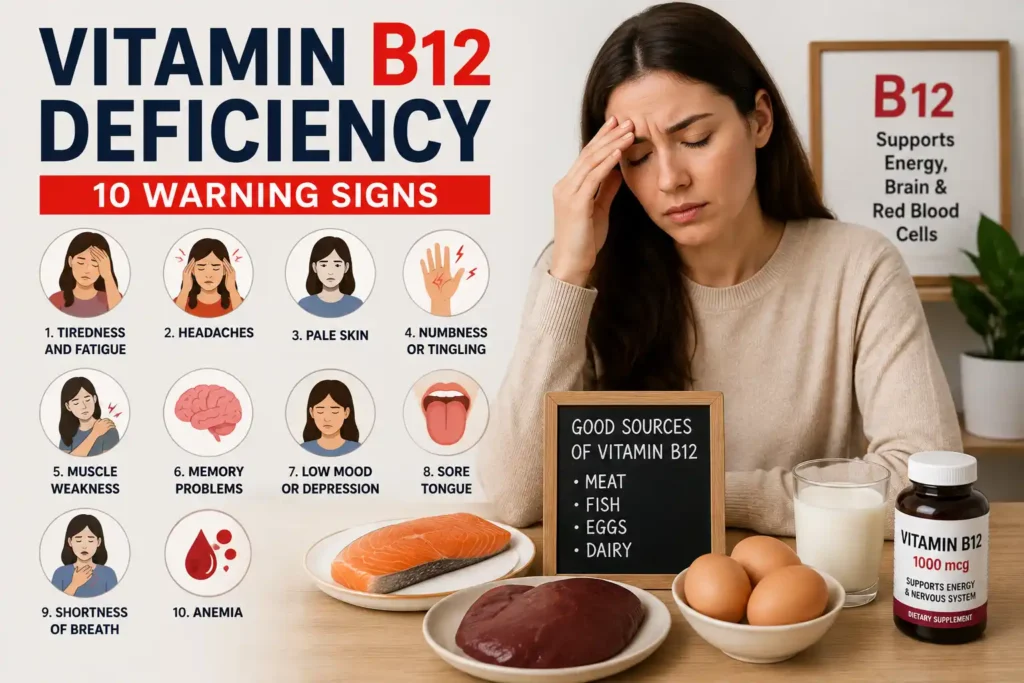
Vitamin B12 helps the body make red blood cells, keeps nerves healthy, and supports energy levels. Unlike some nutrients, vitamin B12 cannot be made by the human body, so it has to come from food or supplements. A long-term lack of B12 can cause fatigue, and it can affect both blood cells and nerve cells. The symptoms of B12 deficiency can develop slowly and are easy to confuse with general tiredness. A blood test is a simple, objective way to check vitamin B12 levels. Once a deficiency is confirmed, its cause can be identified and treated. This article covers the common warning signs, the main risk factors, and general advice for people who have symptoms. Why Vitamin B12 Matters Vitamin B12 supports the healthy functioning of the blood, nerves, and brain. Because it affects so many systems, a deficiency can cause a wide range of symptoms, and fatigue is one of the most common. Low absorption, illness, and diet are some of the reasons a person may be at higher risk of vitamin B12 deficiency. Vegans and older adults are among the groups at highest risk. 10 Warning Signs of Vitamin B12 Deficiency Only a blood test can confirm a vitamin B12 deficiency, but the following symptoms may lead people to suspect it. Vitamin B12 affects the blood, brain, nerves, mood, and energy levels, so the signs can vary. 1. Tiredness and fatigue that do not improve with rest. 2. Weakness and low energy. 3. Pale or yellowish skin (jaundice). 4. Shortness of breath. 5. Numbness or tingling, especially in the hands, legs, or feet. 6. Problems with balance, coordination, or walking. 7. Dizziness and lightheadedness. 8. A sore, red, or swollen tongue, and sores in the mouth. 9. Clouded thinking, difficulty concentrating, and memory problems. 10. Irritability and low mood. In severe cases, B12 deficiency can eventually affect the ability to walk because of nerve damage. These symptoms can have many possible explanations. However, long-lasting symptoms may point to a B12 deficiency and should not be ignored. Causes of B12 Deficiency The causes of B12 deficiency can be broadly divided into two groups. Diet-Based Vegans and some vegetarians have a higher risk of B12 deficiency. This is usually easy to address by changing the diet or using supplements. Absorption-Based Most healthy people absorb B12 without problems. However, absorption can be affected by various digestive conditions, other medical conditions, or surgery. Advanced age is also a risk factor. In these cases, the right treatment depends on the underlying issue, which your doctor can explain. Who Is at Higher Risk? The following people have a greater risk of B12 deficiency: People in these groups may need their B12 levels checked more often. If they do not get enough B12 from food, a doctor may recommend a supplement. Diagnosis of Vitamin B12 Deficiency Vitamin B12 deficiency is diagnosed with blood tests. A blood sample is taken to check B12 levels and the general health of the blood, including whether anemia is present. When a doctor notices possible signs of vitamin B12 deficiency, they will usually consider other possible causes as well and order a B12 blood test to confirm whether a deficiency is present. Ignoring a B12 deficiency carries serious risks, because symptoms can worsen over time. The best approach is to treat both the deficiency and the reason it developed. Treatment of Vitamin B12 Deficiency Doctors distinguish between a deficiency caused by a poor diet and one caused by poor absorption. A diet-related deficiency is usually treated with vitamin B12 supplements and foods that contain or are fortified with vitamin B12. If the cause is poor absorption, ordinary oral vitamin B12 may not be enough, so doctors often give vitamin B12 in other ways, such as by injection. Each situation is assessed individually. Absorption problems are often long-term and may need lifelong treatment. It is important to find the deficiency early and start treatment promptly, because some effects, particularly nerve damage, may become permanent if left untreated. Foods Containing Vitamin B12 Vitamin B12 is found in foods such as meat, fish, milk, and cheese, as well as in fortified breakfast cereals and fortified milk alternatives. If you do not eat animal products, you will need to find other sources of B12. Fruits and vegetables are not good sources of B12, so vegans and many vegetarians get B12 from fortified foods and/or vitamin B12 supplements. B12 and Anemia The symptoms of anemia and vitamin B12 deficiency overlap, so it helps to understand how the two are linked. Vitamin B12 is needed to make healthy red blood cells. Without enough B12, the body cannot produce enough normal red blood cells, and anemia can develop. Common signs of both anemia and B12 deficiency include fatigue, weakness, breathlessness, and low energy. Other types of anemia, such as iron deficiency anemia, can also cause fatigue and weakness. Because the symptoms overlap so much, it can be very difficult to tell them apart without a blood test. Neurological Signs Are the Most Serious The most serious symptoms of B12 deficiency are neurological. Vitamin B12 deficiency can damage the nerves, causing numbness in the arms and legs. If B12 levels continue to fall, people may develop poor balance and difficulty walking. Some neurological symptoms improve once the deficiency is corrected, but nerve damage may become permanent if treatment is delayed. Permanent nerve damage should be taken very seriously, so do not rely on self-diagnosis or self-treatment. Please consult your doctor early. See your doctor if you have tiredness, numbness, weakness, poor balance, or trouble with coordination, or if you have pain, numbness, or tingling in your hands, legs, or feet, especially together with balance problems or difficulty walking. Consult your doctor if: A blood test is the most convenient way to confirm B12 deficiency, and symptoms can worsen if the deficiency is left untreated. The NHS provides guidance on the symptoms of B12 deficiency (see Further Reading below). Many people with low B12 have only mild symptoms
Signs of Vitamin D Deficiency
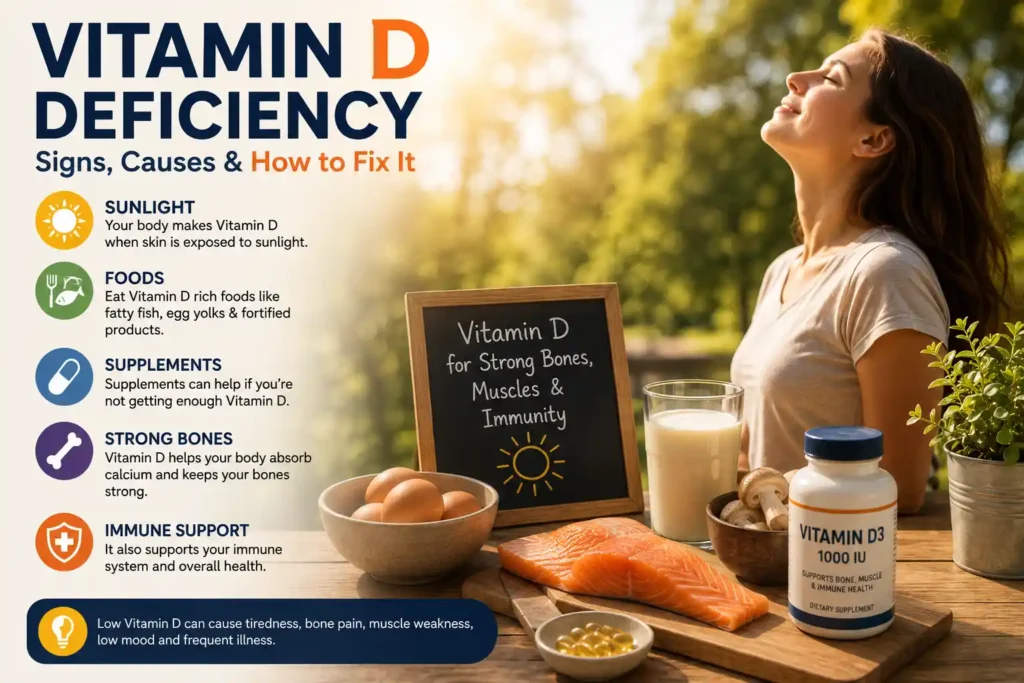
Because the body produces vitamin D when the skin is exposed to sunlight, it has become known as the “sunshine vitamin.” The first signs of vitamin D deficiency are often fatigue and general aches and pains. These symptoms can be so vague that many people put them down to their daily routine and never think of seeking help. Unfortunately, many factors can cause a vitamin D deficiency, and because the early symptoms are so general, people often consider them normal and don’t link them to low vitamin D. It doesn’t have to be this way. Vitamin D deficiency can be easily identified with a simple blood test. Vitamin D also plays a role in immune health. There are many possible reasons for a deficiency, such as a poor diet, little or no supplementation, or limited exposure to the sun. Quick Overview: The Short Answer Why Does Your Body Need Vitamin D? Vitamin D helps the body absorb calcium and is essential for building and keeping bones healthy and strong. Vitamin D is also important for overall health: it helps keep muscles strong and supports the immune system, although more research is still needed on its wider effects. Researchers are also studying the links between vitamin D, muscle function, and mood. The body produces vitamin D when the skin is exposed to sunlight. The amount produced varies with many factors, including the time of day, the season, where you live, your age, your skin color, what you wear, and how much skin is exposed. Very few foods are naturally high in vitamin D. Symptoms of Vitamin D Deficiency Common signs of vitamin D deficiency include: Fatigue Ongoing tiredness is a common sign, although fatigue has many other possible causes. Bone Pain Low levels of vitamin D can cause aches and discomfort in the hips, legs, and back. Weakness Low vitamin D levels can cause muscle weakness. Irritability Some people with low vitamin D levels feel irritable. Frequent Illness When vitamin D levels are low, the immune system may not work as well, which can make you more prone to infections. Hair Loss Hair loss has many possible causes, and low vitamin D is one of them. Slow Healing of Wounds Wounds can heal slowly for many reasons, and low vitamin D may be one of them. Weak Bones Long-term vitamin D deficiency can lead to osteomalacia, a condition in which the bones become soft and weak. General Unwell Feelings Low vitamin D levels can leave you feeling generally unwell. Unexplained Aches and Pains People with long-term vitamin D deficiency may have aches and pains with no obvious cause. Risk Factors for Low Vitamin D Darker Skin People with darker skin may make less vitamin D from the same amount of sun, so they are more likely to have low levels when sun exposure is limited. Older age: The skin’s ability to make vitamin D decreases with age. Covering most of the skin: Clothing that stops the sun’s rays from reaching your skin reduces how much vitamin D your body can make. Dietary intake: Few foods naturally contain vitamin D. Certain medical conditions: Some digestive, liver, and pancreatic disorders can interfere with the absorption of vitamin D. Limited outdoor activity: Spending time outdoors helps your body make vitamin D. Without sunlight, it can be hard to get enough. Which people are more likely to have low levels? People with any of the following are more likely to have low vitamin D levels: Having a risk factor doesn’t necessarily mean your vitamin D levels are low. A test is needed to find out whether, and how, the risk should be addressed. What Helps Increase Vitamin D Levels? There are three main sources of vitamin D: sunlight, food, and supplements. All three can help raise the amount of vitamin D in your body. Sun The amount of sun exposure needed to make enough vitamin D isn’t the same for everyone. It depends on factors such as where you live, the time of day, and the season. Unprotected sun exposure is known to damage the skin, so it’s important to protect your skin from the sun’s harmful rays. Food There are not many natural food sources of vitamin D; oily fish such as salmon is one of the main ones. Egg yolks contain small amounts. Some foods, such as cereals, milk, and yogurt, are fortified with vitamin D. Supplements Many people with mild to moderate vitamin D insufficiency take a vitamin D supplement. To find the right dose, talk to a healthcare professional. Taking more than the dose a healthcare professional recommends raises the chance of side effects. Most people take their vitamin D supplement every day, although some healthcare professionals may suggest a larger dose taken less often. How is vitamin D deficiency diagnosed? You can’t diagnose vitamin D deficiency yourself. A proper diagnosis requires a blood test that measures your level of 25-hydroxyvitamin D. If a healthcare professional suspects that a deficiency is behind your symptoms, based on your history and risk factors, they will also rule out other causes of fatigue, muscle aches, and weakness. Once the tests are complete, they can decide on the right course of action. Finding the real cause of your symptoms is essential for getting the right treatment. Vitamin D and Bone Health Vitamin D helps the body absorb calcium. Without enough of it, bone health becomes a concern. Vitamin D deficiency can cause rickets in children, and bone pain and muscle weakness in adults. Could Something Else Be Causing Your Symptoms? Symptoms linked to vitamin D deficiency, such as muscle aches and fatigue, are very common and can also be caused by many other factors, including habits such as smoking and drinking. A thorough evaluation helps make sure the real cause isn’t missed. Your symptoms and medical history will guide your doctor toward a diagnosis. When Should You See a Doctor? People see a doctor about possible vitamin D deficiency for several reasons, including when:
Vitamin C Benefits: 9 Proven Ways It Supports Your Health
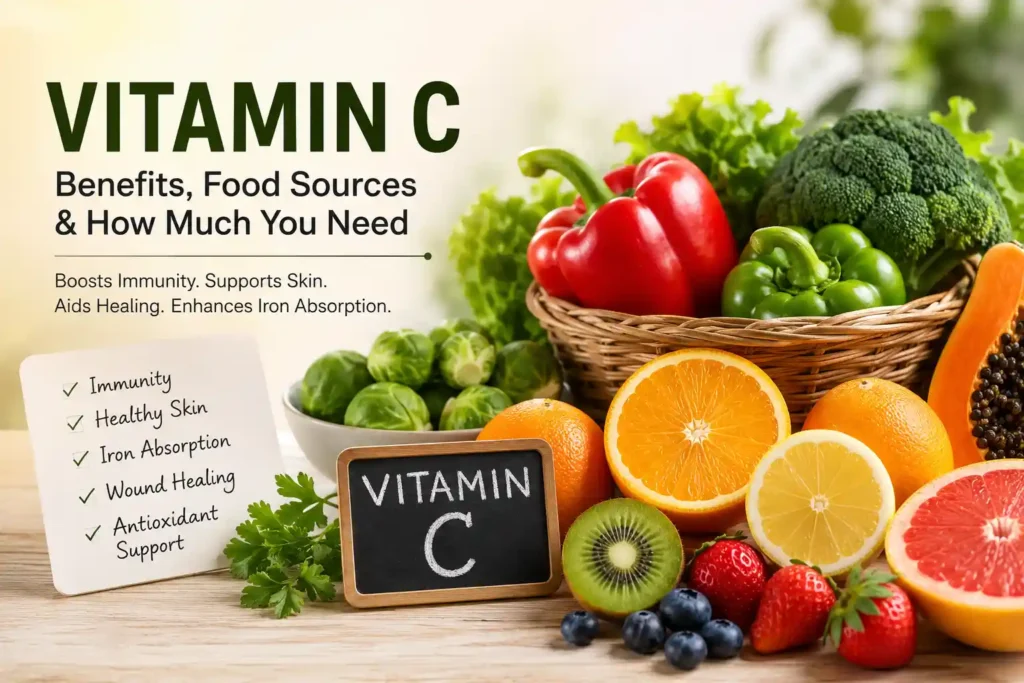
Vitamin C is probably the most famous of all the vitamins — the one people reach for at the first sign of a cold, the one splashed across juice cartons and supplement bottles. Yet its actual role in the body goes far beyond the immune-boosting reputation it is known for. This single vitamin supports your skin, your blood vessels, your healing, your absorption of iron, and much more, working quietly behind the scenes in ways most people never realise. Understanding what vitamin C really does helps you appreciate why it matters and how to get enough. What makes vitamin C particularly important is that, unlike many animals, the human body cannot make its own — we must get it from our diet. This is why a varied diet rich in fruits and vegetables matters, and why severe, long-term deficiency, though rare today, causes real problems. The good news is that vitamin C is abundant in many everyday foods, so most people can meet their needs easily through what they eat, without needing high-dose supplements. This guide covers what vitamin C does, its proven benefits, the best food sources, how much you need, and how to get enough safely. Quick Overview Question Short answer What is vitamin C? An essential vitamin the body cannot make itself Key roles Immunity, skin, healing, iron absorption, antioxidant Best sources Citrus fruits, berries, peppers, many vegetables Can the body store it? Not well — regular intake is needed Deficiency today Rare, but possible with a very poor diet Best way to get it A varied diet rich in fruits and vegetables Why Vitamin C Matters Vitamin C, also known as ascorbic acid, is an essential nutrient involved in many important functions in the body. Because humans cannot produce it, and because the body does not store it well, we need a regular supply from food. It is water-soluble, meaning excess is generally passed out in the urine rather than stored, which is another reason regular intake matters. Vitamin C plays several key roles. It is a powerful antioxidant, helping protect cells from damage. It is essential for making collagen, a protein that gives structure to skin, blood vessels, bones, and connective tissue, which is why it is so important for skin health and wound healing. It supports the immune system, contributes to the health of blood vessels and gums, and significantly improves the body’s absorption of iron from plant foods — a connection explored in our guide on iron deficiency. This wide range of roles explains why vitamin C is genuinely important, well beyond its cold-fighting fame, and why getting enough supports many aspects of health. 9 Proven Benefits of Vitamin C 1. Supports the immune system. Vitamin C contributes to normal immune function, which is the basis of its famous reputation. While it will not necessarily prevent colds, it supports the immune system’s proper working, and adequate intake matters for immune health. 2. Acts as a powerful antioxidant. Vitamin C helps protect the body’s cells from damage caused by unstable molecules called free radicals, contributing to overall health. 3. Essential for collagen and skin health. Vitamin C is needed to make collagen, the protein that gives skin its structure and strength. This makes it important for healthy skin, and it is why vitamin C features so heavily in skincare. 4. Aids wound healing. Because of its role in collagen production, vitamin C is essential for proper wound healing and tissue repair. 5. Improves iron absorption. Vitamin C significantly enhances the absorption of iron from plant-based foods, making it valuable for preventing iron deficiency, particularly for those eating little or no meat. 6. Supports blood vessels and gums. Vitamin C contributes to the health of blood vessels and gums, through its role in collagen and connective tissue. Bleeding gums are a classic sign of deficiency. 7. Supports bones and connective tissue. Through collagen, vitamin C contributes to the health of bones, cartilage, and connective tissue throughout the body. 8. May support heart and blood vessel health. As an antioxidant with a role in blood vessel health, adequate vitamin C, as part of a diet rich in fruits and vegetables, is associated with cardiovascular wellbeing. 9. Supports energy and reduces tiredness. Vitamin C contributes to normal energy-yielding metabolism and helps reduce tiredness and fatigue, part of its wider role in the body. Signs of Vitamin C Deficiency Severe vitamin C deficiency is rare today but does occur, particularly with a very poor diet lacking fruits and vegetables. Because vitamin C is involved in collagen and many functions, deficiency can cause: Severe, prolonged deficiency causes a condition called scurvy, historically known among sailors who lacked fresh food. While rare now, it can still occur in people with very limited diets. Milder inadequacy is more common and worth avoiding through good dietary habits. Because these signs overlap with other conditions, they are prompts to consider your diet rather than proof of deficiency. Best Food Sources of Vitamin C Vitamin C is abundant in many fruits and vegetables, making it easy to obtain from a varied diet: A helpful point: vitamin C is sensitive to heat and water, so some is lost in cooking, particularly boiling. Eating a range of raw or lightly cooked fruits and vegetables, and not overcooking them, helps preserve their vitamin C. Because so many common foods contain it, a diet with plenty of fruits and vegetables easily provides enough for most people, without any need for supplements. How Much Vitamin C Do You Need? Most people can get all the vitamin C they need from a balanced diet that includes fruits and vegetables, and food is the ideal source. Needs are modest and easily met — a couple of portions of vitamin-C-rich fruits and vegetables typically cover daily requirements comfortably. Because vitamin C is water-soluble and not stored well, a regular daily supply matters more than large occasional amounts. The body uses what it needs and passes out much of the excess. This
Zinc Benefits: 10 Proven Ways It Supports Your Health
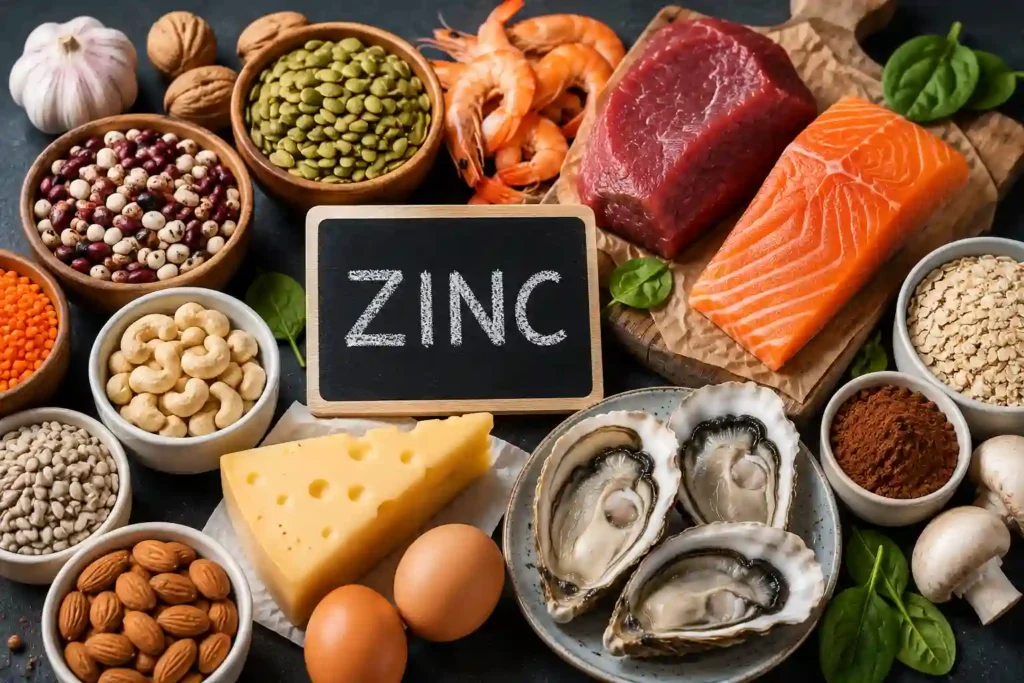
Zinc does not get as much attention as vitamins like C or D, but it is just as essential. This mineral is involved in hundreds of processes in your body. It supports your immune system, helps wounds heal, keeps your skin healthy, and even affects your sense of taste and smell. Yet many people know little about what zinc actually does. Your body cannot make or store much zinc. So you need a regular supply from food. Because zinc is involved in so many functions, getting enough matters for your health in many ways. A shortage can affect your immune system, your skin, and more. The good news is that zinc is found in many everyday foods, so most people can get enough from a balanced diet. This guide explains what zinc is good for, its key benefits, the best food sources, how much you need, and how to get enough safely. Quick Overview Question Short answer What is zinc? An essential mineral for many body functions What is it good for? Immunity, healing, skin, taste, and growth Best food sources Meat, shellfish, beans, nuts, seeds, dairy Can the body store it? Not well, so regular intake is needed Who is at risk of low zinc? Vegans, some older adults, certain conditions Can you take too much? Yes, high-dose supplements can cause problems Why Zinc Matters Zinc is an essential mineral, which means your body needs it but cannot make it. You have to get it from your diet. Despite being needed only in small amounts, zinc plays a role in a huge range of body processes. Zinc helps hundreds of enzymes work. These are the tiny helpers that drive chemical reactions in the body. Zinc is involved in your immune system, in healing and repair, in growth and development, and in making proteins and DNA. It also supports your skin, your sense of taste and smell, and more. Because zinc is so widely involved, a shortage can affect many parts of the body. And because your body does not store much zinc, a regular supply from food matters. Our guides on other important minerals, calcium benefits and magnesium benefits, cover nutrients that work alongside zinc for good health. 10 Key Benefits of Zinc 1. Supports the immune system. This is one of zinc’s best-known roles. Zinc is essential for your immune system to work properly. It helps your body defend against infection, which is why zinc is often linked with immune health. 2. Helps wounds heal. Zinc plays a key role in healing and repairing tissue. It is needed for the skin to repair itself, which is why zinc is important for wound healing. 3. Supports healthy skin. Zinc helps keep the skin healthy. It is involved in skin repair and is sometimes used in skin care for this reason. Low zinc can affect the skin. 4. Supports growth and development. Zinc is essential for normal growth and development. This makes it especially important during childhood, adolescence, and pregnancy. 5. Supports taste and smell. Zinc plays a role in your sense of taste and smell. A shortage of zinc can affect these senses, which can reduce appetite too. 6. Helps many enzymes work. Zinc helps hundreds of enzymes work. These drive countless reactions in the body, from making proteins to processing nutrients. 7. Supports DNA and protein production. Zinc is needed to make DNA and proteins, the building blocks your body uses to grow, repair, and function. 8. Supports eye health. Zinc is found in high amounts in the eye and plays a role in eye health, as part of overall good nutrition. 9. Supports reproductive health. Zinc plays a role in reproductive health and normal development, as part of its wider importance in the body. 10. Acts as an antioxidant. Zinc helps protect the body’s cells, contributing to overall health as part of a balanced diet. What Is Zinc Good For? A Closer Look People often ask what zinc is actually good for, so it helps to focus on its most important everyday roles. The role zinc is best known for is supporting the immune system. Zinc is essential for immune cells to work properly, which is why it is so often linked with fighting off infection. Some people use zinc when they feel a cold coming on, though it is best thought of as supporting normal immune function rather than a cure. Zinc is also strongly linked with healing and skin. It is needed to repair tissue and skin, which is why it matters for wound healing and healthy skin. And because zinc affects taste and smell, a shortage can dull these senses. These everyday roles, immunity, healing, skin, and taste, are what zinc is most valued for, and they show why getting enough is worthwhile. Signs You Might Be Low in Zinc Zinc deficiency is not common in people who eat a balanced diet, but it can happen. Because zinc is involved in so many functions, low levels can cause a range of signs, including: These signs can have many other causes, so they are prompts to consider zinc rather than proof of a deficiency. Some groups are more at risk of low zinc, including people who eat little or no animal produce, some older adults, and people with certain conditions that affect how zinc is absorbed. If you think you may be low, a doctor can advise. Best Food Sources of Zinc Zinc is found in many foods, so a balanced diet usually provides enough. Good sources include: One point worth knowing: zinc from animal foods is generally absorbed better than zinc from plant foods. This is because plant foods contain compounds that can reduce zinc absorption. So people who eat little or no animal produce may need to pay more attention to their zinc intake. Including a variety of zinc-rich foods helps most people get enough. How Much Zinc Do You Need? Most people can get all the zinc they need from a
Home Health Care and Family Support: A Complete Guide to Services, Benefits, and Costs

Home Health Care and Family Support: Why It Matters More Than Ever As healthcare continues to evolve, more families are choosing home health care as a practical and compassionate alternative to hospital stays and nursing facilities. Home health care allows patients to receive professional medical and personal care in the comfort of their own homes while maintaining independence and dignity. Whether someone is recovering from surgery, managing a chronic illness, or simply needs daily assistance, home health care services offer personalized support tailored to individual needs. Families also benefit from peace of mind knowing their loved ones are receiving excellent care without leaving familiar surroundings. In this guide, we will explore everything you need to know about home health care and how it can improve quality of life for patients and families alike. What Is Home Health Care? Home health care refers to professional healthcare services delivered directly in a patient’s home. These services may include medical treatment, rehabilitation, personal care, and companionship. Unlike traditional hospital care, home health care focuses on helping patients recover, manage conditions, and maintain independence in a familiar environment. Home health care services are often recommended for: The goal is to provide comprehensive care while improving comfort and reducing unnecessary hospital visits. Types of Home Health Care Services Skilled nursing care Registered nurses provide medical services including: Skilled nursing is one of the most common home health care services prescribed by physicians. Physical therapy Physical therapists help patients regain mobility and strength after injuries, surgeries, or illnesses. Benefits include: Occupational therapy Occupational therapists assist patients in performing daily activities such as: This type of therapy is especially beneficial for seniors and those recovering from strokes. Speech therapy Speech-language pathologists help patients who have: Personal care assistance Home health aides provide help with everyday activities such as: Companion care Companion caregivers provide emotional support and social interaction to reduce loneliness and improve mental well-being. Benefits of Home Health Care Comfort and familiarity Patients often recover more effectively when they stay in familiar surroundings. Being at home can: Personalized care Home health care services are tailored to each patient’s specific needs. Care plans may include: Greater independence Unlike institutional settings, home health care encourages patients to maintain control over their daily routines and lifestyle choices. Reduced hospital readmissions Many patients receive ongoing monitoring and treatment at home, which helps prevent complications that could lead to hospitalization. Cost-effective care In many situations, home health care can be much less expensive than extended hospital stays or residential care facilities. Who Can Benefit From Home Health Care? Seniors Home health care for seniors allows older adults to maintain their independence while receiving essential support. Common services include: Post-surgery patients After surgery, many patients require temporary care and rehabilitation. Home health care services can help: People with chronic conditions Patients living with: often benefit from ongoing monitoring and management at home. People with disabilities Home health care providers offer customized support that enables individuals with disabilities to live more independently. Home Health Care Agencies: What They Do Home health care agencies coordinate professional services for patients and families. These agencies usually provide: A good home health care agency ensures its caregivers are properly trained, licensed, and professional. How to Choose the Best Home Health Care Agency Choosing the right provider is essential for receiving high-quality care. Check licensing and accreditation Verify that the agency is licensed and meets industry standards. Review caregiver qualifications Ask about: Read reviews Patient and family reviews often offer valuable insights into the quality of a provider. Evaluate communication The best home health care agencies maintain open communication with families and healthcare providers. Compare services Different agencies offer different levels of support. Choose one that fits your specific needs. Home Health Care for Elderly Family Members As people age, daily tasks can become more difficult. Home health care for elderly people can provide assistance with: Many seniors prefer aging in place because it allows them to stay connected to their communities and maintain their independence. Home Health Care Nurse: Roles and Responsibilities A home health care nurse plays an essential role in patient recovery and disease management. Duties include: Their expertise ensures patients receive professional medical attention without leaving home. Certified Home Health Care Aides Certified home health care aides provide essential non-clinical support. Their responsibilities may include: They are an important part of the home health care team. Does Medicare Cover Home Health Care? Many families ask whether Medicare covers home health care. In many cases, Medicare may cover medically necessary home health care services when they are prescribed by a doctor. Coverage often includes: However, coverage requirements vary depending on eligibility and medical necessity. Patients should review their benefits carefully and ask their healthcare providers for guidance. Understanding Home Health Care Costs The cost of home health care depends on several factors: While costs vary, many families find home-based care more affordable than long-term hospitalization or nursing facilities. Home Health Care Equipment Some patients require specialized equipment at home, such as: The right equipment can improve safety, comfort, and independence. The Future of Home Health Care Technology continues to transform home health care services. Innovations include: These innovations allow healthcare professionals to monitor patients more effectively while reducing the need for frequent in-person visits. Common Challenges and Solutions Caregiver burnout Family caregivers often experience stress and exhaustion. Professional home health care services can help reduce the burden and offer much-needed support. Medication management Complicated medication schedules can lead to errors. Home health nurses help ensure medications are taken correctly. Safety concerns Home modifications such as grab bars, ramps, and improved lighting can significantly reduce fall risks. Why Families Choose Home Health Care Services Families increasingly choose home health care services because they offer: The ability to receive care at home often results in greater emotional well-being and better health outcomes. Conclusion Home health care has become an essential solution for people who need medical support, rehabilitation, or daily assistance while remaining in the comfort