Natural remedies are popular ways to support everyday wellbeing using herbs, spices, and simple home ingredients. Ginger, garlic, turmeric, and peppermint are common examples used in food and traditional wellness practices.
Some natural remedies may help with specific symptoms, but scientific evidence varies. Natural products can also cause side effects or interact with medicines. This guide explains 10 popular herbs, their potential benefits, and how to use them safely.
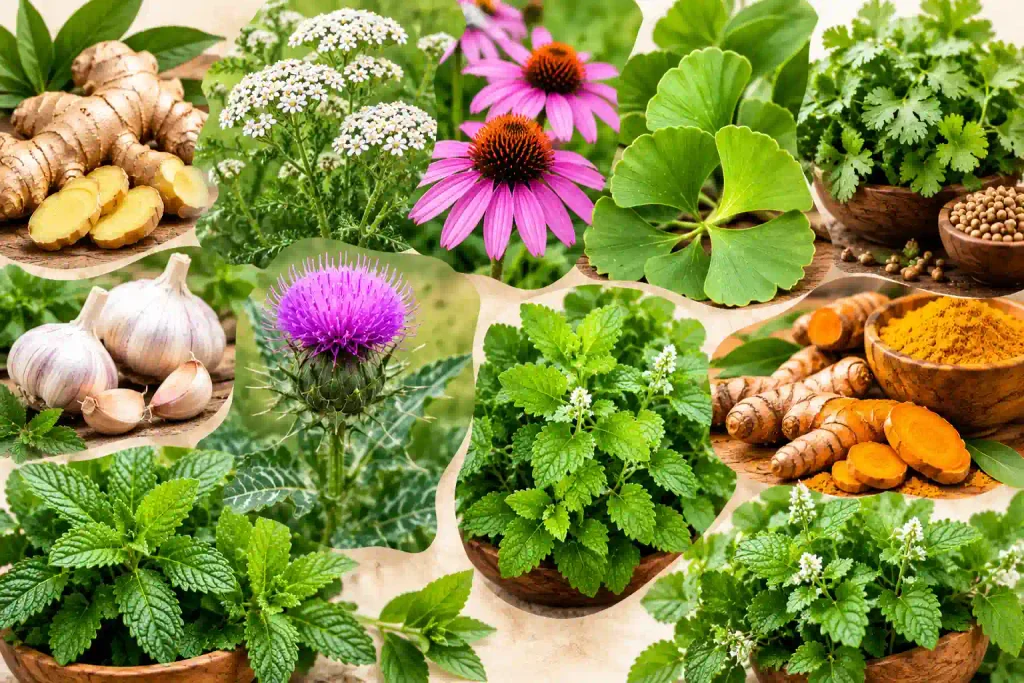
What Are Natural Remedies?
Natural remedies include herbs, spices, herbal teas, and plant-based products used to support health or relieve certain symptoms. Some are common foods, while others are sold as concentrated supplements.
Natural does not always mean safe. The effects of an herb depend on its preparation, amount, and the person’s health. Natural remedies should not replace prescribed medicines or professional medical advice.
10 Natural Remedies for Everyday Wellbeing
1. Ginger
Ginger is widely used in cooking and herbal tea. Research suggests it may help with certain types of nausea and menstrual cramps, although results vary.
How to use it: Add fresh ginger to tea, soups, or meals.
Safety: Ginger may cause heartburn or stomach discomfort. Ask a healthcare professional before using concentrated supplements if you take medication.
2. Yarrow
Yarrow is a flowering plant traditionally used in herbal preparations. However, scientific evidence supporting many of its claimed health benefits remains limited.
How to use it: Yarrow is available in some herbal teas and other preparations.
Safety: It may cause allergic reactions, especially in people sensitive to plants in the daisy family. Seek professional advice before using it medicinally.
3. Echinacea
Echinacea is commonly sold in products marketed for cold symptoms and immune support. Research on whether it prevents or shortens colds has produced mixed results.
How to use it: Echinacea is available as capsules, liquids, and other supplements.
Safety: It may cause stomach discomfort or allergic reactions. Check with a healthcare professional before taking it with other medicines.
4. Ginkgo Biloba
Ginkgo biloba is a tree whose leaves are used to make extracts. It is often promoted for memory and brain health, but evidence does not establish it as a reliable memory booster for healthy people.
How to use it: Ginkgo is mainly available as a supplement.
Safety: It may increase bleeding risk and interact with blood-thinning medicines. Ginkgo seeds can be toxic, so avoid consuming them.
5. Cilantro (Coriander)
Cilantro, also called fresh coriander, is a common herb used in salads, curries, chutneys, and soups. Coriander seeds are also widely used as a spice.
Potential benefits: Cilantro adds flavor and variety to a balanced diet. Claims that it detoxifies the body or treats disease are not supported by strong clinical evidence.
How to use it: Wash fresh leaves thoroughly and add them to your meals.
6. Garlic
Garlic is a popular cooking ingredient with a long history in traditional health practices. Some research suggests garlic supplements may help lower blood pressure or cholesterol in certain people, but the effects vary.
How to use it: Add fresh or cooked garlic to soups, vegetables, and other dishes.
Safety: Garlic may cause digestive discomfort. Concentrated supplements can increase bleeding risk or interact with certain medicines.
7. Milk Thistle
Milk thistle is traditionally used for liver health. It contains compounds called silymarin, which have been studied for their potential effects on the liver.
Potential benefits: Research has not established clear benefits for many liver conditions. Milk thistle should not be considered a proven liver detox.
How to use it: It is available in capsules and extracts.
Safety: Possible side effects include nausea, gas, and allergic reactions. Consult a healthcare professional if you have a liver condition.
8. Lemon Balm
Lemon balm is an aromatic herb from the mint family. Its leaves are commonly used in herbal teas and traditional practices for relaxation.
Potential benefits: Early research suggests possible benefits for stress and sleep, but more high-quality studies are needed.
How to use it: Prepare tea using a suitable, reliable product and follow its instructions.
Safety: Information about long-term supplement use is limited. Seek professional advice if you take medication or have an ongoing health condition.
9. Turmeric
Turmeric is a yellow-orange spice used in curries, soups, and other dishes. It contains curcumin, a compound studied for its effects on inflammation.
Potential benefits: Some research suggests curcumin supplements may help with certain osteoarthritis symptoms, but more evidence is needed.
How to use it: Add turmeric to rice, vegetables, soups, or curries.
Safety: Concentrated supplements may cause digestive problems or interact with medicines. Some enhanced-absorption products have been associated with liver injury.
10. Peppermint
Peppermint is an aromatic herb used in teas, foods, and other products. Certain peppermint oil capsules may help relieve symptoms of irritable bowel syndrome (IBS) in some adults.
How to use it: Peppermint leaves can be steeped in hot water to make tea.
Safety: Peppermint may worsen heartburn or acid reflux. Peppermint oil is more concentrated than tea and should be used according to reliable product instructions.
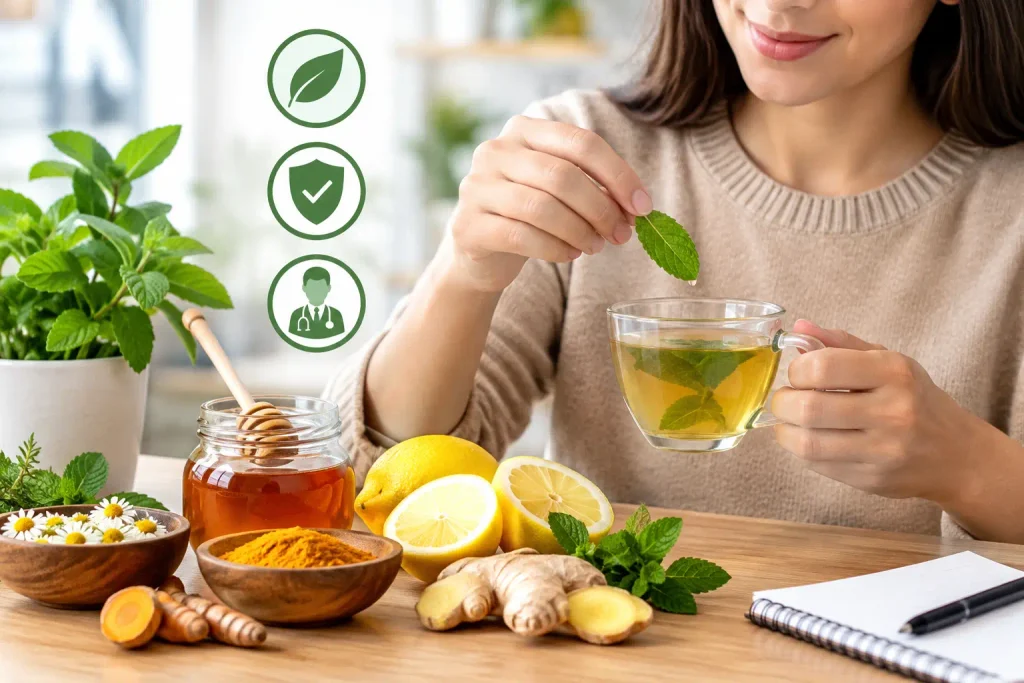
How to Use Natural Remedies Safely
Follow these simple precautions when considering natural remedies:
- Check the evidence: Choose remedies based on reliable health information, not exaggerated claims.
- Read product labels: Follow directions and avoid excessive amounts.
- Check interactions: Ask a pharmacist or healthcare professional before combining supplements with medicines.
- Consider allergies: Stop using a product if you experience a possible allergic reaction.
- Choose reliable products: Supplement quality and ingredients can vary.
- Seek medical advice: Do not delay care for persistent or serious symptoms.
People who are pregnant, breastfeeding, preparing for surgery, or managing a medical condition should seek professional advice before using herbal supplements.
Frequently Asked Questions
What are some popular natural remedies?
Ginger, garlic, turmeric, peppermint, and lemon balm are popular examples. Their potential benefits depend on the specific use and available scientific evidence.
What are five simple home remedies?
Warm fluids, saline nasal spray, a warm compress, ginger tea, and honey for cough relief in people older than one year are common examples. These may ease certain symptoms but do not treat every underlying cause.
Which is the most powerful herb?
There is no single herb proven to be the most powerful for every health concern. Effectiveness depends on the condition, preparation, and quality of the evidence.
Are natural remedies safe for everyday use?
Some herbs are safe in normal food amounts for many people, but concentrated supplements can cause side effects and medication interactions. Safety depends on the ingredient and the person using it.
Final Thoughts
Natural remedies can complement healthy daily habits when used responsibly. Ginger, garlic, turmeric, cilantro, and peppermint are easy to include in meals, while other herbs are available in teas and supplements.
However, traditional use does not guarantee effectiveness. Choose evidence-informed options, understand possible risks, and consult a qualified healthcare professional before using herbal supplements for a health concern.
Medical disclaimer: This article is for educational purposes only and does not replace professional medical advice, diagnosis, or treatment.