Health Conditions: Types, Causes & Common Examples

These are health problems that can affect the body or mind. They include diseases, disorders, infections, and other problems that may affect daily life. Some conditions last for a short time. Others can last for months or years and may need regular care. Some conditions can be treated or cured, while others need long-term management. This guide explains the main types of health conditions, their common causes and symptoms, and how they are diagnosed and treated. What Are Health Conditions? A health condition is a general term for a disease, disorder, illness, or other health problem. It may affect a person’s physical health, mental health, or both. These conditions can affect different parts of the body. They can also vary in severity. Some cause mild symptoms, while others may need urgent medical care. What Are the Main Types of Health Conditions? There are many types of health conditions. Common groups include: Chronic Conditions Chronic conditions are health problems that last for a long time. They may need regular monitoring, treatment, or lifestyle changes. Examples include: Infectious Diseases Infectious diseases are caused by harmful organisms such as viruses, bacteria, fungi, or parasites. Some can spread from one person to another. Examples include: Mental Health Conditions Mental health conditions can affect mood, thoughts, feelings, or behavior. They can affect daily activities, relationships, work, or study. Examples include: Cardiovascular Conditions Cardiovascular conditions affect the heart or blood vessels. Examples include: Respiratory Conditions Respiratory conditions affect the lungs or airways. They can make breathing difficult or cause other breathing problems. Examples include: Neurological Conditions Neurological conditions affect the brain, spinal cord, or nerves. Examples include: Autoimmune Diseases Autoimmune diseases happen when the immune system mistakenly attacks the body’s own cells, tissues, or organs. Different autoimmune diseases can affect different parts of the body. Digestive Disorders Digestive disorders affect the digestive system. This includes the stomach, intestines, and other organs involved in digestion. Examples include: Genetic and Congenital Conditions Some conditions are linked to changes in genes. Others are present at birth and may be caused by genetic or developmental factors. Reproductive Health Conditions These conditions affect the reproductive system. They can affect people of different ages and may involve the reproductive organs or related hormones. What Causes Health Conditions? These conditions can have many different causes. In some cases, there is one clear cause. In others, several factors may play a role. Common factors include: The cause depends on the specific condition. A healthcare professional can help identify possible causes based on a person’s symptoms and medical history. What Symptoms Can Health Conditions Cause? Symptoms depend on the type of health condition and the part of the body affected. Common symptoms may include: Having one of these symptoms does not always mean that a person has a specific disease. Many health conditions can cause similar symptoms. How Are Health Conditions Diagnosed? Doctors use different methods to diagnose health conditions. The method depends on the symptoms and the suspected condition. A medical evaluation may include: A healthcare professional may also ask about symptoms, medicines, family history, and other health problems. How Are Health Conditions Treated? Treatment depends on the type and cause of the condition. Possible treatments may include: Some conditions can be cured or resolved. Others require long-term treatment and management. People should follow the treatment plan given by their healthcare professional. They should not stop or change prescribed medicines without medical advice. How Can Health Conditions Be Prevented? Not all health conditions can be prevented. However, some steps can help support overall health and reduce certain health risks. These may include: The right prevention steps depend on a person’s age, health, family history, and other risk factors. When Should You See a Doctor? Talk to a healthcare professional if you have symptoms that are new, persistent, worsening, or affecting your daily activities. Some symptoms may need urgent medical attention. Severe breathing problems, chest pain, loss of consciousness, or other serious symptoms should be assessed promptly. Frequently Asked Questions What are health conditions? Health conditions are diseases, disorders, illnesses, infections, or other problems that affect physical or mental health. What are common health conditions? Common health conditions include diabetes, asthma, high blood pressure, heart disease, depression, and some digestive disorders. Can health conditions be cured? Some health conditions can be cured or resolve with treatment. Others may require long-term treatment or management. What causes health conditions? Causes vary by condition. They may include genetics, infections, age, immune system problems, lifestyle factors, environmental exposure, injuries, and other health problems. How are health conditions diagnosed? Diagnosis may involve a medical history, physical examination, laboratory tests, imaging, or other tests. Conclusion Health conditions include a wide range of problems that can affect the body or mind. They may be short-term or long-term and can have many different causes. Learning about the main types, symptoms, causes, diagnosis, and treatment can help people understand their health better. If you have ongoing or concerning symptoms, speak with a qualified healthcare professional for proper evaluation and care. Medical Disclaimer The information provided in this article is for general educational purposes only and should not be considered medical advice. Always consult a qualified healthcare professional for proper diagnosis and treatment.
Non-Infectious Diseases: Types, Causes & Prevention
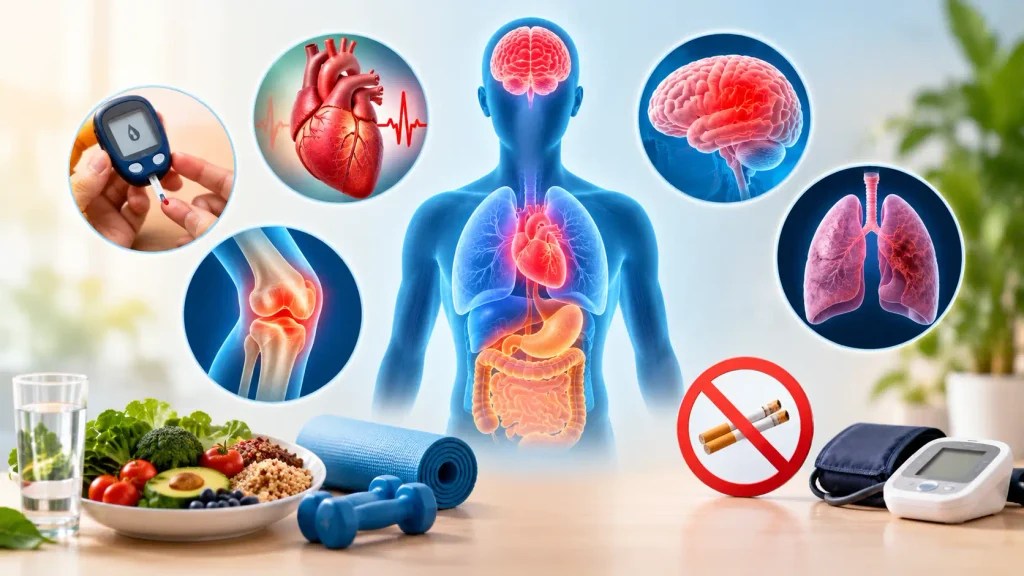
Non-infectious diseases are health conditions that do not normally spread from one person to another. They are also called Non-infectious diseases (NCDs) or chronic diseases. Many of these conditions last for long durations and may need ongoing care. NCDs can develop because of a combination of genetic, Physical, environmental, and Observable factors. Common examples include heart disease, stroke, cancer, chronic Breathing diseases, and diabetes. These conditions are an important public health concern. They affect people in every region and can reduce quality of life. Some can also lead to premature deaths when risk factors are not addressed or when care is delayed. What Are Non-Infectious Diseases? Non-infectious diseases are conditions that are not caused by infectious pathogens and do not normally pass from person to person. The term noncommunicable disease is often used for chronic conditions that last for a long time. The four main NCD groups are: These groups include many different health conditions. For example, cardiovascular diseases include heart attacks and strokes, while chronic Breathing diseases include asthma and chronic obstructive pulmonary disease (COPD). Main Types of Non-Infectious Diseases Cardiovascular Diseases Cardiovascular diseases affect the heart and blood vessels. They include coronary heart disease, heart attacks, and strokes. Several factors can increase the risk of cardiovascular disease. These include tobacco use, physical inactivity, unhealthy diets, high blood pressure, high blood glucose, high cholesterol, overweight or obesity, harmful use of alcohol, and air pollution. Cancer Cancer is a group of diseases involving abnormal cell growth. There are many different types of cancer, and each type can affect a different part of the body. Risk factors vary by type of cancer. Tobacco use, alcohol use, unhealthy diets, physical inactivity, and air pollution are among the factors linked with cancer and other NCDs. Chronic Respiratory Diseases Chronic respiratory diseases affect the airways and lungs. Asthma and COPD are common examples. Tobacco smoke and air pollution are important risk factors. Some people may also face risks from workplace or environmental exposures. Diabetes Diabetes is a chronic condition that affects how the body handles blood glucose. It is one of the four main groups of NCDs. There are different types of diabetes. Type 2 diabetes is one of the most common forms. Physical inactivity and unhealthy diets can contribute to risk factors linked with diabetes and other NCDs. Causes and Risk Factors There is usually no single cause behind an NCD. Several factors, including genetics, behaviour, physical conditions, and the environment, can influence risk. Behavioural Risk Factors WHO identifies four major behavioural risk factors for NCDs: These behaviours can contribute to changes in the body, including high blood pressure, increased blood glucose, overweight or obesity, and abnormal blood lipids. Poor nutrition can be an important part of this picture. An unhealthy diet can contribute to several metabolic risk factors linked with NCDs. Metabolic Risk Factors Some physical changes are also important risk factors. They include: High blood pressure is a major risk factor for cardiovascular disease and other health problems. Many people with hypertension do not notice symptoms, so regular blood pressure checks can be important. Environmental Risk Factors The environment can also affect NCD risk. Air pollution is an important environmental risk factor. Other exposures, including some chemicals, radiation, and workplace hazards, may also affect health. Prevention and Control NCD prevention focuses on reducing risk factors that can be changed. Important steps include: These measures are part of wider prevention and control efforts. Public health programs also play an important role by supporting healthier environments and improving access to healthcare. Prevention does not mean every chronic illness can be avoided. Some risk factors cannot be changed. Genetics, age, and other biological factors can also influence a person’s risk. Diagnosis and Management Early detection, screening, and treatment are important parts of NCD care. The type of testing depends on the condition. Management also varies. Some people may need medicines, regular monitoring, lifestyle changes, or other medical care. The goal is to control the condition and reduce the risk of complications. For example, high blood pressure can often be detected through a simple blood pressure check. If it is not treated, it can increase the risk of heart disease, stroke, and kidney disease. People with symptoms, known risk factors, or an existing chronic condition should speak with a qualified healthcare professional for individual advice. How Do NCDs Affect Quality of Life? A chronic illness can affect daily life in different ways. The impact depends on the condition, its severity, and the care a person receives. Some people may need regular medical visits or long-term treatment. Others may need to make changes to their daily routine. Good management can help people live with chronic conditions while reducing health risks. Early detection and access to appropriate care are important parts of NCD management. Non-Infectious vs Communicable Diseases The main difference is how the conditions are caused and spread. Communicable diseases can be caused by infectious agents and may spread from person to person or through other routes. Non-infectious diseases do not normally spread between people. They are linked to a combination of genetic, physiological, environmental, and behavioural factors. This difference is important because the prevention approach is also different. Communicable diseases may require measures such as infection control, while NCD prevention focuses strongly on risk factors, early detection, treatment, and healthy environments. Frequently Asked Questions What are 10 examples of non-infectious diseases? Examples include heart disease, stroke, cancer, asthma, COPD, diabetes, coronary heart disease, hypertension, and other conditions within the major NCD groups. What are the four main NCDs? The four main groups are cardiovascular diseases, cancers, chronic respiratory diseases, and diabetes. What are the major risk factors for NCDs? Major behavioural risk factors include tobacco use, physical inactivity, unhealthy diet, and harmful use of alcohol. Air pollution is also an important environmental risk factor. Is high blood pressure a non-infectious disease? Yes. High blood pressure, also called hypertension, is a noncommunicable condition and an important metabolic risk factor for cardiovascular disease. Is Type 2
Dehydration: 7 Symptoms, Causes & Treatment
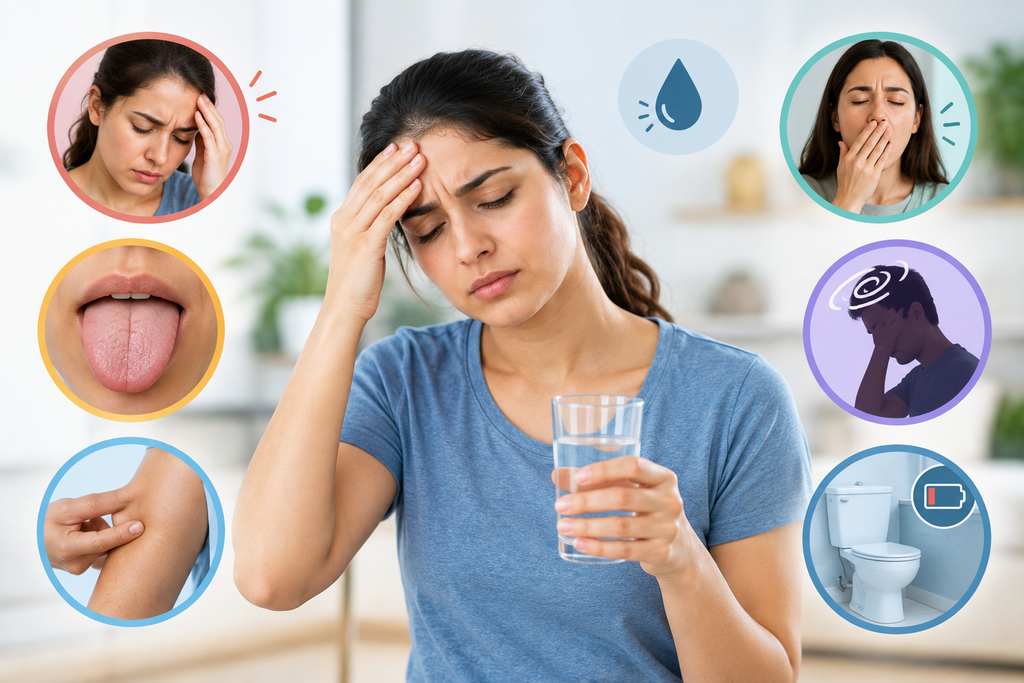
Dehydration occurs when your body loses more fluid than it takes in. Your body needs fluids to control temperature, support circulation, help digestion, and remove waste. Dehydration can happen from not drinking enough fluids, vomiting or diarrhea, heavy sweating, fever, illness, or increased urination. Common signs include thirst, dry mouth, dark urine, tiredness, dizziness, and urinating less than usual. Medical safety note: This article is for general information only and does not replace medical advice. Seek urgent medical care for confusion, fainting, very little or no urine, severe weakness, difficulty breathing, Disability to keep fluids down. What Is Dehydration? Dehydration means your body does not have enough fluid for its normal needs. Fluid is lost through urine, sweat, breathing, and bowel movements. When you are not drinking enough fluids to replace these losses, dehydration can develop. Mild dehydration may improve with fluids, while severe dehydration can affect blood pressure, kidney function, circulation, and mental alertness. What Are the Symptoms of Dehydration? Common symptoms include: Some people may also develop sunken eyes, especially with more significant fluid loss. Dehydration in Babies and Children Babies and young children have a higher risk of dehydration. Warning signs include: If a child cannot drink, has very little urine, is difficult to wake, or appears seriously ill, seek medical care promptly. What Causes Dehydration? Several situations can cause dehydration. Not Drinking Enough Not drinking enough water or other fluids is a common cause. Fluid needs may increase during hot weather, illness, or physical activity. Vomiting or Diarrhea Vomiting or diarrhea can cause the body to lose large amounts of water and Mineral salts. Severe or ongoing diarrhea can increase the risk of dehydration. Sweating and Fever Heavy sweating during exercise, physical work, or hot weather can increase fluid loss. Fever can also increase fluid needs. Increased Urination Some illnesses and medicines can increase urination. For example, diabetes may cause frequent urination and contribute to fluid loss. What Are the Risk Factors for Dehydration? The risk of dehydration may be higher in: People with heart or kidney conditions may have special fluid needs and should follow their healthcare professional’s advice. Can Dehydration Cause Fever, Diarrhea, or Nausea? Dehydration itself does not usually cause fever or diarrhea. More often, an illness causes fever or diarrhea, which can then lead to dehydration. Dehydration may be linked with nausea. Nausea can also make it difficult to drink enough fluids. If you can drink, take small sips regularly instead of drinking a large amount at once. Does Dehydration Cause High Blood Pressure? Dehydration does not usually cause high blood pressure. Significant fluid loss may reduce the amount of blood circulating in the body and can contribute to low blood pressure, dizziness, or a fast heartbeat. People with blood pressure, heart, or kidney conditions should ask their healthcare professional about the right amount of fluid for them. What Are the Complications of Dehydration? Untreated dehydration can become serious. Possible complications include: Mineral salts such as sodium and potassium help control fluid balance and support normal nerve and muscle function. How Is Dehydration Diagnosed? A healthcare professional may check your symptoms, medical history, urine, heart rate, blood pressure, and general condition. In more serious cases, blood or urine tests may be used to check electrolyte levels and kidney function. How Is Dehydration Treated? Treatment depends on the cause and severity. For mild to moderate dehydration, drinking enough fluids may help restore hydration. Water is suitable for many everyday situations. When vomiting or diarrhea causes significant fluid loss, oral rehydration solutions can help replace both fluids and Mineral salts. If severe dehydration develops, medical treatment may be needed. Some people may require fluids through an IV. How Can You Prevent Dehydration? Simple habits can help you stay hydrated: Your hydration levels can change throughout the day, so regular fluid intake is important. Can Fruit Juice Help With Dehydration? Fruit juice provides fluid, but it may not be the best choice when significant fluid and electrolyte losses occur. For dehydration caused by vomiting or diarrhea, an appropriate oral rehydration solution may be more useful because it is designed to replace both fluids and Mineral salts. When Should You Seek Medical Help? Seek urgent medical care if you have: Young children and older adults may need medical advice sooner because they can be more vulnerable to dehydration. Frequently Asked Questions What Is Dehydration? Dehydration occurs when your body loses more fluid than it takes in. What Are the Main Symptoms of Dehydration? Common symptoms include thirst, dry mouth, dark urine, tiredness, dizziness, headache, and reduced urination. What Is the Best Way to Treat Dehydration? For mild dehydration, drinking enough fluids may help. Oral rehydration solutions can help replace fluids and Mineral salts lost through vomiting or diarrhea. How Do You Prevent Dehydration? Drink fluids regularly, increase fluids during heat or physical activity, and eat water-rich fruits and vegetables. Can Dehydration Cause High Blood Pressure? Dehydration does not usually cause high blood pressure. Significant fluid loss may instead lower blood pressure. Key Takeaway Dehydration occurs when your body loses more fluid than it replaces. Thirst, dry mouth, dark urine, tiredness, dizziness, and reduced urination are common signs. You can help prevent dehydration by staying hydrated, drinking enough fluids, and increasing fluid intake when needed during heat, illness, or physical activity. For significant fluid loss from vomiting or diarrhea, oral rehydration solutions may help replace lost fluids and Mineral salts. Severe symptoms or an Inabilit to drink require prompt medical attention. This article is for general educational purposes only and does not replace professional medical advice, diagnosis, or treatment.
A Headache: 7 Essential Types, Causes & Treatments
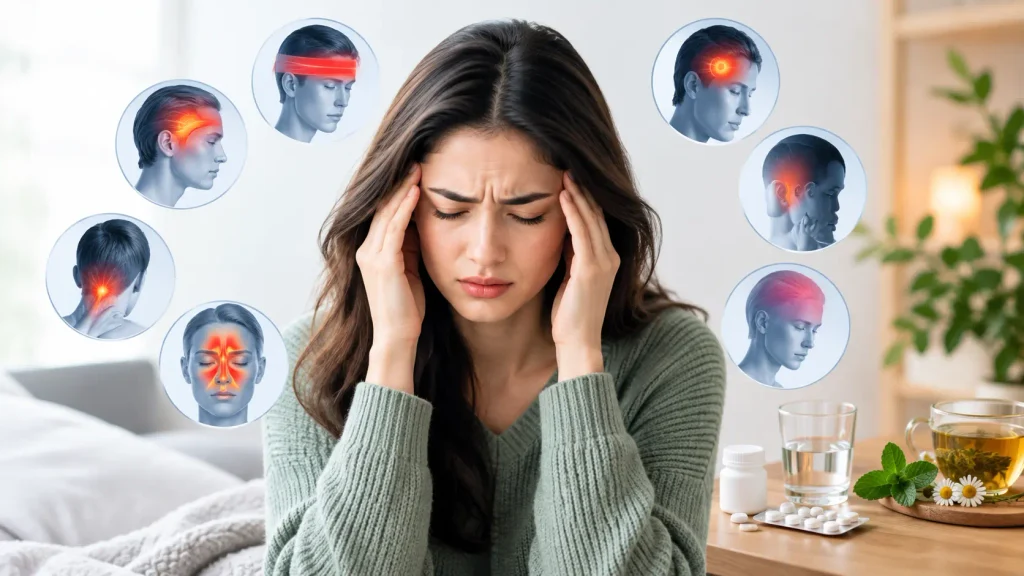
A headache is pain or discomfort in the head, scalp, or upper neck. It can feel like pressure, tightness, throbbing pain, or a dull ache. A headache may last for a short time or continue for several hours or longer, depending on its cause and type. Most headaches are not caused by a serious medical condition. However, frequent headaches, severe pain, or a sudden unusual headache may require medical evaluation. Understanding the common types, causes, symptoms, treatment options, and warning signs can help you know when to manage a headache at home and when to seek medical care. What Is a Headache? A headache occurs when pain-sensitive structures around the brain, head, face, or neck become irritated or activated. The brain itself does not contain pain-sensitive nerve endings, but surrounding tissues, nerves, blood vessels, muscles, and membranes can produce headache pain. A headache may affect one or both sides of the head. The location, intensity, duration, and associated symptoms can vary depending on the type of headache. What Are the Types of Headaches? Headaches are generally divided into primary headaches and secondary headaches. Primary Headaches Primary headache disorders occur when the headache itself is the main condition rather than a symptom of another illness. Common types include: Tension Type Headaches Tension type headaches are among the most common types of headache. They often cause a dull, pressing, or tightening sensation around the head. Muscle tension in the scalp, neck, shoulders, or jaw may contribute to this type of headache. Stress, poor posture, fatigue, and lack of sleep can also act as triggers. Migraine Headaches Migraine headaches can cause moderate to severe pain, often with throbbing or pulsating pain on one side of the head. A migraine may also cause nausea and increased sensitivity to light or sound. Some people experience an aura before or during a migraine. Aura can include temporary visual or sensory changes. A migraine attack may last several hours and, in some cases, up to 72 hours. Cluster Headaches Cluster headaches are severe headaches that occur in groups or “clusters.” The pain often develops around or behind one eye and may occur repeatedly over a period of days or weeks. Other symptoms may include a watery eye, nasal congestion, or redness around the affected eye. Other Primary Headache Disorders Other primary headache disorders include several less common conditions. Their symptoms and treatment can differ, so persistent or unusual headaches should be evaluated by a healthcare professional. Secondary Headaches Secondary headaches are caused by another condition or factor. Possible causes include infections, dehydration, medication effects, head injuries, sinus problems, or other medical conditions. A new headache that is unusually severe, sudden, or accompanied by neurological symptoms should receive prompt medical attention. What Is a Spinal Headache? A spinal headache can occur after certain procedures involving the spinal area. It is often worse when sitting or standing and may improve when lying down. If a severe or persistent headache develops after a medical procedure, contact the healthcare professional who performed it. What’s the Difference Between a Headache and a Migraine? A migraine is a specific type of headache disorder. Not every headache is a migraine. FeatureHeadacheMigrainePainMay be mild to moderateOften moderate to severeLocationOne or both sidesOften one sideSensationPressure or tightnessOften throbbing or pulsatingNauseaLess commonCommonLight sensitivityPossibleCommonSound sensitivityPossibleCommonDurationVariesMay last several hours or longer Because symptoms can overlap, a healthcare professional can help determine what type of headache you are experiencing. Who Do Headaches Affect? Headaches can affect people of different ages. Some people experience occasional headaches, while others develop frequent or recurring headaches. Factors such as stress, sleep problems, dehydration, skipped meals, illness, hormonal changes, and certain environmental triggers may increase the likelihood of headaches. If headaches become frequent or interfere with school, work, sleep, or everyday activities, medical evaluation may be helpful. What Is the Main Cause of a Headache? There is no single cause of every headache. Different headache types can have different causes and triggers. Common Headache Causes and Triggers Common triggers include: Keeping track of symptoms can help identify personal headache triggers. What Causes Frequent Headaches? Frequent headaches may be associated with ongoing stress, sleep problems, dehydration, recurring migraine, muscle tension, or frequent use of pain medicine. If headaches occur repeatedly or become more severe over time, speak with a healthcare professional rather than relying only on home treatment. What Are the Symptoms of a Headache? Headache symptoms depend on the type and cause. Common symptoms include: Symptoms of Migraine Migraine headaches may also cause: Symptoms can vary from person to person. How Are Headaches Evaluated and Diagnosed? Most headaches can be evaluated through a medical history and physical examination. Medical History and Physical Examination A healthcare professional may ask about: Headache Diary A headache diary can help identify patterns. You can record the date, time, duration, symptoms, possible triggers, sleep, meals, hydration, and any treatment used. When Are Imaging Tests Needed? Brain imaging is not necessary for every headache. A healthcare professional may recommend tests when symptoms are unusual, severe, sudden, or associated with other warning signs. How Do I Get Rid of a Headache? Many mild headaches improve with rest, hydration, and reducing exposure to possible triggers. Quick Ways to Relieve a Headache Depending on the type and cause, you may find relief by: If headaches keep returning, focus on identifying and managing the underlying triggers instead of repeatedly treating individual episodes. Headache Medicine and Treatment Treatment depends on the type, frequency, and cause of the headache. Over-the-Counter Pain Medicine Some people use over-the-counter pain medicine for occasional headaches. Common options include medicines such as acetaminophen or ibuprofen. Always follow the product directions and ask a healthcare professional or pharmacist if you are unsure whether a medicine is appropriate for you. Prescription Headache Treatment People with frequent or severe migraine headaches may need prescription treatment or a long-term prevention plan. A healthcare professional can recommend treatment plans based on symptoms, frequency, triggers, and medical history. Medication-Overuse Headaches Using pain medicine too frequently can contribute
Asthma: Symptoms, Causes, Types, Treatment & Management
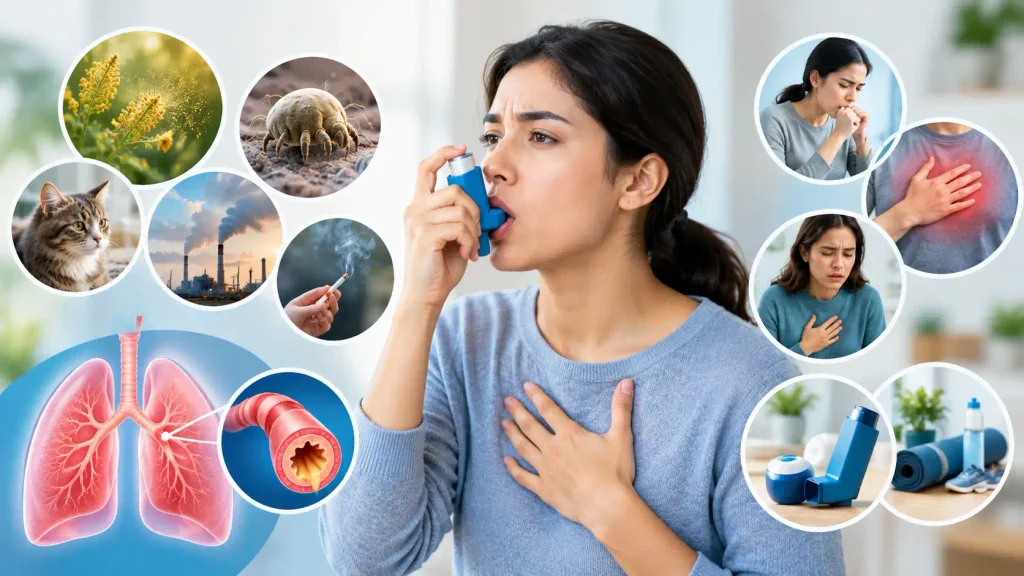
Asthma is a long-term condition that affects the airways in the lungs. The airways can become inflamed and narrowed, which can make it harder for air to move through them. Asthma symptoms may come and go and can become worse after exposure to certain triggers. Common asthma symptoms include wheezing, coughing, shortness of breath, and chest tightness. Symptoms can vary from person to person and may become worse during respiratory infections, after exercise, with allergies, or in cold air. Although there is no cure for asthma, treatment and an individualized asthma action plan can help control symptoms and manage flare-ups. What Is Asthma? Asthma is a chronic condition that affects the airways, which are the tubes that carry air in and out of the lungs. In people with asthma, the airways can become inflamed and narrowed. The muscles around the airways may also tighten, and the airways can produce more mucus. These changes can make breathing more difficult. Asthma symptoms do not always occur continuously. They may come and go over time or within the same day. Different people can have different symptoms and triggers, so asthma management is generally tailored to the individual. Types and Patterns of Asthma Asthma can occur in different patterns and may be associated with particular situations or triggers. Rather than treating these as completely separate diseases, healthcare professionals may describe asthma according to its pattern or the circumstances in which symptoms occur. Allergic Asthma Allergic asthma is associated with allergens such as pollen, dust mites, and mold. Symptoms can become worse when a person is exposed to allergens that trigger their asthma. Exercise-Induced Asthma Some people develop asthma symptoms during or after physical activity. Exercise can trigger or worsen symptoms, although people with asthma may still be able to remain physically active when their condition is appropriately managed. Occupational Asthma Occupational asthma develops or becomes worse because of exposures in the workplace. Possible workplace triggers include dust, mold, chemicals, fumes, and other substances. Adult-Onset Asthma Some people do not develop noticeable asthma symptoms until adulthood. This is known as adult-onset asthma. The exact causes of asthma can differ from person to person. Symptoms of Asthma Common symptoms of asthma include: Asthma symptoms may follow certain patterns. They can start or become worse during viral infections such as a cold, after exercise, with allergies, or in cold air. Other conditions can cause similar symptoms, so these symptoms alone cannot confirm that someone has asthma. What Causes Asthma? The exact causes of asthma are not fully known and may differ between individuals. Researchers recognize that different factors can affect how the lungs develop and how the body responds to substances or infections. Asthma can begin during childhood, although some people do not develop noticeable symptoms until adulthood. It is important to distinguish causes from triggers. A trigger is something that sets off asthma symptoms or makes existing symptoms worse. A trigger does not necessarily mean that it caused the person to develop asthma. Common Asthma Triggers Asthma triggers vary from person to person. Common triggers include: Certain medicines, acid reflux, and weather conditions can also trigger symptoms in some people. Identifying personal triggers can help people work with a healthcare professional on an appropriate asthma management plan. What Is an Asthma Attack? An asthma attack, also called an asthma flare-up, occurs when asthma symptoms become worse. During an attack, the airways can become more narrowed and inflamed, making breathing more difficult. Warning signs can include worsening coughing, wheezing, chest tightness, and shortness of breath. An asthma action plan can explain how to recognize worsening symptoms, which medicines to use, and when medical care is needed. When Is Asthma an Emergency? A serious asthma attack can require urgent medical attention. Follow the person’s prescribed asthma action plan when symptoms become worse. Emergency care may be necessary when symptoms do not improve soon after using prescribed at-home medicine or when the asthma attack is serious. Severe breathing difficulty can require treatment in an emergency department. People with asthma should discuss their emergency instructions with a healthcare professional and keep their written asthma action plan available. How Is Asthma Diagnosed? Asthma diagnosis usually involves looking at symptoms, medical history, and physical examination. Healthcare professionals may also use lung-function tests to assess breathing. Spirometry is commonly used to measure how much air a person can breathe out and how quickly they can do so. Peak-flow measurements may also be used in some situations. Allergy testing or other tests may be considered when needed to identify contributing factors or investigate other possible causes of breathing symptoms. Because other conditions can cause coughing, wheezing, or breathing difficulties, symptoms should be evaluated by a healthcare professional rather than being assumed to be asthma. Asthma Treatment and Management Asthma treatment depends on factors such as the person’s symptoms, age, how serious the condition is, and how they respond to medicines. Treatment aims to control symptoms and reduce asthma attacks. Quick-Relief Medicines Quick-relief or reliever medicines can help ease symptoms during an asthma attack. Some reliever medicines work by opening narrowed airways so that air can flow more easily. People who use an inhaler should learn the correct technique because using an inhaler incorrectly can affect how well the medicine works. A healthcare professional can provide instructions based on the prescribed inhaler. Long-Term Control Medicines Some people need regular controller medicines to help prevent symptoms and asthma attacks. Inhaled corticosteroids are among the medicines used for long-term asthma control because they reduce inflammation in the airways. Other treatments may be prescribed depending on the person’s asthma and response to treatment. Medicines should be taken according to the treatment plan provided by a healthcare professional. How Can You Reduce Asthma Symptoms? Managing asthma involves understanding personal triggers, following the prescribed treatment plan, and monitoring symptoms. Helpful parts of asthma management may include: Some people may also use a peak-flow meter as part of their asthma action plan. Keeping a record of peak-flow readings and asthma
Eczema: Symptoms, Causes & Treatment
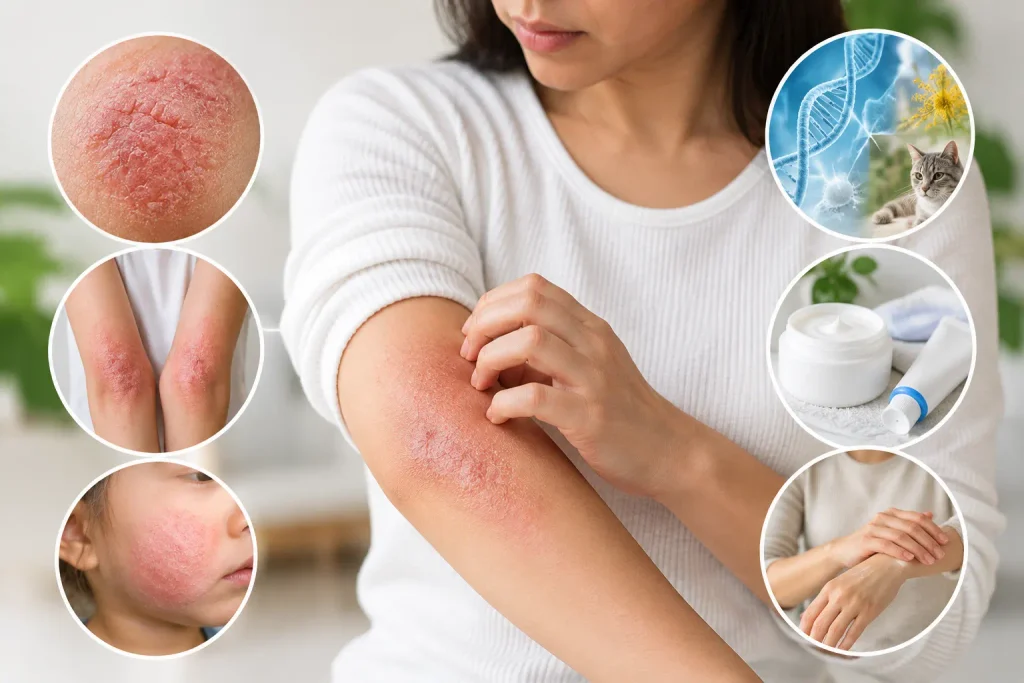
Eczema, also called atopic dermatitis, is a common skin condition that causes dry, itchy, and inflamed skin. It usually begins during childhood, although it can develop at any age. Eczema is a long-lasting condition that can flare up and then improve for periods of time. It is not contagious and cannot spread from one person to another. It can look different from one person to another. Depending on skin tone, Its rash may appear red, brown, purple, gray, or darker than the surrounding skin. The skin may also become dry, scaly, swollen, cracked, thickened, or develop areas that ooze and crust. This guide explains what eczema is, what causes atopic dermatitis, common symptoms and triggers, how it is diagnosed, available treatment options, and when medical advice may be needed. What Is Eczema (Atopic Dermatitis)? Eczema is a general term used for a group of conditions that can cause itchy, dry, and irritated skin. Atopic dermatitis is one type of eczema and is the most common type. When people use the word “eczema,” they are often referring to atopic dermatitis. Atopic dermatitis involves the skin barrier, immune system, genes, and environmental factors. The skin barrier normally helps retain moisture and protects the skin from substances in the environment. In people with atopic dermatitis, the skin barrier may not work as effectively, which can contribute to dryness, irritation, and inflammation. Atopic dermatitis is not contagious. You cannot catch it from another person through normal physical contact. Is Atopic Dermatitis the Same as Eczema? The terms are closely related, but they do not mean exactly the same thing. Its refers to a group of skin conditions. Atopic dermatitis is one specific type of eczema. Other types of eczema include conditions such as contact dermatitis and stasis dermatitis. These conditions can have different causes and may require different approaches to treatment. Understanding this distinction is useful when researching symptoms or treatment because information about one type of eczema may not apply to every form of dermatitis. What Are the Symptoms of Eczema? The most recognizable symptom of atopic dermatitis is itchy skin. The American Academy of Dermatology describes atopic dermatitis as an “itch that rashes” because itching can be an early and prominent feature of the condition. Common symptoms include: Symptoms can vary significantly from person to person. Some people may have only a few affected areas, while others may have inflammation over larger areas of the body. What Does an Eczema Rash Look Like? An eczema rash does not look identical on every skin tone. On lighter skin, it may appear red or pink. On darker skin, eczema may appear as brown, purple, gray, or darker areas of skin. Small rough bumps may also be more noticeable, and inflammation does not always appear bright red. Because It can resemble other skin conditions, the appearance of a rash alone should not always be used to make a diagnosis. Where Does Eczema Appear on the Body? Atopic dermatitis can occur on different parts of the body, and the areas affected can vary with age. In babies and young children, eczema commonly appears on areas such as the: In older children and adults, it commonly affects areas where the skin bends, including: It can also occur on other parts of the body. Eczema does not always appear in exactly the same location for every person. What Causes Eczema to Start? There is no single explanation for why every person develops atopic dermatitis. The American Academy of Dermatology explains that genes, the immune system, and substances that come into contact with the skin can all play a role. Skin Barrier The outer layer of the skin acts as a protective barrier. It helps keep moisture in the skin and helps protect against substances from the environment. When this barrier is weakened, more moisture can escape, contributing to dry skin. Irritating substances can also enter the skin more easily and contribute to inflammation. Genetics Genetic factors can increase the likelihood of developing atopic dermatitis. A family history of atopic dermatitis or allergic conditions such as asthma or hay fever is associated with a higher risk. Having a family history does not mean that someone will definitely develop eczema. It is one factor among several involved in the condition. Immune-System Activity The immune system is also involved in atopic dermatitis. A weakened skin barrier can be associated with an immune response that contributes to inflamed skin and other eczema symptoms. What Triggers Eczema Flare-Ups? A trigger is something that can cause eczema symptoms to become worse. Triggers are not exactly the same for everyone. Common triggers identified by dermatology and medical sources include: The American Academy of Dermatology notes that different people can have different triggers, and some people may not be able to identify a specific trigger at all. This distinction between cause and trigger is important. A trigger may worsen eczema symptoms, but avoiding one particular trigger does not necessarily remove the underlying condition. Can Stress Make Eczema Worse? Stress is listed among the potential triggers of atopic dermatitis. This means that periods of stress may be associated with flare-ups for some people. However, stress should not be treated as the sole explanation for eczema. Atopic dermatitis involves multiple factors, including the skin barrier, genetics, immune activity, and environmental influences. Do Certain Foods Trigger Eczema? Food and eczema can be a complicated subject, particularly in children. The Mayo Clinic notes that infants and children may have flares associated with certain foods, including eggs and cow’s milk, and recommends discussing possible food allergies with a child’s healthcare provider. At the same time, atopic dermatitis is not simply caused by one particular food. Food allergies and eczema can occur together, but that does not mean that every person with eczema needs to avoid specific foods. If you suspect that a food is related to symptoms, discuss the concern with a healthcare professional rather than making major dietary changes without guidance. Is Eczema an Autoimmune Disease? Atopic dermatitis involves
Non-Infectious Diseases: Types, Causes, Risk Factors & Prevention
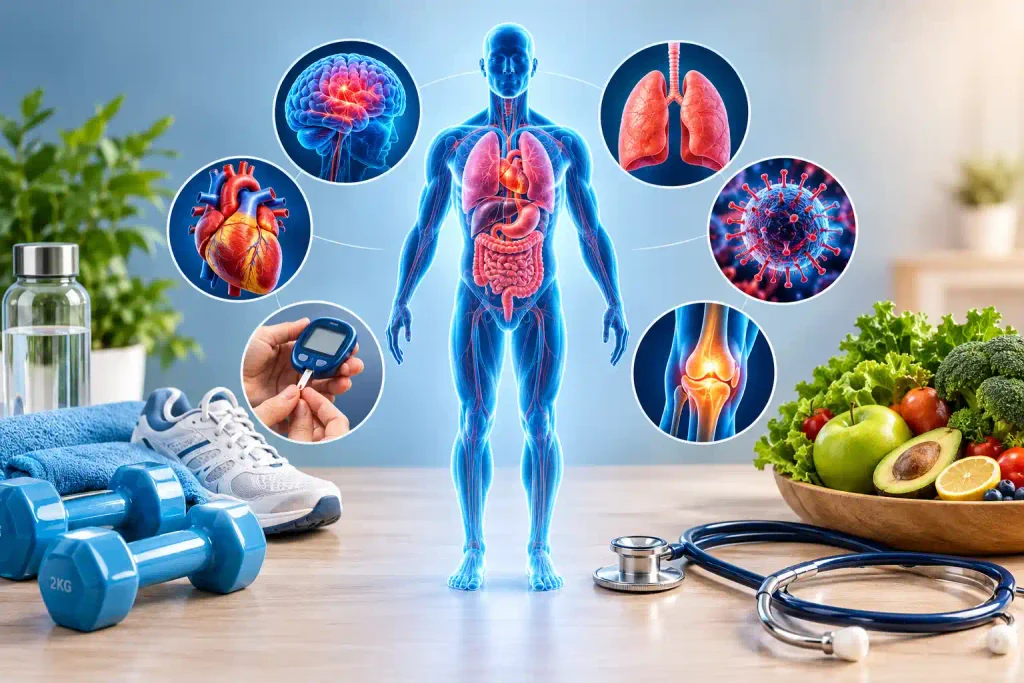
Non-infectious diseases are health conditions that do not usually spread from one person to another. They are also called noncommunicable diseases (NCDs). The World Health Organization (WHO) identifies four major groups of NCDs: These are often chronic diseases that can last for a long time. They may be linked to genetic, physical, behavioral, and environmental factors. Understanding NCD risk factors can help people make healthier choices and support disease prevention. What Are Non-Infectious Diseases? A non-infectious disease is a medical condition that does not usually spread directly from one person to another. NCDs can develop because of several factors. These may include genetics, physical health, daily habits, and the environment. Some risk factors cannot be changed. Others can be reduced through healthy lifestyle choices and preventive care. Four Major Types of NCDs 1. Cardiovascular Diseases Cardiovascular diseases affect the heart and blood vessels. They are one of the four major NCD groups identified by WHO. Several factors can increase the risk of these conditions, including: These are important NCD risk factors. Addressing factors that can be changed is an important part of NCD prevention. 2. Cancers Cancers are another major group of noncommunicable diseases. Cancer risk can be affected by genetic, physical, behavioral, and environmental factors. Tobacco use is one important risk factor. For some cancers and other health conditions, health screening may help with early detection. In the United States, screening recommendations depend on the condition and the population. 3. Chronic Respiratory Diseases Chronic respiratory diseases affect the lungs and airways. They are another major group of NCDs. Tobacco use is an important risk factor. Exposure to tobacco smoke can also affect health. Environmental factors can play a role as well. Air pollution is an important environmental risk factor linked with NCDs. Reducing exposure to harmful factors where possible can support disease prevention. 4. Diabetes Diabetes is the fourth major NCD group listed by WHO. Raised blood glucose is one of the important metabolic risk factors linked with NCDs. Other metabolic risk factors include: These factors can increase the risk of several chronic diseases. What Causes Non-Infectious Diseases? There is no single cause of all NCDs. Several factors can affect a person’s risk. Behavioral Risk Factors The main behavioral risk factors include: The Centers for Disease Control and Prevention (CDC) also identifies smoking, poor nutrition, physical inactivity, and excessive alcohol use as important risk factors for chronic diseases in the United States. Changing unhealthy habits can support NCD prevention and overall disease prevention. Metabolic Risk Factors WHO identifies several metabolic risk factors, including: These factors can affect the risk of noncommunicable diseases. Eating a healthy diet, staying active, and maintaining a healthy body weight can support overall health. Environmental Risk Factors Environmental risk factors can also affect health. One important example is air pollution. Exposure to polluted air can increase health risks. Other environmental factors may also affect health. Reducing harmful exposure where possible is part of disease prevention. Can Non-Infectious Diseases Be Prevented? Some NCD risk factors can be reduced. This is an important part of NCD prevention. The CDC recommends several steps that can support chronic disease prevention, including: These steps can help reduce some health risks. However, not every risk factor can be controlled. Genetic, physical, behavioral, and environmental factors can all play a role. Health Screening and Early Detection Health screening is used to check for certain diseases and health problems. It can help with early detection in some cases. Screening is not the same for everyone. Recommendations can vary based on the condition and population. In the United States, the U.S. Preventive Services Task Force (USPSTF) provides recommendations for many preventive services. People should use current screening guidance and discuss their individual needs with a qualified healthcare professional. Prevention and Treatment There is no single treatment for all non-infectious diseases. Treatment depends on the specific medical condition. Prevention, screening, and treatment all have an important role in addressing NCDs. Healthy habits can help reduce some risks. People who have a diagnosed condition should follow advice from a qualified healthcare professional. Frequently Asked Questions What are non-infectious diseases? Non-infectious diseases are health conditions that do not usually spread from one person to another. They are also known as noncommunicable diseases. What are the four major types of NCDs? WHO identifies four major groups: cardiovascular diseases, cancers, chronic respiratory diseases, and diabetes. What are the main NCD risk factors? Important NCD risk factors include tobacco use, physical inactivity, unhealthy diet, harmful alcohol use, raised blood pressure, overweight and obesity, raised blood glucose, abnormal blood lipid levels, and air pollution. Can non-infectious diseases be prevented? Some risks can be reduced through healthy habits. Avoiding tobacco, eating a healthy diet, staying physically active, and using preventive care can support disease prevention. Is health screening important? Screening is used for certain diseases and health conditions. It may help with early detection. Recommendations vary by condition and population. Final Takeaway Non-infectious diseases, also called noncommunicable diseases, are often long-term health conditions. WHO identifies four major groups: cardiovascular diseases, cancers, chronic respiratory diseases, and diabetes. Important NCD risk factors include tobacco use, physical inactivity, unhealthy diet, harmful alcohol use, raised blood pressure, overweight and obesity, raised blood glucose, abnormal blood lipid levels, and air pollution. Healthy habits, preventive care, and health screening can support NCD prevention and disease prevention. In the United States, the CDC and USPSTF provide information and recommendations that can help people make informed choices about preventive healthcare.
Chronic Cough Causes : 10 Reasons & Effective Relief Tips

A chronic cough can be frustrating, especially when it continues after a cold or infection has cleared. Understanding the chronic cough causes can help identify what may be triggering the cough. A persistent cough may disturb sleep, cause a sore throat, and leave you tired during the day. If you have a cough that won’t go away, finding the cause is more useful than simply trying to stop the cough. A cough is a natural cough reflex that helps clear the airways. However, a long-lasting cough can happen when the airways remain irritated or another condition keeps triggering that reflex. Understanding the causes of chronic cough can help you know when to try simple measures and when to seek medical care. Quick Overview Question Short Answer What is a chronic cough? A cough lasting more than about 8 weeks in adults Common causes Postnasal drip, asthma, and acid reflux Other causes Smoking, infections, medications, allergies, and lung diseases Helpful clues Timing, triggers, mucus, and other common symptoms When to seek care Chest pain, weight loss, coughing up blood, or breathing problems 10 Common Chronic Cough Causes 1. Postnasal Drip Postnasal drip occurs when mucus from the nose or sinuses moves down the back of the throat. It can trigger repeated coughing and throat-clearing. Allergies and common colds are frequent triggers. 2. Cough-Variant Asthma Asthma does not always cause wheezing. Cough-variant asthma can mainly cause a dry, ongoing cough. Symptoms may become worse at night, during exercise, or when breathing cold air. 3. Acid Reflux Acid reflux can irritate the throat and airways and cause a reflux-related cough. Gastroesophageal reflux disease (GERD) may sometimes cause coughing without obvious heartburn. A cough that becomes worse after meals or while lying down can be a useful clue. 4. Post-Infection Cough A post-infection cough can remain after a respiratory infection has cleared. The airways may stay sensitive for several weeks. This type of lingering cough often improves gradually. 5. Smoking-Related Cough Smoking directly irritates the airways and can lead to a smoking-related cough. Long-term smoking also increases the risk of conditions such as chronic bronchitis and chronic obstructive pulmonary disease. 6. ACE Inhibitors Some blood pressure medicines called ACE inhibitors can cause a persistent, dry cough. If coughing started after a new medicine was prescribed, discuss possible side effects with your doctor. Do not stop a prescribed medicine without medical advice. 7. Lung Diseases Several lung diseases can cause ongoing coughing. Chronic bronchitis and chronic obstructive pulmonary disease (COPD) may cause a productive cough that brings up mucus. COPD stands for obstructive pulmonary disease COPD, commonly referred to as chronic obstructive pulmonary disease. 8. Allergies and Irritants Dust, pollen, pet dander, pollution, smoke, and chemical fumes can irritate the airways. Ongoing exposure may keep the cough reflex active, particularly in people who are sensitive to these triggers. 9. Whooping Cough and Other Infections Whooping cough and some other infections can cause a cough that lasts for many weeks. The likelihood of infection depends on symptoms, exposure, vaccination history, and other risk factors. 10. Less Common Serious Causes Most chronic coughs have manageable causes, but some may be linked to more serious conditions. A cough accompanied by chest pain, unexplained weight loss, breathing problems, or coughing up blood needs medical assessment. Dry or Productive Cough? A dry coughing pattern produces little or no mucus and may occur with asthma, reflux, medication use, allergies, or irritation after an infection. A productive cough brings up mucus or phlegm. It can occur with chronic bronchitis, COPD, bronchiectasis, or certain infections. The amount and appearance of mucus can provide useful information for a healthcare professional. Treatment Options and Home Remedies The right treatment options depend on the cause. For postnasal drip, saline nasal rinses may help clear mucus. If reflux is contributing to the cough, eating smaller meals and avoiding lying down soon after eating may help. For general throat irritation, drinking enough fluids and using warm drinks can provide comfort. Honey may soothe coughing in adults and children over one year old. Avoiding cigarette smoke, pollution, and other known irritants can also reduce airway irritation. Home remedies may provide temporary relief, but they do not always treat the underlying problem. Cough suppressants may also have limited value when the cough is caused by an ongoing condition. When Should You See a Doctor? Consider speaking with a primary care professional if your cough lasts more than eight weeks, affects your sleep, interferes with daily activities, or begins after starting a new medication. Seek prompt medical attention if you develop chest pain, coughing up blood, unexplained weight loss, persistent breathing difficulty, prolonged hoarseness, fever, or difficulty swallowing. Frequently Asked Questions What are the most common chronic cough causes? Common causes include postnasal drip, asthma, acid reflux, post-infection irritation, smoking, certain medicines, allergies, and chronic lung conditions. Can GERD cause a persistent cough? Yes. Gastroesophageal reflux disease (GERD) can trigger a reflux-related cough, sometimes even without typical heartburn. Why does my cough get worse at night? Night-time coughing can occur with asthma, postnasal drip, or acid reflux. Lying down may make mucus drainage or reflux more noticeable. Can a chronic cough go away? Yes. When the underlying cause is identified and treated, many persistent coughs improve. A cough lasting longer than eight weeks should be assessed to determine why it continues. Medical Disclaimer: This article is for general educational purposes and is not a substitute for professional medical advice, diagnosis, or treatment. Seek medical care for a persistent cough or any concerning symptoms.
Chronic Diseases: Definition, Examples, Causes and Management

Chronic diseases are health conditions that last for a long time. Many require regular care and treatment. They can affect different parts of the body, including the heart, lungs, kidneys, and joints. Examples include diabetes, heart disease, asthma, arthritis, chronic kidney disease, and chronic breathing diseases. Each condition is different, so its symptoms, causes, treatment, and care can also differ. This guide explains chronic health conditions, their risk factors, prevention, and management. It also answers common questions about chronic conditions and long-term health conditions. What Are Chronic Diseases? Chronic diseases are health conditions that continue for a long time. Some people need ongoing medical care to manage them. The Centers for Disease Control and Prevention (CDC) provides information about chronic diseases, including risk factors, prevention, and management. These conditions are an important public health concern in the United States. Different health organisations cover different diseases. The National Institute of Diabetes and Digestive and Kidney Diseases (NIDDK) provides information about diabetes and chronic kidney disease. The National Heart, Lung, and Blood Institute (NHLBI) covers heart and lung conditions. The National Institute of Arthritis and bone, joint, and muscle conditions and Skin Diseases (NIAMS) covers arthritis and other bone, joint, and muscle conditions. Because each disease is different, treatment and care depend on the specific condition. Examples of Chronic Diseases There are many types of chronic conditions. Examples include: ConditionHealth area Diabetes Metabolic health Heart diseaseHeart health Asthma breathing diseases health Arthritis Joints and muscles Chronic kidney disease Kidney health Chronic breathing diseases Lung and respiratory health Some respiratory diseases include chronic obstructive pulmonary disease, also called COPD. Asthma is another respiratory condition covered by major health organisations. These examples show that chronic health conditions can affect different parts of the body. Each condition may need a different approach to care. What Are Chronic Disease Risk Factors? Chronic disease risk factors are factors linked to a higher chance of developing certain health problems. They can vary between diseases. For example, factors linked to a respiratory condition may differ from those linked to diabetes or kidney disease. Some factors can also increase the risk of more than one health problem. The CDC provides information about risk factors related to chronic diseases. Learning about these factors can help people understand their health and possible prevention steps. A person’s age, lifestyle, and other factors may affect their risk of some conditions. However, risk depends on the specific disease and the person. Having a risk factor does not mean that someone will definitely develop a disease. What Are the Symptoms of Chronic Diseases? There is no single list of symptoms for all chronic diseases. Different conditions affect the body in different ways. For example, symptoms linked to asthma may differ from those linked to arthritis, diabetes, heart disease, or chronic kidney disease. Some people may have symptoms that need medical attention, while others may need regular checks to monitor an existing condition. If you have new or ongoing health problems, seek appropriate medical care. Information about symptoms should always relate to the specific condition. How Are Chronic Diseases Diagnosed? The diagnosis process depends on the disease. There is no single test that can diagnose every chronic condition. The evaluation used depends on the health problem being considered. NHLBI provides information about diagnosis for heart and lung conditions. NIDDK covers conditions such as diabetes and chronic kidney disease. NIAMS provides information about arthritis and other bone, joint, and muscle conditions. Early detection can be important for some health conditions. If you are concerned about symptoms or a possible chronic disease, speak with a healthcare professional. What Is Chronic Disease Management? Chronic disease management means caring for a long-term condition over time. The type of care depends on the disease and the person’s health needs. Some people may need medicines, regular medical visits, lifestyle changes, or other forms of care. Treatment plans should be based on the specific condition. Medical Care and Treatment Some chronic illnesses require medical treatment. The type of treatment depends on the condition. NIDDK provides information about diabetes and chronic kidney disease (CKD). NHLBI covers heart and lung conditions. NIAMS provides information about arthritis and other bone, joint, and muscle conditions. People should follow the treatment plan provided for their specific condition. Ongoing Care Some long-term health conditions need regular monitoring and care. The care required by a person with diabetes may be different from that needed for asthma, arthritis, heart disease, or kidney disease. Condition-specific information can help people understand their disease and available care. What Is Chronic Disease Prevention? Chronic disease prevention focuses on reducing the risk of chronic health problems. The CDC includes prevention as part of its public health work. Prevention steps can differ between diseases. A step that helps reduce the risk of one condition may not have the same effect on another. A healthy lifestyle may be part of a broader approach to health. Diet and physical activity are often included in public health guidance. However, lifestyle advice should fit a person’s health needs. For example, diet advice may include limiting foods high in saturated fats, depending on the health goal and condition. Prevention cannot remove every possible risk. Some factors linked to chronic diseases cannot be changed. Chronic Diseases and Mental Health Chronic health conditions can affect daily life. They may affect work, sleep, activities, or emotional well-being. Mental health is also part of overall health. People living with chronic illnesses may have concerns about their condition or long-term treatment. If a chronic health problem affects your daily life or well-being, discuss your concerns with a healthcare professional. Living With Chronic Conditions Living with chronic conditions may require ongoing attention to health needs. The care needed for diabetes can differ from the care needed for asthma, arthritis, heart disease, or chronic kidney disease. This is why information should match the specific condition. The CDC provides general information about chronic diseases. NIDDK, NHLBI, NIAMS, and CDC respiratory resources provide information about specific health areas. People should use
Skin Disease Psoriasis: Essential Symptoms, Causes & Treatment

Skin Disease Psoriasis that causes dry, scaly, or raised areas on the skin. This psoriasis skin condition can affect different parts of the body and may come and go over time. Understanding psoriasis symptoms, psoriasis causes, and treatment options can help you manage this common skin problem. What Is Skin Disease Psoriasis? Psoriasis is a chronic skin disease linked to an overactive immune system. It can cause skin cells to build up and form thick, scaly areas. Psoriasis can affect people in different ways. Some people have small areas of affected skin, while others have symptoms over larger areas. The American Academy of Dermatology and National Psoriasis Foundation provide information about psoriasis, its symptoms, triggers, and treatment. Skin Disease Psoriasis Symptoms and Skin Problems The psoriasis skin symptoms can vary from person to person. Common psoriasis symptoms include: One of the main signs of psoriasis is a raised patch covered with scales. These are often called psoriasis plaques. Psoriasis can look different on different skin tones. Some people may develop red patches on skin psoriasis, while others may notice darker or lighter areas. Itchy skin psoriasis can cause discomfort. Dry skin psoriasis may also become irritated or cracked. If you have a lasting rash or unusual skin changes, see a healthcare professional for an accurate diagnosis. What Causes Skin Disease Psoriasis? There is no single answer to what causes psoriasis. The condition involves the immune system and may also be linked to genetics and other factors. An overactive immune system can affect normal skin-cell growth. This can lead to a buildup of skin cells on the skin. Having a family history of psoriasis may also mean a higher risk of developing it. Some factors can trigger a psoriasis flare. Triggers vary between people and may include stress, skin injuries, infections, and some medicines. An infection such as strep throat may be linked with guttate psoriasis in some people. Types of Psoriasis There are several types of psoriasis, and they can affect the skin in different ways. Plaque Psoriasis Plaque psoriasis is the most common type. It causes raised areas covered with scales called psoriasis plaques. Guttate Psoriasis Guttate psoriasis can cause many small spots or patches. It may develop after certain infections, including strep throat. Inverse Psoriasis Inverse psoriasis affects skin folds, such as the armpits and groin. Pustular Psoriasis Pustular psoriasis causes pus-filled bumps on affected areas of skin. Erythrodermic Psoriasis Erythrodermic psoriasis is a rare and serious type that can affect large areas of skin. Widespread or rapidly changing symptoms need prompt medical attention. Nail Psoriasis Psoriasis can affect the nails. Changes in the nails may be a sign of nail psoriasis. Where Can Skin Disease Psoriasis Affect the Body? Psoriasis can affect the scalp, elbows, knees, hands, feet, nails, and skin folds. The location and severity can vary. Some people have symptoms in one area, while others have psoriasis in several areas. Psoriasis may also be linked with joint symptoms. If you have ongoing joint pains, stiffness, or swelling, speak with a healthcare professional. How Is Psoriasis Diagnosed? A healthcare professional can usually diagnose psoriasis by examining the skin and nails and asking about your symptoms and medical history. Other skin conditions can look like psoriasis. A professional diagnosis can help identify the correct cause of a skin rash. Psoriasis Treatment Options There is no single treatment that works for everyone. Treatment options depend on the type and severity of psoriasis. They may include: A dermatologist can recommend a treatment plan based on your condition. Living With Psoriasis Psoriasis is a chronic condition that can continue over the long term. Symptoms may improve and then return. Gentle skin care can help protect affected areas. Following your treatment plan and learning your personal triggers may also help you manage symptoms. Seek medical advice if symptoms become severe, widespread, painful, or suddenly worse. Final Thoughts Psoriasis is a psoriasis skin disease that can cause patches, scaling, itching, dryness, and other psoriasis skin problems. Understanding psoriasis causes and symptoms can help you recognise changes and seek appropriate care. If you have ongoing psoriasis skin symptoms, speak with a healthcare professional for diagnosis and treatment advice. The American Academy of Dermatology and National Psoriasis Foundation are useful sources of psoriasis information. Frequently Asked Questions What are the common signs of psoriasis? Common signs include raised or thickened skin, scaling, dryness, itching, and psoriasis patches. Nail changes can also occur. What causes psoriasis? Psoriasis causes can involve the immune system, genetic factors, and different triggers. There is no single cause for everyone. Is psoriasis contagious? No. Psoriasis does not spread from one person to another through normal physical contact. Can psoriasis affect the nails? Yes. Psoriasis can affect the nails and cause nail changes. A healthcare professional can assess these changes.