10 Herbal Remedies and Their Uses: Benefits and Safety
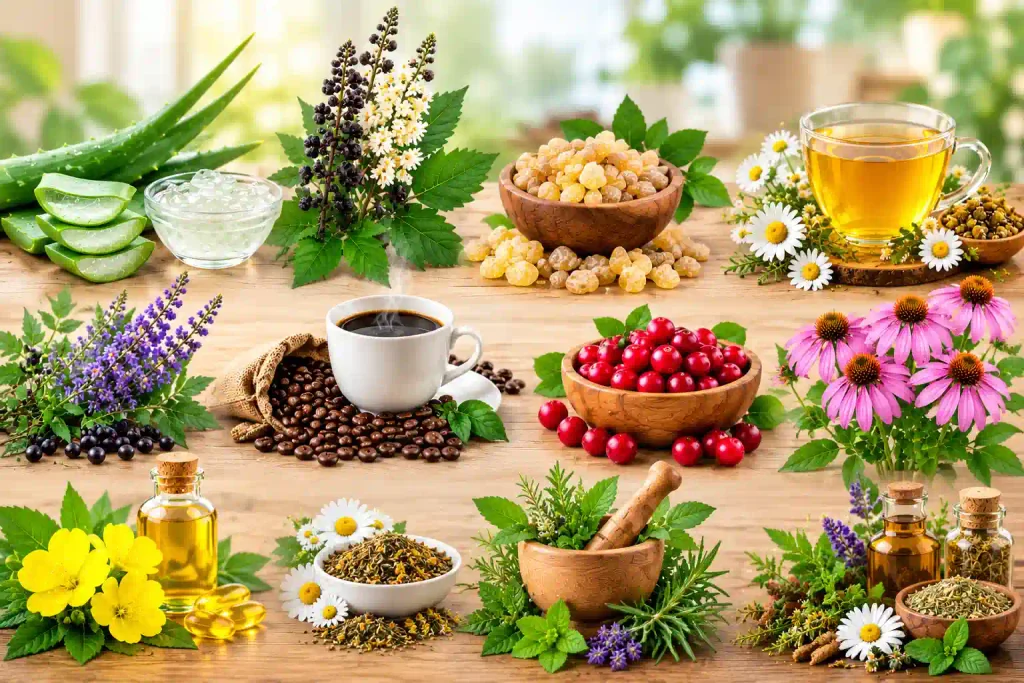
Herbal remedies and their uses vary from skin care to support for common health problems. Some herbs may help ease certain symptoms, while others have limited scientific evidence. Examples include aloe vera, chamomile, cranberry, and echinacea. Herbal products are not always safe for everyone. They may cause side effects or interact with medicines. Learn about these 10 herbal remedies, their common uses, and the safety steps to follow. What Are Herbal Remedies? Herbal remedies are products made from plants. They may come as teas, oils, creams, capsules, or extracts. People use them for many reasons, such as skin care, digestion, and symptom relief. However, a traditional use does not always mean a remedy works. Research also varies from one herb to another. It is important to check the evidence before using any herbal product. 1. Aloe Vera for Skin Care Aloe vera is a plant often used in skin care products. Its clear gel is found in many creams and lotions. Some products containing aloe vera may help soothe minor skin irritation. However, evidence for treating burns depends on the product and the type of burn. Do not rely on aloe vera for serious burns or deep wounds. Seek medical advice if a burn is severe or shows signs of infection. 2. Black Cohosh for Menopause Symptoms Black cohosh is an herbal product used by some people to manage menopause symptoms, such as hot flashes. Research results are mixed. Some studies suggest it may help with overall menopause symptoms, but the evidence is not clear for every symptom. Rare reports have linked black cohosh products to liver problems. Talk to a healthcare professional before using it, especially if you take medicines or have a liver condition. 3. Boswellia for Joint Discomfort Boswellia is an extract made from the resin of a tree. It is often used in herbal products for joint pain and inflammation. Some small studies suggest that boswellia may help ease pain from osteoarthritis. However, larger and better studies are needed to confirm its effects. Boswellia may also interact with medicines. Ask a healthcare professional before taking it as a supplement. 4. Chamomile for Digestive Discomfort Chamomile is commonly used to make herbal tea. Many people drink it to relax or ease mild digestive discomfort. However, strong evidence for chamomile alone is limited for many health conditions. Some studies have tested products that contain chamomile along with other ingredients. Chamomile tea is generally safe for many adults. People allergic to plants such as daisies may have an allergic reaction. It may also interact with some medicines. 5. Chaste Tree for PMS Symptoms Chaste tree, also called chasteberry, is used in some herbal products for premenstrual syndrome (PMS). Some studies suggest it may ease symptoms such as breast tenderness. However, more high-quality research is needed. It may not be suitable for people with certain hormone-sensitive conditions. People who are pregnant, breastfeeding, or taking hormone-related medicines should seek medical advice before using it. 6. Coffee for Alertness Coffee comes from the seeds of the coffee plant. It is not usually classed as a medicinal herb, but it is a widely used plant-based product. Coffee contains caffeine, which can increase alertness and help people feel less tired for a short time. Too much caffeine may cause sleep problems, anxiety, or a fast heartbeat. Limit caffeine if it affects your sleep or makes you feel unwell. Remember that energy drinks and some medicines may also contain caffeine. 7. Cranberry for Urinary Tract Health Cranberries are fruits used in foods, drinks, and supplements. Some cranberry products may help reduce the risk of repeated urinary tract infections (UTIs) in certain people. However, cranberry products do not treat an existing UTI. Symptoms such as pain when urinating, fever, or back pain need medical attention. Cranberry supplements may not be suitable for everyone and can interact with some medicines. Ask a healthcare professional if you take regular medication. 8. Echinacea for Common Cold Symptoms Echinacea is a plant found in many herbal supplements made for colds. Research suggests that some echinacea products may slightly lower the chance of catching a cold. However, it is unclear whether they help shorten a cold. Results may differ because products contain different plant types and ingredients. Echinacea may cause stomach problems or allergic reactions. Check with a healthcare professional before using it if you take medicines or have known plant allergies. 9. Evening Primrose Oil Evening primrose oil comes from the seeds of the evening primrose plant. It is sold as a supplement and is often promoted for different health concerns. Claims about its benefits for conditions such as rheumatoid arthritis and high cholesterol need careful review. Do not assume that it can treat these conditions without reliable evidence. Ask a healthcare professional before taking evening primrose oil, especially if you use other medicines or supplements. 10. Feverfew for Migraine Prevention Feverfew is a plant used in some herbal products for migraine prevention. Research findings are mixed. Some studies suggest it may help prevent migraines, but the evidence is not strong enough to confirm the benefit for everyone. Feverfew may cause digestive problems or allergic reactions. It may also affect blood clotting and interact with medicines. Avoid using it during pregnancy unless a qualified healthcare professional advises otherwise. How to Use Herbal Remedies Safely Follow these simple safety steps before trying an herbal product: Do not use herbal remedies as a replacement for medical care. Seek professional help if symptoms are severe, continue, or get worse. Frequently Asked Questions Are herbal remedies always safe? No. Some can cause side effects or interact with medicines. Safety depends on the herb, the product, and the person using it. Do herbal remedies work for every condition? No. Evidence varies. Some herbs may help with certain symptoms, while others have not been studied enough. Can I take herbal supplements with medicines? Not without checking first. Ask a healthcare professional or pharmacist to review possible interactions. Conclusion Herbal remedies such as aloe vera, chamomile,
10 Natural Remedies for Everyday Wellbeing
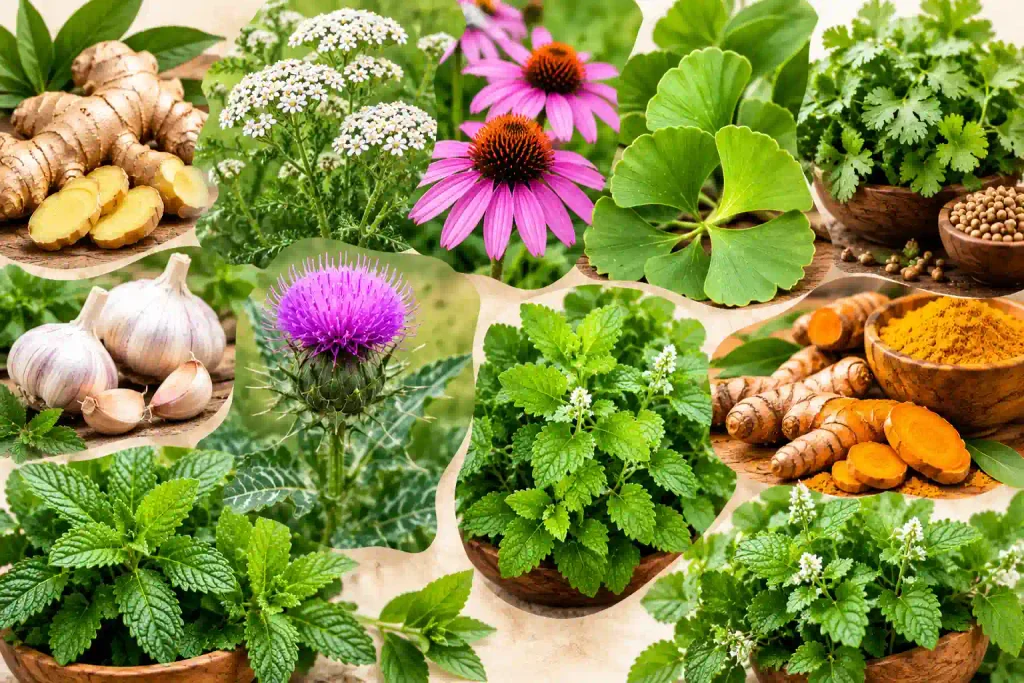
Natural remedies are popular ways to support everyday wellbeing using herbs, spices, and simple home ingredients. Ginger, garlic, turmeric, and peppermint are common examples used in food and traditional wellness practices. Some natural remedies may help with specific symptoms, but scientific evidence varies. Natural products can also cause side effects or interact with medicines. This guide explains 10 popular herbs, their potential benefits, and how to use them safely. What Are Natural Remedies? Natural remedies include herbs, spices, herbal teas, and plant-based products used to support health or relieve certain symptoms. Some are common foods, while others are sold as concentrated supplements. Natural does not always mean safe. The effects of an herb depend on its preparation, amount, and the person’s health. Natural remedies should not replace prescribed medicines or professional medical advice. 10 Natural Remedies for Everyday Wellbeing 1. Ginger Ginger is widely used in cooking and herbal tea. Research suggests it may help with certain types of nausea and menstrual cramps, although results vary. How to use it: Add fresh ginger to tea, soups, or meals. Safety: Ginger may cause heartburn or stomach discomfort. Ask a healthcare professional before using concentrated supplements if you take medication. 2. Yarrow Yarrow is a flowering plant traditionally used in herbal preparations. However, scientific evidence supporting many of its claimed health benefits remains limited. How to use it: Yarrow is available in some herbal teas and other preparations. Safety: It may cause allergic reactions, especially in people sensitive to plants in the daisy family. Seek professional advice before using it medicinally. 3. Echinacea Echinacea is commonly sold in products marketed for cold symptoms and immune support. Research on whether it prevents or shortens colds has produced mixed results. How to use it: Echinacea is available as capsules, liquids, and other supplements. Safety: It may cause stomach discomfort or allergic reactions. Check with a healthcare professional before taking it with other medicines. 4. Ginkgo Biloba Ginkgo biloba is a tree whose leaves are used to make extracts. It is often promoted for memory and brain health, but evidence does not establish it as a reliable memory booster for healthy people. How to use it: Ginkgo is mainly available as a supplement. Safety: It may increase bleeding risk and interact with blood-thinning medicines. Ginkgo seeds can be toxic, so avoid consuming them. 5. Cilantro (Coriander) Cilantro, also called fresh coriander, is a common herb used in salads, curries, chutneys, and soups. Coriander seeds are also widely used as a spice. Potential benefits: Cilantro adds flavor and variety to a balanced diet. Claims that it detoxifies the body or treats disease are not supported by strong clinical evidence. How to use it: Wash fresh leaves thoroughly and add them to your meals. 6. Garlic Garlic is a popular cooking ingredient with a long history in traditional health practices. Some research suggests garlic supplements may help lower blood pressure or cholesterol in certain people, but the effects vary. How to use it: Add fresh or cooked garlic to soups, vegetables, and other dishes. Safety: Garlic may cause digestive discomfort. Concentrated supplements can increase bleeding risk or interact with certain medicines. 7. Milk Thistle Milk thistle is traditionally used for liver health. It contains compounds called silymarin, which have been studied for their potential effects on the liver. Potential benefits: Research has not established clear benefits for many liver conditions. Milk thistle should not be considered a proven liver detox. How to use it: It is available in capsules and extracts. Safety: Possible side effects include nausea, gas, and allergic reactions. Consult a healthcare professional if you have a liver condition. 8. Lemon Balm Lemon balm is an aromatic herb from the mint family. Its leaves are commonly used in herbal teas and traditional practices for relaxation. Potential benefits: Early research suggests possible benefits for stress and sleep, but more high-quality studies are needed. How to use it: Prepare tea using a suitable, reliable product and follow its instructions. Safety: Information about long-term supplement use is limited. Seek professional advice if you take medication or have an ongoing health condition. 9. Turmeric Turmeric is a yellow-orange spice used in curries, soups, and other dishes. It contains curcumin, a compound studied for its effects on inflammation. Potential benefits: Some research suggests curcumin supplements may help with certain osteoarthritis symptoms, but more evidence is needed. How to use it: Add turmeric to rice, vegetables, soups, or curries. Safety: Concentrated supplements may cause digestive problems or interact with medicines. Some enhanced-absorption products have been associated with liver injury. 10. Peppermint Peppermint is an aromatic herb used in teas, foods, and other products. Certain peppermint oil capsules may help relieve symptoms of irritable bowel syndrome (IBS) in some adults. How to use it: Peppermint leaves can be steeped in hot water to make tea. Safety: Peppermint may worsen heartburn or acid reflux. Peppermint oil is more concentrated than tea and should be used according to reliable product instructions. How to Use Natural Remedies Safely Follow these simple precautions when considering natural remedies: People who are pregnant, breastfeeding, preparing for surgery, or managing a medical condition should seek professional advice before using herbal supplements. Frequently Asked Questions What are some popular natural remedies? Ginger, garlic, turmeric, peppermint, and lemon balm are popular examples. Their potential benefits depend on the specific use and available scientific evidence. What are five simple home remedies? Warm fluids, saline nasal spray, a warm compress, ginger tea, and honey for cough relief in people older than one year are common examples. These may ease certain symptoms but do not treat every underlying cause. Which is the most powerful herb? There is no single herb proven to be the most powerful for every health concern. Effectiveness depends on the condition, preparation, and quality of the evidence. Are natural remedies safe for everyday use? Some herbs are safe in normal food amounts for many people, but concentrated supplements can cause side effects and medication interactions. Safety depends on the