How to Lower Blood Pressure Naturally: 10 Proven Steps
High blood pressure has earned its nickname — the silent condition. It rarely announces itself. There is usually no headache, no dizziness, no warning at all, which is exactly what makes it dangerous. Left unchecked over years, it quietly strains the heart, damages arteries, and raises the risk of stroke and kidney disease, often with no symptoms until something serious happens.
The encouraging news is that blood pressure responds remarkably well to how you live. For many people with mildly or moderately raised readings, changes to diet, movement, sleep, and stress can lower blood pressure meaningfully — sometimes enough to avoid medication, sometimes enough to reduce how much is needed. These are not fringe remedies. They are the same lifestyle measures that doctors recommend first, backed by solid evidence.
A crucial caveat sits alongside all of this, and it is worth stating up front: natural approaches manage blood pressure; they rarely cure the underlying tendency, and they work best alongside medical guidance rather than instead of it. With that in mind, here is what genuinely works.
Quick Overview
| Approach | Effect on blood pressure |
|---|---|
| Reducing salt | Meaningful reduction, especially in salt-sensitive people |
| Regular aerobic exercise | Consistent, well-proven reduction |
| The DASH-style diet | Among the most effective dietary patterns |
| Losing excess weight | Each few kilograms lost helps |
| Limiting alcohol | Lowers readings in heavier drinkers |
| Increasing potassium | Helps balance the effect of sodium |
| Managing stress and sleep | Supports overall control |
| Quitting smoking | Protects arteries and heart |
Why Blood Pressure Rises
Blood pressure is the force of blood pushing against your artery walls. It naturally rises and falls through the day, but when it stays consistently high, the heart works harder and the arteries take ongoing strain.
For most people with high blood pressure, there is no single cause — it develops from a combination of genetics, age, weight, diet, activity levels, alcohol, stress, and sleep. That multi-factor nature is actually good news, because it means there are many levers to pull. It also explains why high blood pressure is typically managed rather than cured: you are influencing an ongoing tendency, not removing a one-off problem. Our guide on cure vs treat explains why that distinction matters for how you approach a condition like this.
10 Proven Ways to Lower Blood Pressure Naturally
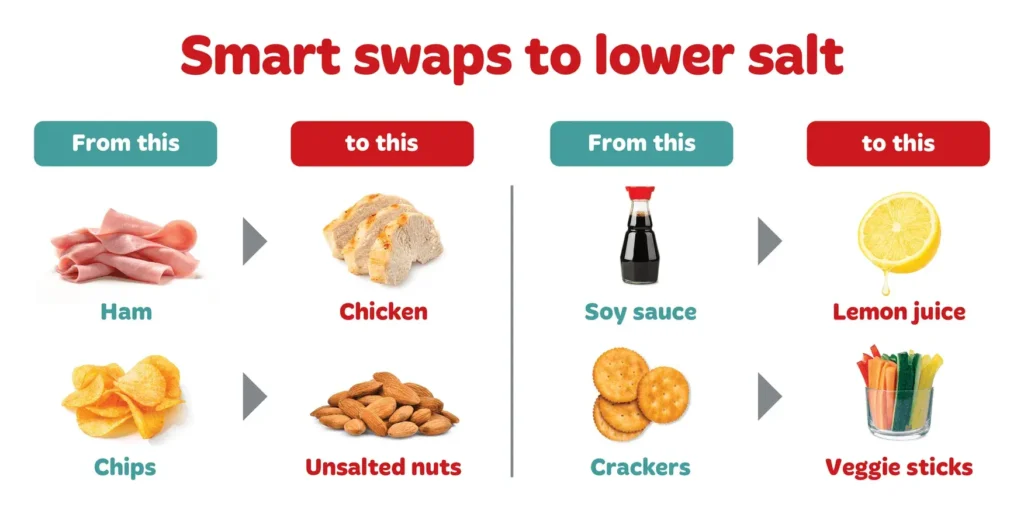
1. Cut back on salt. Excess sodium makes the body hold onto fluid, raising blood pressure. Reducing salt — especially the hidden salt in processed foods, bread, and restaurant meals — lowers readings, particularly in people who are salt-sensitive. Cooking from fresh ingredients is the single most effective way to control intake.
2. Move your body regularly. Aerobic activity — brisk walking, cycling, swimming — is one of the best-proven ways to lower blood pressure. Regular sessions across the week make arteries more flexible and strengthen the heart. Consistency matters more than intensity.
3. Eat a DASH-style diet. The DASH pattern — rich in vegetables, fruit, whole grains, beans, nuts, and low-fat dairy, with less red meat, salt, and sugar — is among the most effective dietary approaches for blood pressure, with strong trial evidence behind it.
4. Load up on potassium. Potassium helps counterbalance sodium and relaxes blood vessel walls. Bananas, leafy greens, sweet potatoes, beans, and avocados are good sources. If you have kidney disease, check with your doctor first, as potassium needs careful management then.
5. Lose excess weight. Carrying extra weight, particularly around the middle, raises blood pressure. Even a modest loss of a few kilograms can produce a measurable improvement, and it amplifies the benefit of every other change.
6. Limit alcohol. Regularly drinking more than moderate amounts raises blood pressure. Cutting back lowers readings in heavier drinkers, and it also improves sleep and supports weight loss.
7. Prioritise sleep. Poor and short sleep is linked with higher blood pressure. Conditions like sleep apnoea are a particularly important and treatable cause, so persistent loud snoring with daytime tiredness is worth mentioning to your doctor.
8. Manage stress. Chronic stress keeps the body in a heightened state that can contribute to raised blood pressure. Regular relaxation, breathing practice, and time outdoors help — not as a cure, but as genuine support.
9. Cut down on caffeine if you’re sensitive. Caffeine can cause a short-term spike, and some people are more sensitive than others. If yours rises noticeably after coffee, moderating your intake is reasonable.
10. Stop smoking. Each cigarette temporarily raises blood pressure, and smoking damages artery walls over time. Quitting is one of the most powerful things you can do for your heart and circulation overall.
Foods That Help Lower Blood Pressure
| Food group | Why it helps |
|---|---|
| Leafy greens | Rich in potassium and nitrates that relax vessels |
| Berries | Contain flavonoids linked with lower pressure |
| Beans and lentils | Fibre and potassium; filling and low in salt |
| Oily fish | Omega-3 fatty acids support heart health |
| Beetroot | Nitrates shown to modestly lower readings |
| Unsalted nuts and seeds | Magnesium, potassium, healthy fats |
| Plain low-fat dairy | Part of the evidence-based DASH pattern |
The pattern matters more than any single food. No one ingredient dramatically lowers blood pressure on its own — the benefit comes from an overall diet high in whole plants and low in salt and processed food. Our guide on natural remedies and what actually works explains why realistic expectations beat “miracle food” claims.
Understanding Your Numbers
To manage blood pressure, it helps to understand what the two numbers actually mean, because they are on every reading and yet rarely explained. Blood pressure is written as one number over another. The top number, systolic pressure, is the force in your arteries when the heart beats. The bottom number, diastolic pressure, is the force when the heart rests between beats. Both matter, and either being consistently high counts as raised blood pressure.
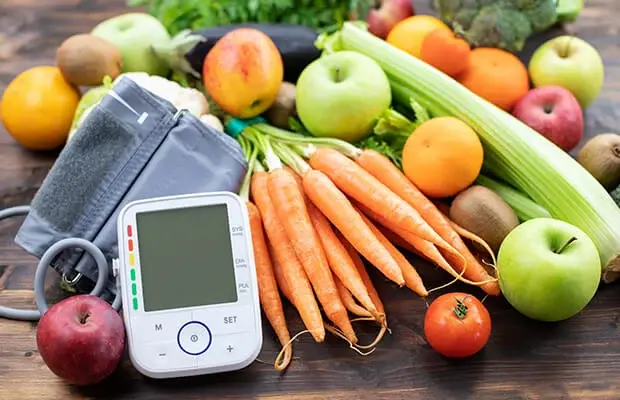
The reason this matters for natural management is that it lets you track your own progress meaningfully. A home blood pressure monitor — a modest, worthwhile investment — lets you see whether your changes are working, rather than waiting months for a single clinic reading. For an accurate picture, measure at the same time of day, sit quietly for a few minutes first, keep your arm supported at heart level, and take a couple of readings a minute apart. A single high reading in a stressful moment means little; a pattern over days and weeks is what counts.
Tracking also reveals something encouraging: blood pressure responds to the changes in this article within weeks, not years. Seeing your own numbers drift downward as you cut salt and move more is one of the most motivating things there is, and it turns abstract advice into visible results.
How Long Do Natural Changes Take to Work?
People understandably want to know how quickly lifestyle changes pay off. The honest answer is that different measures work on different timescales. Cutting salt and reducing alcohol can lower readings within days to a couple of weeks. Regular exercise produces measurable benefit over a few weeks of consistency. Weight loss works gradually, with each few kilograms adding to the effect over months. A DASH-style diet shows benefit within weeks and continues to build.
The key word across all of them is consistency. These are not one-off fixes but ongoing habits, and their power comes from repetition over time. A single healthy week does little; a sustained new pattern changes the trajectory of your health. This is also why crash approaches rarely help — the goal is changes you can actually keep, because blood pressure management is a long game measured in years, not a sprint.
What About Herbal Supplements?
Several supplements — garlic, hibiscus tea, and others — have some evidence for modest effects on blood pressure, but the quality of research varies and the effects are generally small. More importantly, some supplements interact with blood pressure medication or affect the heart, so anything you add should be discussed with your doctor rather than assumed safe because it is natural.
Be sceptical of any product promising to cure high blood pressure or replace prescribed medication. Managing blood pressure is a long game of consistent habits, not a single remedy.
Natural Approaches and Medication: Not Either/Or
One of the most harmful misunderstandings is treating lifestyle change and medication as opposites — as if choosing one means rejecting the other. In reality they work together. Lifestyle changes can reduce how much medication you need, and for some people with mildly raised readings, they may control it without drugs. But for others, particularly with higher readings or added risk factors, medication is genuinely protective and natural methods support rather than replace it.
Never stop prescribed blood pressure medication on your own. If you want to reduce or come off it, that is a decision to make with your doctor, based on your actual readings over time.
Common Mistakes That Hold People Back
Even motivated people stall on a few predictable errors, and knowing them in advance saves months of frustration.
The first is focusing only on the salt shaker while ignoring hidden salt. Most of the sodium in a typical diet does not come from salt you add at the table — it comes from bread, processed meats, sauces, ready meals, and restaurant food. Cutting the visible salt while eating heavily processed food misses the bulk of the problem. Reading labels and cooking more from fresh ingredients is where the real reduction happens.
The second is treating exercise as an occasional event rather than a routine. A hard workout once a fortnight does far less than a brisk walk most days. Blood pressure responds to regular, moderate activity sustained over the week, not to sporadic bursts.
The third is going all-in and then giving up. People who overhaul everything overnight often cannot sustain it and abandon the whole effort. Changing one or two habits at a time, letting them become normal, then adding more, is slower but far more likely to last — and lasting is the entire point.
The fourth, and most serious, is stopping prescribed medication the moment readings improve. If your numbers have come down, that may be because the medication is working, and stopping it can send them straight back up. Any change to medication belongs with your doctor, guided by your actual readings over time.
When to See a Doctor
See a healthcare professional if:
- You have not had your blood pressure checked recently — many people are unaware theirs is high
- Home readings are consistently raised
- You want to make lifestyle changes and are on medication, so they can be coordinated
- You have symptoms like severe headache, chest pain, breathlessness, or vision changes — seek urgent care for these
- You are considering supplements alongside medication
Because high blood pressure usually has no symptoms, regular checks are the only reliable way to know where you stand. The NHS guidance on high blood pressure explains how and when to get checked.
Final Thoughts
The most empowering fact about blood pressure is how responsive it is to everyday choices. Salt, movement, diet, weight, sleep, alcohol, and stress each move the needle, and together they can move it a lot — often enough to change the course of your health over years. None of it is exotic. It is the same advice cardiologists give first, precisely because it works.
The honest framing is that these steps manage blood pressure rather than cure it, and they are most powerful when combined with regular monitoring and, where needed, medication. Approached that way — as a set of consistent habits supported by medical guidance rather than a search for a single natural cure — lowering your blood pressure naturally is one of the most achievable and worthwhile goals in preventive health.
Medical disclaimer: This article is for general educational information and is not a substitute for professional medical advice, diagnosis, or treatment. Never stop or change prescribed medication without consulting your doctor, and seek urgent care for severe symptoms.
Frequently Asked Questions
How can I lower my blood pressure naturally and quickly? Meaningful change comes from consistent habits rather than quick fixes, but reducing salt, moving daily, limiting alcohol, and improving sleep can lower readings over weeks. Sudden severe symptoms need urgent medical care, not home measures.
What is the single most effective way to lower blood pressure naturally? There is no single winner — a DASH-style diet, regular aerobic exercise, and reducing salt are among the most effective, and they work best combined. Weight loss amplifies all of them.
Can I lower blood pressure without medication? For some people with mildly raised readings, lifestyle changes alone can control it. For others, medication is genuinely protective. Whether you can manage without drugs is a decision to make with your doctor based on your readings.
Which foods lower blood pressure? Leafy greens, berries, beans, oily fish, beetroot, unsalted nuts, and a generally plant-rich, low-salt diet all help. The overall dietary pattern matters more than any single food.
Does drinking water lower blood pressure? Staying well hydrated supports healthy circulation, but water alone is not a treatment for high blood pressure. The proven levers are diet, exercise, weight, salt, alcohol, sleep, and stress.
Can stress raise blood pressure? Chronic stress can contribute to raised blood pressure and unhealthy habits that worsen it. Managing stress supports control, though it works alongside the other measures rather than replacing them.
Are natural remedies enough to cure high blood pressure? High blood pressure is generally managed rather than cured. Natural approaches can control mild cases and reduce medication needs, but they should be seen as long-term management supported by medical guidance, not a one-time cure.
How often should I check my blood pressure at home? For most people tracking the effect of lifestyle changes, a few readings a week is plenty, taken at the same time of day after sitting quietly. Look at the pattern over weeks rather than reacting to any single reading, and share the results with your doctor.
Does losing weight really lower blood pressure? Yes. Excess weight, particularly around the middle, raises blood pressure, and even a modest, steady loss of a few kilograms can produce a measurable improvement. Weight loss also amplifies the benefit of every other change, from diet to exercise.
Can exercise alone lower blood pressure? Regular aerobic exercise is one of the most effective single measures and can meaningfully lower readings on its own. It works best combined with a good diet, less salt, and healthy weight, but even without other changes, consistent activity helps.