Type 2 diabetes and obesity are closely linked. Having too much body fat can make it harder for the body to use insulin. Insulin helps move sugar from the blood into the body’s cells. When the body does not use insulin well, blood sugar can rise.
This problem is called insulin resistance. It can increase the risk of type 2 diabetes. However, not everyone with obesity develops diabetes. People without obesity can also have the condition.
Treatment may include healthy food, regular exercise, weight management, and medicine. This guide explains how obesity affects diabetes and what treatments may help.
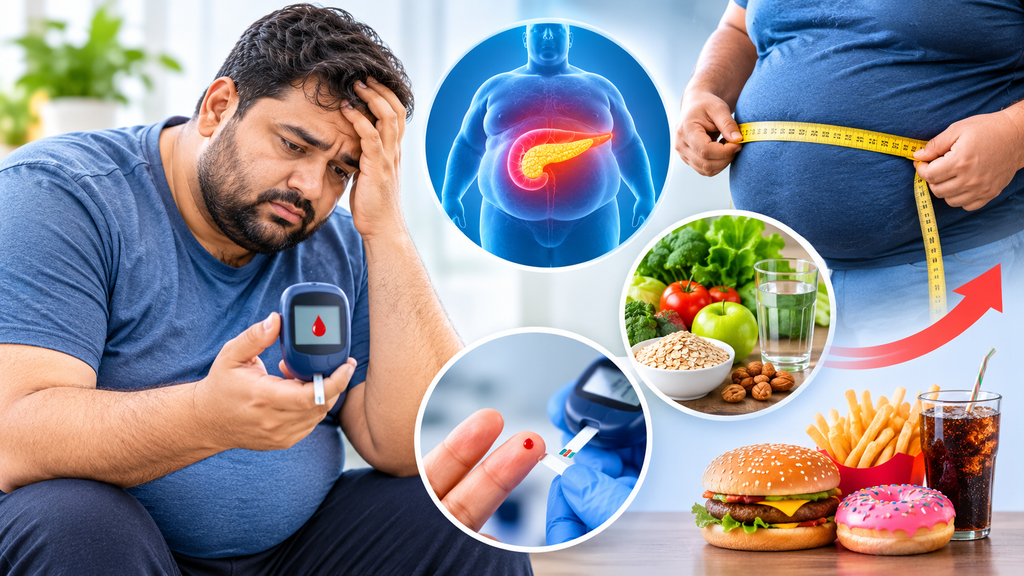
How Are Type 2 Diabetes and Obesity Connected?
Obesity is a major risk factor for type 2 diabetes. Extra body fat, especially around the waist and internal organs, can affect how the body responds to insulin.
At first, the pancreas may make more insulin to control blood sugar. Over time, it may not make enough to meet the body’s needs. Blood sugar can then rise.
Other factors also affect diabetes risk. These include family history, age, genetics, and physical activity.
What Is Insulin Resistance?
Insulin is a hormone made by the pancreas. It helps the body use sugar for energy.
With insulin resistance, the body’s cells do not respond to insulin as well as they should. This makes it harder for sugar to leave the blood.
The pancreas may try to solve this problem by making more insulin. But if it cannot keep up, blood sugar levels may become too high.
Insulin resistance is common in type 2 diabetes. It is also linked to excess body fat.
Symptoms of Type 2 Diabetes
Type 2 diabetes can develop slowly. Some people have no clear symptoms at first.
Common signs include:
- Feeling thirsty more often
- Passing urine frequently
- Feeling tired
- Feeling hungry more often
- Blurred vision
- Cuts that heal slowly
- Frequent infections
- Unexplained weight changes
Obesity is also linked to other health problems. These include high blood pressure, high cholesterol, heart disease, and fatty liver disease.
If you notice signs of diabetes, speak with a healthcare professional.
How Is Type 2 Diabetes Diagnosed?
Doctors use blood tests to check for type 2 diabetes. Common tests include:
- HbA1c test: A result of 6.5% or higher may indicate diabetes.
- Fasting blood glucose test: A result of 126 mg/dL or higher may indicate diabetes.
- Two-hour glucose test: A result of 200 mg/dL or higher may indicate diabetes.
A doctor may repeat a test to confirm the result, especially if there are no clear symptoms.
Can Weight Loss Help Type 2 Diabetes?
Yes. Weight loss can help some people with type 2 diabetes manage their blood sugar.
The American Diabetes Association’s 2026 guidance states that losing 5–7% of body weight and keeping it off can improve blood sugar and some heart disease risk factors. Losing more than 10% may bring further benefits for some people.
Weight loss is not a cure for diabetes. The right goal depends on a person’s health and needs.
Medicines for Diabetes and Obesity
Some medicines can help manage blood sugar and body weight. A doctor chooses treatment based on a person’s health, needs, and medical history.
GLP-1 Medicines
GLP-1 medicines act like a natural hormone that helps control blood sugar. They can help the body release insulin when blood sugar is high. They may also slow digestion and help people feel full.
Examples include semaglutide and liraglutide. Some products are approved for diabetes, while others have approval for weight management. Their uses can differ.
Side effects may include nausea, vomiting, diarrhoea, and constipation. These medicines are not suitable for everyone.
Tirzepatide
Tirzepatide acts on two hormone pathways called GIP and GLP-1. It can help control blood sugar and support weight loss.
It is given as a weekly injection. Its approved use depends on the product and country. A doctor can explain whether it is suitable for a patient.
Retatrutide
Retatrutide is a new medicine being studied for obesity and related health problems. It acts on three hormone pathways: GIP, GLP-1, and glucagon.
As of November 2026, retatrutide is still being studied and is not an approved treatment. It should not be treated as a replacement for approved medicines. Lilly
Other Diabetes Medicines
Doctors may also prescribe medicines such as metformin or SGLT2 inhibitors.
Metformin helps reduce the amount of sugar made by the liver. SGLT2 inhibitors help the kidneys remove more sugar through urine. Some medicines in this group may also benefit heart or kidney health in certain patients.
Not every medicine is right for every person. Do not start, stop, or change diabetes medicine without medical advice.
What Is Smart Insulin?
Smart insulin is a type of insulin being developed by researchers. The goal is to make it respond to changes in blood sugar.
Researchers are studying ways for this insulin to become more active when blood sugar rises and less active when it falls.
This work is still in the research stage. Smart insulin is not a routine treatment for type 2 diabetes. It is also different from longer-acting insulin.

Diet for Type 2 Diabetes and Obesity
A balanced diet can help manage blood sugar and weight. There is no single meal plan that works for everyone.
Try to include:
- Vegetables such as spinach, broccoli, and cucumber
- Whole fruits instead of fruit juice
- Whole grains such as oats
- Beans, lentils, and chickpeas
- Lean protein such as fish, eggs, and chicken
- Nuts and seeds in suitable portions
Limit sugary drinks, sweets, refined grains, and highly processed foods. Portion sizes also matter.
A dietitian can help create a meal plan that suits your health and food preferences.
Exercise and Weight Management
Regular exercise can help the body use insulin better. It can also support weight control and heart health.
For most adults with diabetes, ADA guidance recommends at least 150 minutes of moderate-to-vigorous activity each week. Walking, cycling, and swimming are some options.
Strength exercises two or three times a week may also help. Try not to sit for long periods. Getting up and moving every 30 minutes can help break up sitting time.
Choose activities that suit your fitness level. Ask your healthcare professional for advice if you have other health problems.
Can Type 2 Diabetes Go Into Remission?
Some people with type 2 diabetes may reach remission after major, lasting weight loss. Remission means blood sugar stays below the diabetes range without usual glucose-lowering medicine.
An expert consensus defines remission as an HbA1c below 6.5% for at least three months without usual diabetes medication.
Remission does not mean diabetes is cured. Blood sugar can rise again, so regular check-ups remain important.
Is Weight-Loss Surgery an Option?
Metabolic and weight-loss surgery may help some people with obesity and type 2 diabetes.
International guidelines recommend surgery for people with a BMI of 35 or higher. It may also be considered for some people with metabolic disease and a BMI between 30 and 34.9. Different BMI cut-offs may apply to Asian populations.
A specialist team must assess the possible benefits and risks before surgery. Long-term follow-up is also important.
Frequently Asked Questions
Can a person have type 2 diabetes without obesity?
Yes. Obesity increases the risk, but people without obesity can also develop type 2 diabetes.
How much weight loss may help?
Losing 5–7% of body weight and keeping it off can improve blood sugar and some heart disease risk factors. Some people may benefit from greater weight loss.
Are GLP-1 medicines safe for everyone?
No. These medicines can cause side effects and are not suitable for everyone. A doctor should check a person’s health before prescribing them.
Is retatrutide approved?
No. As of November 2026, retatrutide is still an investigational medicine.
Conclusion
Obesity can increase the risk of type 2 diabetes by making it harder for the body to use insulin. Weight management, healthy food, exercise, and suitable medicines can help improve blood sugar control.
New treatments such as GLP-1 medicines and tirzepatide offer options for some people. Retatrutide and smart insulin are still being studied. Work with a healthcare professional to choose a safe treatment plan that meets your needs.