Type 2 Diabetes and Obesity: Causes, Treatment & Weight Loss
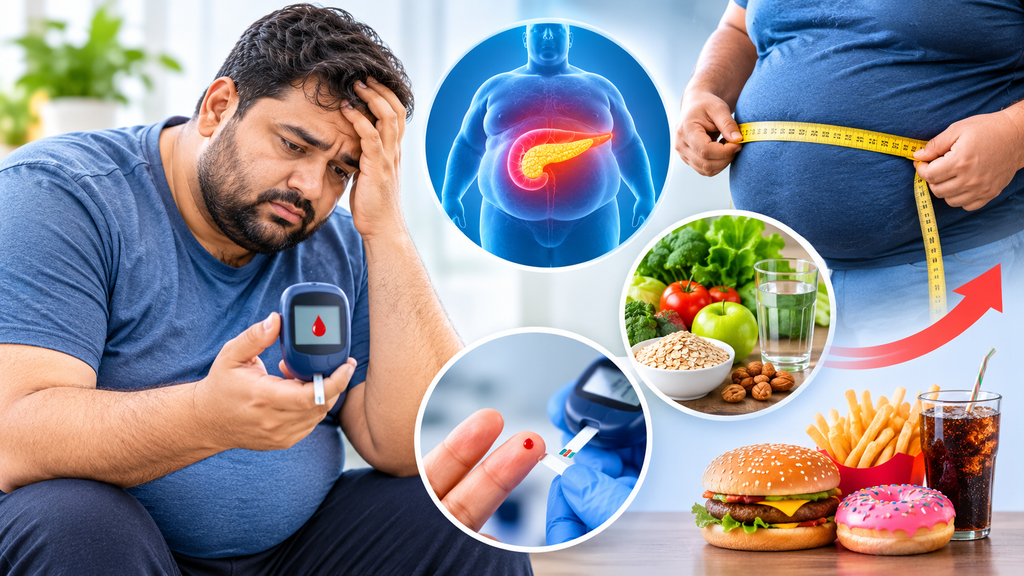
Type 2 diabetes and obesity are closely linked. Having too much body fat can make it harder for the body to use insulin. Insulin helps move sugar from the blood into the body’s cells. When the body does not use insulin well, blood sugar can rise. This problem is called insulin resistance. It can increase the risk of type 2 diabetes. However, not everyone with obesity develops diabetes. People without obesity can also have the condition. Treatment may include healthy food, regular exercise, weight management, and medicine. This guide explains how obesity affects diabetes and what treatments may help. How Are Type 2 Diabetes and Obesity Connected? Obesity is a major risk factor for type 2 diabetes. Extra body fat, especially around the waist and internal organs, can affect how the body responds to insulin. At first, the pancreas may make more insulin to control blood sugar. Over time, it may not make enough to meet the body’s needs. Blood sugar can then rise. Other factors also affect diabetes risk. These include family history, age, genetics, and physical activity. What Is Insulin Resistance? Insulin is a hormone made by the pancreas. It helps the body use sugar for energy. With insulin resistance, the body’s cells do not respond to insulin as well as they should. This makes it harder for sugar to leave the blood. The pancreas may try to solve this problem by making more insulin. But if it cannot keep up, blood sugar levels may become too high. Insulin resistance is common in type 2 diabetes. It is also linked to excess body fat. Symptoms of Type 2 Diabetes Type 2 diabetes can develop slowly. Some people have no clear symptoms at first. Common signs include: Obesity is also linked to other health problems. These include high blood pressure, high cholesterol, heart disease, and fatty liver disease. If you notice signs of diabetes, speak with a healthcare professional. How Is Type 2 Diabetes Diagnosed? Doctors use blood tests to check for type 2 diabetes. Common tests include: A doctor may repeat a test to confirm the result, especially if there are no clear symptoms. Can Weight Loss Help Type 2 Diabetes? Yes. Weight loss can help some people with type 2 diabetes manage their blood sugar. The American Diabetes Association’s 2026 guidance states that losing 5–7% of body weight and keeping it off can improve blood sugar and some heart disease risk factors. Losing more than 10% may bring further benefits for some people. Weight loss is not a cure for diabetes. The right goal depends on a person’s health and needs. Medicines for Diabetes and Obesity Some medicines can help manage blood sugar and body weight. A doctor chooses treatment based on a person’s health, needs, and medical history. GLP-1 Medicines GLP-1 medicines act like a natural hormone that helps control blood sugar. They can help the body release insulin when blood sugar is high. They may also slow digestion and help people feel full. Examples include semaglutide and liraglutide. Some products are approved for diabetes, while others have approval for weight management. Their uses can differ. Side effects may include nausea, vomiting, diarrhoea, and constipation. These medicines are not suitable for everyone. Tirzepatide Tirzepatide acts on two hormone pathways called GIP and GLP-1. It can help control blood sugar and support weight loss. It is given as a weekly injection. Its approved use depends on the product and country. A doctor can explain whether it is suitable for a patient. Retatrutide Retatrutide is a new medicine being studied for obesity and related health problems. It acts on three hormone pathways: GIP, GLP-1, and glucagon. As of November 2026, retatrutide is still being studied and is not an approved treatment. It should not be treated as a replacement for approved medicines. Lilly Other Diabetes Medicines Doctors may also prescribe medicines such as metformin or SGLT2 inhibitors. Metformin helps reduce the amount of sugar made by the liver. SGLT2 inhibitors help the kidneys remove more sugar through urine. Some medicines in this group may also benefit heart or kidney health in certain patients. Not every medicine is right for every person. Do not start, stop, or change diabetes medicine without medical advice. What Is Smart Insulin? Smart insulin is a type of insulin being developed by researchers. The goal is to make it respond to changes in blood sugar. Researchers are studying ways for this insulin to become more active when blood sugar rises and less active when it falls. This work is still in the research stage. Smart insulin is not a routine treatment for type 2 diabetes. It is also different from longer-acting insulin. Diet for Type 2 Diabetes and Obesity A balanced diet can help manage blood sugar and weight. There is no single meal plan that works for everyone. Try to include: Limit sugary drinks, sweets, refined grains, and highly processed foods. Portion sizes also matter. A dietitian can help create a meal plan that suits your health and food preferences. Exercise and Weight Management Regular exercise can help the body use insulin better. It can also support weight control and heart health. For most adults with diabetes, ADA guidance recommends at least 150 minutes of moderate-to-vigorous activity each week. Walking, cycling, and swimming are some options. Strength exercises two or three times a week may also help. Try not to sit for long periods. Getting up and moving every 30 minutes can help break up sitting time. Choose activities that suit your fitness level. Ask your healthcare professional for advice if you have other health problems. Can Type 2 Diabetes Go Into Remission? Some people with type 2 diabetes may reach remission after major, lasting weight loss. Remission means blood sugar stays below the diabetes range without usual glucose-lowering medicine. An expert consensus defines remission as an HbA1c below 6.5% for at least three months without usual diabetes medication. Remission does not mean diabetes is cured. Blood sugar can rise again, so
Obesity: Causes, Symptoms, Treatment and Prevention
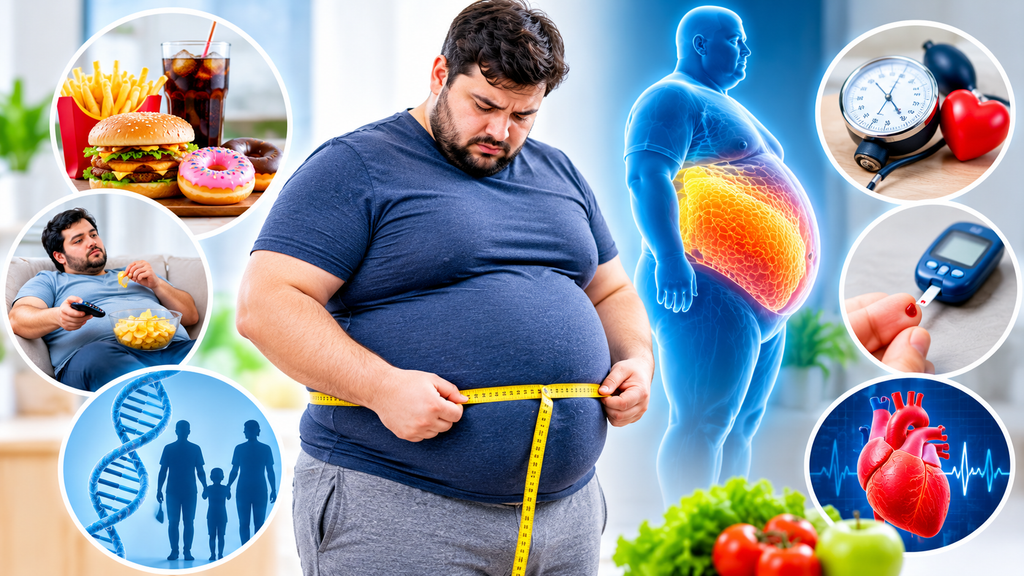
Obesity is a condition in which a person has too much body fat. It can affect overall health and raise the risk of several diseases. These include type 2 diabetes, heart disease and high blood pressure. Obesity is not caused by one thing alone. Eating habits, daily activity, genes, sleep, medicines and the surrounding environment can all play a role. Doctors often use body mass index (BMI) to check weight status. BMI compares a person’s weight with their height. However, it is only a screening tool. It does not measure body fat directly or give a complete picture of a person’s health. What Are the Symptoms of Obesity? Obesity does not always cause clear symptoms. Some people may not notice any problems at first. Others may experience: These signs can have other causes too. A health professional can help find the reason. What Causes Obesity? Obesity can develop due to a mix of factors. The main causes and risk factors include the following. 1. Unhealthy Eating Habits Eating more calories than the body uses over time can lead to weight gain. Frequent intake of large portions, sugary drinks and foods high in calories may increase this risk. A diet with too few fruits, vegetables and other nutritious foods can also make healthy weight management harder. 2. Lack of Physical Activity The body uses energy during movement and exercise. People who spend much of the day sitting may use less energy. A lack of regular activity can contribute to weight gain, especially when combined with high-calorie eating habits. 3. Genetic and Biological Factors Genes can affect how the body stores fat, uses energy and controls hunger. This means some people may have a higher risk of obesity than others. However, genes are not the only cause. Daily habits and the environment also matter. 4. Medical Conditions and Medicines Some health conditions can affect body weight. Certain medicines may also lead to weight gain. People should not stop prescribed medicine because of weight changes. They should speak with their doctor about possible side effects and other options. 5. Poor Sleep and Stress Sleep and stress can affect eating habits and daily routines. Poor sleep may make it harder to manage hunger and maintain healthy habits. Long-term stress may also affect food choices and activity levels. Health Risks Linked to Obesity Obesity can increase the risk of several health problems. These may include: Having obesity does not mean a person will develop all these conditions. Risk can vary from one person to another. How Is Obesity Diagnosed? A health professional may check a person’s weight, height and overall health. They may also ask about eating habits, physical activity, sleep, medicines and medical history. Understanding BMI For adults, BMI is often used as an initial screening measure. BMIWeight categoryBelow 18.5Underweight18.5–24.9Healthy weight25.0–29.9Overweight30.0–34.9Class 1 obesity35.0–39.9Class 2 obesity40 or higherClass 3 obesity BMI does not tell the full story. It does not show where body fat is stored or directly measure body fat. A doctor may also consider waist size, health conditions and other risk factors. Some clinical guidance uses lower BMI or waist measurements when assessing health risks in people of Asian backgrounds. These measures should be considered in the right clinical context. How Is Obesity Treated? Obesity can be managed with support and a suitable treatment plan. The best approach depends on a person’s health, needs and medical history. 1. Make Healthy Food Choices A balanced diet can support weight management. Try to: Small changes can be easier to maintain than strict diets. 2. Stay Physically Active Regular movement can support overall health and help with weight management. Walking, cycling, swimming and other activities can be useful. Choose an activity that suits your ability and health. If you have a medical condition or have been inactive for a long time, ask a health professional before starting a new exercise plan. 3. Improve Sleep and Daily Habits Try to follow a regular sleep routine. Make time for movement during the day and take breaks from long periods of sitting. It may also help to notice habits linked to stress or eating. A health professional can suggest ways to manage these challenges. 4. Medical Treatment Lifestyle changes are an important part of obesity care. However, some people may need additional support. Doctors may recommend prescription weight-loss medicines for certain patients. These medicines are not suitable for everyone and should only be used under medical guidance. 5. Weight-Loss Surgery Weight-loss surgery may be an option for some people with obesity. A medical team can assess whether surgery is suitable based on a person’s weight, health conditions and other factors. Surgery requires medical follow-up and long-term care. How Can Obesity Be Prevented? Obesity risk may be reduced through healthy daily habits. These steps can also support general health: Prevention is not only about body weight. It also involves building habits that support long-term health. Frequently Asked Questions What is the main cause of obesity? There is no single cause. Eating habits, low physical activity, genes, sleep, medicines and environmental factors can all contribute. Can obesity affect overall health? Yes. Obesity is linked to a higher risk of conditions such as type 2 diabetes, high blood pressure, heart disease and sleep apnea. Is BMI enough to diagnose obesity? No. BMI is a screening tool, not a complete health assessment. Doctors may also consider waist size, medical history and other health risks. Can obesity be managed without medicine? Some people can manage their weight through changes in diet, activity and daily habits. Others may need medical treatment. A doctor can help decide what is suitable. When should I see a doctor about obesity? Speak with a health professional if your weight is affecting your health, movement, sleep or daily life. You can also ask for advice if you are concerned about weight gain or want help choosing a safe treatment plan. Conclusion Obesity is a complex health condition. It can develop due to several factors, including eating habits, physical activity,