Obesity is a condition in which a person has too much body fat. It can affect overall health and raise the risk of several diseases. These include type 2 diabetes, heart disease and high blood pressure.
Obesity is not caused by one thing alone. Eating habits, daily activity, genes, sleep, medicines and the surrounding environment can all play a role.
Doctors often use body mass index (BMI) to check weight status. BMI compares a person’s weight with their height. However, it is only a screening tool. It does not measure body fat directly or give a complete picture of a person’s health.
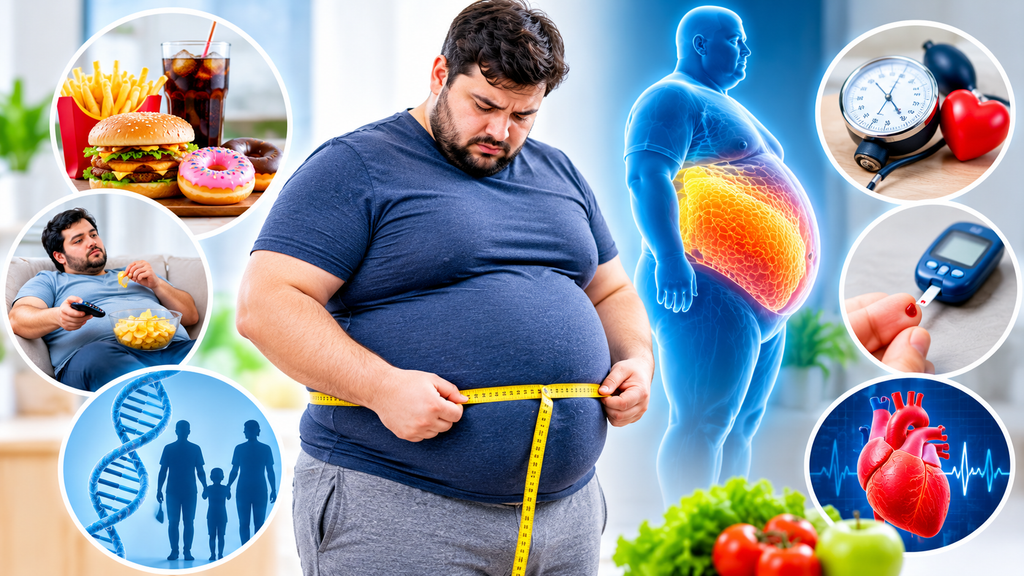
What Are the Symptoms of Obesity?
Obesity does not always cause clear symptoms. Some people may not notice any problems at first. Others may experience:
- Shortness of breath during daily activities
- Difficulty with movement or physical activity
- Joint pain, especially in the knees and back
- Increased sweating
- Trouble sleeping
- Feeling tired during the day
These signs can have other causes too. A health professional can help find the reason.
What Causes Obesity?
Obesity can develop due to a mix of factors. The main causes and risk factors include the following.
1. Unhealthy Eating Habits
Eating more calories than the body uses over time can lead to weight gain. Frequent intake of large portions, sugary drinks and foods high in calories may increase this risk.
A diet with too few fruits, vegetables and other nutritious foods can also make healthy weight management harder.
2. Lack of Physical Activity
The body uses energy during movement and exercise. People who spend much of the day sitting may use less energy.
A lack of regular activity can contribute to weight gain, especially when combined with high-calorie eating habits.
3. Genetic and Biological Factors
Genes can affect how the body stores fat, uses energy and controls hunger. This means some people may have a higher risk of obesity than others.
However, genes are not the only cause. Daily habits and the environment also matter.
4. Medical Conditions and Medicines
Some health conditions can affect body weight. Certain medicines may also lead to weight gain.
People should not stop prescribed medicine because of weight changes. They should speak with their doctor about possible side effects and other options.
5. Poor Sleep and Stress
Sleep and stress can affect eating habits and daily routines. Poor sleep may make it harder to manage hunger and maintain healthy habits.
Long-term stress may also affect food choices and activity levels.
Health Risks Linked to Obesity
Obesity can increase the risk of several health problems. These may include:
- Type 2 diabetes: Obesity is linked to a higher risk of problems with blood sugar control.
- High blood pressure: Excess body fat can add to the risk of high blood pressure.
- Heart disease: Obesity is linked to a higher risk of heart and blood vessel problems.
- Sleep apnea: Some people with obesity develop sleep-related breathing problems.
- Joint problems: Extra weight can place more pressure on joints, such as the knees.
Having obesity does not mean a person will develop all these conditions. Risk can vary from one person to another.
How Is Obesity Diagnosed?
A health professional may check a person’s weight, height and overall health. They may also ask about eating habits, physical activity, sleep, medicines and medical history.
Understanding BMI
For adults, BMI is often used as an initial screening measure.
BMIWeight categoryBelow 18.5Underweight18.5–24.9Healthy weight25.0–29.9Overweight30.0–34.9Class 1 obesity35.0–39.9Class 2 obesity40 or higherClass 3 obesity
BMI does not tell the full story. It does not show where body fat is stored or directly measure body fat. A doctor may also consider waist size, health conditions and other risk factors.
Some clinical guidance uses lower BMI or waist measurements when assessing health risks in people of Asian backgrounds. These measures should be considered in the right clinical context.

How Is Obesity Treated?
Obesity can be managed with support and a suitable treatment plan. The best approach depends on a person’s health, needs and medical history.
1. Make Healthy Food Choices
A balanced diet can support weight management. Try to:
- Eat more vegetables and fruits.
- Choose whole grains when possible.
- Include suitable sources of protein.
- Limit sugary drinks.
- Watch portion sizes.
- Reduce frequent intake of highly processed foods.
Small changes can be easier to maintain than strict diets.
2. Stay Physically Active
Regular movement can support overall health and help with weight management.
Walking, cycling, swimming and other activities can be useful. Choose an activity that suits your ability and health. If you have a medical condition or have been inactive for a long time, ask a health professional before starting a new exercise plan.
3. Improve Sleep and Daily Habits
Try to follow a regular sleep routine. Make time for movement during the day and take breaks from long periods of sitting.
It may also help to notice habits linked to stress or eating. A health professional can suggest ways to manage these challenges.
4. Medical Treatment
Lifestyle changes are an important part of obesity care. However, some people may need additional support.
Doctors may recommend prescription weight-loss medicines for certain patients. These medicines are not suitable for everyone and should only be used under medical guidance.
5. Weight-Loss Surgery
Weight-loss surgery may be an option for some people with obesity. A medical team can assess whether surgery is suitable based on a person’s weight, health conditions and other factors.
Surgery requires medical follow-up and long-term care.
How Can Obesity Be Prevented?
Obesity risk may be reduced through healthy daily habits. These steps can also support general health:
- Eat a balanced diet.
- Stay active throughout the week.
- Limit sugary drinks.
- Get enough sleep.
- Avoid sitting for long periods without breaks.
- Seek medical advice about unexplained weight changes.
- Follow a health plan that is realistic and suitable for you.
Prevention is not only about body weight. It also involves building habits that support long-term health.
Frequently Asked Questions
What is the main cause of obesity?
There is no single cause. Eating habits, low physical activity, genes, sleep, medicines and environmental factors can all contribute.
Can obesity affect overall health?
Yes. Obesity is linked to a higher risk of conditions such as type 2 diabetes, high blood pressure, heart disease and sleep apnea.
Is BMI enough to diagnose obesity?
No. BMI is a screening tool, not a complete health assessment. Doctors may also consider waist size, medical history and other health risks.
Can obesity be managed without medicine?
Some people can manage their weight through changes in diet, activity and daily habits. Others may need medical treatment. A doctor can help decide what is suitable.
When should I see a doctor about obesity?
Speak with a health professional if your weight is affecting your health, movement, sleep or daily life. You can also ask for advice if you are concerned about weight gain or want help choosing a safe treatment plan.
Conclusion
Obesity is a complex health condition. It can develop due to several factors, including eating habits, physical activity, genes and the environment. It may also raise the risk of other health problems.
A balanced diet, regular movement and healthy sleep habits can support weight management. Some people may also need medicine or surgery. A health professional can help create a plan based on individual needs.