Iron-Rich Foods: 12 Healthy Sources & Benefits
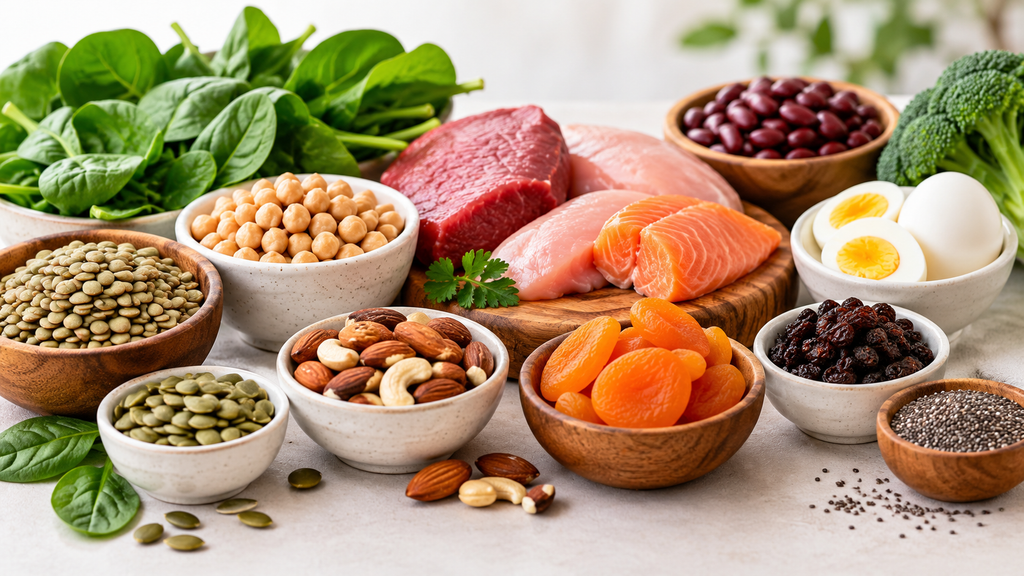
Iron is an essential mineral that helps your body produce hemoglobin, a protein in red blood cells that carries oxygen throughout the body. It also supports energy production, muscle function, and brain development. Eating foods high in iron can help you meet your nutritional needs and maintain overall health. There are many natural Iron-rich foods, including meat, seafood, lentils, beans, vegetables, seeds, and fortified cereals. Understanding the best sources of iron and how to improve iron absorption can help you maintain an iron-rich diet. What Does Iron Do in the Body? Iron supports hemoglobin production, oxygen transport, muscle function, and normal cell activity. It also contributes to brain development, particularly during childhood. Low iron levels can lead to iron-deficiency anemia, which may cause fatigue, weakness, dizziness, and difficulty concentrating. Eating iron-rich foods can help prevent inadequate intake, although some cases of iron deficiency require medical treatment. Types of Iron in Food There are two main types of dietary iron: Vegetarians can obtain iron from plant-based foods. Combining these foods with vitamin C can improve non-heme iron absorption. Iron-Rich Foods List: 12 Healthy Sources Here are 12 good sources of iron to include in your daily meals. 1. Red Meat Beef and lamb provide heme iron and protein. Lean cuts can be included in a balanced diet alongside vegetables and whole grains. 2. Liver Liver contains iron and vitamin B12. However, it is high in vitamin A, so pregnant individuals should avoid liver and liver products. 3. Chicken and Turkey Poultry provides protein and some heme iron. Serve it with beans, lentils, or vegetables for a nutritious meal. 4. Sardines and Shellfish Sardines, clams, and oysters provide iron, protein, and other nutrients. Shellfish can be particularly rich sources of iron. 5. Lentils Lentils are affordable, plant-based sources of iron, protein, and fiber. Half a cup of cooked lentils contains approximately 3 mg of iron. 6. Beans and Chickpeas White beans, kidney beans, and chickpeas supply non-heme iron and fiber. Add them to soups, salads, rice dishes, or vegetable curries. 7. Tofu Tofu provides plant-based protein and iron. Combine it with tomatoes, broccoli, or bell peppers to help improve iron absorption. 8. Spinach Spinach contains iron and folate. However, the body does not absorb all its iron, so include it alongside other iron-rich foods. 9. Pumpkin Seeds and Nuts Pumpkin seeds and cashews contribute iron and healthy fats. Sprinkle them over salads or oatmeal, or enjoy them as a snack. 10. Iron-Fortified Cereals Some breakfast cereals contain substantial amounts of added iron. Check nutrition labels because iron content varies between products. 11. Oats and Whole-Grain Bread Oats and whole-grain bread provide some iron and other nutrients. Choose fortified products when appropriate. 12. Dried Fruits Raisins and certain other dried fruits contain small amounts of iron. Add them to oatmeal or combine them with nuts and seeds. Iron-Rich Foods and Their Benefits Including iron-rich foods in a balanced diet offers several benefits: How to Increase Iron Levels Naturally Learning how to increase iron levels naturally starts with choosing a variety of iron-containing foods. Eat vitamin C-rich foods: Oranges, guava, tomatoes, strawberries, and bell peppers improve the absorption of non-heme iron. Combine them with lentils, beans, or tofu. Choose varied iron sources: Include legumes, seeds, fortified cereals, meat, or seafood according to your dietary preferences. Pay attention to tea and coffee: These beverages can reduce non-heme iron absorption when consumed with meals. Drinking them between meals may help if you have low iron levels. Avoid unnecessary supplements: Iron supplements are not suitable for everyone and should be taken with professional guidance. Daily Iron Requirements Daily iron requirements vary by age and life stage. General US recommendations include: These recommendations are general guidelines and may differ between countries. Individual needs can vary. Frequently Asked Questions What are the best sources of iron? Shellfish, meat, fortified cereals, lentils, beans, tofu, and seeds are useful sources of dietary iron. Can vegetarians get enough iron? Yes. Lentils, beans, chickpeas, tofu, seeds, and fortified cereals provide iron. Eating vitamin C-rich foods alongside them improves absorption. What are the side effects of too much iron? Excessive iron can cause nausea, constipation, and abdominal pain. High doses can be dangerous, so avoid unnecessary supplements. Conclusion Foods high in iron, including lentils, beans, seafood, meat, tofu, seeds, and fortified cereals, can help support healthy blood cells, energy production, and brain development. Choose a variety of natural sources of iron and combine plant-based foods with vitamin C to improve absorption. If you experience persistent fatigue or suspect iron deficiency, consult a healthcare professional. Food supports good nutrition, but some cases require testing and medical treatment. Medical disclaimer: This article is for educational purposes only and does not replace professional medical advice.
Vitamin D Foods: 8 Best Sources for Better Health
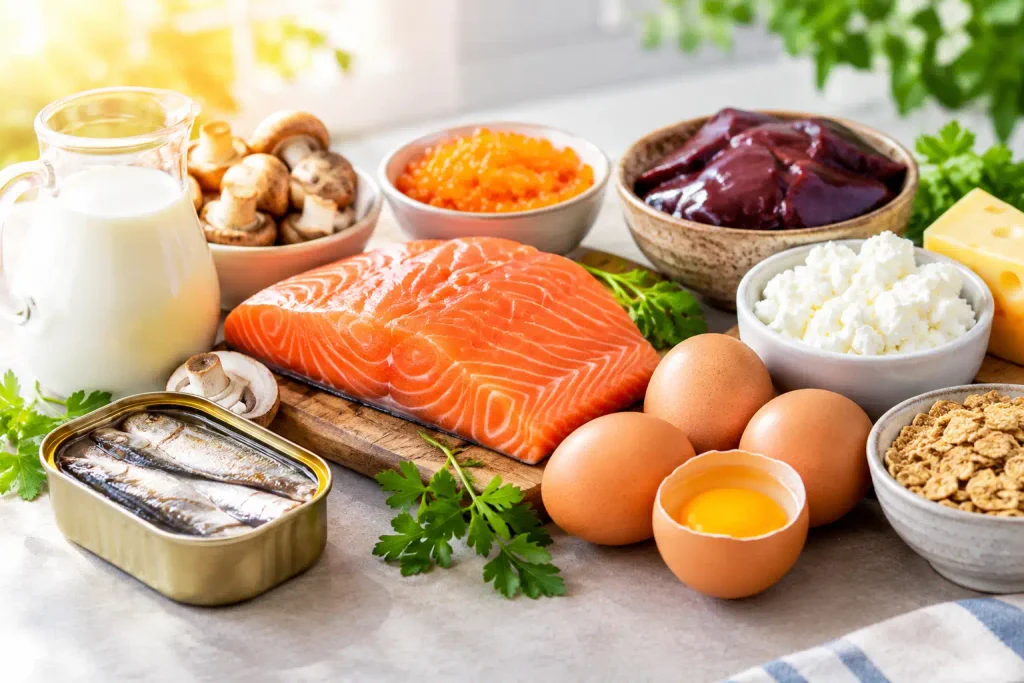
Vitamin D foods include fatty fish, egg yolks, certain mushrooms, and products fortified with vitamin D. This nutrient helps your body absorb calcium and supports healthy bones. It also plays a role in normal muscle and immune function. Few foods naturally contain large amounts of vitamin D. Some products, such as milk, breakfast cereals, and plant-based drinks, may contain added vitamin D. Knowing which foods provide this nutrient can help you make informed choices and maintain a balanced diet. What Is Vitamin D? Vitamin D is a fat-soluble vitamin that helps the body absorb calcium and maintain normal calcium and phosphorus levels. These minerals are important for healthy bones and teeth. There are two main forms of vitamin D: Both forms can increase vitamin D levels in the body. The amount you get from food depends on the type of food, serving size, and whether the product has been fortified. Why Does Your Body Need Vitamin D? Vitamin D has several important functions. Supports Bone Health Vitamin D helps the intestines absorb calcium from food. Calcium and phosphorus help build and maintain bones. Severe vitamin D deficiency can cause rickets in children and osteomalacia in adults. Both conditions affect bone health. Helps Maintain Muscle Function Vitamin D plays a role in normal muscle function. Severe deficiency can contribute to muscle weakness, although muscle symptoms can have many other causes. Supports Normal Immune Function Vitamin D also contributes to normal immune system function. However, getting extra vitamin D does not guarantee protection against infections. The main established nutritional role discussed here is its contribution to bone health and calcium absorption. 8 Best Food Sources of Vitamin D Adding foods that contain vitamin D to your meals can help increase your dietary intake. The following options include natural sources and products that may contain added vitamin D. 1. Fatty Fish Fatty fish are among the best natural food sources of vitamin D. They also provide protein and other nutrients. Examples include: The vitamin D content varies by fish type and serving size. According to the US National Institutes of Health (NIH), a 3-ounce serving of cooked sockeye salmon provides about 570 IU (14.2 micrograms) of vitamin D. The same serving size of cooked rainbow trout provides about 645 IU (16.2 micrograms). Fish can be prepared in different ways, including baking, grilling, or cooking in a curry. The vitamin D content of a meal will depend on the fish used and the serving size. 2. Egg Yolks Egg yolks contain small amounts of vitamin D. The amount can vary depending on the hen’s diet and other factors. According to NIH food data, one large scrambled egg provides about 44 IU (1.1 micrograms) of vitamin D. Eggs are also a source of protein and other nutrients. You can include boiled eggs, scrambled eggs, or omelets in a balanced diet. However, eggs generally provide less vitamin D per serving than fatty fish. 3. Fortified Milk Some milk products contain added vitamin D. This process is called fortification, which means that a nutrient is added to a food during production. In the United States, many milk products are fortified with vitamin D. One cup of fortified 2% milk provides about 120 IU (3 micrograms), according to NIH data. However, milk fortification varies between countries and brands. Do not assume that every milk product contains added vitamin D. Check the nutrition label to see whether the product provides this nutrient. 4. Fortified Plant-Based Milk Plant-based drinks may also provide vitamin D when manufacturers add it during production. Examples include: The amount varies by brand. Some products contain added vitamin D, while others do not. For example, NIH data for selected fortified plant-based drinks lists approximately 100–144 IU (2.5–3.6 micrograms) per cup. These values do not apply to every product. Check the nutrition label before choosing a plant-based drink as a vitamin D source. 5. Mushrooms Mushrooms can provide vitamin D2. Their vitamin D content varies according to the type of mushroom and its exposure to ultraviolet light. Some commercially available mushrooms are exposed to UV light to increase their vitamin D content. NIH data lists about 366 IU (9.2 micrograms) in half a cup of sliced white mushrooms exposed to UV light. Ordinary mushrooms may contain much less. For this reason, do not assume that all mushrooms provide the same amount of vitamin D. Mushrooms can be added to soups, omelets, vegetable dishes, and other meals. When available, check the packaging for information about UV treatment and vitamin D content. 6. Fortified Breakfast Cereals Some breakfast cereals contain added vitamin D. The amount depends on the product and the level of fortification. For example, the NIH lists approximately 80 IU (2 micrograms) per serving for a ready-to-eat cereal fortified with 10% of the US Daily Value for vitamin D. This figure applies to that stated fortification level, not every breakfast cereal. Check the nutrition label for vitamin D per serving. It is also useful to compare sugar and fiber content when selecting a cereal. 7. Fortified Orange Juice Some orange juice products contain added vitamin D, but many do not. If you want orange juice to contribute to your vitamin D intake, check the product label. The amount can vary between brands, so there is no single value that applies to every serving. Fortified orange juice can contribute to your daily intake, but it should be considered one option among several dietary sources. 8. Beef Liver and Cheese Beef liver and cheese contain small amounts of vitamin D. They also provide other nutrients, but their vitamin D content is generally lower than that of fatty fish. NIH food data lists approximately 42 IU (1 microgram) in a 3-ounce serving of braised beef liver and about 17 IU (0.4 micrograms) in 1.5 ounces of cheddar cheese. The amounts vary with the food and serving size. These foods can contribute to your intake, but they are not as concentrated a source as certain fatty fish. How Much Vitamin
Vitamin C: Benefits, Food Sources & Daily Needs

Vitamin C is an essential nutrient that supports collagen production, wound healing, immune function, and iron absorption. The body cannot make vitamin C, so you need to get it from food or supplements. Fruits and vegetables, such as oranges, strawberries, kiwi, bell peppers, and broccoli, are useful sources. This guide explains vitamin C benefits, daily requirements, deficiency symptoms, and supplement safety. What Is Vitamin C? Vitamin C, also called ascorbic acid, is a water-soluble vitamin. This means it dissolves in water, and the body removes much of the excess through urine. The body keeps only a limited reserve, so regular intake is important. Fruits and vegetables are the main dietary sources. Some fortified foods and drinks also contain vitamin C. Supplements are another option for people who cannot get enough from their diet. Health Benefits of Vitamin C 1. Supports Collagen Production Vitamin C helps the body make collagen, a protein found in skin, blood vessels, tendons, and ligaments. Collagen also helps maintain cartilage, bones, and teeth. The body needs collagen to repair tissues and heal wounds. Getting enough vitamin C helps support these normal processes. 2. Provides Antioxidant Protection Vitamin C acts as an antioxidant. Antioxidants help protect cells from damage caused by unstable molecules called free radicals. Free radicals form during normal body processes. Exposure to tobacco smoke and pollution can also increase exposure to them. Vitamin C is one part of the body’s natural antioxidant defenses. 3. Helps the Body Absorb Iron Iron is needed to make hemoglobin, a protein in red blood cells that carries oxygen. Vitamin C improves the absorption of non-heme iron, which is found in plant foods. You can increase iron absorption by eating vitamin C-rich foods alongside meals containing beans, lentils, or other plant sources of iron. For example, adding tomatoes or bell peppers to a meal with lentils provides vitamin C with plant-based iron. 4. Supports Normal Immune Function Vitamin C supports several functions of the immune system. Getting enough vitamin C helps the body maintain its normal defenses. However, vitamin C is not a guaranteed way to prevent infections. Regular use of vitamin C supplements may slightly shorten the duration of a common cold or make symptoms milder for some people. Starting supplements after cold symptoms appear has not shown consistent benefits. 5. Helps With Wound Healing The body needs vitamin C to produce collagen and repair tissues. A deficiency can slow wound healing and affect the health of the gums and other tissues. Eating enough vitamin C supports normal healing. However, taking extra supplements does not mean wounds will heal faster if you already get enough vitamin C. Foods High in Vitamin C Fruits and vegetables are the best dietary sources of vitamin C. Eating a variety of these foods can help you meet your daily needs. Fruits Rich in Vitamin C Good fruit sources include: Vegetables Rich in Vitamin C Useful vegetable sources include: Some cereals, juices, and other products have added vitamin C. Check the nutrition label to see whether a product is fortified and how much it provides. How to Preserve Vitamin C in Food Vitamin C content can decrease during long storage and cooking. Exposure to light can also reduce the amount in some foods. To help preserve vitamin C: These steps can help reduce vitamin C losses, although the amount retained depends on the food and preparation method. How Much Vitamin C Do You Need Daily? The recommended amount depends on age, sex, and life stage. The following recommendations apply to adults aged 19 and older under US dietary guidelines. GroupRecommended daily intakeAdult men90 mgAdult women75 mgPregnant adults85 mgBreastfeeding adults120 mgAdults who smokeAn additional 35 mg These amounts are not intended for children or teenagers, whose requirements differ by age and life stage. People who smoke need additional vitamin C because smoking increases the body’s requirement. Many people can meet their daily needs through a varied diet that includes fruits and vegetables. Vitamin C Deficiency: Symptoms and Causes Vitamin C deficiency develops when the body does not get enough vitamin C over time. A diet with very few fruits and vegetables can increase the risk. People with a very limited food variety or certain medical conditions that affect nutrient absorption may also be at greater risk. Common Signs of Vitamin C Deficiency Possible symptoms include: These symptoms can have other causes, so they do not confirm a vitamin C deficiency on their own. A healthcare professional can assess the symptoms and determine whether further testing is needed. What Is Scurvy? Scurvy is a disease caused by severe vitamin C deficiency. It can cause weakness, anemia, gum disease, bruising, and poor wound healing. Although uncommon in populations with access to a varied diet, scurvy can develop when someone receives very little vitamin C for a prolonged period. Suspected deficiency requires appropriate medical assessment and treatment. Vitamin C Supplements: Benefits and Safety Vitamin C supplements are available as tablets, capsules, chewable products, and powders. Some people may need supplements when their diet does not provide enough vitamin C or when a healthcare professional recommends them. However, supplements are not necessary for everyone. Foods provide vitamin C along with other nutrients and, in many cases, fiber. How Much Vitamin C Is Too Much? For adults, the tolerable upper intake level is 2,000 mg per day from all sources, including food and supplements. This is a safety limit, not a recommended daily target. The upper limits for children and teenagers are lower. High doses of vitamin C supplements can cause: High intakes may also increase the risk of kidney stones in some people. Those with hereditary hemochromatosis, a condition that causes excess iron to build up in the body, should be especially careful because high doses of vitamin C can worsen iron overload. Vitamin C supplements may also interact with some medical treatments, including chemotherapy and radiation therapy. Anyone receiving cancer treatment should discuss supplements with their healthcare team before taking them. Does the Body Absorb All