Mental Health Disorders: Types, Symptoms & Treatment
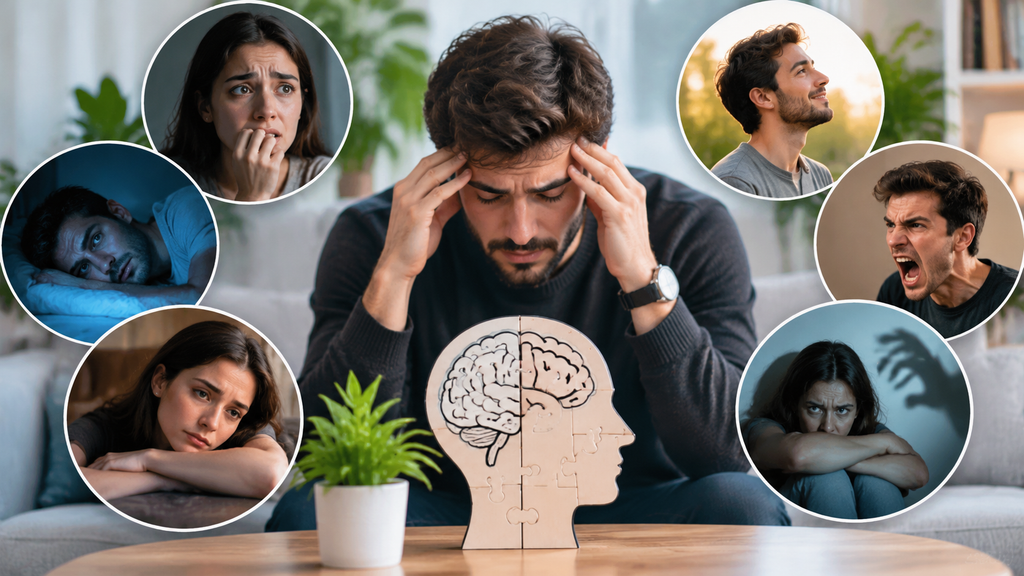
Mental health disorders affect how a person thinks, feels, and behaves. They can make daily life, work, studies, and relationships harder. These conditions can affect people of any age. Many people improve with the right care and support. Mental health disorders include anxiety, depression, bipolar disorder, obsessive-compulsive disorder (OCD), and other conditions. Each disorder has its own symptoms and treatment options. What Are Mental Health Disorders? Mental health disorders are conditions that affect a person’s thoughts, emotions, mood, or behavior. Some may cause ongoing sadness or fear. Others can affect attention, daily habits, or a person’s view of reality. Having a mental health condition is not a personal failure. A qualified health professional can help identify the problem and suggest suitable care. Common Types of Mental Health Disorders 1. Anxiety Disorders Anxiety disorders cause strong or ongoing fear and worry. A person may feel nervous even when there is no clear danger. Common types include: Symptoms may include restlessness, fast heartbeat, trouble sleeping, and difficulty controlling worry. 2. Depression Depression is more than feeling sad for a short time. It can affect mood, energy, sleep, and interest in daily activities. Common signs include: 3. Bipolar Disorder Bipolar disorder affects a person’s mood and energy. People may have periods of very high or irritable mood and periods of depression. During a high mood episode, a person may need less sleep, speak more quickly, or take unusual risks. During a depressive episode, they may feel very sad or lose interest in daily life. 4. Obsessive-Compulsive Disorder (OCD) OCD involves unwanted, repeated thoughts and repeated actions. These thoughts are called obsessions. The actions are called compulsions. For example, a person may feel a strong need to check locks or wash their hands again and again. These habits can take up time and affect daily life. 5. Post-Traumatic Stress Disorder (PTSD) PTSD can develop after a person experiences or witnesses a traumatic event. Symptoms may include unwanted memories, nightmares, fear, and avoiding reminders of the event. Some people may also feel constantly alert or emotionally distant. 6. Attention-Deficit/Hyperactivity Disorder (ADHD) ADHD affects attention and behavior. A person may find it hard to focus, stay organized, sit still, or control impulses. Symptoms can affect school, work, and everyday tasks. 7. Schizophrenia Schizophrenia is a serious mental health condition that can affect thoughts and the way a person understands reality. Symptoms may include hallucinations, delusions, and confused thinking. Professional care is important. 8. Eating Disorders Eating disorders affect a person’s relationship with food, eating, and body image. Examples include anorexia nervosa and bulimia nervosa. These conditions can affect both physical and mental health. 9. Personality Disorders Personality disorders can affect how a person thinks about themselves and relates to others. Borderline personality disorder is one example. It may involve great changes in emotions, unstable relationships, and an unclear sense of self. Common Symptoms of Mental Health Disorders Symptoms are different for each person and condition. Some common signs include: These signs do not always mean a person has a mental health disorder. A professional assessment is needed. What Causes Mental Health Disorders? There is no single cause for all mental health disorders. Different conditions may involve different factors. A person’s symptoms and personal history can help a healthcare professional understand their situation. It is not helpful to blame someone for having a mental health condition. How Are Mental Health Disorders Diagnosed? A healthcare professional may ask about a person’s thoughts, feelings, behavior, and symptoms. They may also ask how long the symptoms have lasted and how they affect daily life. The professional uses this information to decide whether further assessment or treatment is needed. An online quiz or a single symptom cannot confirm a diagnosis. Treatment for Mental Health Disorders Treatment depends on the condition and the person’s needs. Common options include: Psychotherapy Psychotherapy, also called talk therapy, helps people understand their thoughts and feelings. Cognitive behavioral therapy (CBT) is one type of therapy used for some mental health conditions. Medication A healthcare professional may prescribe medication to help manage symptoms. Medicines may include antidepressants, mood stabilizers, or antipsychotics, depending on the condition. People should take medication as prescribed and speak with their healthcare professional before making changes. Support and Healthy Habits Support from family, friends, and healthcare professionals can help. Regular sleep, physical activity, and healthy daily habits may also support general well-being. When Should You Seek Help? Seek professional help if emotional or behavioral changes continue, become difficult to manage, or affect daily life. If someone may harm themselves or another person, seek urgent help from local emergency services or a qualified healthcare professional. Frequently Asked Questions What are the most common mental health disorders? Common mental health disorders include anxiety disorders, depression, bipolar disorder, OCD, PTSD, and ADHD. Can mental health disorders be treated? Yes. Many people manage their symptoms with professional care. Treatment may include therapy, medication, and support. Can one person have more than one mental health disorder? Yes. A person can experience more than one mental health condition. A healthcare professional can assess their symptoms. How do I know if I need mental health support? Consider speaking with a professional if ongoing changes in mood, thoughts, or behavior affect your daily life. Conclusion Mental health disorders can affect thoughts, emotions, and daily activities. Common conditions include anxiety, depression, bipolar disorder, OCD, PTSD, and ADHD. Symptoms and treatment needs vary from person to person. Early professional support can help people understand their condition and find suitable care. This article is for general information only. It does not replace professional medical advice, diagnosis, or treatment.
ADHD vs Anxiety: Symptoms, Differences, and Treatment Options

ADHD vs Anxiety can cause similar symptoms. Both can make it hard to focus, finish tasks, and stay calm. However, they are different conditions. ADHD affects how the brain manages attention, activity, and self-control. Anxiety is linked to fear, worry, and feeling nervous about what may happen. Some people have ADHD, anxiety, or both. Knowing the difference can help people find the right support. What Is ADHD? ADHD stands for Attention-Deficit/Hyperactivity Disorder. It is a neurodevelopmental condition that affects attention and behaviour. People with ADHD may find it hard to stay focused, control impulses, or manage daily tasks. These symptoms can affect work, school, and personal life. ADHD symptoms often begin in childhood. However, they can continue into adulthood. Common Symptoms of ADHD ADHD symptoms can vary from person to person. Common signs include: Not everyone with ADHD has the same symptoms. Some people mainly struggle with attention, while others also have hyperactivity and impulsive behaviour. What Is Anxiety? Anxiety is a feeling of fear, worry, or nervousness. It is a normal response to stress. However, it can become a problem when worry is strong, frequent, or hard to control. People with anxiety may spend a lot of time thinking about possible problems. They may worry about work, relationships, health, or everyday situations. Anxiety can affect sleep, focus, and daily activities. Common Symptoms of Anxiety Common symptoms of anxiety include: Anxiety can affect both the mind and body. Some people may also notice muscle tension, a fast heartbeat, or sweating. ADHD vs Anxiety: What Is the Difference? ADHD and anxiety can look alike, but the reason behind each symptom may be different. 1. Difference in Focus People with ADHD may struggle to focus even when they are calm. Their attention may move from one task to another, especially when a task feels boring or repetitive. People with anxiety may lose focus because they are thinking about something that worries them. For example, a person with ADHD may forget to finish a work task because they become distracted. A person with anxiety may delay the same task because they keep worrying about making a mistake. 2. Difference in Task Avoidance Both conditions can make it hard to start or finish tasks. With ADHD, a person may feel overwhelmed by a task. They may struggle to plan the steps or decide where to begin. With anxiety, a person may avoid a task because they fear failure, criticism, or a poor result. The behaviour may look the same, but the reason can be different. 3. Difference in Restlessness Restlessness is common in both conditions. A person with ADHD may move, tap their feet, or fidget without noticing it. They may find it hard to sit still. A person with anxiety may feel tense or on edge. Their restlessness may come from fear or worry. 4. Difference in Thoughts People with ADHD may have many thoughts at once. They may jump between ideas and find it hard to stay with one task. People with anxiety may have repeated thoughts about problems or possible danger. They may keep thinking about what could go wrong. 5. Difference in Childhood Symptoms ADHD symptoms usually begin in childhood, even if the condition is not diagnosed until adulthood. Anxiety can begin at different stages of life. It may develop after stressful events or other life changes. A person’s history can help a healthcare professional understand the cause of their symptoms. Can ADHD and Anxiety Occur Together? Yes. A person can have both ADHD and anxiety. For example, someone with ADHD may often forget tasks, miss deadlines, or struggle with planning. These problems may lead to stress and worry. A person may also have anxiety that is not only related to ADHD. Both conditions can affect daily life at the same time. This is why it is important not to judge a condition by one symptom alone. A full assessment can help identify what is happening. How to Tell Whether You Have ADHD or Anxiety It can be difficult to tell the difference without professional help. However, some questions may help you understand your symptoms. Ask yourself: These questions cannot confirm a diagnosis. They can help you explain your experience to a healthcare professional. How Are ADHD and Anxiety Diagnosed? ADHD and anxiety need proper assessment. A healthcare professional can ask about symptoms, daily habits, and personal history. For ADHD, the assessment may include questions about childhood behaviour, attention, activity, and problems with daily tasks. For anxiety, the professional may ask about worry, fear, stress, sleep, and how symptoms affect everyday life. They may also ask about medical history and mental health. Information from family members or people who know the person may also help. Do not try to diagnose yourself based only on online symptom lists. Many conditions can affect focus, sleep, and mood. Treatment Options for ADHD and Anxiety Treatment depends on the person’s symptoms and needs. A healthcare professional can suggest suitable options after an assessment. Cognitive Behavioural Therapy (CBT) CBT is a type of talking therapy. It helps people understand how thoughts, feelings, and actions are connected. For anxiety, CBT can help people notice patterns of worry and learn ways to respond to them. CBT may also be adapted for people with ADHD. It can help them work on daily challenges and build useful habits. Acceptance and Commitment Therapy (ACT) ACT is another form of therapy discussed in the supplied sources. It helps people notice difficult thoughts and feelings without allowing them to control every action. It also focuses on taking steps that match personal values. A therapist can help decide whether this approach is suitable. Executive Function Coaching Executive function coaching may help people with ADHD manage daily tasks. A coach may help a person: These skills may make daily responsibilities easier to handle. Mindfulness Practices Mindfulness involves paying attention to the present moment. Some people use breathing exercises, meditation, or other mindfulness practices to manage stress. These practices may support well-being, but they
Mental Health Conditions: 7 Types, Symptoms & Treatment

Mental health conditions affect how people think, feel, and behave. They can affect relationships, sleep, work, school, and daily life. Common examples include anxiety disorders, depression, and bipolar disorder. Mental and physical health are closely linked. Both are important for overall well-being. Learning about mental health problems can help people recognize symptoms and find the right support. What Are Mental Health Conditions? Mental health conditions, also called mental health disorders, affect a person’s thoughts, feelings, or behavior. They can range from mild problems to serious conditions that need long-term care. There are many types of mental health conditions. Some symptoms improve with time and support, while others need ongoing treatment. A mental health professional can assess symptoms and suggest suitable treatment options. 7 Common Types of Mental Health Conditions 1. Anxiety Disorders Anxiety disorders cause strong fear or worry that can interfere with daily activities. Common symptoms include: Treatment may include talk therapy, medication, and relaxation techniques. 2. Depression Depression causes ongoing sadness or loss of interest in usual activities. It can affect energy, sleep, appetite, and concentration. Common symptoms include low mood, tiredness, changes in sleep, and difficulty completing daily tasks. Treatment may include therapy, medication, or both. 3. Bipolar Disorder Bipolar disorder causes major changes in mood, energy, and activity. A person may experience periods of unusually high energy and periods of depression. These changes can affect sleep, decisions, relationships, and daily routines. Treatment often includes medication and therapy. 4. Post-Traumatic Stress Disorder (PTSD) PTSD may develop after a traumatic experience. Symptoms can include unwanted memories, nightmares, fear, and avoiding reminders of the event. A mental health professional may recommend trauma-focused therapy and, when needed, medication. 5. Schizophrenia Schizophrenia is a psychotic disorder that can affect thinking, feelings, and the way a person understands reality. Symptoms may include hearing or seeing things others do not, unusual beliefs, confused speech, and difficulty managing daily tasks. Treatment may include medicine, therapy, and community support. 6. Attention-Deficit/Hyperactivity Disorder (ADHD) ADHD affects attention, activity levels, and impulse control. It often begins in childhood but may continue into adulthood. Signs can include forgetfulness, restlessness, difficulty focusing, and problems organizing tasks. Treatment may include behavioral support, therapy, school or work adjustments, and medication. 7. Obsessive-Compulsive Disorder (OCD) OCD involves unwanted, repeated thoughts and urges, along with repeated actions or mental routines. These symptoms can take up time and make daily life harder. Treatment may include cognitive behavioral therapy and medication, depending on the person’s needs. Common Signs of Mental Health Problems Mental health issues affect people in different ways. Possible signs include: These signs do not always mean a person has a mental health condition. If symptoms continue or affect daily life, professional advice can help. What Causes Mental Health Conditions? There is no single cause of all mental health disorders. Several factors may play a role, including: Having these risk factors does not mean someone will develop a condition. How Are Mental Health Conditions Diagnosed? Medical doctors and mental health professionals can assess symptoms and discuss a person’s health history. They may ask how long symptoms have lasted and how they affect everyday activities. Depending on the situation, an assessment may involve a physical checkup, questions about family history, or psychological tests. A social worker may also help connect people with community services and support. A proper assessment helps identify possible health disorders and guide treatment. Treatment Options and Support Treatment depends on the condition and the person’s needs. Common options include: These steps can work together. Healthy habits and support do not replace medical care when treatment is needed. When Should You Get Help? Speak with a mental health professional if symptoms continue, become hard to manage, or affect school, work, relationships, or sleep. Early support can help people understand their needs and find suitable care. If someone is in immediate danger, contact local emergency services. In the United States, people experiencing a mental health crisis can call or text 988, the 988 Suicide & Crisis Lifeline. This number is for the US; people in other countries should contact their local crisis service or emergency support. Frequently Asked Questions What are the most common mental health conditions? Anxiety disorders and depression are common examples. Other conditions include bipolar disorder, PTSD, ADHD, OCD, and schizophrenia. Can mental health conditions be treated? Yes. Many conditions can be managed with therapy, medicine, practical support, or a combination of treatments. Can mental health problems affect physical health? Yes. Mental and physical health are connected. Stress and mental health symptoms may affect sleep, energy, and daily habits. Who can help with mental health issues? A mental health professional, doctor, psychologist, psychiatrist, or social worker may help, depending on the person’s needs and available services. Conclusion Mental health conditions can affect thoughts, feelings, relationships, and daily life. Learning about their types, symptoms, and causes can help people seek support sooner. With suitable health care and treatment, many people can manage symptoms and improve their quality of life. Medical Disclaimer: This article provides general educational information. It does not replace professional medical advice, diagnosis, or treatment. Speak with a qualified healthcare professional about personal concerns.