Mental health disorders affect how a person thinks, feels, and behaves. They can make daily life, work, studies, and relationships harder. These conditions can affect people of any age. Many people improve with the right care and support.
Mental health disorders include anxiety, depression, bipolar disorder, obsessive-compulsive disorder (OCD), and other conditions. Each disorder has its own symptoms and treatment options.
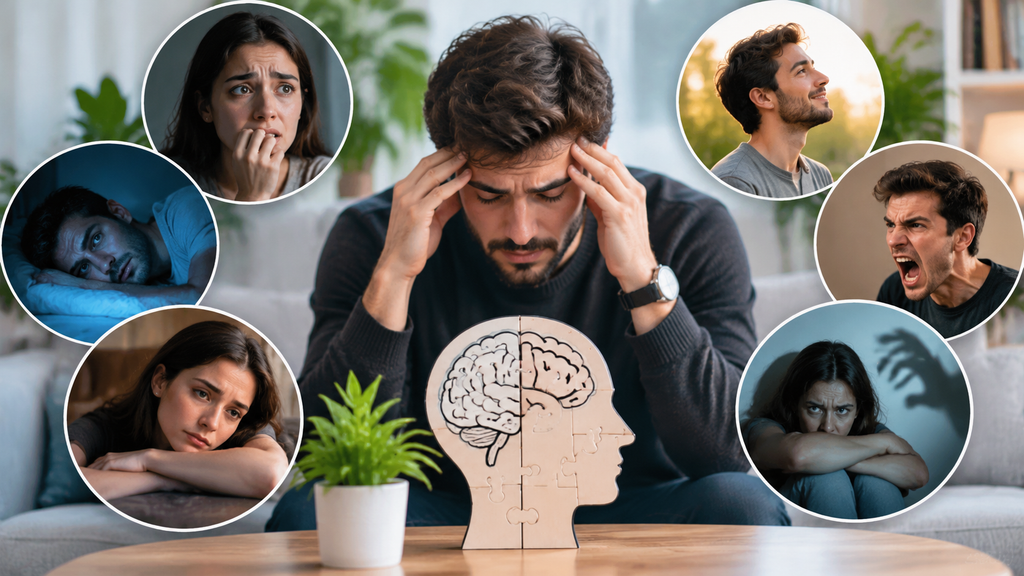
What Are Mental Health Disorders?
Mental health disorders are conditions that affect a person’s thoughts, emotions, mood, or behavior. Some may cause ongoing sadness or fear. Others can affect attention, daily habits, or a person’s view of reality.
Having a mental health condition is not a personal failure. A qualified health professional can help identify the problem and suggest suitable care.
Common Types of Mental Health Disorders
1. Anxiety Disorders
Anxiety disorders cause strong or ongoing fear and worry. A person may feel nervous even when there is no clear danger.
Common types include:
- Generalized anxiety disorder
- Panic disorder
- Social anxiety disorder
Symptoms may include restlessness, fast heartbeat, trouble sleeping, and difficulty controlling worry.
2. Depression
Depression is more than feeling sad for a short time. It can affect mood, energy, sleep, and interest in daily activities.
Common signs include:
- Feeling sad or empty
- Losing interest in usual activities
- Low energy
- Changes in sleep
- Trouble focusing
- Feelings of hopelessness
3. Bipolar Disorder
Bipolar disorder affects a person’s mood and energy. People may have periods of very high or irritable mood and periods of depression.
During a high mood episode, a person may need less sleep, speak more quickly, or take unusual risks. During a depressive episode, they may feel very sad or lose interest in daily life.
4. Obsessive-Compulsive Disorder (OCD)
OCD involves unwanted, repeated thoughts and repeated actions. These thoughts are called obsessions. The actions are called compulsions.
For example, a person may feel a strong need to check locks or wash their hands again and again. These habits can take up time and affect daily life.
5. Post-Traumatic Stress Disorder (PTSD)
PTSD can develop after a person experiences or witnesses a traumatic event. Symptoms may include unwanted memories, nightmares, fear, and avoiding reminders of the event.
Some people may also feel constantly alert or emotionally distant.
6. Attention-Deficit/Hyperactivity Disorder (ADHD)
ADHD affects attention and behavior. A person may find it hard to focus, stay organized, sit still, or control impulses.
Symptoms can affect school, work, and everyday tasks.
7. Schizophrenia
Schizophrenia is a serious mental health condition that can affect thoughts and the way a person understands reality.
Symptoms may include hallucinations, delusions, and confused thinking. Professional care is important.
8. Eating Disorders
Eating disorders affect a person’s relationship with food, eating, and body image.
Examples include anorexia nervosa and bulimia nervosa. These conditions can affect both physical and mental health.
9. Personality Disorders
Personality disorders can affect how a person thinks about themselves and relates to others.
Borderline personality disorder is one example. It may involve great changes in emotions, unstable relationships, and an unclear sense of self.
Common Symptoms of Mental Health Disorders
Symptoms are different for each person and condition. Some common signs include:
- Ongoing sadness or fear
- Sudden mood changes
- Changes in sleep or eating habits
- Low energy
- Trouble focusing
- Avoiding family or friends
- Losing interest in daily activities
- Difficulty managing everyday tasks
These signs do not always mean a person has a mental health disorder. A professional assessment is needed.
What Causes Mental Health Disorders?
There is no single cause for all mental health disorders. Different conditions may involve different factors. A person’s symptoms and personal history can help a healthcare professional understand their situation.
It is not helpful to blame someone for having a mental health condition.
How Are Mental Health Disorders Diagnosed?
A healthcare professional may ask about a person’s thoughts, feelings, behavior, and symptoms. They may also ask how long the symptoms have lasted and how they affect daily life.
The professional uses this information to decide whether further assessment or treatment is needed. An online quiz or a single symptom cannot confirm a diagnosis.

Treatment for Mental Health Disorders
Treatment depends on the condition and the person’s needs. Common options include:
Psychotherapy
Psychotherapy, also called talk therapy, helps people understand their thoughts and feelings. Cognitive behavioral therapy (CBT) is one type of therapy used for some mental health conditions.
Medication
A healthcare professional may prescribe medication to help manage symptoms. Medicines may include antidepressants, mood stabilizers, or antipsychotics, depending on the condition.
People should take medication as prescribed and speak with their healthcare professional before making changes.
Support and Healthy Habits
Support from family, friends, and healthcare professionals can help. Regular sleep, physical activity, and healthy daily habits may also support general well-being.
When Should You Seek Help?
Seek professional help if emotional or behavioral changes continue, become difficult to manage, or affect daily life.
If someone may harm themselves or another person, seek urgent help from local emergency services or a qualified healthcare professional.
Frequently Asked Questions
What are the most common mental health disorders?
Common mental health disorders include anxiety disorders, depression, bipolar disorder, OCD, PTSD, and ADHD.
Can mental health disorders be treated?
Yes. Many people manage their symptoms with professional care. Treatment may include therapy, medication, and support.
Can one person have more than one mental health disorder?
Yes. A person can experience more than one mental health condition. A healthcare professional can assess their symptoms.
How do I know if I need mental health support?
Consider speaking with a professional if ongoing changes in mood, thoughts, or behavior affect your daily life.
Conclusion
Mental health disorders can affect thoughts, emotions, and daily activities. Common conditions include anxiety, depression, bipolar disorder, OCD, PTSD, and ADHD. Symptoms and treatment needs vary from person to person. Early professional support can help people understand their condition and find suitable care.
This article is for general information only. It does not replace professional medical advice, diagnosis, or treatment.