A panic attack is a sudden episode of intense fear or discomfort that can cause physical and emotional symptoms. These may include a racing heartbeat, shortness of breath, chest pain, sweating, dizziness, and fear of losing control. The symptoms can feel frightening and may sometimes resemble a medical emergency.
Panic attacks can happen unexpectedly or during stressful situations. Some people experience an occasional episode, while others have repeated attacks and ongoing fear of experiencing another one. Understanding the symptoms, possible triggers, and treatment options can help people manage panic attacks and know when to seek medical support.
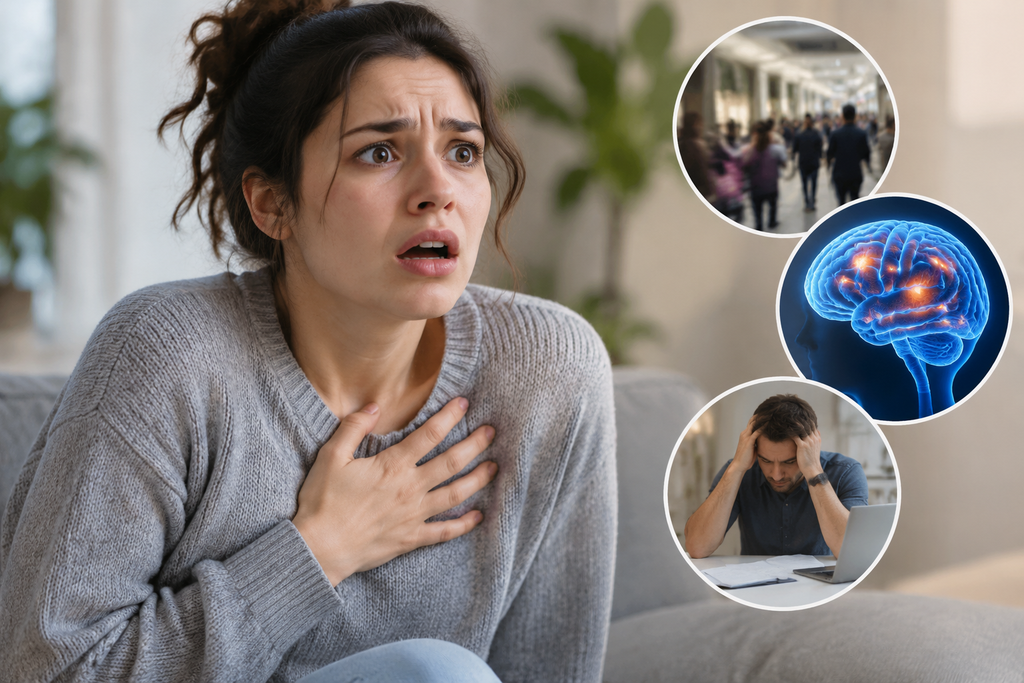
What Is a Panic Attack?
A panic attack is a sudden wave of intense fear that triggers the body’s fight-or-flight response. This response prepares the body to react to danger, even when there may be no immediate threat.
During an episode, the heart may beat faster, breathing may become difficult, and the body may start sweating or trembling. Some people also experience dizziness, nausea, chest discomfort, or a fear of dying.
Panic attacks can happen without an obvious reason or in response to particular situations. Experiencing a panic attack does not automatically mean someone has panic disorder.
What Does a Panic Attack Feel Like?
A panic attack can feel different from one person to another. Some people mainly notice physical symptoms, while others experience intense fear or a feeling of losing control.
Common experiences include:
- Sudden intense fear or discomfort.
- A racing or pounding heartbeat.
- Difficulty breathing or feeling short of breath.
- Chest tightness or discomfort.
- Sweating, chills, or hot flashes.
- Trembling or shaking.
- Dizziness or lightheadedness.
- Fear of dying or losing control.
- Feeling disconnected from yourself or your surroundings.
These symptoms can be especially frightening during a first episode. Because some physical symptoms can resemble other medical conditions, new or unexplained symptoms should be assessed by a healthcare professional.
What Is the Difference Between a Panic Attack and an Anxiety Attack?
Panic attacks and anxiety episodes are related, but they are not exactly the same. The term anxiety attack is commonly used to describe intense anxiety, but it is not a formal clinical diagnosis.
A panic attack usually begins suddenly and involves an intense wave of fear or discomfort. Symptoms often reach their peak within minutes and may happen without an obvious trigger.
Anxiety generally develops in response to stress, uncertainty, or an anticipated problem. It may build gradually and continue for a longer period.
For example, someone may feel anxious before an examination or an important event. A panic attack, however, may occur suddenly with intense physical and emotional symptoms.
Common Symptoms of Panic Attacks
Panic attack symptoms can affect the body, emotions, and thoughts. They usually appear suddenly and may become intense within a short period.
Not everyone experiences all the symptoms during an episode.
Physical Symptoms
Common physical symptoms include:
- Racing heartbeat: The heart may beat rapidly or feel as if it is pounding.
- Shortness of breath: A person may feel unable to breathe comfortably.
- Chest pain or tightness: Pressure or discomfort may develop in the chest.
- Sweating: Sudden sweating may occur.
- Shaking: The hands, legs, or entire body may tremble.
- Dizziness: A person may feel lightheaded or as if they might faint.
- Nausea: Stomach discomfort or an upset stomach may develop.
- Tingling or numbness: Some people experience unusual sensations in their hands, feet, or fingers.
- Chills or hot flashes: Sudden feelings of heat or cold may occur.
Emotional and Psychological Symptoms
Panic attacks can also affect how a person thinks and feels.
Common emotional symptoms include:
- Intense fear or a sense of danger.
- Fear of losing control.
- Fear of dying.
- Feeling detached from yourself.
- Feeling that your surroundings are unreal.
- A strong feeling that something terrible is about to happen.
These experiences can make an episode particularly distressing.
How Long Does a Panic Attack Last?
Most panic attacks reach their peak within about 10 minutes. Many last several minutes, although some may continue for 20 to 30 minutes or longer.
The duration can vary between individuals. After an episode, a person may feel tired, weak, or emotionally exhausted. Worry about experiencing another attack may also continue after the physical symptoms have settled.
Causes and Triggers of Panic Attacks
There is no single cause of panic attacks. They may develop because of a combination of biological, psychological, and environmental factors.
Some attacks happen unexpectedly, while others are associated with particular situations or experiences.
Common Causes
1. High Stress
Ongoing stress, emotional pressure, relationship difficulties, financial concerns, and major life changes may contribute to panic symptoms.
2. Genetics and Family History
People with a family history of panic disorder may have a higher likelihood of developing the condition. However, family history does not mean someone will definitely experience panic attacks.
3. Trauma and Difficult Experiences
Traumatic experiences and stressful life events may contribute to anxiety and panic symptoms.
4. Anxiety-Related Conditions
Panic attacks may occur alongside other anxiety conditions, phobias, and related mental health difficulties.
5. Sensitivity to Physical Sensations
Some people become highly concerned about normal body sensations, such as a faster heartbeat or changes in breathing. Worry about these sensations can increase fear and contribute to a cycle of panic.
Common Panic Attack Triggers
Certain factors may increase the likelihood of panic symptoms or contribute to an episode.
- Excessive caffeine consumption.
- Nicotine use.
- Sleep deprivation.
- Major life changes.
- Phobias or stressful situations.
- Substance use or withdrawal.
- Intense physical activity.
- Overbreathing or hyperventilation.
Triggers can vary from person to person. Identifying situations or habits associated with episodes may help people understand their experiences.
What Is Panic Disorder?
Panic disorder is an anxiety condition involving repeated, unexpected panic attacks and ongoing concern about experiencing another attack.
A person with panic disorder may spend considerable time worrying about future episodes or their possible consequences. They may also change their behavior or avoid places and situations because they fear another attack.
For example, someone who experiences an episode in a crowded shopping area may begin avoiding crowded places.
Panic disorder involves more than experiencing an occasional panic attack. Repeated unexpected attacks, followed by persistent worry or changes in behavior, are important features of the condition.
How Common Are Panic Attacks?
Panic attacks can happen to people with or without a diagnosed mental health condition. Experiencing one panic attack does not automatically mean someone has panic disorder.
The important distinction is whether attacks happen repeatedly and whether ongoing fear or avoidance begins affecting everyday activities.
How to Stop a Panic Attack: Immediate Coping Techniques
A panic attack can feel overwhelming, but some coping techniques may help reduce distress during an episode. These techniques are not guaranteed to stop every attack, but they can help people focus on the present moment.
1. Practice Slow and Gentle Breathing
Rapid breathing can make some panic symptoms feel worse. Try to slow your breathing without forcing deep breaths.
- Breathe in gently through your nose.
- Breathe out slowly and comfortably.
- Make your exhale slightly longer than your inhale.
- Continue at a comfortable pace.
Avoid holding your breath or forcing yourself to take very deep breaths.
2. Try the 3-3-3 Rule
The 3-3-3 rule is a simple grounding exercise that directs your attention toward your surroundings.
Follow these steps:
- Look around and name three things you can see.
- Identify three sounds you can hear.
- Move three parts of your body, such as your fingers, shoulders, and feet.
This exercise gives you something specific to focus on during an uncomfortable experience.
3. Use the 5-4-3-2-1 Grounding Technique
This technique uses your five senses to help you focus on the present moment.
- 5 things you can see: Notice objects around you.
- 4 things you can feel: Notice your feet on the floor or your hands touching a surface.
- 3 things you can hear: Identify nearby sounds.
- 2 things you can smell: Notice familiar scents.
- 1 thing you can taste: Focus on a taste in your mouth.
Take your time with each step. You can repeat the exercise if you find it helpful.
4. Remind Yourself That the Episode Will Pass
During a panic attack, frightening thoughts can make the experience more distressing.
Try reminding yourself:
- This feeling is temporary.
- I can take one step at a time.
- I can focus on my breathing and surroundings.
- I do not need to react to every frightening thought.
If possible, sit somewhere comfortable and safe while the symptoms settle.
Diagnosis of Panic Attacks and Panic Disorder
A healthcare professional may evaluate symptoms, medical history, and the frequency of panic episodes.
During an assessment, the doctor may ask:
- When did the symptoms begin?
- How often do the episodes happen?
- How long do they usually last?
- What symptoms occur during an episode?
- Are there particular situations that seem to trigger them?
- Do you worry about experiencing another attack?
A doctor may also recommend examinations or tests to check whether physical health conditions could explain the symptoms.
Panic disorder is diagnosed through a professional evaluation. Repeated unexpected panic attacks and ongoing concern about future episodes or changes in behavior are important factors in the assessment.

Panic Attack Treatment
Panic attacks and panic disorder can be managed with professional support. Treatment depends on the person’s symptoms, medical history, and individual needs.
Common treatment options include psychotherapy and medication.
1. Cognitive Behavioral Therapy (CBT)
Cognitive behavioral therapy is a commonly used treatment for panic disorder.
It helps people recognize unhelpful thought patterns and understand how thoughts, physical sensations, and behaviors are connected.
During CBT, a therapist may help someone:
- Identify thoughts that increase fear.
- Understand physical panic symptoms.
- Develop healthier responses to frightening sensations.
- Recognize and reduce avoidance behaviors.
- Practice coping techniques.
These skills can help people respond differently to panic symptoms and manage their fear.
2. Exposure Therapy
Exposure therapy may be used as part of treatment for panic-related fears.
It involves gradually facing feared physical sensations or situations in a controlled and supportive environment.
The purpose is to help people become more comfortable with situations they previously avoided.
Exposure therapy should be guided by an appropriately trained professional.
3. Medications
Healthcare professionals may prescribe medication when appropriate.
Common medication options include:
SSRIs: Selective serotonin reuptake inhibitors are antidepressants commonly used to treat panic disorder.
SNRIs: Serotonin-norepinephrine reuptake inhibitors may also be prescribed to help manage ongoing symptoms.
Anti-anxiety medications: Certain medications may be used in selected cases. Some can cause dependence and require careful medical supervision.
Medication choices depend on individual circumstances. Do not start, stop, or change prescribed medication without consulting a healthcare professional.
How to Reduce the Risk of Future Panic Attacks
Although it may not be possible to prevent every panic attack, certain lifestyle habits may support emotional well-being and help people manage symptoms.
Maintain a Regular Sleep Schedule
Sleep deprivation may contribute to stress and make anxiety symptoms harder to manage. Try to maintain consistent sleeping and waking times.
Reduce Excessive Caffeine and Nicotine
Caffeine and nicotine can increase physical sensations such as a racing heartbeat or nervousness. Reducing their use may help some people manage these symptoms.
Exercise Regularly
Regular physical activity supports general health and emotional well-being. Choose activities that are appropriate for your fitness level.
Practice Relaxation Techniques
Gentle breathing exercises and grounding techniques can help you respond to uncomfortable feelings and stressful situations.
Identify Your Triggers
Pay attention to situations, thoughts, or habits that seem to occur before panic episodes.
You may find it useful to record:
- When an episode happens.
- What you were doing at the time.
- Which symptoms you experienced.
- Whether you had consumed caffeine.
- Whether you were dealing with a stressful situation.
Sharing this information with a healthcare professional may help them understand your experiences.
Follow Your Treatment Plan
If you have been diagnosed with panic disorder, follow your healthcare professional’s recommendations. Attend scheduled therapy sessions and take prescribed medication as directed.
How to Help Someone Having a Panic Attack
Watching someone experience a panic attack can be upsetting. Calm and supportive behavior may help the person feel more comfortable.
Here are some practical ways to offer support:
- Stay calm: Speak slowly and gently.
- Offer reassurance: Let the person know you are there to support them.
- Find a comfortable place: Help them move somewhere quiet and safe if possible.
- Encourage gentle breathing: Avoid forcing them to take deep breaths.
- Try grounding techniques: Help them notice objects and sounds around them.
- Avoid judgment: Do not dismiss their feelings or tell them to simply calm down.
- Seek medical help when needed: Do not automatically assume that chest pain or breathing difficulties are caused by panic.
After the episode, encourage the person to discuss repeated attacks with a healthcare professional.
When Should You See a Doctor?
Occasional panic symptoms do not automatically indicate panic disorder. However, repeated episodes and ongoing fear deserve professional attention.
Consider seeing a healthcare professional if:
- You experience repeated panic attacks.
- You constantly worry about having another episode.
- You avoid social activities or everyday situations because of fear.
- Panic symptoms interfere with work, education, or relationships.
- You have difficulty managing symptoms.
- You experience new or unexplained physical symptoms.
Important medical warning: Chest pain, severe breathing difficulty, fainting, or sudden unexplained symptoms may indicate a medical emergency. Panic attacks can resemble other medical conditions, so do not assume these symptoms are caused by anxiety. Seek urgent medical attention when necessary.
Frequently Asked Questions About Panic Attacks
1. What is a panic attack?
A panic attack is a sudden episode of intense fear or discomfort that causes physical and emotional symptoms, such as a racing heartbeat, sweating, trembling, chest discomfort, and difficulty breathing.
2. What are the first signs of a panic attack?
Early signs may include sudden fear, a racing heartbeat, sweating, trembling, dizziness, chest tightness, and changes in breathing. Symptoms can vary between individuals.
3. How do you stop a panic attack quickly?
Gentle breathing and grounding exercises may help reduce distress. Try focusing on your surroundings and reminding yourself that the episode will pass. Seek medical attention if symptoms are new or unexplained.
4. What is the 3-3-3 rule for panic attacks?
The 3-3-3 rule is a grounding exercise. Name three things you can see, identify three sounds you can hear, and move three parts of your body. It helps direct your attention toward the present moment.
5. How long does a panic attack last?
Most panic attacks reach their peak within about 10 minutes. Many last several minutes, although some may continue for 20 to 30 minutes or longer.
6. What exactly causes panic attacks?
Panic attacks may be associated with stress, family history, trauma, anxiety conditions, substance use, or sensitivity to physical sensations. Sometimes they happen without an identifiable trigger.
7. Can panic attacks happen without a reason?
Yes. Some panic attacks occur unexpectedly without an obvious trigger. Others are associated with stressful situations, specific fears, or other experiences.
8. Are panic attacks dangerous?
Panic attacks themselves are generally not physically dangerous. However, their symptoms can resemble serious medical conditions. New or unexplained chest pain, breathing difficulties, or fainting require medical assessment.
9. What is the difference between a panic attack and an anxiety attack?
A panic attack usually begins suddenly and reaches intense levels within minutes. Anxiety often develops gradually in response to stress or worry and may continue for longer. Anxiety attack is a commonly used expression rather than a formal clinical diagnosis.
10. Can panic attacks be cured permanently?
Many people experience significant improvement with appropriate treatment, including CBT and medication when needed. Outcomes vary, and some people may experience symptoms again.
11. Can panic attacks happen during sleep?
Yes. Nocturnal panic attacks can wake someone from sleep with sudden fear and physical symptoms, such as a racing heartbeat, sweating, and difficulty breathing.
12. When should I seek medical help for panic attacks?
Seek professional help if attacks happen repeatedly, cause ongoing fear, or interfere with daily activities. Seek urgent medical care for severe or unexplained physical symptoms.
Conclusion
Panic attacks can cause intense fear and uncomfortable physical symptoms, but treatment and coping strategies are available. Understanding common symptoms, possible triggers, and the difference between occasional panic attacks and panic disorder can help people make informed decisions about their health.
Gentle breathing, grounding exercises, and professional support may help manage panic symptoms. If attacks happen repeatedly or affect everyday activities, consult a healthcare professional for an appropriate assessment and treatment plan.