Panic Attack: Symptoms, Causes, Treatment & How to Stop It
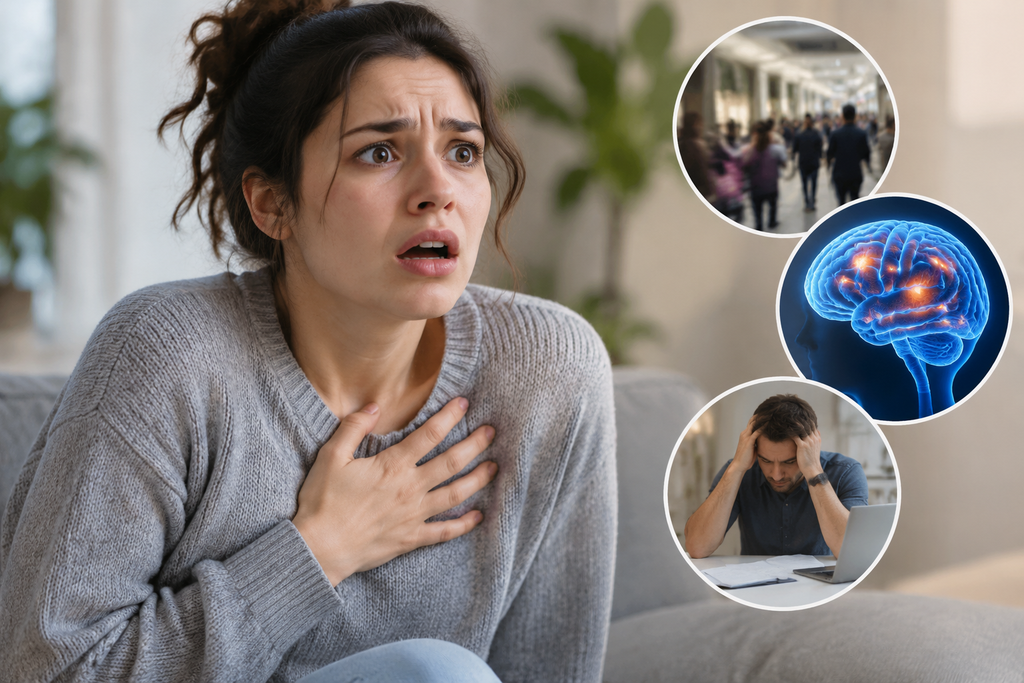
A panic attack is a sudden episode of intense fear or discomfort that can cause physical and emotional symptoms. These may include a racing heartbeat, shortness of breath, chest pain, sweating, dizziness, and fear of losing control. The symptoms can feel frightening and may sometimes resemble a medical emergency. Panic attacks can happen unexpectedly or during stressful situations. Some people experience an occasional episode, while others have repeated attacks and ongoing fear of experiencing another one. Understanding the symptoms, possible triggers, and treatment options can help people manage panic attacks and know when to seek medical support. What Is a Panic Attack? A panic attack is a sudden wave of intense fear that triggers the body’s fight-or-flight response. This response prepares the body to react to danger, even when there may be no immediate threat. During an episode, the heart may beat faster, breathing may become difficult, and the body may start sweating or trembling. Some people also experience dizziness, nausea, chest discomfort, or a fear of dying. Panic attacks can happen without an obvious reason or in response to particular situations. Experiencing a panic attack does not automatically mean someone has panic disorder. What Does a Panic Attack Feel Like? A panic attack can feel different from one person to another. Some people mainly notice physical symptoms, while others experience intense fear or a feeling of losing control. Common experiences include: These symptoms can be especially frightening during a first episode. Because some physical symptoms can resemble other medical conditions, new or unexplained symptoms should be assessed by a healthcare professional. What Is the Difference Between a Panic Attack and an Anxiety Attack? Panic attacks and anxiety episodes are related, but they are not exactly the same. The term anxiety attack is commonly used to describe intense anxiety, but it is not a formal clinical diagnosis. A panic attack usually begins suddenly and involves an intense wave of fear or discomfort. Symptoms often reach their peak within minutes and may happen without an obvious trigger. Anxiety generally develops in response to stress, uncertainty, or an anticipated problem. It may build gradually and continue for a longer period. For example, someone may feel anxious before an examination or an important event. A panic attack, however, may occur suddenly with intense physical and emotional symptoms. Common Symptoms of Panic Attacks Panic attack symptoms can affect the body, emotions, and thoughts. They usually appear suddenly and may become intense within a short period. Not everyone experiences all the symptoms during an episode. Physical Symptoms Common physical symptoms include: Emotional and Psychological Symptoms Panic attacks can also affect how a person thinks and feels. Common emotional symptoms include: These experiences can make an episode particularly distressing. How Long Does a Panic Attack Last? Most panic attacks reach their peak within about 10 minutes. Many last several minutes, although some may continue for 20 to 30 minutes or longer. The duration can vary between individuals. After an episode, a person may feel tired, weak, or emotionally exhausted. Worry about experiencing another attack may also continue after the physical symptoms have settled. Causes and Triggers of Panic Attacks There is no single cause of panic attacks. They may develop because of a combination of biological, psychological, and environmental factors. Some attacks happen unexpectedly, while others are associated with particular situations or experiences. Common Causes 1. High Stress Ongoing stress, emotional pressure, relationship difficulties, financial concerns, and major life changes may contribute to panic symptoms. 2. Genetics and Family History People with a family history of panic disorder may have a higher likelihood of developing the condition. However, family history does not mean someone will definitely experience panic attacks. 3. Trauma and Difficult Experiences Traumatic experiences and stressful life events may contribute to anxiety and panic symptoms. 4. Anxiety-Related Conditions Panic attacks may occur alongside other anxiety conditions, phobias, and related mental health difficulties. 5. Sensitivity to Physical Sensations Some people become highly concerned about normal body sensations, such as a faster heartbeat or changes in breathing. Worry about these sensations can increase fear and contribute to a cycle of panic. Common Panic Attack Triggers Certain factors may increase the likelihood of panic symptoms or contribute to an episode. Triggers can vary from person to person. Identifying situations or habits associated with episodes may help people understand their experiences. What Is Panic Disorder? Panic disorder is an anxiety condition involving repeated, unexpected panic attacks and ongoing concern about experiencing another attack. A person with panic disorder may spend considerable time worrying about future episodes or their possible consequences. They may also change their behavior or avoid places and situations because they fear another attack. For example, someone who experiences an episode in a crowded shopping area may begin avoiding crowded places. Panic disorder involves more than experiencing an occasional panic attack. Repeated unexpected attacks, followed by persistent worry or changes in behavior, are important features of the condition. How Common Are Panic Attacks? Panic attacks can happen to people with or without a diagnosed mental health condition. Experiencing one panic attack does not automatically mean someone has panic disorder. The important distinction is whether attacks happen repeatedly and whether ongoing fear or avoidance begins affecting everyday activities. How to Stop a Panic Attack: Immediate Coping Techniques A panic attack can feel overwhelming, but some coping techniques may help reduce distress during an episode. These techniques are not guaranteed to stop every attack, but they can help people focus on the present moment. 1. Practice Slow and Gentle Breathing Rapid breathing can make some panic symptoms feel worse. Try to slow your breathing without forcing deep breaths. Avoid holding your breath or forcing yourself to take very deep breaths. 2. Try the 3-3-3 Rule The 3-3-3 rule is a simple grounding exercise that directs your attention toward your surroundings. Follow these steps: This exercise gives you something specific to focus on during an uncomfortable experience. 3. Use the 5-4-3-2-1 Grounding Technique This technique uses your five