Lung disease refers to conditions that affect the airways, lung tissue, or blood vessels in the lungs. These conditions can make breathing difficult and affect how the lungs work. Some lung diseases develop over a short period, while others last for years and require ongoing care.
Common lung conditions include asthma, chronic obstructive pulmonary disease (COPD), pneumonia, pulmonary fibrosis, and lung cancer. Understanding their symptoms, causes, and treatment options can help people recognize breathing problems and seek medical attention.
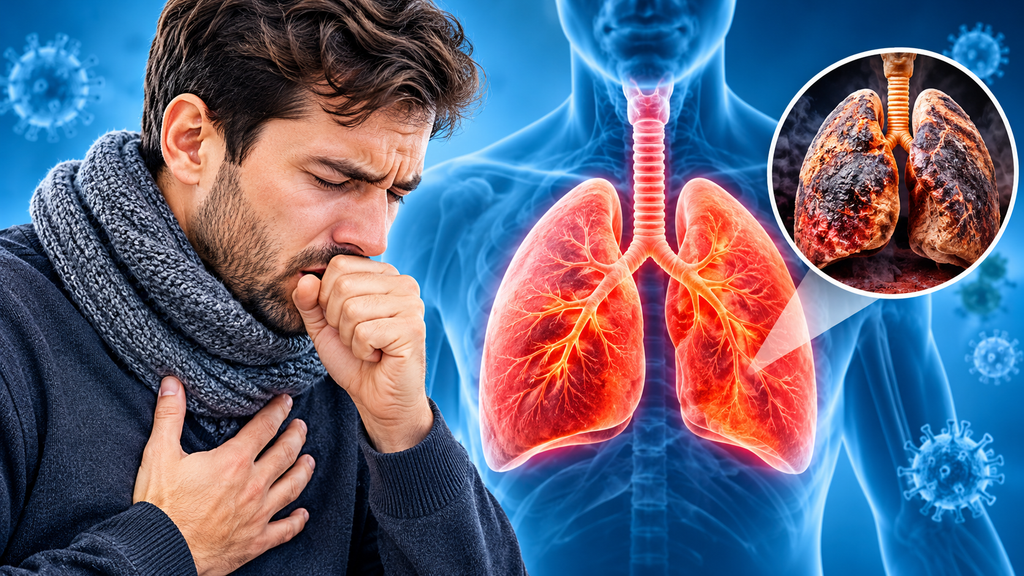
What Is Lung Disease?
Lung disease is a general term for health conditions that affect the normal function of the lungs. Healthy lungs take oxygen from the air and remove carbon dioxide when a person breathes out.
When a disease affects the lungs, this process may become difficult. Some conditions narrow the airways, while others cause inflammation, infection, or scarring in lung tissue. Other conditions affect the blood vessels that carry blood through the lungs.
Lung diseases can be acute or chronic. Acute conditions develop over a shorter period, while chronic conditions may continue for months or years.
Types of Lung Disease
Lung diseases can be grouped according to the parts of the respiratory system they affect. The main groups include airway diseases, lung tissue diseases, and lung circulation diseases. Lung cancer is another important group of lung conditions.
1. Airway Diseases
Airway diseases affect the tubes that carry air into and out of the lungs. These conditions can cause swelling, narrowing, or blockage, making breathing difficult.
Common examples include:
- Asthma: A condition that causes inflammation and narrowing of the airways. It may lead to coughing, wheezing, and shortness of breath.
- Chronic Obstructive Pulmonary Disease (COPD): A group of lung conditions that restrict airflow and make breathing difficult.
- Chronic Bronchitis: Long-term inflammation of the bronchial tubes that causes coughing and mucus production. It is one form of COPD.
- Emphysema: A condition that damages the air sacs in the lungs. It is also a form of COPD and can cause shortness of breath.
Chronic bronchitis and emphysema are related to COPD, but they affect the lungs in different ways.
2. Lung Tissue Diseases
Lung tissue diseases affect the structure of the lungs. They may cause inflammation or scarring, making it difficult for the lungs to expand fully.
Examples include:
- Pulmonary Fibrosis: A condition in which scar tissue develops in the lungs.
- Interstitial Lung Disease: A group of conditions that cause inflammation or scarring in lung tissue.
- Sarcoidosis: A disease that causes small groups of inflammatory cells to develop in different organs, including the lungs.
- Pneumonia: An infection that causes inflammation in the air sacs of one or both lungs.
These conditions can affect how the lungs take in oxygen and release carbon dioxide.
3. Lung Circulation Diseases
Lung circulation diseases affect the blood vessels inside the lungs. They can interfere with normal blood flow and the movement of oxygen through the body.
Examples include:
- Pulmonary Hypertension: High blood pressure in the arteries of the lungs.
- Pulmonary Embolism: A blockage in an artery in the lungs, usually caused by a blood clot.
These conditions require medical assessment because they can affect normal heart and lung function.
4. Lung Cancer and Related Cancers
Lung cancer develops when abnormal cells grow and multiply without normal control. It can affect lung function and may spread to other parts of the body.
The two main categories of lung cancer are:
- Non-Small Cell Lung Cancer: The most common main category of lung cancer.
- Small Cell Lung Cancer: A type of lung cancer that often grows and spreads quickly.
Mesothelioma is a related cancer that affects the mesothelium, the protective tissue lining certain organs. Pleural mesothelioma affects the lining around the lungs and is different from cancer that begins in lung tissue.
Symptoms of Lung Disease
The symptoms of lung disease depend on the condition and its severity. Some people develop symptoms slowly, while others experience sudden breathing problems.
Common symptoms include:
- Shortness of Breath: Difficulty breathing during physical activity or while resting.
- Persistent Cough: A cough that continues for a long time, either dry or with mucus.
- Wheezing: A whistling sound when breathing.
- Chest Tightness: A feeling of pressure or discomfort in the chest.
- Mucus Production: Coughing up mucus from the airways.
- Fatigue: Feeling unusually tired.
- Frequent Respiratory Infections: Repeated infections affecting the lungs or airways.
- Coughing Up Blood: Blood in mucus can occur with different lung conditions and requires prompt medical attention.
What Are the First Signs of Lung Problems?
Early signs of lung problems may include a persistent cough, shortness of breath during everyday activities, wheezing, or changes in mucus production.
These symptoms do not always mean a person has lung disease. However, symptoms that continue or become worse should be discussed with a healthcare professional.
Causes and Risk Factors of Lung Disease
Lung diseases can develop for different reasons. Common causes and risk factors include smoking, environmental exposure, infections, and certain inherited or autoimmune conditions.
1. Smoking and Tobacco Exposure
Smoking is a major risk factor for lung diseases such as COPD and lung cancer. Cigarette smoke contains harmful substances that can damage lung tissue and irritate the airways.
Second-hand smoke can also affect people who do not smoke. Avoiding tobacco smoke is an important step in protecting lung health.
2. Air Pollution and Environmental Exposure
Breathing polluted air can affect lung health. Common sources of exposure include:
- Vehicle exhaust.
- Industrial smoke and fumes.
- Indoor cooking smoke.
- Dust and airborne chemicals.
- Second-hand tobacco smoke.
Reducing exposure to harmful smoke and airborne substances can help protect the respiratory system.
3. Occupational Hazards
Some workplaces expose people to substances that can damage the lungs. These include asbestos, silica dust, coal dust, and industrial chemicals.
Workers who handle these materials should follow workplace safety instructions and use suitable protective equipment.
4. Respiratory Infections
Bacteria, viruses, and fungi can cause infections that affect the lungs. Pneumonia and tuberculosis are examples of respiratory infections.
Some infections cause short-term illness, while others may lead to lasting lung problems.
5. Genetic and Autoimmune Factors
Some lung conditions are linked to inherited diseases. Cystic fibrosis, for example, affects mucus production and can cause mucus to build up in the lungs.
Autoimmune conditions can also affect lung tissue when the immune system attacks healthy cells.
Complications of Lung Disease
Some lung diseases can cause complications, particularly when they become severe. Possible complications include:
- Reduced Lung Function: Damage or inflammation can make it harder for the lungs to move air.
- Low Blood Oxygen: Certain conditions can reduce the amount of oxygen reaching the bloodstream.
- Breathing Difficulties: Severe lung conditions can make everyday activities harder.
- Respiratory Failure: In serious cases, the lungs may not provide enough oxygen or remove enough carbon dioxide.
- Heart Problems: Certain lung conditions, including pulmonary hypertension, can place extra strain on the heart.
- Reduced Quality of Life: Ongoing symptoms can affect sleep, physical activity, and daily routines.
Diagnosis and Tests
Doctors use medical history, physical examinations, and different tests to identify lung diseases. The tests depend on the symptoms and the suspected condition.
How Do Doctors Diagnose Lung Disease?
A healthcare professional may ask about:
- How long the symptoms have been present.
- Whether coughing or breathlessness is getting worse.
- Smoking history.
- Exposure to dust, chemicals, or pollution.
- Previous respiratory infections.
- Family history of lung conditions.
The doctor may also listen to the lungs with a stethoscope to check for unusual breathing sounds.
Common Tests for Lung Disease
Doctors may recommend the following tests:
- Chest X-ray: Helps examine the lungs and identify certain infections or lung changes.
- CT Scan: Provides detailed images of the lungs and helps doctors examine abnormalities.
- Pulmonary Function Tests: Measure how well the lungs work and how much air a person can breathe in and out.
- Spirometry: Measures how much air a person can exhale and how quickly they can breathe it out.
- Blood Tests: Help check general health and may identify infections or changes in oxygen and carbon dioxide levels through specific tests.
- Pulse Oximetry: Uses a small device placed on a finger to estimate oxygen levels in the blood.
- Bronchoscopy: Uses a thin, flexible tube with a camera to examine the airways. Doctors may also collect tissue or fluid samples when needed.
Lung Disease Treatment Options
There is no single treatment for every lung disease. Treatment depends on the specific condition, its symptoms, and its severity.
Some lung conditions can be treated, while chronic diseases may require ongoing management.
1. Medications
Doctors may prescribe different medicines depending on the diagnosis.
- Bronchodilators: Help relax the muscles around the airways and make breathing easier.
- Corticosteroids: Help reduce inflammation in certain lung conditions.
- Antibiotics: Treat bacterial infections when prescribed.
- Other Medicines: Some conditions require specific medicines to manage inflammation or lung scarring.
Patients should follow their healthcare provider’s instructions when using medication.
2. Oxygen Therapy
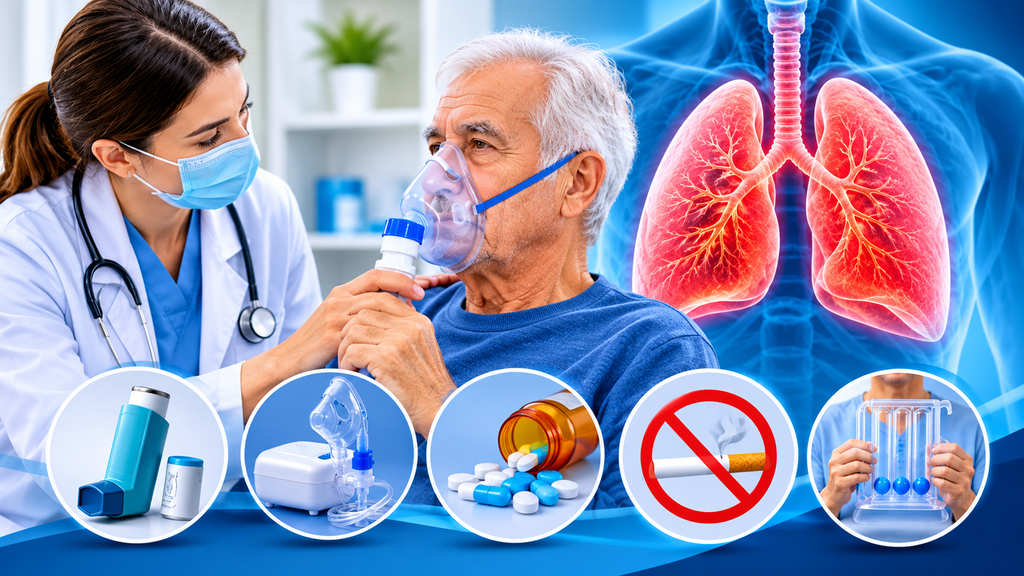
Some people with lung disease have low oxygen levels in their blood. Doctors may prescribe supplemental oxygen to help provide the oxygen the body needs.
3. Pulmonary Rehabilitation
Pulmonary rehabilitation is a supervised program for people with certain long-term lung conditions. It may include exercise training, breathing techniques, and education about managing symptoms.
4. Lifestyle Changes
Lifestyle changes can help people manage certain lung conditions and protect their lung health. These may include quitting smoking, avoiding second-hand smoke, reducing exposure to pollution, and following medical advice about physical activity.
5. Surgery
Some lung conditions may require surgery. Depending on the diagnosis, procedures may include removing a lung tumor, reducing damaged lung tissue, or performing a lung transplant in selected severe cases.
When Should I See a Healthcare Provider?
You should contact a healthcare professional if you experience:
- A cough that does not go away.
- Shortness of breath during normal activities.
- Persistent wheezing.
- Frequent respiratory infections.
- Unexplained chest discomfort.
- Changes in mucus production.
- Unusual tiredness along with breathing problems.
Coughing up blood also requires prompt medical assessment.
Seek emergency medical help if you experience severe difficulty breathing, sudden chest pain, blue or grey lips, or sudden confusion. These symptoms may indicate a serious medical problem.
How to Reduce the Risk of Lung Disease
Not every lung disease can be prevented. However, certain steps can help reduce exposure to harmful substances and protect lung health.
- Avoid Smoking: Stay away from cigarettes and tobacco smoke.
- Reduce Pollution Exposure: Avoid heavy smoke, dust, and harmful fumes whenever possible.
- Use Workplace Protection: Follow safety guidelines and wear suitable protective equipment when working with chemicals or dust.
- Maintain Indoor Air Quality: Keep indoor spaces ventilated and reduce exposure to cooking smoke.
- Prevent Infections: Wash your hands regularly and follow recommended vaccinations.
- Stay Physically Active: Follow an activity plan that is suitable for your health.
- Seek Medical Care: Do not ignore a persistent cough, wheezing, or breathing difficulty.
These steps can support lung health, although they cannot prevent every lung condition.
Frequently Asked Questions About Lung Disease
1. What Are 7 Examples of Lung Diseases?
Seven examples of lung diseases are asthma, COPD, chronic bronchitis, emphysema, pneumonia, pulmonary fibrosis, and lung cancer. Some of these conditions are related, while others affect different parts of the lungs.
2. What Are 10 Different Lung Diseases?
Ten examples of lung conditions include:
- Asthma.
- COPD.
- Pneumonia.
- Tuberculosis.
- Pulmonary fibrosis.
- Sarcoidosis.
- Chronic bronchitis.
- Emphysema.
- Pulmonary hypertension.
- Lung cancer.
Some conditions, such as chronic bronchitis and emphysema, are forms of COPD.
3. What Is the Best Treatment for Lung Disease?
Treatment depends on the specific lung condition. Doctors may recommend medications, inhalers, oxygen therapy, pulmonary rehabilitation, lifestyle changes, or surgery.
4. What Is the Main Cause of Lung Disease?
There is no single cause of all lung diseases. Smoking, air pollution, respiratory infections, workplace exposure, and genetic conditions are among the possible causes and risk factors.
5. Can Lung Disease Be Life-Threatening?
Yes. Some lung diseases can become serious and may cause severe breathing difficulties or other complications. The level of risk depends on the condition and its severity.
6. What Are the First Signs of Lung Problems?
Early signs may include a persistent cough, shortness of breath, wheezing, chest discomfort, and changes in mucus production. Ongoing or worsening symptoms should be checked by a healthcare professional.
Conclusion
Lung disease includes different conditions that affect the airways, lung tissue, and blood vessels. Common examples include asthma, COPD, pneumonia, pulmonary fibrosis, and lung cancer. Symptoms may include coughing, wheezing, chest discomfort, and shortness of breath.
Smoking, air pollution, respiratory infections, and workplace exposure are among the risk factors for certain lung conditions. Although not every lung disease can be prevented, reducing exposure to harmful substances and seeking medical care for ongoing symptoms can help protect lung health. Anyone experiencing persistent breathing problems should consult a healthcare professional for proper diagnosis and treatment.