Lung Disease: Types, Symptoms, Causes, and Treatment
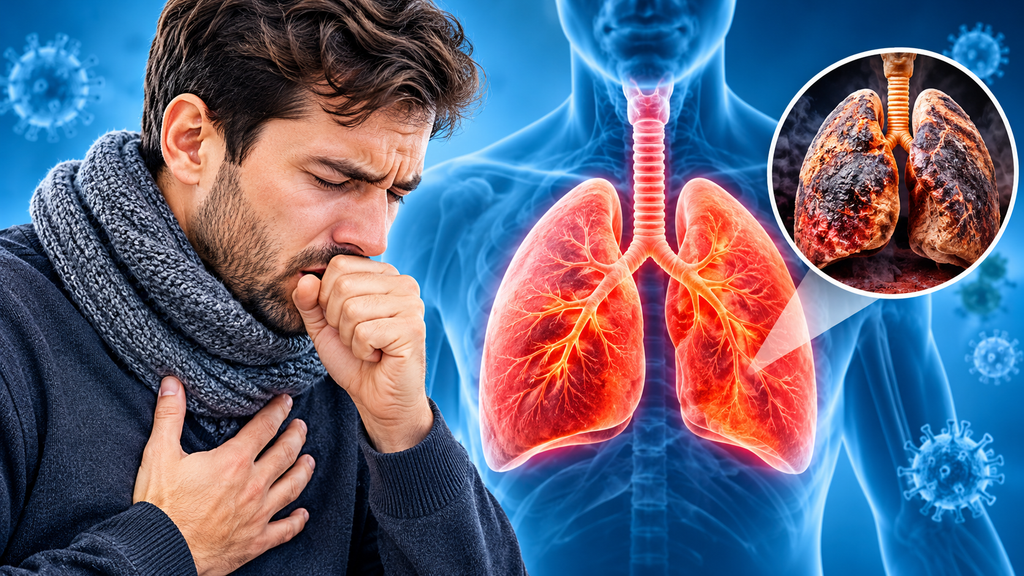
Lung disease refers to conditions that affect the airways, lung tissue, or blood vessels in the lungs. These conditions can make breathing difficult and affect how the lungs work. Some lung diseases develop over a short period, while others last for years and require ongoing care. Common lung conditions include asthma, chronic obstructive pulmonary disease (COPD), pneumonia, pulmonary fibrosis, and lung cancer. Understanding their symptoms, causes, and treatment options can help people recognize breathing problems and seek medical attention. What Is Lung Disease? Lung disease is a general term for health conditions that affect the normal function of the lungs. Healthy lungs take oxygen from the air and remove carbon dioxide when a person breathes out. When a disease affects the lungs, this process may become difficult. Some conditions narrow the airways, while others cause inflammation, infection, or scarring in lung tissue. Other conditions affect the blood vessels that carry blood through the lungs. Lung diseases can be acute or chronic. Acute conditions develop over a shorter period, while chronic conditions may continue for months or years. Types of Lung Disease Lung diseases can be grouped according to the parts of the respiratory system they affect. The main groups include airway diseases, lung tissue diseases, and lung circulation diseases. Lung cancer is another important group of lung conditions. 1. Airway Diseases Airway diseases affect the tubes that carry air into and out of the lungs. These conditions can cause swelling, narrowing, or blockage, making breathing difficult. Common examples include: Chronic bronchitis and emphysema are related to COPD, but they affect the lungs in different ways. 2. Lung Tissue Diseases Lung tissue diseases affect the structure of the lungs. They may cause inflammation or scarring, making it difficult for the lungs to expand fully. Examples include: These conditions can affect how the lungs take in oxygen and release carbon dioxide. 3. Lung Circulation Diseases Lung circulation diseases affect the blood vessels inside the lungs. They can interfere with normal blood flow and the movement of oxygen through the body. Examples include: These conditions require medical assessment because they can affect normal heart and lung function. 4. Lung Cancer and Related Cancers Lung cancer develops when abnormal cells grow and multiply without normal control. It can affect lung function and may spread to other parts of the body. The two main categories of lung cancer are: Mesothelioma is a related cancer that affects the mesothelium, the protective tissue lining certain organs. Pleural mesothelioma affects the lining around the lungs and is different from cancer that begins in lung tissue. Symptoms of Lung Disease The symptoms of lung disease depend on the condition and its severity. Some people develop symptoms slowly, while others experience sudden breathing problems. Common symptoms include: What Are the First Signs of Lung Problems? Early signs of lung problems may include a persistent cough, shortness of breath during everyday activities, wheezing, or changes in mucus production. These symptoms do not always mean a person has lung disease. However, symptoms that continue or become worse should be discussed with a healthcare professional. Causes and Risk Factors of Lung Disease Lung diseases can develop for different reasons. Common causes and risk factors include smoking, environmental exposure, infections, and certain inherited or autoimmune conditions. 1. Smoking and Tobacco Exposure Smoking is a major risk factor for lung diseases such as COPD and lung cancer. Cigarette smoke contains harmful substances that can damage lung tissue and irritate the airways. Second-hand smoke can also affect people who do not smoke. Avoiding tobacco smoke is an important step in protecting lung health. 2. Air Pollution and Environmental Exposure Breathing polluted air can affect lung health. Common sources of exposure include: Reducing exposure to harmful smoke and airborne substances can help protect the respiratory system. 3. Occupational Hazards Some workplaces expose people to substances that can damage the lungs. These include asbestos, silica dust, coal dust, and industrial chemicals. Workers who handle these materials should follow workplace safety instructions and use suitable protective equipment. 4. Respiratory Infections Bacteria, viruses, and fungi can cause infections that affect the lungs. Pneumonia and tuberculosis are examples of respiratory infections. Some infections cause short-term illness, while others may lead to lasting lung problems. 5. Genetic and Autoimmune Factors Some lung conditions are linked to inherited diseases. Cystic fibrosis, for example, affects mucus production and can cause mucus to build up in the lungs. Autoimmune conditions can also affect lung tissue when the immune system attacks healthy cells. Complications of Lung Disease Some lung diseases can cause complications, particularly when they become severe. Possible complications include: Diagnosis and Tests Doctors use medical history, physical examinations, and different tests to identify lung diseases. The tests depend on the symptoms and the suspected condition. How Do Doctors Diagnose Lung Disease? A healthcare professional may ask about: The doctor may also listen to the lungs with a stethoscope to check for unusual breathing sounds. Common Tests for Lung Disease Doctors may recommend the following tests: Lung Disease Treatment Options There is no single treatment for every lung disease. Treatment depends on the specific condition, its symptoms, and its severity. Some lung conditions can be treated, while chronic diseases may require ongoing management. 1. Medications Doctors may prescribe different medicines depending on the diagnosis. Patients should follow their healthcare provider’s instructions when using medication. 2. Oxygen Therapy Some people with lung disease have low oxygen levels in their blood. Doctors may prescribe supplemental oxygen to help provide the oxygen the body needs. 3. Pulmonary Rehabilitation Pulmonary rehabilitation is a supervised program for people with certain long-term lung conditions. It may include exercise training, breathing techniques, and education about managing symptoms. 4. Lifestyle Changes Lifestyle changes can help people manage certain lung conditions and protect their lung health. These may include quitting smoking, avoiding second-hand smoke, reducing exposure to pollution, and following medical advice about physical activity. 5. Surgery Some lung conditions may require surgery. Depending on the diagnosis, procedures may include removing a lung