Pneumonia: Symptoms, Causes, Types and Treatment
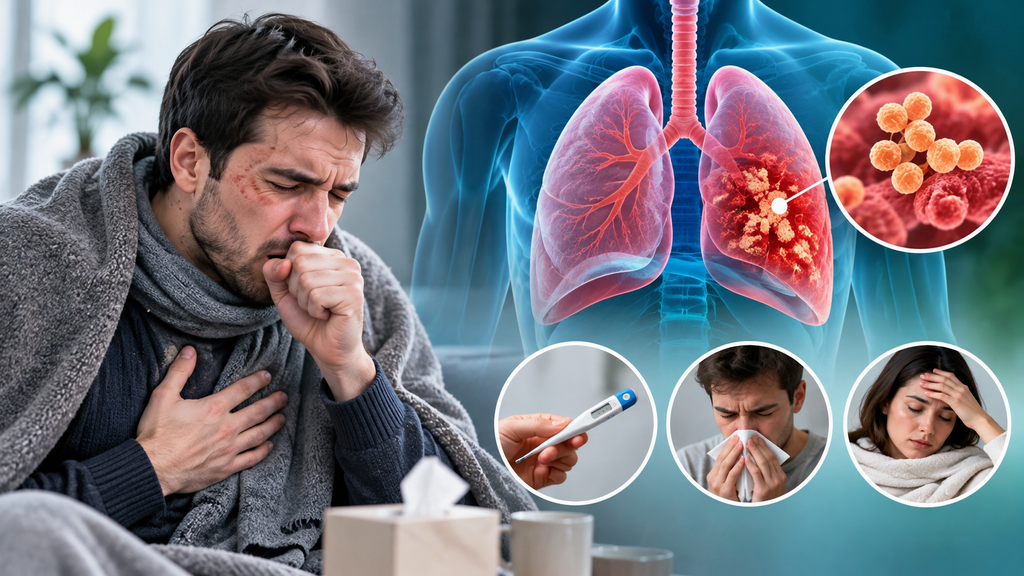
Pneumonia is a lung infection that causes inflammation in the air sacs, known as alveoli. These air sacs may fill with fluid or pus, making breathing difficult. Pneumonia can affect one or both lungs and may range from mild to serious. Understanding pneumonia symptoms, causes, and treatment can help people recognize the condition and seek medical care at the right time. What Are the Main Symptoms of Pneumonia? Pneumonia symptoms can vary depending on the cause, age and general health of the affected person. Common symptoms include: Some people may experience symptoms that develop gradually, while others become unwell more quickly. Babies and older adults may show different signs, so unusual breathing or changes in behavior should not be ignored. What Causes Pneumonia? Pneumonia usually develops when germs infect the lungs. The main causes include: Bacteria: Bacterial pneumonia can develop from organisms such as Streptococcus pneumoniae. Antibiotics are commonly used to treat bacterial pneumonia. Viruses: Influenza, respiratory syncytial virus (RSV) and COVID-19 can cause viral pneumonia. Treatment depends on the virus and the severity of the illness. Fungi: Fungal pneumonia is less common and can affect people who have certain health conditions or weakened immune systems. Pneumonia can also develop after food, liquid, saliva or vomit enters the airways and reaches the lungs. This is known as aspiration pneumonia. What Are the Types of Pneumonia? Pneumonia can be classified by the germ causing it or where the infection develops. The type of pneumonia helps healthcare professionals decide which treatment may be appropriate. Is Pneumonia Contagious? Pneumonia itself is not always contagious. However, some bacteria and viruses that cause it can spread between people through respiratory droplets. Fungal infections that cause pneumonia generally do not spread from person to person. The contagious period depends on the germ responsible, so there is no single timeframe that applies to every case. Who Is at Risk of Pneumonia? Anyone can develop pneumonia, but certain people have a higher risk of serious illness. These include: How Is Pneumonia Diagnosed? A healthcare professional usually reviews symptoms and medical history and listens to the lungs with a stethoscope. Additional tests may be needed to confirm pneumonia or identify its cause. These tests can include: Sometimes, doctors cannot identify the exact germ responsible for the infection. How Is Pneumonia Treated? Pneumonia treatment depends on its cause, severity and the patient’s health. Bacterial pneumonia: Doctors usually prescribe antibiotics. Patients should take the medicine as directed and complete the prescribed course. Viral pneumonia: Treatment may include rest, fluids and symptom management. Antiviral medicines may help with certain viral infections. Fungal pneumonia: Doctors may prescribe antifungal medicines. People with severe pneumonia may need hospital treatment. This can include oxygen, antibiotics or other medicines through an IV, fluids and breathing support. Home Care and Recovery People recovering from pneumonia may need rest and time to regain their strength. Helpful care measures include: Coughing helps clear the lungs, so suppressing it without medical advice may not be appropriate. Recovery time varies. Many people improve within two to four weeks, but tiredness and coughing can continue for longer. People with severe pneumonia or other health conditions may need more recovery time. When Should You Seek Medical Help? Contact a healthcare professional if you have a persistent cough, fever, chest pain or shortness of breath. Seek emergency medical help if you experience: Early medical assessment is important because pneumonia can become serious, particularly in older adults, young children and people with existing health conditions. Can Pneumonia Be Prevented? You cannot prevent every case of pneumonia, but certain steps can reduce the risk: Vaccines can protect against some germs that cause pneumonia, although they do not prevent every type. Frequently Asked Questions Can pneumonia go away on its own? Some cases of viral pneumonia may improve without specific antiviral treatment. However, medical assessment is important to identify the cause and decide whether treatment is needed. Is pneumonia dangerous? Pneumonia can be mild or serious. It may cause complications such as fluid around the lungs, bloodstream infection or respiratory failure. Can pneumonia affect both lungs? Yes. Pneumonia can affect one lung or both lungs. How long does pneumonia take to heal? Many people recover within two to four weeks, but recovery depends on the infection, its severity and the person’s overall health. What is the difference between bacterial and viral pneumonia? Bacterial pneumonia is caused by bacteria and usually requires antibiotics. Viral pneumonia is caused by viruses and may need supportive care or specific antiviral medicines. Conclusion Pneumonia is a lung infection that can cause coughing, fever, chest pain and breathing difficulties. Its treatment depends on whether bacteria, viruses or fungi caused the infection. Recognizing symptoms, getting medical advice and following the recommended treatment can support recovery and help prevent complications. This article provides general health information and does not replace advice from a qualified healthcare professional.
Respiratory Tract Infections: Types & Symptoms
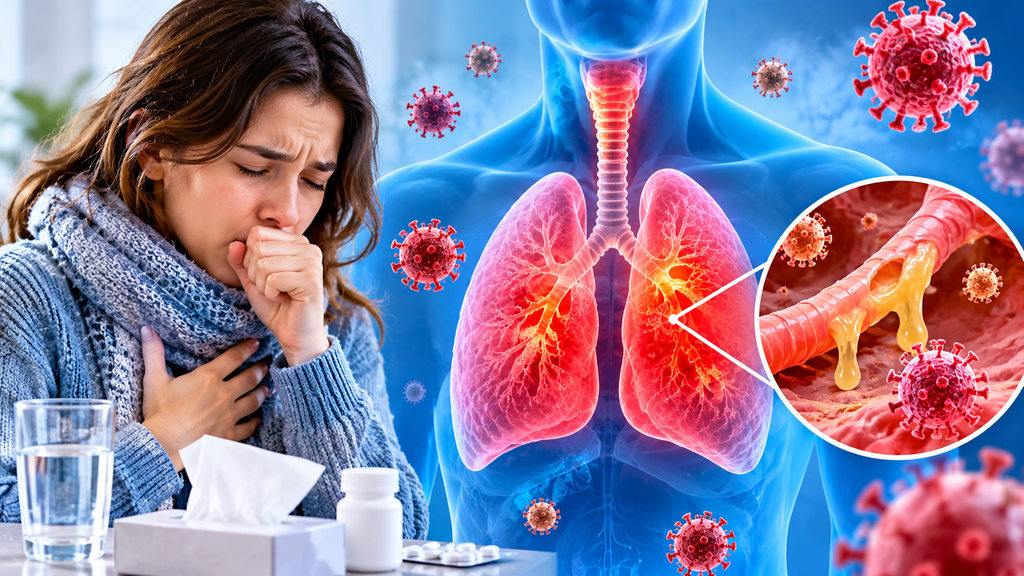
Respiratory tract infections (RTIs) affect the nose, throat, airways, and lungs. They can cause a runny nose, sore throat, cough, and fever. Some infections are mild, while others can lead to serious breathing problems. RTIs are mainly caused by viruses and bacteria. The common cold, flu, bronchitis, and pneumonia are common examples. Knowing their symptoms and treatment can help you understand when to seek medical care. What Are Respiratory Tract Infections? Respiratory tract infections are infections that affect the breathing system. They are divided into two main types: Upper infections are often mild. Lower infections may be more serious. Types of Upper Respiratory Tract Infections 1. Common Cold The common cold is a viral infection, often caused by rhinoviruses. It can cause sneezing, a runny nose, sore throat, and cough. 2. Influenza (Flu) The flu is a viral infection that can affect the upper and lower respiratory tract. Common symptoms include fever, chills, body aches, cough, and tiredness. 3. Sinusitis Sinusitis is inflammation of the sinuses. It may cause a blocked nose, headache, facial pressure, and thick nasal mucus. It is not always caused by bacteria. 4. Pharyngitis Pharyngitis means inflammation of the throat. It causes a sore or painful throat. Viruses are a common cause, but bacteria can also cause it. 5. Laryngitis Laryngitis affects the voice box. It can cause a hoarse voice, throat discomfort, and sometimes loss of voice. 6. Croup Croup mainly affects young children. It causes swelling around the upper airways. A barking cough and noisy breathing are common signs. Types of Lower Respiratory Tract Infections 1. Bronchitis Bronchitis is inflammation of the airways that carry air to the lungs. It often causes a dry cough or a cough with mucus. Many cases are caused by viruses. 2. Bronchiolitis Bronchiolitis mainly affects babies and young children. It causes swelling in the small airways. RSV is a common cause. 3. Pneumonia Pneumonia is an infection of the air sacs in the lungs. It may be caused by viruses, bacteria, or fungi. Symptoms include cough, fever, chest pain, and difficulty breathing. 4. Tuberculosis (TB) Tuberculosis is a bacterial infection caused by Mycobacterium tuberculosis. It often affects the lungs and needs medical diagnosis and treatment. Causes of Respiratory Tract Infections RTIs are mainly caused by viruses and bacteria. A bacterial infection may sometimes develop after a viral infection. A doctor can decide if treatment is needed. Common Symptoms of RTIs Symptoms depend on the part of the respiratory system affected. Common signs include: Lower respiratory infections may also cause chest pain, wheezing, fast breathing, and shortness of breath. Difference Between a Cold and the Flu A cold often starts slowly and causes sneezing, a runny nose, and a sore throat. The flu can start suddenly. It often causes fever, chills, body aches, cough, and strong tiredness. Both are viral infections, but the flu can cause more serious illness in some people. How Do Respiratory Infections Spread? Many respiratory infections spread when an infected person coughs, sneezes, or talks. Germs can travel through the air or spread through close contact. Some viruses can also spread when a person touches a contaminated surface and then touches their eyes, nose, or mouth. TB spreads through the air from a person with infectious TB in the lungs or throat. Who Is at Higher Risk? Some people have a higher risk of serious illness from respiratory infections. These include: These groups should take extra care and seek medical advice if symptoms become serious. How Are Respiratory Infections Diagnosed? A doctor may ask about your symptoms and examine your breathing and chest. They may also check your temperature. Depending on your condition, tests may include a nose or throat swab, blood tests, or a chest X-ray. Not everyone needs these tests. Treatment for Respiratory Tract Infections Treatment depends on the cause and severity of the infection. Home Care Mild infections often improve with rest and simple care. Helpful steps include: Medicines Antibiotics treat some bacterial infections but do not work against viruses. Antiviral medicines may be used for influenza in some cases. Do not take antibiotics without medical advice. They are not needed for every respiratory infection. Respiratory Infections in Children and Older Adults Children may develop colds, flu, or bronchiolitis. Watch for breathing problems, unusual sleepiness, or signs that a child is not drinking enough. Older adults may also become seriously ill from respiratory infections. They should seek medical advice if they develop a worsening cough, fever, chest pain, or breathing difficulty. Possible Complications Most mild respiratory infections improve without serious problems. However, some infections can lead to complications, such as: How to Prevent Respiratory Tract Infections You can lower the spread of respiratory germs by following simple steps: When Should You See a Doctor? Contact a doctor if you have a high fever lasting more than three days, chest pain, wheezing, or a cough that keeps getting worse. Seek urgent medical help if you have severe shortness of breath, confusion, blue or grey lips, or cough up blood. Frequently Asked Questions 1. What are the most common respiratory tract infections? Common examples include the common cold, flu, sinusitis, bronchitis, bronchiolitis, and pneumonia. 2. What are the two main types of RTIs? They are upper respiratory tract infections and lower respiratory tract infections. 3. What causes respiratory tract infections? Viruses and bacteria are the main causes. Some types of pneumonia can also be caused by fungi. 4. Are respiratory infections contagious? Many respiratory infections can spread through the air or close contact with an infected person. 5. Can antibiotics treat RTIs? Antibiotics can treat some bacterial infections. They do not work against viral infections. 6. How can I prevent respiratory infections? Wash your hands, cover coughs and sneezes, improve ventilation, stay home when sick, and follow vaccine advice. Conclusion Respiratory tract infections affect the nose, throat, airways, and lungs. Common types include colds, flu, bronchitis, and pneumonia. Some are mild, while others need medical care. Knowing the symptoms and following simple prevention
Lung Disease: Types, Symptoms, Causes, and Treatment
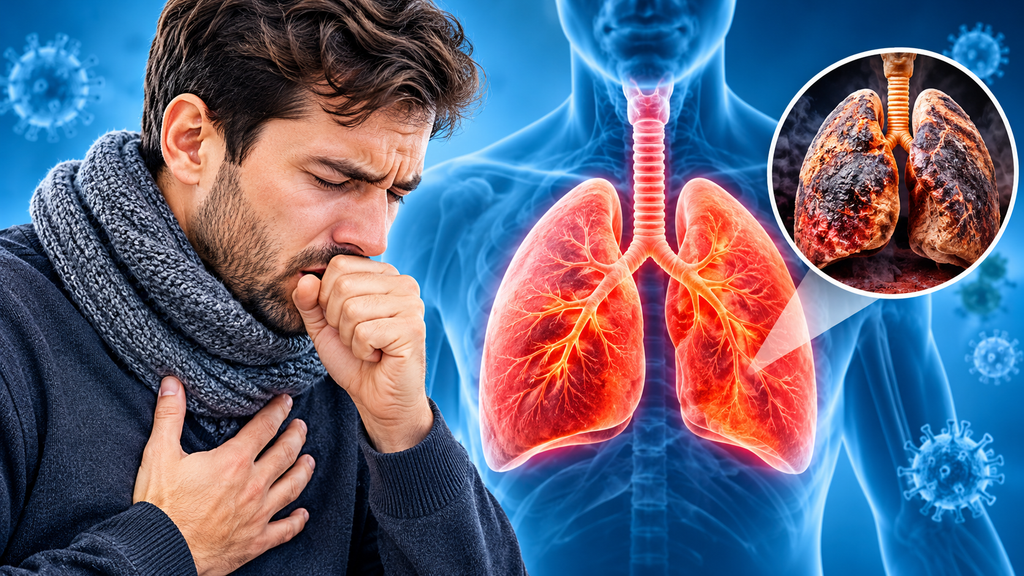
Lung disease refers to conditions that affect the airways, lung tissue, or blood vessels in the lungs. These conditions can make breathing difficult and affect how the lungs work. Some lung diseases develop over a short period, while others last for years and require ongoing care. Common lung conditions include asthma, chronic obstructive pulmonary disease (COPD), pneumonia, pulmonary fibrosis, and lung cancer. Understanding their symptoms, causes, and treatment options can help people recognize breathing problems and seek medical attention. What Is Lung Disease? Lung disease is a general term for health conditions that affect the normal function of the lungs. Healthy lungs take oxygen from the air and remove carbon dioxide when a person breathes out. When a disease affects the lungs, this process may become difficult. Some conditions narrow the airways, while others cause inflammation, infection, or scarring in lung tissue. Other conditions affect the blood vessels that carry blood through the lungs. Lung diseases can be acute or chronic. Acute conditions develop over a shorter period, while chronic conditions may continue for months or years. Types of Lung Disease Lung diseases can be grouped according to the parts of the respiratory system they affect. The main groups include airway diseases, lung tissue diseases, and lung circulation diseases. Lung cancer is another important group of lung conditions. 1. Airway Diseases Airway diseases affect the tubes that carry air into and out of the lungs. These conditions can cause swelling, narrowing, or blockage, making breathing difficult. Common examples include: Chronic bronchitis and emphysema are related to COPD, but they affect the lungs in different ways. 2. Lung Tissue Diseases Lung tissue diseases affect the structure of the lungs. They may cause inflammation or scarring, making it difficult for the lungs to expand fully. Examples include: These conditions can affect how the lungs take in oxygen and release carbon dioxide. 3. Lung Circulation Diseases Lung circulation diseases affect the blood vessels inside the lungs. They can interfere with normal blood flow and the movement of oxygen through the body. Examples include: These conditions require medical assessment because they can affect normal heart and lung function. 4. Lung Cancer and Related Cancers Lung cancer develops when abnormal cells grow and multiply without normal control. It can affect lung function and may spread to other parts of the body. The two main categories of lung cancer are: Mesothelioma is a related cancer that affects the mesothelium, the protective tissue lining certain organs. Pleural mesothelioma affects the lining around the lungs and is different from cancer that begins in lung tissue. Symptoms of Lung Disease The symptoms of lung disease depend on the condition and its severity. Some people develop symptoms slowly, while others experience sudden breathing problems. Common symptoms include: What Are the First Signs of Lung Problems? Early signs of lung problems may include a persistent cough, shortness of breath during everyday activities, wheezing, or changes in mucus production. These symptoms do not always mean a person has lung disease. However, symptoms that continue or become worse should be discussed with a healthcare professional. Causes and Risk Factors of Lung Disease Lung diseases can develop for different reasons. Common causes and risk factors include smoking, environmental exposure, infections, and certain inherited or autoimmune conditions. 1. Smoking and Tobacco Exposure Smoking is a major risk factor for lung diseases such as COPD and lung cancer. Cigarette smoke contains harmful substances that can damage lung tissue and irritate the airways. Second-hand smoke can also affect people who do not smoke. Avoiding tobacco smoke is an important step in protecting lung health. 2. Air Pollution and Environmental Exposure Breathing polluted air can affect lung health. Common sources of exposure include: Reducing exposure to harmful smoke and airborne substances can help protect the respiratory system. 3. Occupational Hazards Some workplaces expose people to substances that can damage the lungs. These include asbestos, silica dust, coal dust, and industrial chemicals. Workers who handle these materials should follow workplace safety instructions and use suitable protective equipment. 4. Respiratory Infections Bacteria, viruses, and fungi can cause infections that affect the lungs. Pneumonia and tuberculosis are examples of respiratory infections. Some infections cause short-term illness, while others may lead to lasting lung problems. 5. Genetic and Autoimmune Factors Some lung conditions are linked to inherited diseases. Cystic fibrosis, for example, affects mucus production and can cause mucus to build up in the lungs. Autoimmune conditions can also affect lung tissue when the immune system attacks healthy cells. Complications of Lung Disease Some lung diseases can cause complications, particularly when they become severe. Possible complications include: Diagnosis and Tests Doctors use medical history, physical examinations, and different tests to identify lung diseases. The tests depend on the symptoms and the suspected condition. How Do Doctors Diagnose Lung Disease? A healthcare professional may ask about: The doctor may also listen to the lungs with a stethoscope to check for unusual breathing sounds. Common Tests for Lung Disease Doctors may recommend the following tests: Lung Disease Treatment Options There is no single treatment for every lung disease. Treatment depends on the specific condition, its symptoms, and its severity. Some lung conditions can be treated, while chronic diseases may require ongoing management. 1. Medications Doctors may prescribe different medicines depending on the diagnosis. Patients should follow their healthcare provider’s instructions when using medication. 2. Oxygen Therapy Some people with lung disease have low oxygen levels in their blood. Doctors may prescribe supplemental oxygen to help provide the oxygen the body needs. 3. Pulmonary Rehabilitation Pulmonary rehabilitation is a supervised program for people with certain long-term lung conditions. It may include exercise training, breathing techniques, and education about managing symptoms. 4. Lifestyle Changes Lifestyle changes can help people manage certain lung conditions and protect their lung health. These may include quitting smoking, avoiding second-hand smoke, reducing exposure to pollution, and following medical advice about physical activity. 5. Surgery Some lung conditions may require surgery. Depending on the diagnosis, procedures may include removing a lung
Non-Infectious Diseases: Types, Causes, Examples, and Risk Factors
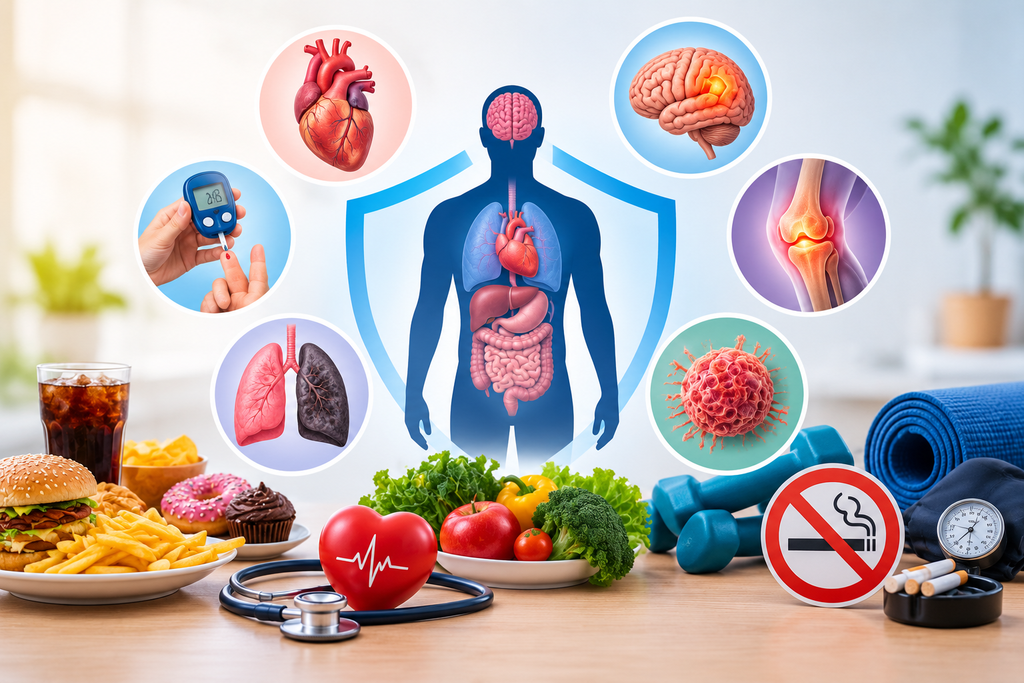
Non-infectious diseases are health conditions that do not spread directly from one person to another. They can develop because of genetic factors, lifestyle habits, environmental conditions, or changes in the body. Common examples include heart disease, cancer, diabetes, and lung diseases. These conditions can affect different parts of the body and may need long-term care. The World Health Organization (WHO) reports that non-communicable diseases account for about 74% of deaths worldwide. What Are Non-Infectious Diseases? Non-infectious diseases are conditions that are not passed directly between people. They are different from infectious diseases, which spread through germs such as bacteria, viruses, and fungi. These conditions may affect the heart, lungs, brain, blood vessels, and other organs. Some are linked to inherited genes, while others may develop because of lifestyle habits or environmental exposure. Examples include: Not all non-infectious diseases are chronic, although many need ongoing care. What Are the Main Types of Non-Infectious Diseases? The WHO identifies four major groups of non-communicable diseases: cardiovascular diseases, cancers, chronic respiratory diseases, and diabetes. Other examples include autoimmune diseases and inherited disorders. 1. Cardiovascular Diseases Cardiovascular diseases affect the heart and blood vessels. They can interfere with normal blood flow. Common examples include: Smoking, lack of exercise, an unhealthy diet, high blood pressure, and high cholesterol can increase the risk of these diseases. 2. Cancer Cancer is a group of diseases in which abnormal cells grow out of control. These cells can damage nearby tissues and sometimes spread to other parts of the body. Common types include lung, breast, colon, prostate, and skin cancer. Cancer can involve changes in genes. Tobacco use, certain chemicals, radiation, and inherited gene changes may also play a role. The causes differ depending on the type of cancer. 3. Chronic Respiratory Diseases These diseases affect the lungs and airways. They can make breathing difficult. Two common examples are: Tobacco smoke, air pollution, workplace dust, and harmful chemicals can increase the risk of respiratory diseases. 4. Diabetes Diabetes affects how the body controls blood sugar. The body uses insulin to help glucose enter cells and provide energy. The two main types are: 5. Autoimmune and Degenerative Diseases Autoimmune diseases happen when the immune system attacks healthy parts of the body by mistake. Degenerative diseases involve damage to cells, tissues, or organs over time. Examples include rheumatoid arthritis, lupus, Alzheimer’s disease, and Parkinson’s disease. These conditions affect the body in different ways and have different treatment needs. What Are the Causes of Non-Infectious Diseases? Several factors can contribute to these diseases. In many cases, more than one cause is involved. Genetic factors: Some conditions develop because of changes in genes passed from parents to children. For example, cystic fibrosis is an inherited condition caused by changes in the CFTR gene. Cell changes: Changes in normal cell activity can contribute to cancer. They can affect how cells grow and divide. Metabolic changes: Problems with blood sugar, blood pressure, or blood fats can affect health. These changes may increase the risk of heart disease and Type 2 diabetes. What Are the Risk Factors for Non-Infectious Diseases? Risk factors increase the chance of developing a disease. Some can be changed, while others cannot. Lifestyle Risk Factors Environmental and Other Risk Factors Other risk factors include air pollution, harmful chemicals, workplace dust, certain types of radiation, and radon exposure. Age, family history, inherited genes, and biological sex can also affect a person’s risk. What Are the Symptoms of Non-Infectious Diseases? Symptoms depend on the condition and the part of the body affected. Common signs may include: For example, diabetes may cause increased thirst and frequent urination. Asthma may cause coughing and wheezing. Some conditions, such as high blood pressure, may not cause clear symptoms. How Can Non-Infectious Diseases Be Prevented? Not every non-infectious disease can be prevented, especially inherited conditions. However, healthy habits may lower the risk of several diseases. How Are Non-Infectious Diseases Diagnosed and Treated? Doctors may use a medical history, physical examination, blood tests, imaging tests, or screening tests to identify a condition. Treatment depends on the disease. It may include medicines, changes in diet, physical activity, specialist care, or surgery. Some conditions need regular checkups and long-term treatment. Early diagnosis can help doctors choose suitable care. Frequently Asked Questions What Are 5 Non-Infectious Diseases? Five examples are heart disease, cancer, Type 2 diabetes, asthma, and cystic fibrosis. What Are 6 Risk Factors for Non-Communicable Diseases? Six risk factors include tobacco use, an unhealthy diet, physical inactivity, harmful alcohol use, air pollution, and older age. Family history and genetic factors can also increase risk. Are Non-Infectious Diseases Hereditary? Some are inherited, while others are linked to lifestyle or environmental factors. Having a family history does not mean a person will definitely develop the same disease. Can Non-Infectious Diseases Be Cured? Treatment depends on the condition. Some can be treated effectively, while others need long-term care and regular monitoring. Conclusion Non-infectious diseases include heart disease, cancer, diabetes, lung conditions, autoimmune diseases, and inherited disorders. Their causes may include genetic changes, lifestyle habits, and environmental factors. Not every condition can be prevented, but healthy eating, regular exercise, avoiding tobacco, and medical checkups can help lower the risk of several diseases. Understanding their causes and symptoms can help people make informed health decisions.