10 Herbal Remedies and Their Uses: Benefits and Safety

Herbal remedies and their uses vary from skin care to support for common health problems. Some herbs may help ease certain symptoms, while others have limited scientific evidence. Examples include aloe vera, chamomile, cranberry, and echinacea. Herbal products are not always safe for everyone. They may cause side effects or interact with medicines. Learn about these 10 herbal remedies, their common uses, and the safety steps to follow. What Are Herbal Remedies? Herbal remedies are products made from plants. They may come as teas, oils, creams, capsules, or extracts. People use them for many reasons, such as skin care, digestion, and symptom relief. However, a traditional use does not always mean a remedy works. Research also varies from one herb to another. It is important to check the evidence before using any herbal product. 1. Aloe Vera for Skin Care Aloe vera is a plant often used in skin care products. Its clear gel is found in many creams and lotions. Some products containing aloe vera may help soothe minor skin irritation. However, evidence for treating burns depends on the product and the type of burn. Do not rely on aloe vera for serious burns or deep wounds. Seek medical advice if a burn is severe or shows signs of infection. 2. Black Cohosh for Menopause Symptoms Black cohosh is an herbal product used by some people to manage menopause symptoms, such as hot flashes. Research results are mixed. Some studies suggest it may help with overall menopause symptoms, but the evidence is not clear for every symptom. Rare reports have linked black cohosh products to liver problems. Talk to a healthcare professional before using it, especially if you take medicines or have a liver condition. 3. Boswellia for Joint Discomfort Boswellia is an extract made from the resin of a tree. It is often used in herbal products for joint pain and inflammation. Some small studies suggest that boswellia may help ease pain from osteoarthritis. However, larger and better studies are needed to confirm its effects. Boswellia may also interact with medicines. Ask a healthcare professional before taking it as a supplement. 4. Chamomile for Digestive Discomfort Chamomile is commonly used to make herbal tea. Many people drink it to relax or ease mild digestive discomfort. However, strong evidence for chamomile alone is limited for many health conditions. Some studies have tested products that contain chamomile along with other ingredients. Chamomile tea is generally safe for many adults. People allergic to plants such as daisies may have an allergic reaction. It may also interact with some medicines. 5. Chaste Tree for PMS Symptoms Chaste tree, also called chasteberry, is used in some herbal products for premenstrual syndrome (PMS). Some studies suggest it may ease symptoms such as breast tenderness. However, more high-quality research is needed. It may not be suitable for people with certain hormone-sensitive conditions. People who are pregnant, breastfeeding, or taking hormone-related medicines should seek medical advice before using it. 6. Coffee for Alertness Coffee comes from the seeds of the coffee plant. It is not usually classed as a medicinal herb, but it is a widely used plant-based product. Coffee contains caffeine, which can increase alertness and help people feel less tired for a short time. Too much caffeine may cause sleep problems, anxiety, or a fast heartbeat. Limit caffeine if it affects your sleep or makes you feel unwell. Remember that energy drinks and some medicines may also contain caffeine. 7. Cranberry for Urinary Tract Health Cranberries are fruits used in foods, drinks, and supplements. Some cranberry products may help reduce the risk of repeated urinary tract infections (UTIs) in certain people. However, cranberry products do not treat an existing UTI. Symptoms such as pain when urinating, fever, or back pain need medical attention. Cranberry supplements may not be suitable for everyone and can interact with some medicines. Ask a healthcare professional if you take regular medication. 8. Echinacea for Common Cold Symptoms Echinacea is a plant found in many herbal supplements made for colds. Research suggests that some echinacea products may slightly lower the chance of catching a cold. However, it is unclear whether they help shorten a cold. Results may differ because products contain different plant types and ingredients. Echinacea may cause stomach problems or allergic reactions. Check with a healthcare professional before using it if you take medicines or have known plant allergies. 9. Evening Primrose Oil Evening primrose oil comes from the seeds of the evening primrose plant. It is sold as a supplement and is often promoted for different health concerns. Claims about its benefits for conditions such as rheumatoid arthritis and high cholesterol need careful review. Do not assume that it can treat these conditions without reliable evidence. Ask a healthcare professional before taking evening primrose oil, especially if you use other medicines or supplements. 10. Feverfew for Migraine Prevention Feverfew is a plant used in some herbal products for migraine prevention. Research findings are mixed. Some studies suggest it may help prevent migraines, but the evidence is not strong enough to confirm the benefit for everyone. Feverfew may cause digestive problems or allergic reactions. It may also affect blood clotting and interact with medicines. Avoid using it during pregnancy unless a qualified healthcare professional advises otherwise. How to Use Herbal Remedies Safely Follow these simple safety steps before trying an herbal product: Do not use herbal remedies as a replacement for medical care. Seek professional help if symptoms are severe, continue, or get worse. Frequently Asked Questions Are herbal remedies always safe? No. Some can cause side effects or interact with medicines. Safety depends on the herb, the product, and the person using it. Do herbal remedies work for every condition? No. Evidence varies. Some herbs may help with certain symptoms, while others have not been studied enough. Can I take herbal supplements with medicines? Not without checking first. Ask a healthcare professional or pharmacist to review possible interactions. Conclusion Herbal remedies such as aloe vera, chamomile,
Natural Remedies for Everyday Illnesses: 10 Helpful Options

10 Best Natural Remedies for everyday illnesses may help ease mild symptoms such as coughs, sore throats, nasal congestion, and digestive discomfort. Common options include honey, ginger tea, saline nasal spray, and gentle skin care. However, natural remedies do not work for everyone. Some herbs can cause side effects or interact with medicines. This guide explains common home-care options, their possible benefits, and important safety tips. 1. Honey for Cough and Sore Throat Honey is a popular home remedy for coughs and sore throats. It may help soothe throat irritation and ease coughing in children older than one year. You can take a small amount on its own or add it to a warm drink. Safety tip: Never give honey to babies younger than 12 months because of the risk of infant botulism. Honey may relieve symptoms but does not cure the illness causing the cough. Warm drinks and gargling with warm salt water may also help soothe a sore throat. Seek medical advice if you have severe pain, difficulty swallowing, or worsening symptoms. 2. Ginger Tea for Digestive Discomfort Ginger is commonly used to ease nausea and motion sickness. Ginger tea is also a traditional home-care option for indigestion. To prepare it, steep fresh ginger slices in hot water. Let the drink cool to a comfortable temperature before drinking it. Ginger may cause heartburn, bloating, gas, or nausea in some people. If digestive discomfort continues or becomes severe, consult a healthcare professional. 3. Chamomile Tea for Relaxation Chamomile is commonly used in herbal tea for relaxation. Some people also use it as part of their routine for digestive discomfort. However, evidence supporting its use for specific health problems is limited. Chamomile may interact with certain medicines and can cause allergic reactions, especially in people sensitive to related plants. Ask a healthcare professional before using chamomile medicinally if you take medication or have known allergies. 4. Saline Nasal Spray for Congestion Saline nasal spray contains salt water and can help clear mucus and irritants from the nasal passages. It is a useful option for people experiencing nasal congestion from common respiratory illnesses. Follow the instructions on the product label. If you use a nasal-rinse device, choose distilled, sterile, or previously boiled and cooled water. Do not use untreated tap water for nasal rinsing. 5. Warm Showers and Humidifiers A warm shower or a clean humidifier may make nasal congestion feel easier to manage. These measures can help provide comfort while your body recovers from a respiratory illness. Avoid very hot steam because it can cause burns. Clean humidifiers according to the manufacturer’s instructions to help prevent the buildup of mold and bacteria. 6. Rest and Fluids for Common Cold Symptoms Rest and drinking enough fluids are basic ways to care for yourself during a common cold. Water and clear broth are practical choices when you feel unwell. Allow yourself time to rest and monitor your symptoms. Although these measures can support comfort during recovery, they do not directly cure the virus responsible for a cold. Seek medical advice if symptoms worsen, persist, or include warning signs such as breathing difficulties or chest pain. 7. Echinacea for Cold Symptoms Echinacea is an herbal product commonly used for colds and other respiratory infections. However, research has produced mixed results, and it is not a proven cure. Some studies suggest possible benefits, but the evidence is not strong enough to guarantee that echinacea will prevent a cold or shorten its duration. Echinacea can cause allergic reactions, particularly in people allergic to plants in the daisy family. It may also interact with medicines. Consult a healthcare professional before using it as a supplement. 8. Colloidal Oatmeal for Dry Skin Colloidal oatmeal is finely ground oatmeal used in some skin-care products. It may help soothe dry, itchy skin and support a comfortable skin-care routine. Choose a suitable product and follow its directions. Stop using it if irritation develops. Avoid applying unfamiliar ingredients to irritated skin without checking their suitability. If your skin problem persists, worsens, or shows signs of infection, seek advice from a healthcare professional. 9. Valerian for Sleep Valerian is an herb found in some supplements marketed for sleep support and relaxation. However, research on its effectiveness for sleep problems has produced mixed results. Do not assume that a natural sleep product is automatically safe. Valerian may cause side effects or interact with medicines. Ask a healthcare professional before using it, especially if you take other medications. Persistent sleep difficulties may have an underlying cause that requires attention. 10. Safe Use of 10 Best Natural Remedies Natural remedies for everyday illnesses should be chosen carefully. Herbal products can cause side effects, trigger allergies, or interact with prescription and over-the-counter medicines. Follow these safety tips: When Should You See a Doctor? Home care may help with mild symptoms, but some conditions need professional assessment. Seek medical advice if symptoms persist or worsen. Get urgent medical help for breathing difficulties, chest pain, severe symptoms, or difficulty swallowing. A healthcare professional can identify possible causes and recommend appropriate treatment. Frequently Asked Questions What are some natural remedies for everyday illnesses? Common options include honey for coughs, ginger tea for nausea, saline nasal spray for congestion, and colloidal oatmeal for dry skin. Their suitability depends on the person and the symptoms. Can ginger tea help an upset stomach? Ginger is commonly used for nausea and motion sickness. Some people also use ginger tea for digestive discomfort, but it may cause heartburn or other side effects. Are natural remedies always safe? No. Natural products can cause allergic reactions, side effects, and drug interactions. Seek professional advice before using herbal supplements. When should I seek medical advice? Seek medical advice if symptoms worsen, persist, or become severe. Breathing difficulties and chest pain require urgent medical attention. Conclusion Natural remedies for everyday illnesses may help relieve certain mild symptoms. Honey, ginger tea, saline nasal spray, warm showers, and colloidal oatmeal are common home-care options. Their effects vary, and some
Home Remedies Backed by Science: 6 Options
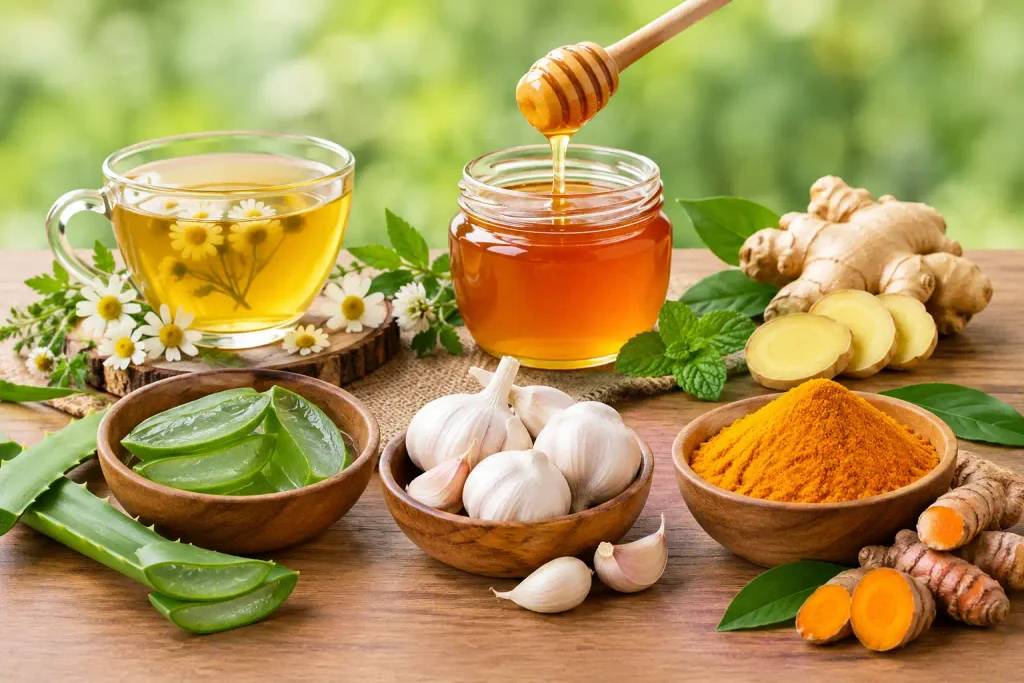
Home remedies backed by science can help manage some common health problems. These include nausea, cough, mild joint discomfort, and sleep difficulties. However, not all home remedies have strong scientific evidence. Some natural remedies may help, while others need more research. This guide explains selected herbal remedies, their possible benefits, and how to use them safely. Natural treatments can cause side effects, so it is important to understand their limits before trying them. What Are Home Remedies? Home remedies are simple treatments used at home to ease minor symptoms. They may include foods, drinks, herbs, or other natural products. Some remedies have been studied in clinical research. For example, researchers have examined ginger for nausea and honey for cough. However, results can vary depending on the condition, product, and amount used. Research suggests that natural does not always mean safe or effective. (sources) 1. Ginger for Nausea Ginger is a popular ingredient in food and traditional herbal medicine. Some studies suggest that ginger may help reduce certain types of nausea, including nausea during pregnancy. Evidence for motion sickness and other causes is less consistent. You can add fresh ginger to warm water or use it in meals. Ginger supplements are also available, but they may not be suitable for everyone. Ginger can cause heartburn, stomach discomfort, or other side effects in some people. Ask a healthcare professional before using supplements if you take medicines or have an existing medical condition. (sources) 2. Honey for Cough and Sore Throat Honey may help soothe a cough and an irritated throat. Some research suggests that it can offer short-term relief from cough symptoms, especially at night. Warm water with honey may also feel soothing when you have a sore throat. Honey does not treat every cause of coughing or throat pain. Seek medical advice if symptoms are severe, last longer than expected, or come with breathing problems. Important: Never give honey to a child younger than 12 months because of the risk of infant botulism. (sources) 3. Turmeric for Joint Discomfort Turmeric contains curcumin, a compound studied for its effects on inflammation. Some research has explored turmeric products for joint discomfort, including symptoms linked to osteoarthritis. However, the evidence is still limited, and more high-quality studies are needed. You can use turmeric in everyday cooking. Concentrated supplements are different from normal food amounts and may cause side effects or interact with medicines. Do not replace prescribed treatment with turmeric. Ask a healthcare professional before taking supplements regularly, especially if you use other medicines. (sources) 4. Chamomile for Relaxation and Sleep Chamomile tea is commonly used as a relaxing drink before bedtime. Some people find it helpful as part of a calming evening routine. However, research has not clearly established that chamomile can treat insomnia or reliably improve sleep quality. A quiet room, a regular bedtime, and less screen time before sleep may also support better rest. Chamomile can cause an allergic reaction, especially in people who are allergic to plants related to daisies. Stop using it if you notice an unusual reaction and seek medical advice when needed. (sources) 5. Peppermint Oil for Digestive Symptoms Peppermint oil has been studied for symptoms of irritable bowel syndrome (IBS). Some clinical studies suggest that specially prepared peppermint oil capsules may help ease abdominal pain and other digestive symptoms. These products are not the same as peppermint tea or essential oils used for fragrance. Peppermint oil may cause heartburn or indigestion in some people. Do not swallow essential oils unless a healthcare professional specifically recommends a suitable product. Always follow product directions and seek medical advice for ongoing digestive problems. (sources) 6. Lavender and Essential Oils Lavender is used in aromatherapy to support relaxation. Some studies have examined lavender products for anxiety and sleep-related problems, but the strength of the evidence varies by product and method of use. A pleasant scent may help some people relax, but essential oils should not be considered a proven treatment for every sleep or mental health problem. Essential oils can irritate the skin, trigger headaches, or cause an allergic reaction. Do not swallow them, and follow safety instructions for any product you use. Ask a healthcare professional before using them around young children or if you have a medical condition. (sources) What Does Scientific Research Say? A randomized controlled trial compares a treatment with a control group. A systematic review and meta-analysis examines findings from multiple studies and may combine their results. These methods can help researchers judge whether a remedy works. However, a review and meta-analysis is only as reliable as the studies it includes. Small studies, different products, and inconsistent results can limit what researchers conclude. When you find articles about herbal remedies, check whether they describe human studies, explain possible risks, and come from reliable medical sources. A single study showed result is not enough to prove that a remedy works for everyone. More research may be needed to understand its long-term benefits and risks. How to Use Home Remedies Safely Follow these simple safety tips: Home remedies may support comfort, but they do not replace medical diagnosis or prescribed treatment. Your immune system, general health, and the cause of your symptoms can all affect recovery. Frequently Asked Questions Do home remedies really work? Some have evidence for specific symptoms, but results vary. Others have limited research or have not been proven effective. Can natural remedies cause side effects? Yes. Herbs and essential oils can cause side effects, interact with medicines, or trigger allergic reactions. Can home remedies replace prescribed medicine? No. Do not stop or change prescribed treatment without speaking to your healthcare professional. Conclusion Home remedies backed by science may help ease certain minor symptoms. Ginger, honey, turmeric, chamomile, peppermint oil, and lavender have all been studied for different uses, but the quality of evidence varies. Choose remedies carefully, understand their risks, and seek medical advice when symptoms are serious or do not improve. Safe use means knowing both the possible benefits and the