Iron Deficiency: Symptoms, Causes & Treatment

Iron deficiency occurs when the body does not have enough iron to meet its needs. Iron helps the body make hemoglobin, a protein in red blood cells that carries oxygen from the lungs to the rest of the body. When iron stores become too low, a person may develop symptoms or iron-deficiency anemia. Understanding the symptoms, causes, and treatment options can help you recognize when to seek medical advice. What Is Iron Deficiency? Iron deficiency means the body’s iron stores are low. The body gets iron from foods such as meat, poultry, seafood, beans, lentils, and iron-fortified cereals. Low iron can develop when a person does not consume enough iron, loses blood, or cannot absorb iron properly. Iron deficiency may occur before hemoglobin levels become low enough to cause anemia. People with heavy menstrual periods, pregnant women, frequent blood donors, and those with certain digestive conditions may have a higher risk of iron deficiency. Common Symptoms of Low Iron Iron deficiency may cause no noticeable symptoms at first. When it leads to iron-deficiency anemia, symptoms can include: Other possible symptoms include a sore tongue, hair loss, nail changes, restless legs, and an unusual desire to eat non-food items such as ice. These symptoms can have other causes and do not confirm iron deficiency. If you have persistent tiredness or other concerning symptoms, consult a healthcare professional. Blood tests can help identify the cause. Causes and Risk Factors Iron deficiency can develop for several reasons. Low iron intake: A diet that does not provide enough iron may gradually reduce the body’s iron stores. Meat, seafood, beans, lentils, leafy green vegetables, and fortified cereals are useful sources. Blood loss: Heavy menstrual periods can contribute to iron deficiency. Bleeding in the stomach or intestines can also cause iron loss and may be associated with digestive conditions or certain medicines. Increased iron needs: Pregnancy increases iron requirements. Children and teenagers also need adequate iron during growth. Poor iron absorption: Some digestive conditions make it harder for the body to absorb iron from food. In these cases, dietary changes alone may not be enough. Frequent blood donation: Donating blood regularly can increase iron loss and raise the risk of low iron stores. Finding the cause is important because treatment may require more than dietary changes. Iron-Deficiency Anemia Iron-deficiency anemia develops when a lack of iron prevents the body from making enough hemoglobin. As hemoglobin levels fall, the blood carries less oxygen to the body’s tissues. Iron deficiency and iron-deficiency anemia are not the same. Iron stores can be low before anemia develops. Untreated iron-deficiency anemia can affect daily activities and physical performance. During pregnancy, it can also increase the risk of complications. Not all anemia is caused by low iron. Vitamin B12 deficiency, folate deficiency, and certain medical conditions can also cause anemia. Testing helps healthcare professionals identify the cause and choose suitable treatment. How Is Iron Deficiency Diagnosed? A healthcare professional may ask about your symptoms, diet, medical history, menstrual periods, medicines, and possible blood loss. Blood tests may include: Inflammation can affect ferritin levels, so results should be interpreted alongside symptoms and other test findings. Further investigations may be needed if the cause of iron deficiency is unclear. Iron Deficiency Treatment and Diet Treatment depends on the cause and severity of the deficiency. If dietary intake is too low, a healthcare professional may recommend eating more iron-rich foods. Useful sources include: Vitamin C helps the body absorb non-heme iron, which is found in plant foods. Eating beans, lentils, or leafy greens with oranges, tomatoes, or sweet peppers can improve iron absorption. Tea and coffee can reduce iron absorption when consumed with meals. If you have iron deficiency, ask your healthcare professional about suitable dietary changes. Food alone may not correct a deficiency caused by significant blood loss or poor absorption. Treating the underlying cause is an important part of management. Iron Supplements and Safety A healthcare professional may recommend iron supplements when testing confirms a deficiency or supplementation is otherwise appropriate. The dose and duration depend on individual needs. Side effects can include nausea, stomach discomfort, constipation, or diarrhea. Ask your healthcare professional for advice if you experience problems. Iron can interact with certain medicines. Tell your healthcare professional or pharmacist about the medicines and supplements you take before starting iron. Do not take iron supplements simply because you feel tired. Too much iron can be harmful. Keep iron products away from children because accidental overdose can be dangerous. Follow the recommended treatment plan and attend follow-up appointments. Repeat blood tests may be needed to check your response to treatment. Frequently Asked Questions Can you have iron deficiency without anemia? Yes. Iron stores may become low before hemoglobin levels fall enough to cause anemia. Blood tests can help identify the problem. Can iron deficiency be treated with food? Iron-rich foods can help improve iron intake. However, some people need supplements or treatment for an underlying cause. How is iron deficiency different from anemia? Iron deficiency means the body’s iron stores are low. Iron-deficiency anemia occurs when insufficient iron leads to low hemoglobin levels. Should you take iron supplements without medical advice? No. Seek professional advice before taking iron supplements. Tiredness can have many causes, and unnecessary iron can be harmful. Conclusion Iron deficiency can result from low iron intake, blood loss, increased iron requirements, or poor absorption. Symptoms may include tiredness, weakness, shortness of breath, and headaches, although some people have no symptoms initially. Blood tests help healthcare professionals assess iron stores and identify anemia. Treatment may include iron-rich foods, supplements when appropriate, and care for the underlying cause. Seek medical advice if you suspect iron deficiency rather than relying on symptoms alone. Medical disclaimer: This article is for general educational purposes only and is not a substitute for medical advice, diagnosis, or treatment. Consult a qualified healthcare professional if you have symptoms or concerns about iron deficiency.
Iron-Rich Foods: 12 Healthy Sources & Benefits
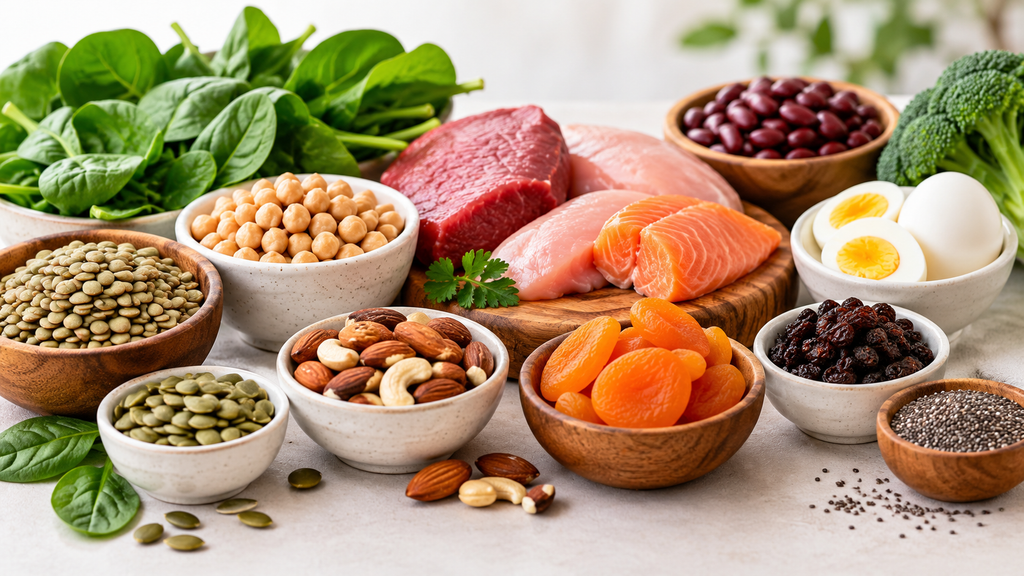
Iron is an essential mineral that helps your body produce hemoglobin, a protein in red blood cells that carries oxygen throughout the body. It also supports energy production, muscle function, and brain development. Eating foods high in iron can help you meet your nutritional needs and maintain overall health. There are many natural Iron-rich foods, including meat, seafood, lentils, beans, vegetables, seeds, and fortified cereals. Understanding the best sources of iron and how to improve iron absorption can help you maintain an iron-rich diet. What Does Iron Do in the Body? Iron supports hemoglobin production, oxygen transport, muscle function, and normal cell activity. It also contributes to brain development, particularly during childhood. Low iron levels can lead to iron-deficiency anemia, which may cause fatigue, weakness, dizziness, and difficulty concentrating. Eating iron-rich foods can help prevent inadequate intake, although some cases of iron deficiency require medical treatment. Types of Iron in Food There are two main types of dietary iron: Vegetarians can obtain iron from plant-based foods. Combining these foods with vitamin C can improve non-heme iron absorption. Iron-Rich Foods List: 12 Healthy Sources Here are 12 good sources of iron to include in your daily meals. 1. Red Meat Beef and lamb provide heme iron and protein. Lean cuts can be included in a balanced diet alongside vegetables and whole grains. 2. Liver Liver contains iron and vitamin B12. However, it is high in vitamin A, so pregnant individuals should avoid liver and liver products. 3. Chicken and Turkey Poultry provides protein and some heme iron. Serve it with beans, lentils, or vegetables for a nutritious meal. 4. Sardines and Shellfish Sardines, clams, and oysters provide iron, protein, and other nutrients. Shellfish can be particularly rich sources of iron. 5. Lentils Lentils are affordable, plant-based sources of iron, protein, and fiber. Half a cup of cooked lentils contains approximately 3 mg of iron. 6. Beans and Chickpeas White beans, kidney beans, and chickpeas supply non-heme iron and fiber. Add them to soups, salads, rice dishes, or vegetable curries. 7. Tofu Tofu provides plant-based protein and iron. Combine it with tomatoes, broccoli, or bell peppers to help improve iron absorption. 8. Spinach Spinach contains iron and folate. However, the body does not absorb all its iron, so include it alongside other iron-rich foods. 9. Pumpkin Seeds and Nuts Pumpkin seeds and cashews contribute iron and healthy fats. Sprinkle them over salads or oatmeal, or enjoy them as a snack. 10. Iron-Fortified Cereals Some breakfast cereals contain substantial amounts of added iron. Check nutrition labels because iron content varies between products. 11. Oats and Whole-Grain Bread Oats and whole-grain bread provide some iron and other nutrients. Choose fortified products when appropriate. 12. Dried Fruits Raisins and certain other dried fruits contain small amounts of iron. Add them to oatmeal or combine them with nuts and seeds. Iron-Rich Foods and Their Benefits Including iron-rich foods in a balanced diet offers several benefits: How to Increase Iron Levels Naturally Learning how to increase iron levels naturally starts with choosing a variety of iron-containing foods. Eat vitamin C-rich foods: Oranges, guava, tomatoes, strawberries, and bell peppers improve the absorption of non-heme iron. Combine them with lentils, beans, or tofu. Choose varied iron sources: Include legumes, seeds, fortified cereals, meat, or seafood according to your dietary preferences. Pay attention to tea and coffee: These beverages can reduce non-heme iron absorption when consumed with meals. Drinking them between meals may help if you have low iron levels. Avoid unnecessary supplements: Iron supplements are not suitable for everyone and should be taken with professional guidance. Daily Iron Requirements Daily iron requirements vary by age and life stage. General US recommendations include: These recommendations are general guidelines and may differ between countries. Individual needs can vary. Frequently Asked Questions What are the best sources of iron? Shellfish, meat, fortified cereals, lentils, beans, tofu, and seeds are useful sources of dietary iron. Can vegetarians get enough iron? Yes. Lentils, beans, chickpeas, tofu, seeds, and fortified cereals provide iron. Eating vitamin C-rich foods alongside them improves absorption. What are the side effects of too much iron? Excessive iron can cause nausea, constipation, and abdominal pain. High doses can be dangerous, so avoid unnecessary supplements. Conclusion Foods high in iron, including lentils, beans, seafood, meat, tofu, seeds, and fortified cereals, can help support healthy blood cells, energy production, and brain development. Choose a variety of natural sources of iron and combine plant-based foods with vitamin C to improve absorption. If you experience persistent fatigue or suspect iron deficiency, consult a healthcare professional. Food supports good nutrition, but some cases require testing and medical treatment. Medical disclaimer: This article is for educational purposes only and does not replace professional medical advice.