Anemia: Symptoms, Causes, Diagnosis, and Treatment

Anemia is a condition in which the body does not have enough healthy red blood cells or hemoglobin to carry oxygen to its tissues. It can make you feel tired, weak, or short of breath. Anemia may develop for several reasons, including low iron levels, vitamin deficiencies, blood loss, and certain health conditions. The right treatment depends on the type and cause of anemia. Understanding its symptoms and causes can help you know when to seek medical care. What Is Anemia? Red blood cells carry oxygen from the lungs to the rest of the body. They contain a protein called hemoglobin, which helps transport oxygen. When the body has too few healthy red blood cells or too little hemoglobin, its tissues may not receive enough oxygen. This condition is called anemia. Anemia can be mild or severe. Some people have few symptoms, while others may feel very tired or have difficulty with daily activities. Common Symptoms of Anemia Symptoms can vary depending on the cause and severity of anemia. Common signs include: Some people may not notice symptoms at first. As anemia becomes more severe, symptoms can become more noticeable. Severe breathlessness, chest pain, fainting, or a very fast heartbeat needs urgent medical attention. These symptoms can have several causes and should not be ignored. What Causes Anemia? Anemia can develop when the body loses blood, does not produce enough red blood cells, or destroys them too quickly. Common causes include: 1. Iron Deficiency Iron helps the body make hemoglobin. When iron levels are too low, the body may not produce enough healthy red blood cells. Iron deficiency can result from: 2. Vitamin Deficiency The body needs vitamin B12 and folate to make healthy red blood cells. A lack of either vitamin can lead to anemia. Vitamin B12 deficiency may also affect the nerves. Pernicious anemia is one condition that can prevent the body from absorbing enough vitamin B12. 3. Chronic Diseases Some long-term health conditions can affect red blood cell production. These include kidney disease, cancer, rheumatoid arthritis, and HIV/AIDS. Kidney disease can reduce the production of a hormone that helps the body make red blood cells. 4. Bone Marrow Problems Bone marrow produces blood cells. Conditions that damage or affect the bone marrow can reduce red blood cell production. Aplastic anemia is one example of a condition in which the bone marrow does not make enough blood cells. 5. Inherited Blood Disorders Some types of anemia are passed down through families. Sickle cell disease and thalassemia are examples of inherited blood disorders that affect red blood cells. Types of Anemia There are several types of anemia. The main types include: Each type has a different cause, so treatment may also differ. How Is Anemia Diagnosed? A doctor may ask about your symptoms, medical history, diet, and any bleeding. A physical examination and blood tests can help identify the cause. A common test is the complete blood count (CBC). It measures different parts of the blood, including red blood cells and hemoglobin. Other tests may include: The doctor may recommend more tests if the results suggest blood loss, an inherited condition, or another health problem. Anemia Treatment Anemia treatment depends on its cause, type, and severity. A doctor may recommend one or more of the following options. Iron Supplements Iron supplements may be prescribed for iron deficiency anemia. They help restore iron levels and support hemoglobin production. However, iron supplements are not suitable for every type of anemia. Taking them without medical advice may be harmful. Vitamin Supplements People with vitamin B12 or folate deficiency may need supplements or other forms of treatment. The correct option depends on the reason for the deficiency. Treating the Underlying Condition If anemia is linked to kidney disease, chronic inflammation, or another illness, treating that condition may help manage the anemia. A doctor may also investigate and treat ongoing blood loss. Blood Transfusion In some cases, a blood transfusion may be needed. This treatment provides red blood cells from a donor. Doctors decide whether it is necessary based on the patient’s condition. Foods That Support Healthy Blood A balanced diet can help provide nutrients needed for healthy blood cell production. Useful food sources include: Vitamin C can help the body absorb iron from plant foods. Food choices can support good nutrition, but diet alone may not correct anemia. People with diagnosed anemia should follow the treatment advised by their healthcare professional. Can Anemia Be Dangerous? Anemia can affect daily life and may become serious if left untreated. Severe anemia can place extra strain on the heart and affect the body’s ability to receive enough oxygen. The risks depend on the cause, severity, and overall health of the person. Some types also need long-term medical care. When Should You See a Doctor? Speak with a healthcare professional if you often feel tired, weak, dizzy, or short of breath. These symptoms can have many causes, including anemia. Seek urgent medical attention for chest pain, fainting, or severe difficulty breathing. Do not start iron or other supplements to treat suspected anemia without medical advice. A blood test can help identify the problem and guide treatment. Frequently Asked Questions 1. What is the main cause of anemia? Iron deficiency is a common cause of anemia. However, blood loss, vitamin deficiencies, chronic diseases, and inherited conditions can also cause it. 2. What are the first signs of anemia? Common early signs include tiredness, weakness, dizziness, headaches, and shortness of breath. 3. How is anemia diagnosed? A complete blood count (CBC) is commonly used to check hemoglobin and red blood cell levels. Other tests may help identify the cause. 4. Can anemia be treated? Yes. Treatment depends on the type and cause. It may include supplements, treatment of an underlying condition, or other medical care. 5. Which foods are good for anemia? Foods containing iron, vitamin B12, and folate support healthy blood cell production. Examples include meat, fish, beans, leafy greens, eggs, and fortified foods. Conclusion Anemia occurs
Iron Deficiency: Symptoms, Causes & Treatment

Iron deficiency occurs when the body does not have enough iron to meet its needs. Iron helps the body make hemoglobin, a protein in red blood cells that carries oxygen from the lungs to the rest of the body. When iron stores become too low, a person may develop symptoms or iron-deficiency anemia. Understanding the symptoms, causes, and treatment options can help you recognize when to seek medical advice. What Is Iron Deficiency? Iron deficiency means the body’s iron stores are low. The body gets iron from foods such as meat, poultry, seafood, beans, lentils, and iron-fortified cereals. Low iron can develop when a person does not consume enough iron, loses blood, or cannot absorb iron properly. Iron deficiency may occur before hemoglobin levels become low enough to cause anemia. People with heavy menstrual periods, pregnant women, frequent blood donors, and those with certain digestive conditions may have a higher risk of iron deficiency. Common Symptoms of Low Iron Iron deficiency may cause no noticeable symptoms at first. When it leads to iron-deficiency anemia, symptoms can include: Other possible symptoms include a sore tongue, hair loss, nail changes, restless legs, and an unusual desire to eat non-food items such as ice. These symptoms can have other causes and do not confirm iron deficiency. If you have persistent tiredness or other concerning symptoms, consult a healthcare professional. Blood tests can help identify the cause. Causes and Risk Factors Iron deficiency can develop for several reasons. Low iron intake: A diet that does not provide enough iron may gradually reduce the body’s iron stores. Meat, seafood, beans, lentils, leafy green vegetables, and fortified cereals are useful sources. Blood loss: Heavy menstrual periods can contribute to iron deficiency. Bleeding in the stomach or intestines can also cause iron loss and may be associated with digestive conditions or certain medicines. Increased iron needs: Pregnancy increases iron requirements. Children and teenagers also need adequate iron during growth. Poor iron absorption: Some digestive conditions make it harder for the body to absorb iron from food. In these cases, dietary changes alone may not be enough. Frequent blood donation: Donating blood regularly can increase iron loss and raise the risk of low iron stores. Finding the cause is important because treatment may require more than dietary changes. Iron-Deficiency Anemia Iron-deficiency anemia develops when a lack of iron prevents the body from making enough hemoglobin. As hemoglobin levels fall, the blood carries less oxygen to the body’s tissues. Iron deficiency and iron-deficiency anemia are not the same. Iron stores can be low before anemia develops. Untreated iron-deficiency anemia can affect daily activities and physical performance. During pregnancy, it can also increase the risk of complications. Not all anemia is caused by low iron. Vitamin B12 deficiency, folate deficiency, and certain medical conditions can also cause anemia. Testing helps healthcare professionals identify the cause and choose suitable treatment. How Is Iron Deficiency Diagnosed? A healthcare professional may ask about your symptoms, diet, medical history, menstrual periods, medicines, and possible blood loss. Blood tests may include: Inflammation can affect ferritin levels, so results should be interpreted alongside symptoms and other test findings. Further investigations may be needed if the cause of iron deficiency is unclear. Iron Deficiency Treatment and Diet Treatment depends on the cause and severity of the deficiency. If dietary intake is too low, a healthcare professional may recommend eating more iron-rich foods. Useful sources include: Vitamin C helps the body absorb non-heme iron, which is found in plant foods. Eating beans, lentils, or leafy greens with oranges, tomatoes, or sweet peppers can improve iron absorption. Tea and coffee can reduce iron absorption when consumed with meals. If you have iron deficiency, ask your healthcare professional about suitable dietary changes. Food alone may not correct a deficiency caused by significant blood loss or poor absorption. Treating the underlying cause is an important part of management. Iron Supplements and Safety A healthcare professional may recommend iron supplements when testing confirms a deficiency or supplementation is otherwise appropriate. The dose and duration depend on individual needs. Side effects can include nausea, stomach discomfort, constipation, or diarrhea. Ask your healthcare professional for advice if you experience problems. Iron can interact with certain medicines. Tell your healthcare professional or pharmacist about the medicines and supplements you take before starting iron. Do not take iron supplements simply because you feel tired. Too much iron can be harmful. Keep iron products away from children because accidental overdose can be dangerous. Follow the recommended treatment plan and attend follow-up appointments. Repeat blood tests may be needed to check your response to treatment. Frequently Asked Questions Can you have iron deficiency without anemia? Yes. Iron stores may become low before hemoglobin levels fall enough to cause anemia. Blood tests can help identify the problem. Can iron deficiency be treated with food? Iron-rich foods can help improve iron intake. However, some people need supplements or treatment for an underlying cause. How is iron deficiency different from anemia? Iron deficiency means the body’s iron stores are low. Iron-deficiency anemia occurs when insufficient iron leads to low hemoglobin levels. Should you take iron supplements without medical advice? No. Seek professional advice before taking iron supplements. Tiredness can have many causes, and unnecessary iron can be harmful. Conclusion Iron deficiency can result from low iron intake, blood loss, increased iron requirements, or poor absorption. Symptoms may include tiredness, weakness, shortness of breath, and headaches, although some people have no symptoms initially. Blood tests help healthcare professionals assess iron stores and identify anemia. Treatment may include iron-rich foods, supplements when appropriate, and care for the underlying cause. Seek medical advice if you suspect iron deficiency rather than relying on symptoms alone. Medical disclaimer: This article is for general educational purposes only and is not a substitute for medical advice, diagnosis, or treatment. Consult a qualified healthcare professional if you have symptoms or concerns about iron deficiency.
Iron-Rich Foods: 12 Healthy Sources & Benefits
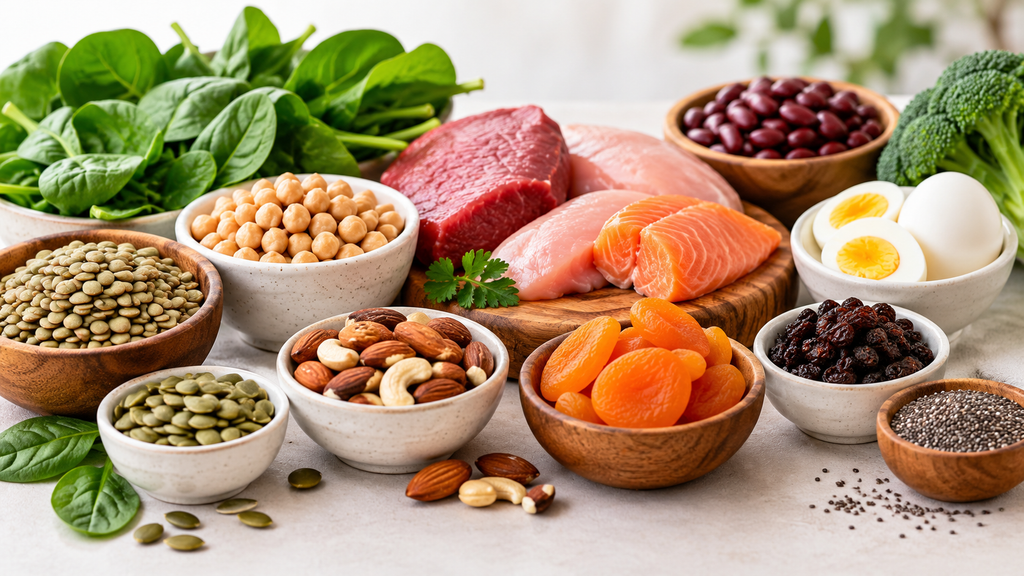
Iron is an essential mineral that helps your body produce hemoglobin, a protein in red blood cells that carries oxygen throughout the body. It also supports energy production, muscle function, and brain development. Eating foods high in iron can help you meet your nutritional needs and maintain overall health. There are many natural Iron-rich foods, including meat, seafood, lentils, beans, vegetables, seeds, and fortified cereals. Understanding the best sources of iron and how to improve iron absorption can help you maintain an iron-rich diet. What Does Iron Do in the Body? Iron supports hemoglobin production, oxygen transport, muscle function, and normal cell activity. It also contributes to brain development, particularly during childhood. Low iron levels can lead to iron-deficiency anemia, which may cause fatigue, weakness, dizziness, and difficulty concentrating. Eating iron-rich foods can help prevent inadequate intake, although some cases of iron deficiency require medical treatment. Types of Iron in Food There are two main types of dietary iron: Vegetarians can obtain iron from plant-based foods. Combining these foods with vitamin C can improve non-heme iron absorption. Iron-Rich Foods List: 12 Healthy Sources Here are 12 good sources of iron to include in your daily meals. 1. Red Meat Beef and lamb provide heme iron and protein. Lean cuts can be included in a balanced diet alongside vegetables and whole grains. 2. Liver Liver contains iron and vitamin B12. However, it is high in vitamin A, so pregnant individuals should avoid liver and liver products. 3. Chicken and Turkey Poultry provides protein and some heme iron. Serve it with beans, lentils, or vegetables for a nutritious meal. 4. Sardines and Shellfish Sardines, clams, and oysters provide iron, protein, and other nutrients. Shellfish can be particularly rich sources of iron. 5. Lentils Lentils are affordable, plant-based sources of iron, protein, and fiber. Half a cup of cooked lentils contains approximately 3 mg of iron. 6. Beans and Chickpeas White beans, kidney beans, and chickpeas supply non-heme iron and fiber. Add them to soups, salads, rice dishes, or vegetable curries. 7. Tofu Tofu provides plant-based protein and iron. Combine it with tomatoes, broccoli, or bell peppers to help improve iron absorption. 8. Spinach Spinach contains iron and folate. However, the body does not absorb all its iron, so include it alongside other iron-rich foods. 9. Pumpkin Seeds and Nuts Pumpkin seeds and cashews contribute iron and healthy fats. Sprinkle them over salads or oatmeal, or enjoy them as a snack. 10. Iron-Fortified Cereals Some breakfast cereals contain substantial amounts of added iron. Check nutrition labels because iron content varies between products. 11. Oats and Whole-Grain Bread Oats and whole-grain bread provide some iron and other nutrients. Choose fortified products when appropriate. 12. Dried Fruits Raisins and certain other dried fruits contain small amounts of iron. Add them to oatmeal or combine them with nuts and seeds. Iron-Rich Foods and Their Benefits Including iron-rich foods in a balanced diet offers several benefits: How to Increase Iron Levels Naturally Learning how to increase iron levels naturally starts with choosing a variety of iron-containing foods. Eat vitamin C-rich foods: Oranges, guava, tomatoes, strawberries, and bell peppers improve the absorption of non-heme iron. Combine them with lentils, beans, or tofu. Choose varied iron sources: Include legumes, seeds, fortified cereals, meat, or seafood according to your dietary preferences. Pay attention to tea and coffee: These beverages can reduce non-heme iron absorption when consumed with meals. Drinking them between meals may help if you have low iron levels. Avoid unnecessary supplements: Iron supplements are not suitable for everyone and should be taken with professional guidance. Daily Iron Requirements Daily iron requirements vary by age and life stage. General US recommendations include: These recommendations are general guidelines and may differ between countries. Individual needs can vary. Frequently Asked Questions What are the best sources of iron? Shellfish, meat, fortified cereals, lentils, beans, tofu, and seeds are useful sources of dietary iron. Can vegetarians get enough iron? Yes. Lentils, beans, chickpeas, tofu, seeds, and fortified cereals provide iron. Eating vitamin C-rich foods alongside them improves absorption. What are the side effects of too much iron? Excessive iron can cause nausea, constipation, and abdominal pain. High doses can be dangerous, so avoid unnecessary supplements. Conclusion Foods high in iron, including lentils, beans, seafood, meat, tofu, seeds, and fortified cereals, can help support healthy blood cells, energy production, and brain development. Choose a variety of natural sources of iron and combine plant-based foods with vitamin C to improve absorption. If you experience persistent fatigue or suspect iron deficiency, consult a healthcare professional. Food supports good nutrition, but some cases require testing and medical treatment. Medical disclaimer: This article is for educational purposes only and does not replace professional medical advice.
Fatigue Causes: 12 Common Reasons for Low Energy

Fatigue causes can range from poor sleep and stress to dehydration, nutritional deficiencies, and underlying health conditions. Feeling tired after a busy day is normal, but if you wake up exhausted or continue to feel tired even after resting, there may be an underlying reason. Understanding the causes of fatigue can help you decide when lifestyle changes may help and when to speak with a healthcare professional. Fatigue can affect your body, mood, concentration, and motivation. Poor sleep, stress, dehydration, an unbalanced diet, low iron, anxiety, medications, and some health problems may all play a role. For some people, tiredness is temporary. For others, it becomes a regular problem that affects their quality of life. Quick Overview of Fatigue Causes What Is Fatigue? Fatigue is a feeling of low energy or exhaustion that can affect you physically or mentally. It is different from ordinary sleepiness. You may feel tired but still be unable to fall asleep, or you may sleep for several hours and wake up feeling unrefreshed. Physical fatigue may make your muscles feel weak or heavy. Mental fatigue may cause poor concentration, low motivation, forgetfulness, or brain fog. Fatigue is not a disease on its own. It is a symptom that can have many possible causes. In some cases, it is related to daily habits. In others, it may be connected to a medical condition. 12 Common Fatigue Causes 1. Poor Sleep Poor sleep is one of the most common reasons people experience daytime tiredness. An irregular sleep schedule, stress, late-night screen use, caffeine, and alcohol can all affect sleep quality. A sleep disturbance may also prevent your body from getting enough restorative sleep. Loud snoring, gasping, choking during sleep, or repeated waking may be signs of sleep apnoea. If you regularly wake up tired despite spending enough time in bed, discuss the problem with a healthcare professional. 2. Long-Term Stress Stress can drain both physical and mental energy. Work pressure, financial problems, family responsibilities, relationship difficulties, and major life changes can all contribute. When stress continues over the long term, it may also interfere with sleep. This can create a cycle where poor sleep increases tiredness and tiredness makes stress harder to manage. 3. Poor Diet Your body needs a range of nutrients to support normal energy production. Skipping meals or regularly eating foods that are low in nutrients may leave you feeling weak or unfocused. Try to include vegetables, fruits, whole grains, protein, and healthy fats in your meals. Regular, balanced meals may help support steadier energy throughout the day. 4. Too Little Physical Activity When you feel tired, resting may seem like the best solution. However, too little movement can sometimes contribute to lower energy. Regular physical activity can support sleep, mood, circulation, and overall health. You do not need an intense workout. Walking, stretching, cycling, or another activity you enjoy can be a good starting point. 5. Dehydration Not drinking enough fluids can contribute to tiredness, headaches, and difficulty concentrating. Dehydration is easy to overlook, especially when you are busy. Keep water available and drink regularly throughout the day. If you have a health problem that requires fluid restriction, follow your healthcare professional’s advice. 6. Fatigue and Iron Deficiency There is an important link between fatigue and iron deficiency. Iron is needed to make haemoglobin, which helps a red blood cell carry oxygen around the body. Iron-deficiency anaemia may cause tiredness, weakness, pale skin, dizziness, or shortness of breath. Heavy menstrual bleeding and other sources of blood loss can be a risk factor. A healthcare professional can use blood tests to check for anaemia and iron deficiency. 7. Vitamin Deficiencies Low levels of certain nutrients, including vitamin B12 and vitamin D, may be associated with fatigue. Vitamin B12 supports normal red blood cell production and nervous system function. Vitamin D is important for bones and muscles. However, fatigue alone cannot tell you whether you have a vitamin deficiency. Testing may be needed before starting high-dose supplements. 8. Anxiety Fatigue and anxiety often occur together. Constant worry can keep your body and mind in a heightened state of alertness, which can become exhausting. People with anxiety disorders may also experience poor concentration, restlessness, muscle tension, and sleep problems. If anxiety is interfering with sleep, work, relationships, or everyday life, professional support may be helpful. 9. Depression or Low Mood Depression can affect energy as well as emotions. A person may feel exhausted, lose motivation, have trouble concentrating, or experience changes in sleep and appetite. If tiredness occurs alongside persistent sadness, loss of interest, hopelessness, or major changes in normal habits, speak with a healthcare professional. 10. Sleep Disorders Sometimes the issue is not how long you sleep but how well you sleep. Sleep disorders can cause daytime fatigue, poor concentration, and low energy. Sleep apnoea is one example. It can repeatedly interrupt breathing during sleep. Loud snoring, gasping during sleep, morning headaches, and waking up feeling unrefreshed may require medical assessment. 11. Medical Conditions There are many medical causes of fatigue. These can include thyroid disorders, diabetes, infections, anaemia, and other health conditions. Fatigue can be a common symptom, so other signs may help provide clues. For example, increased thirst and frequent urination may occur with diabetes, while thyroid problems can affect weight, mood, or sensitivity to temperature. If unexplained tiredness continues for several weeks, medical assessment may be appropriate. 12. Medications Some medicines can cause tiredness or drowsiness as a side effect. This may happen after starting a new medicine, changing a dose, or taking several medicines. If you think your medication is affecting your energy, talk to your doctor or pharmacist. Do not stop prescribed medication without professional advice. Chronic Fatigue and ME/CFS Chronic fatigue is different from ordinary tiredness that improves after rest. ME/CFS stands for myalgic encephalomyelitis/chronic fatigue syndrome. Related terms you may see include myalgic encephalomyelitis chronic fatigue, encephalomyelitis chronic fatigue syndrome, and fatigue syndrome ME CFS. ME/CFS can involve severe fatigue, unrefreshing sleep, problems with concentration or memory,