Chest Pain: Causes, Symptoms, Diagnosis, Treatment

Chest pain is discomfort or pain in the chest that may feel like pressure, tightness, burning, heaviness, or a sharp sensation. It can occur in the center, left, or right side of the chest and may spread to the arms, shoulders, neck, jaw, back, or stomach. Chest pain can have several causes, including heart conditions, lung problems, digestive issues, muscle injuries, and anxiety. Although some causes are not serious, chest pain can also indicate a heart attack or another life-threatening condition. Sudden, severe, or unexplained chest pain requires immediate medical evaluation. What Is Chest Pain? Chest pain refers to discomfort or an unpleasant sensation in the chest area. It may develop suddenly or gradually and can last for a short time or continue for longer. The sensation varies from person to person. Some people experience pressure or tightness, while others describe burning, aching, or sharp pain. Chest pain does not always originate from the heart. Problems affecting the lungs, digestive system, muscles, ribs, and other structures can also cause discomfort. Identifying the underlying cause is important because some conditions require urgent medical attention. What Does Chest Pain Feel Like? Chest pain can produce different sensations depending on its possible cause. Common descriptions include: The sensation and location of chest pain cannot reliably identify its cause. Even mild discomfort may sometimes indicate a serious medical condition. Symptoms of Chest Pain Chest pain may occur alone or with other symptoms. Recognizing accompanying warning signs is important. Possible symptoms include: Some of these symptoms can occur during a heart attack or other serious medical conditions. When to seek emergency care: Call your local emergency services immediately if you experience sudden or severe chest pain, chest pressure, difficulty breathing, cold sweats, fainting, or pain spreading to your arm, jaw, neck, or back. Do not delay medical evaluation to try home remedies. Common Causes of Chest Pain Chest pain can originate from different parts of the body. Its possible causes include heart-related, lung-related, digestive, muscle-related, and anxiety-related conditions. 1. Heart-Related Causes of Chest Pain Heart conditions are important causes of chest pain because some can become life-threatening. Heart Attack (Myocardial Infarction) A heart attack occurs when blood flow to part of the heart muscle becomes severely reduced or blocked. This can damage the heart muscle. Possible symptoms include: A suspected heart attack requires immediate medical attention. Angina Angina is chest discomfort caused by reduced blood flow to the heart muscle. It may feel like pressure, heaviness, squeezing, or tightness. It can occur during physical activity or emotional stress. Angina and heart attack symptoms may be similar, so new or worsening chest discomfort needs medical assessment. Pericarditis Pericarditis is inflammation of the sac surrounding the heart. It can cause sharp or steady chest pain. The discomfort may become worse when lying down or taking a deep breath. Myocarditis Myocarditis is inflammation of the heart muscle. It can cause chest pain and other symptoms associated with heart inflammation. Aortic Dissection Aortic dissection occurs when a tear develops in the inner layer of the aorta, the body’s main artery. It is a serious medical emergency that can cause sudden, severe, or tearing chest pain. 2. Lung-Related Causes of Chest Pain Conditions affecting the lungs and surrounding tissues can also cause chest discomfort. Some lung conditions require emergency medical treatment, particularly when chest pain occurs with sudden difficulty breathing. 3. Digestive Causes of Chest Pain Digestive system problems can cause burning or pressure-like discomfort in the chest. These sensations may sometimes resemble heart-related pain. Acid Reflux (GERD) Gastroesophageal reflux disease (GERD) occurs when stomach acid flows back into the esophagus. It can cause a burning sensation behind the breastbone, commonly known as heartburn. Heartburn and Indigestion Heartburn may cause burning chest discomfort, particularly after eating. Indigestion can also produce abdominal discomfort, fullness, and bloating. Esophageal Spasms The esophagus is the tube that carries food from the mouth to the stomach. Abnormal muscle contractions in this tube can cause chest pain that may resemble heart-related discomfort. 4. Muscle and Bone Causes of Chest Pain Problems involving the chest muscles, ribs, and surrounding tissues can also produce pain. Common examples include: Muscle-related discomfort may become worse with movement or pressure on the affected area. However, these features alone cannot rule out a serious medical condition. 5. Anxiety and Panic Attacks Anxiety and panic attacks can cause sudden chest tightness or discomfort. Other possible symptoms include: Although anxiety can cause physical chest symptoms, new or unexplained chest pain should not automatically be attributed to stress. Medical evaluation is important to identify its cause. Types of Chest Pain Based on Location The location of chest pain can help describe the discomfort, but it cannot establish the underlying cause. Left-Side Chest Pain Pain on the left side of the chest may occur with heart conditions, including angina and heart attack. Other possible causes include muscle strain, digestive problems, and lung conditions. Right-Side Chest Pain Right-side chest pain can be associated with lung problems, muscle injuries, digestive conditions, and inflammation affecting the chest wall. Middle Chest Pain Pain in the middle of the chest may feel like pressure, squeezing, heaviness, or burning. Heart conditions and acid reflux are among its possible causes. Sharp Chest Pain Sharp or stabbing chest pain may occur with pericarditis, pleurisy, muscle injuries, and other conditions. Burning Chest Pain Burning discomfort behind the breastbone may be related to acid reflux or heartburn. However, some heart conditions can produce similar sensations. Chest Pain When Breathing Chest pain that becomes worse when taking a deep breath may occur with conditions such as pleurisy and other lung-related problems. Chest Pain in Women and Men Chest pain can affect both women and men. Symptoms of a heart attack may vary between individuals, so it is important to recognize possible warning signs. Chest Pain in Women Women may experience chest pressure, tightness, or discomfort spreading to other parts of the upper body. Other possible symptoms include: Women should seek emergency medical care if they experience
Ischemic Heart Disease: Causes, Symptoms, and Prevention
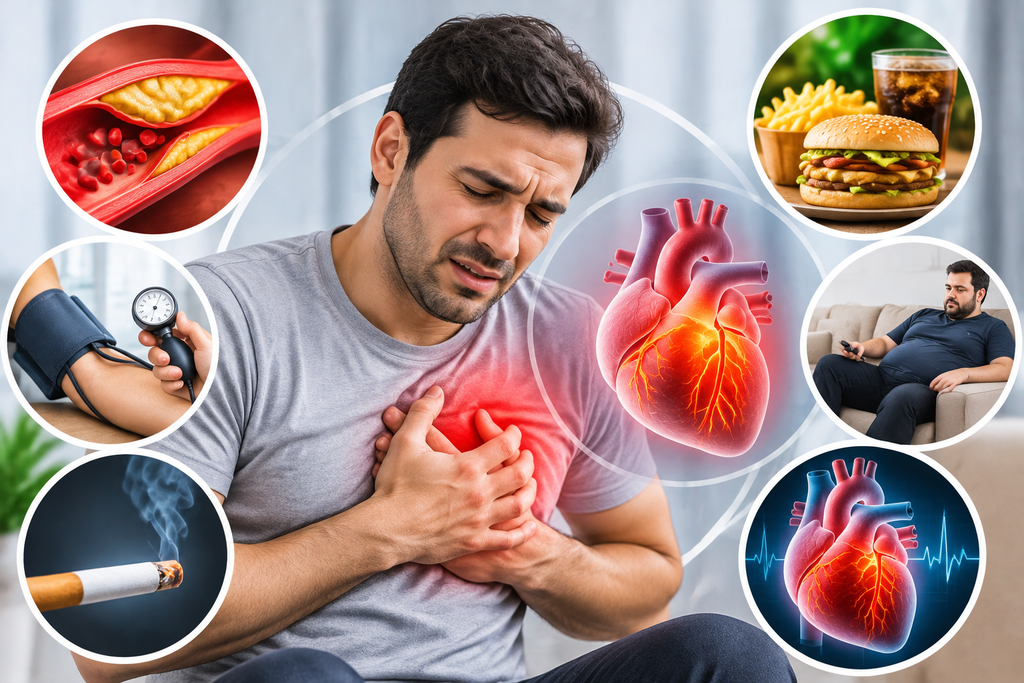
Ischemic heart disease is a condition in which the heart muscle does not receive enough oxygen-rich blood. It usually develops when the coronary arteries become narrowed or blocked, reducing the blood supply to the heart. This can cause chest discomfort and, in serious cases, a heart attack. Although heart attacks are often associated with older adults, younger people can also experience them. High blood pressure, high cholesterol, diabetes, smoking, obesity, and physical inactivity are important cardiovascular risk factors. Understanding ischemic heart disease can help people recognize warning signs and make healthier choices. Early medical attention is especially important when someone experiences symptoms of a possible heart attack. 1. What Is Ischemic Heart Disease? Ischemic heart disease, also known as coronary heart disease, occurs when the heart muscle does not receive enough blood and oxygen. One common cause is coronary artery disease, in which fatty deposits called plaque build up inside the arteries supplying the heart. As plaque accumulates, the arteries can become narrower, restricting blood flow. If blood flow becomes severely reduced or an artery becomes blocked, the heart muscle may be damaged. Ischemic heart disease can be associated with several conditions: These conditions are related, but they are not interchangeable. A heart attack is one possible complication of coronary artery disease. 2. Heart Attacks in Younger Adults: What Increases the Risk? Heart attacks can happen at different ages, including among people in their 30s and 40s. Reports from cardiovascular organizations have discussed heart attack cases in younger adults, particularly the role of traditional and non-traditional risk factors. Several factors may contribute to cardiovascular problems at younger ages. Metabolic Problems Obesity, insulin resistance, and diabetes can increase cardiovascular risk. Diabetes is particularly important because high blood sugar can damage blood vessels and affect heart health. Smoking and Vaping Tobacco use damages blood vessels and contributes to cardiovascular disease. Smoking is an established risk factor for coronary artery problems. Vaping should not be considered completely risk-free. Avoiding tobacco and nicotine products is an important part of protecting cardiovascular health. Recreational Drug Use Stimulants such as cocaine and amphetamines can increase heart rate and blood pressure. They can also narrow blood vessels, creating additional cardiovascular risks. Chronic Stress and Poor Sleep Long-term stress and inadequate sleep can affect overall health. They may also contribute to unhealthy habits and other cardiovascular risk factors. Spontaneous Coronary Artery Dissection (SCAD) SCAD is an uncommon condition involving a tear or separation in the wall of a coronary artery. It can restrict blood flow and cause a heart attack. It is an important possible cause of heart attacks in some younger women. These factors do not affect everyone in the same way. However, being young does not completely eliminate the possibility of heart disease. 3. Common Causes and Risk Factors of Ischemic Heart Disease Ischemic heart disease can develop through a combination of medical, lifestyle, and inherited risk factors. Some can be managed through lifestyle changes and medical treatment, while others cannot be changed. High Blood Pressure High blood pressure makes the heart work harder and can damage blood vessel walls. Over time, this can contribute to cardiovascular problems. Regular blood pressure checks can help identify high blood pressure so that appropriate treatment can begin. High Cholesterol Cholesterol is a substance that the body needs for normal functions. However, high levels of low-density lipoprotein (LDL), commonly called bad cholesterol, can contribute to plaque buildup inside arteries. As the coronary arteries become narrower, the heart may receive less oxygen-rich blood. Diabetes and Insulin Resistance Diabetes increases the risk of cardiovascular disease. High blood sugar can damage blood vessels and contribute to problems affecting the circulation. People with diabetes should follow their prescribed treatment plans and monitor blood sugar as recommended by their healthcare professionals. Smoking Smoking is a major risk factor for ischemic heart disease. Chemicals in tobacco smoke can damage blood vessels and reduce the amount of oxygen available to the body. Stopping smoking is an important step toward improving cardiovascular health. Obesity and Physical Inactivity Excess body weight can increase the likelihood of high blood pressure, abnormal cholesterol levels, and type 2 diabetes. Physical inactivity can also affect cardiovascular fitness. Regular movement and exercise help support healthy blood pressure, blood sugar, and weight management. Family History and Genetic Factors Family history can influence a person’s risk of heart disease. Some inherited conditions can affect cholesterol levels and cardiovascular health. People with close relatives who experienced heart disease at a young age should discuss their risk with a healthcare professional. Recreational Drug Use Cocaine and amphetamines are stimulants that can increase heart rate and blood pressure. They may also cause blood vessels to narrow, increasing the risk of cardiovascular complications. Avoiding these substances is important for protecting heart health. 4. Warning Signs and Symptoms of a Heart Attack Recognizing heart attack symptoms is essential because early medical attention can help limit damage to the heart muscle. Symptoms may develop suddenly or begin gradually. Some people experience severe chest pain, while others have less obvious discomfort. Common warning signs include: Chest Pain or Discomfort Chest discomfort is one of the most recognized heart attack symptoms. It may feel like: The discomfort may last several minutes or disappear and return. Pain in the Arms, Shoulders, Neck, or Jaw Heart attack discomfort can spread beyond the chest. A person may experience pain or aching in one or both arms, shoulders, neck, jaw, or back. Shortness of Breath Sudden difficulty breathing can be a warning sign of a heart attack. It may happen with chest discomfort or without noticeable chest pain. Cold Sweating Unexplained cold sweating can occur during a heart attack. Some people may also experience clammy skin and general weakness. Nausea and Indigestion-Like Discomfort A heart attack can cause nausea, vomiting, stomach discomfort, or symptoms that feel similar to indigestion. Dizziness and Unusual Fatigue Lightheadedness, dizziness, and sudden weakness may also occur. Some people experience unusual or overwhelming tiredness. Important: Do not assume that chest discomfort or unusual
Heart Disease: 7 Types, Symptoms, Causes & Prevention
Heart disease includes conditions that affect the heart and how it works. These conditions may affect blood flow, heart valves, the heart muscle, or its electrical system. Some develop over time, while others are present from birth. Understanding heart disease symptoms, causes, and risk factors can help people make informed health decisions. Early diagnosis and proper treatment can help manage many heart conditions. What Is Heart Disease? Heart disease is a general term for conditions that affect the heart. Coronary artery disease is one common type. It occurs when plaque builds up inside the arteries that supply blood to the heart. Other types affect the heart’s rhythm, valves, muscle, or structure. Symptoms and treatment depend on the specific condition. A heart attack is different from heart disease as a general term. It occurs when blood flow to part of the heart muscle becomes severely reduced or blocked. Cardiac arrest happens when the heart suddenly stops pumping blood effectively. 7 Types of Heart Disease There are several types of heart disease. The following are seven important examples. 1. Coronary Artery Disease Coronary artery disease (CAD) affects the arteries that supply blood to the heart muscle. Plaque can build up inside these arteries and narrow them. This may reduce blood flow to the heart. Some people experience chest discomfort, especially during activity. A severe blockage can cause a heart attack. 2. Heart Attack A heart attack occurs when blood flow to part of the heart muscle is severely reduced or blocked. It is a medical emergency. Common warning signs include chest pressure, shortness of breath, discomfort in the arms or back, nausea, cold sweats, and lightheadedness. Symptoms can vary from person to person. If you think someone is having a heart attack, contact local emergency medical services immediately. 3. Heart Failure Heart failure means the heart cannot pump blood as well as the body needs. It does not mean the heart has stopped working. Symptoms may include shortness of breath, tiredness, and swelling in the legs, ankles, or feet. Treatment depends on the cause and severity of the condition. 4. Arrhythmias Arrhythmias are problems with the heart’s electrical system. They can make the heart beat too fast, too slowly, or irregularly. Some people notice a racing or fluttering heartbeat. Others may experience dizziness, tiredness, or fainting. A healthcare professional can use an electrocardiogram (ECG) to check the heart’s electrical activity. 5. Heart Valve Disease Heart valve disease affects the valves that control blood flow through the heart. A valve may not open fully or may not close properly. Some people have no symptoms. Others may experience shortness of breath, tiredness, chest discomfort, or dizziness. Treatment depends on the affected valve and the severity of the problem. 6. Congenital Heart Disease Congenital heart disease refers to heart problems that are present at birth. These problems vary in type and severity. Some are identified before or soon after birth, while others are discovered later. Treatment and follow-up care depend on the specific condition. 7. Cardiomyopathy Cardiomyopathy is a disease of the heart muscle. It can affect how the heart works and how well it pumps blood. Symptoms may include tiredness, shortness of breath, swelling, or an irregular heartbeat. Some people have no clear symptoms in the early stages. Treatment depends on the type and cause. Common Symptoms of Heart Disease Heart disease symptoms vary by condition. Some people notice symptoms early, while others have few or no clear signs. Possible symptoms include: These symptoms can also occur with other health problems. A healthcare professional can help identify the cause. Heart Attack Warning Signs Heart attack symptoms may include chest discomfort, shortness of breath, pain or discomfort in the arms, back, neck, or jaw, nausea, and cold sweats. Do not wait for symptoms to become severe. Seek emergency medical help if you think you may be having a heart attack. Causes and Risk Factors of Heart Disease The causes of heart disease depend on the condition. Some types involve plaque buildup in the arteries, while others affect the heart muscle, valves, or electrical system. Important risk factors for certain heart conditions include: Having a risk factor does not mean a person will definitely develop heart disease. A healthcare professional can assess individual risk. How Is Heart Disease Diagnosed? Diagnosis depends on a person’s symptoms and medical history. A healthcare professional may check blood pressure, ask about family history, and perform a physical examination. Tests may include: Other tests may be needed depending on the suspected condition. Not everyone needs every test. Heart Disease Treatment Treatment depends on the type and severity of heart disease. It may include medication, lifestyle changes, medical procedures, or a combination of these approaches. Treatment may help manage blood pressure and cholesterol, control an abnormal heart rhythm, improve heart failure symptoms, or restore blood flow when an artery is blocked. Follow your healthcare professional’s advice. Do not stop prescribed medication without discussing it with them. How to Help Prevent Heart Disease Not all types of heart disease can be prevented. However, healthy habits can help lower the risk of many cardiovascular problems. Eat a Balanced Diet Eat a variety of vegetables, fruits, whole grains, and other nutritious foods. Limit excess salt, added sugars, and foods high in saturated fat. Stay Physically Active Regular physical activity supports cardiovascular health. Many adults are advised to aim for at least 150 minutes of moderate-intensity aerobic activity each week, if appropriate for their health and ability. Avoid Smoking Avoiding tobacco helps protect the heart and blood vessels. People who smoke can ask a healthcare professional for support with quitting. Check Blood Pressure and Cholesterol High blood pressure and high cholesterol may not cause obvious symptoms. Regular health checks can help identify these problems and guide treatment. Manage Existing Health Conditions People with diabetes, high blood pressure, or high cholesterol should follow their healthcare professional’s care plan. Managing these conditions can help reduce cardiovascular risk. When Should You Seek Medical Help? Seek emergency medical help