Heart Disease: 7 Types, Symptoms, Causes & Prevention
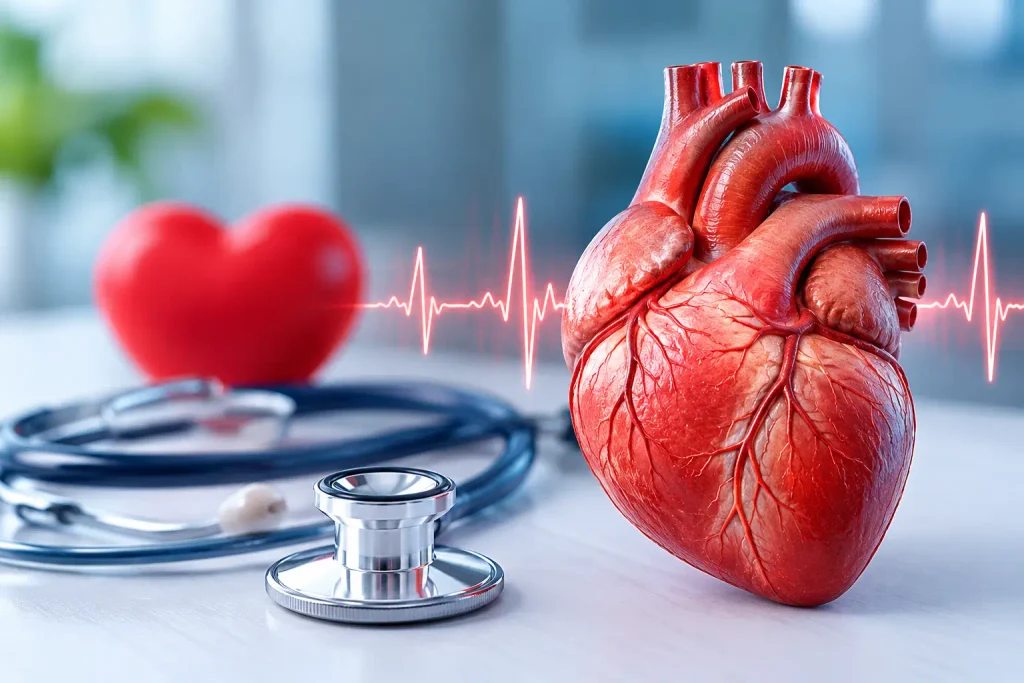
Heart disease includes conditions that affect the heart and how it works. These conditions may affect blood flow, heart valves, the heart muscle, or its electrical system. Some develop over time, while others are present from birth. Understanding heart disease symptoms, causes, and risk factors can help people make informed health decisions. Early diagnosis and proper treatment can help manage many heart conditions. What Is Heart Disease? Heart disease is a general term for conditions that affect the heart. Coronary artery disease is one common type. It occurs when plaque builds up inside the arteries that supply blood to the heart. Other types affect the heart’s rhythm, valves, muscle, or structure. Symptoms and treatment depend on the specific condition. A heart attack is different from heart disease as a general term. It occurs when blood flow to part of the heart muscle becomes severely reduced or blocked. Cardiac arrest happens when the heart suddenly stops pumping blood effectively. 7 Types of Heart Disease There are several types of heart disease. The following are seven important examples. 1. Coronary Artery Disease Coronary artery disease (CAD) affects the arteries that supply blood to the heart muscle. Plaque can build up inside these arteries and narrow them. This may reduce blood flow to the heart. Some people experience chest discomfort, especially during activity. A severe blockage can cause a heart attack. 2. Heart Attack A heart attack occurs when blood flow to part of the heart muscle is severely reduced or blocked. It is a medical emergency. Common warning signs include chest pressure, shortness of breath, discomfort in the arms or back, nausea, cold sweats, and lightheadedness. Symptoms can vary from person to person. If you think someone is having a heart attack, contact local emergency medical services immediately. 3. Heart Failure Heart failure means the heart cannot pump blood as well as the body needs. It does not mean the heart has stopped working. Symptoms may include shortness of breath, tiredness, and swelling in the legs, ankles, or feet. Treatment depends on the cause and severity of the condition. 4. Arrhythmias Arrhythmias are problems with the heart’s electrical system. They can make the heart beat too fast, too slowly, or irregularly. Some people notice a racing or fluttering heartbeat. Others may experience dizziness, tiredness, or fainting. A healthcare professional can use an electrocardiogram (ECG) to check the heart’s electrical activity. 5. Heart Valve Disease Heart valve disease affects the valves that control blood flow through the heart. A valve may not open fully or may not close properly. Some people have no symptoms. Others may experience shortness of breath, tiredness, chest discomfort, or dizziness. Treatment depends on the affected valve and the severity of the problem. 6. Congenital Heart Disease Congenital heart disease refers to heart problems that are present at birth. These problems vary in type and severity. Some are identified before or soon after birth, while others are discovered later. Treatment and follow-up care depend on the specific condition. 7. Cardiomyopathy Cardiomyopathy is a disease of the heart muscle. It can affect how the heart works and how well it pumps blood. Symptoms may include tiredness, shortness of breath, swelling, or an irregular heartbeat. Some people have no clear symptoms in the early stages. Treatment depends on the type and cause. Common Symptoms of Heart Disease Heart disease symptoms vary by condition. Some people notice symptoms early, while others have few or no clear signs. Possible symptoms include: These symptoms can also occur with other health problems. A healthcare professional can help identify the cause. Heart Attack Warning Signs Heart attack symptoms may include chest discomfort, shortness of breath, pain or discomfort in the arms, back, neck, or jaw, nausea, and cold sweats. Do not wait for symptoms to become severe. Seek emergency medical help if you think you may be having a heart attack. Causes and Risk Factors of Heart Disease The causes of heart disease depend on the condition. Some types involve plaque buildup in the arteries, while others affect the heart muscle, valves, or electrical system. Important risk factors for certain heart conditions include: Having a risk factor does not mean a person will definitely develop heart disease. A healthcare professional can assess individual risk. How Is Heart Disease Diagnosed? Diagnosis depends on a person’s symptoms and medical history. A healthcare professional may check blood pressure, ask about family history, and perform a physical examination. Tests may include: Other tests may be needed depending on the suspected condition. Not everyone needs every test. Heart Disease Treatment Treatment depends on the type and severity of heart disease. It may include medication, lifestyle changes, medical procedures, or a combination of these approaches. Treatment may help manage blood pressure and cholesterol, control an abnormal heart rhythm, improve heart failure symptoms, or restore blood flow when an artery is blocked. Follow your healthcare professional’s advice. Do not stop prescribed medication without discussing it with them. How to Help Prevent Heart Disease Not all types of heart disease can be prevented. However, healthy habits can help lower the risk of many cardiovascular problems. Eat a Balanced Diet Eat a variety of vegetables, fruits, whole grains, and other nutritious foods. Limit excess salt, added sugars, and foods high in saturated fat. Stay Physically Active Regular physical activity supports cardiovascular health. Many adults are advised to aim for at least 150 minutes of moderate-intensity aerobic activity each week, if appropriate for their health and ability. Avoid Smoking Avoiding tobacco helps protect the heart and blood vessels. People who smoke can ask a healthcare professional for support with quitting. Check Blood Pressure and Cholesterol High blood pressure and high cholesterol may not cause obvious symptoms. Regular health checks can help identify these problems and guide treatment. Manage Existing Health Conditions People with diabetes, high blood pressure, or high cholesterol should follow their healthcare professional’s care plan. Managing these conditions can help reduce cardiovascular risk. When Should You Seek Medical Help? Seek emergency medical help
Non-Infectious Diseases: Types, Causes & Prevention
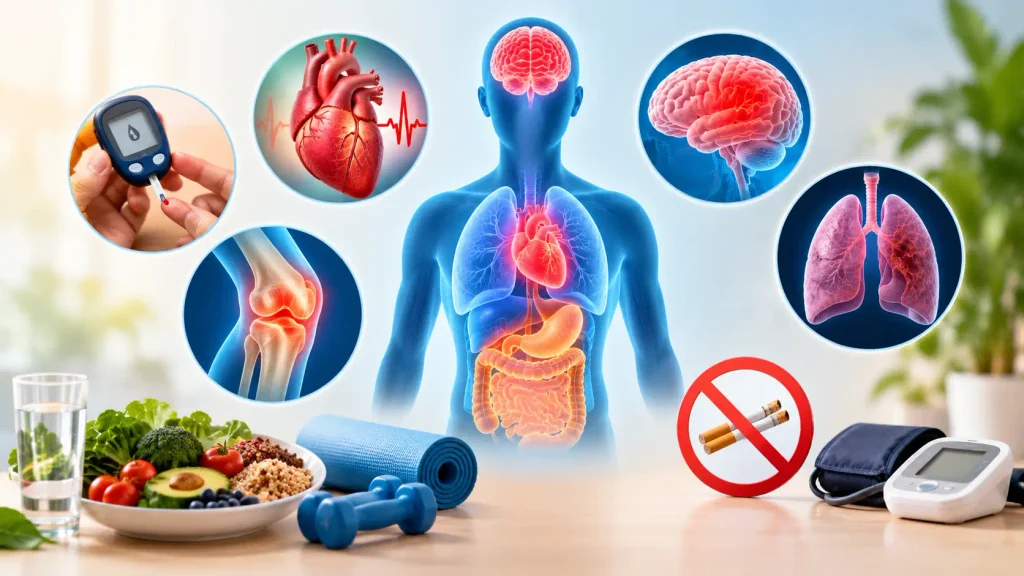
Non-infectious diseases are health conditions that do not normally spread from one person to another. They are also called noncommunicable diseases (NCDs) or chronic diseases. Many of these conditions last a long time and may need ongoing care. NCDs can develop because of a combination of genetic, physiological, environmental, and behavioural factors. Common examples include heart disease, stroke, cancer, chronic respiratory diseases, and diabetes. These conditions are an important public health concern. They affect people in every region and can reduce quality of life. Some can also lead to premature deaths when risk factors are not addressed or when care is delayed. What Are Non-Infectious Diseases? Non-infectious diseases are conditions that are not caused by infectious pathogens and do not normally pass from person to person. The term noncommunicable disease is often used for chronic conditions that last for a long time. The four main NCD groups are: These groups include many different health conditions. For example, cardiovascular diseases include heart attacks and strokes, while chronic respiratory diseases include asthma and chronic obstructive pulmonary disease (COPD). Main Types of Non-Infectious Diseases Cardiovascular Diseases Cardiovascular diseases affect the heart and blood vessels. They include coronary heart disease, heart attacks, and strokes. Several factors can increase the risk of cardiovascular disease. These include tobacco use, physical inactivity, unhealthy diets, high blood pressure, high blood glucose, high cholesterol, overweight or obesity, harmful use of alcohol, and air pollution. Cancer Cancer is a group of diseases involving abnormal cell growth. There are many different types of cancer, and each type can affect a different part of the body. Risk factors vary by type of cancer. Tobacco use, alcohol use, unhealthy diets, physical inactivity, and air pollution are among the factors linked with cancer and other NCDs. Chronic Respiratory Diseases Chronic respiratory diseases affect the airways and lungs. Asthma and COPD are common examples. Tobacco smoke and air pollution are important risk factors. Some people may also face risks from workplace or environmental exposures. Diabetes Diabetes is a chronic condition that affects how the body handles blood glucose. It is one of the four main groups of NCDs. There are different types of diabetes. Type 2 diabetes is one of the most common forms. Physical inactivity and unhealthy diets can contribute to risk factors linked with diabetes and other NCDs. Causes and Risk Factors There is usually no single cause behind an NCD. Several factors, including genetics, behaviour, physical conditions, and the environment, can influence risk. Behavioural Risk Factors WHO identifies four major behavioural risk factors for NCDs: These behaviours can contribute to changes in the body, including high blood pressure, increased blood glucose, overweight or obesity, and abnormal blood lipids. Poor nutrition can be an important part of this picture. An unhealthy diet can contribute to several metabolic risk factors linked with NCDs. Metabolic Risk Factors Some physical changes are also important risk factors. They include: High blood pressure is a major risk factor for cardiovascular disease and other health problems. Many people with hypertension do not notice symptoms, so regular blood pressure checks can be important. Environmental Risk Factors The environment can also affect NCD risk. Air pollution is an important environmental risk factor. Other exposures, including some chemicals, radiation, and workplace hazards, may also affect health. Prevention and Control NCD prevention focuses on reducing risk factors that can be changed. Important steps include: These measures are part of wider prevention and control efforts. Public health programs also play an important role by supporting healthier environments and improving access to healthcare. Prevention does not mean every chronic illness can be avoided. Some risk factors cannot be changed. Genetics, age, and other biological factors can also influence a person’s risk. Diagnosis and Management Early detection, screening, and treatment are important parts of NCD care. The type of testing depends on the condition. Management also varies. Some people may need medicines, regular monitoring, lifestyle changes, or other medical care. The goal is to control the condition and reduce the risk of complications. For example, high blood pressure can often be detected through a simple blood pressure check. If it is not treated, it can increase the risk of heart disease, stroke, and kidney disease. People with symptoms, known risk factors, or an existing chronic condition should speak with a qualified healthcare professional for individual advice. How Do NCDs Affect Quality of Life? A chronic illness can affect daily life in different ways. The impact depends on the condition, its severity, and the care a person receives. Some people may need regular medical visits or long-term treatment. Others may need to make changes to their daily routine. Good management can help people live with chronic conditions while reducing health risks. Early detection and access to appropriate care are important parts of NCD management. Non-Infectious vs Communicable Diseases The main difference is how the conditions are caused and spread. Communicable diseases can be caused by infectious agents and may spread from person to person or through other routes. Non-infectious diseases do not normally spread between people. They are linked to a combination of genetic, physiological, environmental, and behavioural factors. This difference is important because the prevention approach is also different. Communicable diseases may require measures such as infection control, while NCD prevention focuses strongly on risk factors, early detection, treatment, and healthy environments. Frequently Asked Questions What are some examples of non-infectious diseases? Examples include heart disease, stroke, cancer, asthma, COPD, diabetes, coronary heart disease, hypertension, and other conditions within the major NCD groups. What are the four main NCDs? The four main groups are cardiovascular diseases, cancers, chronic respiratory diseases, and diabetes. What are the major risk factors for NCDs? Major behavioural risk factors include tobacco use, physical inactivity, unhealthy diet, and harmful use of alcohol. Air pollution is also an important environmental risk factor. Is high blood pressure a non-infectious disease? Yes. High blood pressure, also called hypertension, is a noncommunicable condition and an important metabolic risk factor for cardiovascular disease. Is Type 2