15 Foods High in Potassium for a Healthy Diet
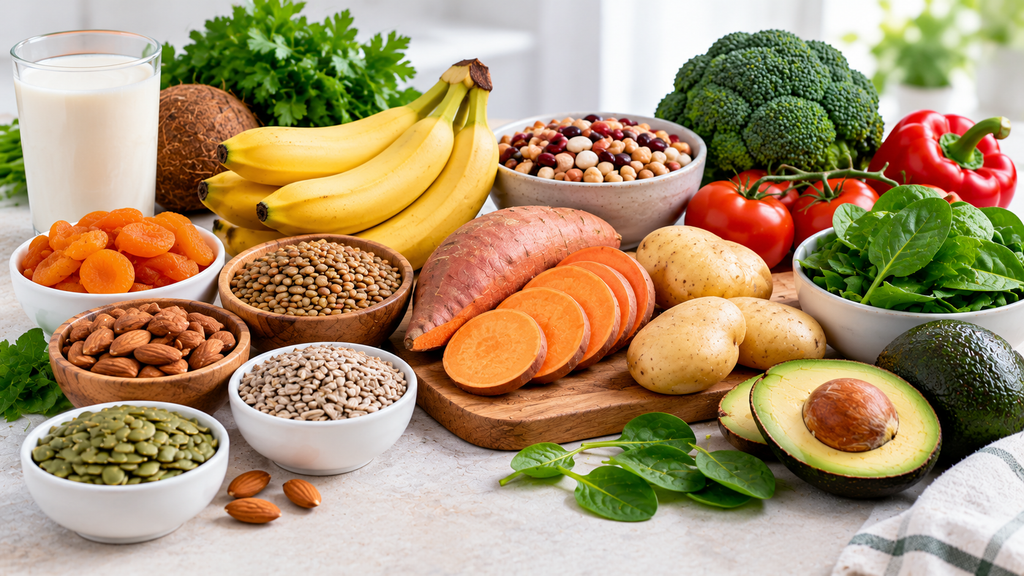
Potassium is an essential mineral that supports normal cell function, fluid balance, nerve signals, and muscle contraction. You can get potassium from foods such as potatoes, beans, lentils, fruits, vegetables, dairy products, and fish. Adding a variety of these foods high in potassium can help you meet your daily nutritional needs. 15 Foods High in Potassium Here are 15 potassium-rich foods and their approximate potassium content per serving. Values may vary by variety, brand, and preparation method. Benefits of Potassium-Rich Foods Potassium helps maintain fluid balance, supports nerve transmission, and enables muscles to contract normally. It also works alongside sodium in the body. Eating a balanced diet that includes fruits, vegetables, beans, and other potassium sources can help you obtain this essential mineral. Potassium-rich foods are not a replacement for medical treatment. If you have high blood pressure or another health condition, discuss dietary changes with your healthcare professional. How Much Potassium Do Adults Need? According to the US National Institutes of Health (NIH), the adequate daily intake for adults aged 19 and older is: These values are US recommendations and may not apply to everyone, particularly people whose bodies have difficulty removing excess potassium. How to Add More Potassium to Your Diet Include a variety of potassium-rich foods in your meals. You could add lentils or beans to soups, serve baked potatoes with meals, eat fruit as a snack, or include yogurt and milk if they suit your dietary needs. Spinach and other vegetables can also help increase your intake. Choose a variety of foods rather than relying on a single source. Check food labels when buying canned beans or other packaged products, and consider sodium content as part of your overall diet. Who Should Be Careful With High-Potassium Foods? People with kidney disease or conditions that affect potassium removal may develop dangerously high potassium levels. Certain medicines, including ACE inhibitors, angiotensin receptor blockers (ARBs), and potassium-sparing diuretics, can also increase the risk. Some salt substitutes contain potassium chloride and may not be suitable for everyone. If you have kidney problems or take medicines that affect potassium, ask your healthcare professional before significantly increasing your intake. Frequently Asked Questions Which fruits are high in potassium? Bananas, dried apricots, raisins, and avocados can contribute potassium to your diet. Are beans and lentils good sources of potassium? Yes. Cooked lentils, kidney beans, lima beans, and white beans are useful plant-based sources. Can I get enough potassium from food? A varied diet can help you meet your potassium needs. Your requirements may differ depending on your health, age, and other factors. Can people with kidney disease eat high-potassium foods? Some people with kidney disease need to limit potassium. The appropriate amount depends on kidney function, test results, and medicines, so seek individual medical advice. Conclusion Foods high in potassium include potatoes, sweet potatoes, spinach, beans, lentils, bananas, dried fruits, dairy products, and salmon. Eating a variety of these foods can help support normal body functions. However, people with kidney disease or certain medication-related risks should consult a healthcare professional before increasing potassium intake.
15 Foods High in Magnesium for Better Health
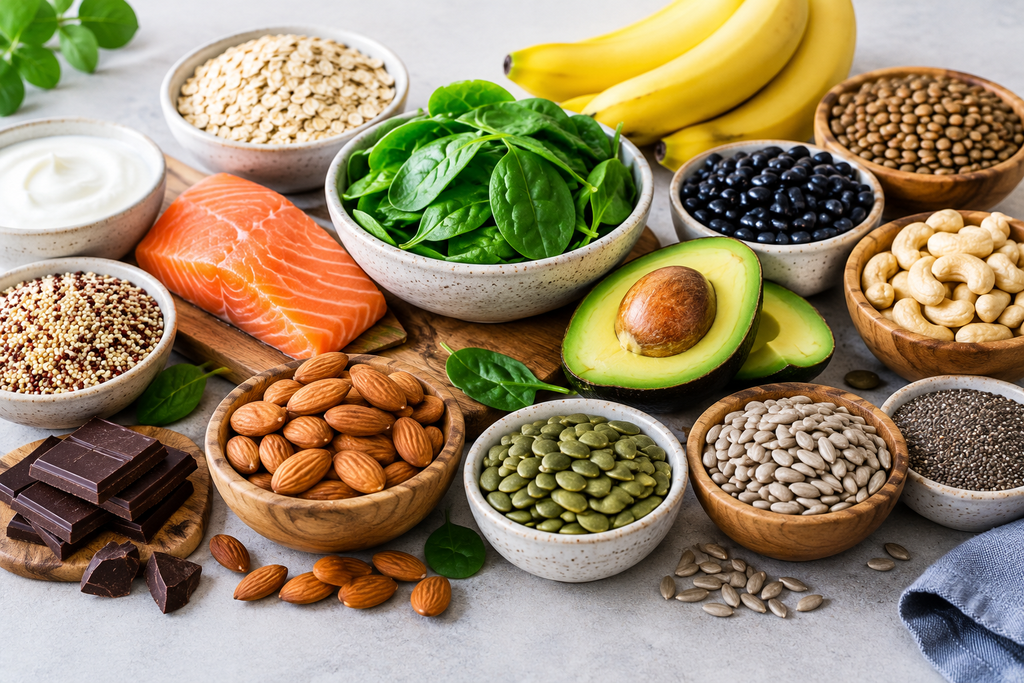
Magnesium is an essential mineral that supports normal muscle and nerve function, energy production, and bone health. Eating a balanced diet that includes magnesium-rich foods can help you meet your daily nutritional needs. Many everyday foods contain magnesium, including seeds, nuts, leafy green vegetables, beans, whole grains, and some fruits. Here are 15 foods high in magnesium and practical ways to include them in your meals. 1. Pumpkin Seeds Pumpkin seeds are a useful source of magnesium and can be added to many meals. Sprinkle them over oatmeal, salads, or yogurt, or eat them as a snack. Choose unsalted seeds when you want to limit sodium intake. 2. Chia Seeds Chia seeds provide magnesium along with fiber and other nutrients. Mix them into smoothies, oatmeal, or yogurt. You can also combine them with milk to make chia pudding. Start with a small amount and drink enough fluids as you increase your fiber intake. 3. Almonds Almonds are a convenient source of magnesium and provide protein, fiber, and unsaturated fats. Eat a small handful as a snack or add chopped almonds to cereal, yogurt, and salads. Unsalted almonds are a good option for people monitoring sodium intake. 4. Cashews Cashews contain magnesium and other nutrients that support a balanced diet. Enjoy them on their own or add them to stir-fries, vegetable dishes, and homemade trail mix. Choose plain or unsalted varieties when possible. 5. Spinach Spinach is a leafy green vegetable that provides magnesium. Add fresh spinach to salads, blend it into smoothies, or cook it with eggs and other vegetables. Cooked spinach is also easy to include in soups, curries, and pasta dishes. 6. Swiss Chard Swiss chard is another leafy green vegetable that contains magnesium. Use its leaves in soups, stir-fries, or vegetable side dishes. Cooking it with garlic and a little olive oil can make it a simple addition to lunch or dinner. 7. Black Beans Black beans provide magnesium, plant-based protein, and fiber. Add them to soups, salads, wraps, or rice dishes. Canned black beans can also be convenient; check the label and rinse them if you want to reduce some of the added sodium. 8. Edamame Edamame, or young soybeans, supplies magnesium and plant-based protein. Serve cooked edamame as a snack or add the beans to salads, grain bowls, and stir-fries. Frozen edamame can be a convenient option for quick meals. 9. Lentils Lentils are a source of magnesium, protein, and fiber. They work well in soups, curries, salads, and stews. Because lentils are versatile and easy to combine with vegetables and whole grains, they can be a regular part of a balanced diet. 10. Oats Oats contain magnesium and provide fiber. Prepare oatmeal for breakfast and top it with nuts, seeds, or fruit. You can also use oats in homemade snacks and baking. Choose plain oats and add your preferred toppings to control added sugar. 11. Brown Rice Brown rice is a whole grain that provides magnesium. Serve it with beans, lentils, vegetables, or lean protein for a balanced meal. It can replace white rice in many recipes and works well in grain bowls and stir-fries. 12. Quinoa Quinoa provides magnesium, protein, and other nutrients. Use it as a base for salads or grain bowls, or serve it as a side dish. Combine cooked quinoa with vegetables, beans, and a dressing for a simple meal. 13. Dark Chocolate Dark chocolate contains magnesium, although the amount varies by product and serving size. Enjoy it in moderation as part of a balanced diet. Check the nutrition label and choose a product with a cocoa percentage and sweetness level that suit your preferences. 14. Avocado Avocado provides magnesium, fiber, and unsaturated fats. Add it to toast, salads, sandwiches, or grain bowls. It can also be mashed into a spread or served alongside eggs and vegetables. 15. Plain Yogurt Plain yogurt contains magnesium as well as protein and calcium. Eat it with fruit, oats, or seeds for breakfast or a snack. Plain varieties without added sugar make it easier to control the sweetness of your meal. How Much Magnesium Do You Need Daily? Magnesium needs vary by age and sex. According to the US National Institutes of Health Office of Dietary Supplements, the recommended daily amount for adults is generally: Needs can differ during pregnancy and other life stages. Check reliable nutrition guidance for the recommended amount that applies to your age and circumstances. Can You Get Enough Magnesium From Food? Many people can meet their magnesium needs by eating a varied diet that includes nuts, seeds, legumes, whole grains, and green vegetables. Eating different foods is more useful than relying on a single ingredient. Magnesium supplements may be appropriate for some people, but they are not necessary for everyone. Ask a healthcare professional before starting a supplement, especially if you have a medical condition or take medication. Supplements can cause side effects and may interact with certain medicines. Frequently Asked Questions What foods are high in magnesium? Pumpkin seeds, chia seeds, almonds, cashews, spinach, black beans, lentils, oats, and quinoa are examples of foods that provide magnesium. Which nuts and seeds contain magnesium? Almonds, cashews, pumpkin seeds, and chia seeds are useful choices. Include a variety of nuts and seeds in suitable portions as part of a balanced diet. Are vegetables a good source of magnesium? Yes. Spinach and Swiss chard are examples of magnesium-containing vegetables. Beans and other plant foods can also help increase magnesium intake. Should I take magnesium supplements? Not everyone needs a magnesium supplement. Food is a good starting point, while supplements may be considered when dietary intake is inadequate, or a healthcare professional recommends them. Final Thoughts Adding foods high in magnesium to your regular meals can help you build a balanced diet. Pumpkin seeds, nuts, leafy greens, beans, lentils, oats, and quinoa offer practical options for breakfast, lunch, dinner, and snacks. Rather than focusing on one food, aim for variety and choose portions that fit your nutritional needs. If you are