Insulin Resistance: Causes, Symptoms, Diet & Reversal

Insulin resistance occurs when the body’s cells do not respond properly to insulin. Insulin is a hormone that helps glucose move from the blood into cells for energy. When cells become less responsive, the pancreas produces more insulin to help control blood sugar. Over time, the pancreas may not make enough insulin to keep blood glucose within a healthy range. This can lead to prediabetes and increase the risk of type 2 diabetes. However, lifestyle changes may help improve insulin sensitivity and support better blood sugar control. What Is Insulin Resistance? Insulin resistance means that muscle, fat, and liver cells do not respond well to insulin. As a result, glucose cannot enter these cells as easily as it should. The pancreas may produce extra insulin to compensate. If it cannot keep up with the body’s needs, blood glucose levels can rise. Insulin resistance is different from insulin sensitivity. Insulin sensitivity means the body’s cells respond effectively to insulin, while insulin resistance means they respond poorly. Causes and Risk Factors of Insulin Resistance Insulin resistance can develop due to several factors. Common risk factors include: Not everyone with these risk factors develops insulin resistance. Common Symptoms of Insulin Resistance Insulin resistance often causes no noticeable symptoms. Many people discover related blood sugar problems through routine blood tests. Some people develop dark, thick patches of skin around the neck, armpits, or groin. This condition is called acanthosis nigricans. Skin tags may also occur. Increased thirst, frequent urination, blurred vision, and fatigue may appear when blood glucose becomes high. These are not reliable signs of insulin resistance alone. Insulin Resistance Symptoms in Females Insulin resistance is associated with PCOS in some women. PCOS may cause: These symptoms do not confirm insulin resistance. Women with PCOS or other risk factors should discuss appropriate blood glucose testing with a healthcare professional. Insulin Resistance and Prediabetes Insulin resistance and prediabetes are related but different conditions. Insulin resistance describes how the body’s cells respond to insulin. Prediabetes means blood glucose is higher than normal but not high enough for a diabetes diagnosis. If the body cannot produce enough insulin to manage glucose, blood sugar may rise. This increases the risk of type 2 diabetes. However, not everyone with insulin resistance develops diabetes. How Is Insulin Resistance Diagnosed? There is no single routine test used to diagnose insulin resistance in everyone. Healthcare professionals commonly use blood tests to identify prediabetes and diabetes. 1. A1C Test The A1C test measures average blood glucose over approximately three months. It does not require fasting. 2. Fasting Blood Glucose Test This test measures blood glucose after a period of fasting. 3. Oral Glucose Tolerance Test For this test, a person fasts before drinking a glucose-containing liquid. Blood glucose is checked before and two hours after the drink. A diabetes-range result may need confirmation with another test. A healthcare professional should interpret the results. Best Diet for Insulin Resistance A balanced diet can support blood sugar control and overall health. Focus on vegetables, whole grains, pulses, protein, and foods with less added sugar. Foods to Include Consider adding these foods to your meals: Foods to Limit Try to reduce: You do not need to remove every food from your diet. Focus on balanced meals and suitable portions. Example of a Balanced Daily Meal Plan This is a general example, not a personalised medical diet. Lifestyle Changes That Improve Insulin Sensitivity Healthy daily habits can help the body respond better to insulin. 1. Exercise Regularly Activities such as walking, cycling, swimming, and strength training help the body use glucose. Choose activities you can maintain regularly. 2. Manage Your Weight If you have overweight or obesity, reaching a healthier weight may improve insulin sensitivity. The CDC reports that losing around 5% to 7% of starting body weight can help reduce diabetes risk in people at high risk. 3. Get Enough Sleep Maintain a regular sleep schedule and discuss ongoing sleep problems with a healthcare professional. 4. Stop Smoking Smoking is associated with a higher risk of metabolic health problems. Ask a healthcare professional for help if you want to quit. How Is Insulin Resistance Treated? Treatment focuses on improving metabolic health and managing blood glucose. A healthcare professional may recommend: Some people with prediabetes may benefit from medication such as metformin. However, it is not required for everyone. Never start or change medication without medical advice. Can You Reverse Insulin Resistance? Insulin resistance may improve through healthy eating, regular exercise, weight management when appropriate, and adequate sleep. Some people with prediabetes can also bring their blood glucose levels back into the normal range through sustained lifestyle changes. However, improvement is not guaranteed, and results vary. Regular medical follow-up may still be necessary. How to Prevent Type 2 Diabetes You can take practical steps to lower your risk: People with prediabetes can also ask about structured diabetes prevention programmes. When Should You See a Doctor? Talk to a healthcare professional if you have a family history of diabetes, PCOS, excess weight, or other risk factors. Seek medical advice if you experience frequent urination, increased thirst, blurred vision, or unexplained fatigue. These symptoms may be related to high blood glucose. Frequently Asked Questions What are the first signs of insulin resistance? Insulin resistance often has no symptoms. Dark, thick patches of skin may occur in some people, but blood tests are needed to assess related blood sugar problems. Can insulin resistance be reversed naturally? It may improve through healthy eating, regular exercise, and weight management when appropriate. Results vary from person to person. What is the best breakfast for insulin resistance? Eggs, plain yogurt, oats, vegetables, and whole-wheat roti can be part of a balanced breakfast. Does insulin resistance always lead to diabetes? No. Insulin resistance increases the risk of prediabetes and type 2 diabetes, but not everyone develops these conditions. Which tests check for insulin resistance? Healthcare professionals commonly use A1C, fasting blood glucose, and oral glucose tolerance tests to identify prediabetes and diabetes. Conclusion
15 Foods High in Potassium for a Healthy Diet
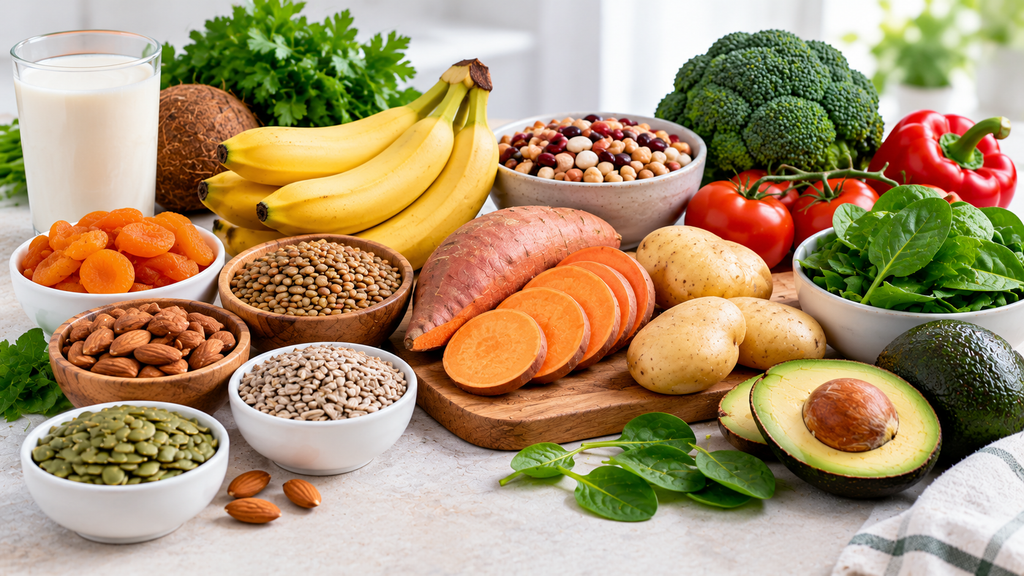
Potassium is an essential mineral that supports normal cell function, fluid balance, nerve signals, and muscle contraction. You can get potassium from foods such as potatoes, beans, lentils, fruits, vegetables, dairy products, and fish. Adding a variety of these foods high in potassium can help you meet your daily nutritional needs. 15 Foods High in Potassium Here are 15 potassium-rich foods and their approximate potassium content per serving. Values may vary by variety, brand, and preparation method. Benefits of Potassium-Rich Foods Potassium helps maintain fluid balance, supports nerve transmission, and enables muscles to contract normally. It also works alongside sodium in the body. Eating a balanced diet that includes fruits, vegetables, beans, and other potassium sources can help you obtain this essential mineral. Potassium-rich foods are not a replacement for medical treatment. If you have high blood pressure or another health condition, discuss dietary changes with your healthcare professional. How Much Potassium Do Adults Need? According to the US National Institutes of Health (NIH), the adequate daily intake for adults aged 19 and older is: These values are US recommendations and may not apply to everyone, particularly people whose bodies have difficulty removing excess potassium. How to Add More Potassium to Your Diet Include a variety of potassium-rich foods in your meals. You could add lentils or beans to soups, serve baked potatoes with meals, eat fruit as a snack, or include yogurt and milk if they suit your dietary needs. Spinach and other vegetables can also help increase your intake. Choose a variety of foods rather than relying on a single source. Check food labels when buying canned beans or other packaged products, and consider sodium content as part of your overall diet. Who Should Be Careful With High-Potassium Foods? People with kidney disease or conditions that affect potassium removal may develop dangerously high potassium levels. Certain medicines, including ACE inhibitors, angiotensin receptor blockers (ARBs), and potassium-sparing diuretics, can also increase the risk. Some salt substitutes contain potassium chloride and may not be suitable for everyone. If you have kidney problems or take medicines that affect potassium, ask your healthcare professional before significantly increasing your intake. Frequently Asked Questions Which fruits are high in potassium? Bananas, dried apricots, raisins, and avocados can contribute potassium to your diet. Are beans and lentils good sources of potassium? Yes. Cooked lentils, kidney beans, lima beans, and white beans are useful plant-based sources. Can I get enough potassium from food? A varied diet can help you meet your potassium needs. Your requirements may differ depending on your health, age, and other factors. Can people with kidney disease eat high-potassium foods? Some people with kidney disease need to limit potassium. The appropriate amount depends on kidney function, test results, and medicines, so seek individual medical advice. Conclusion Foods high in potassium include potatoes, sweet potatoes, spinach, beans, lentils, bananas, dried fruits, dairy products, and salmon. Eating a variety of these foods can help support normal body functions. However, people with kidney disease or certain medication-related risks should consult a healthcare professional before increasing potassium intake.
15 Foods High in Magnesium for Better Health
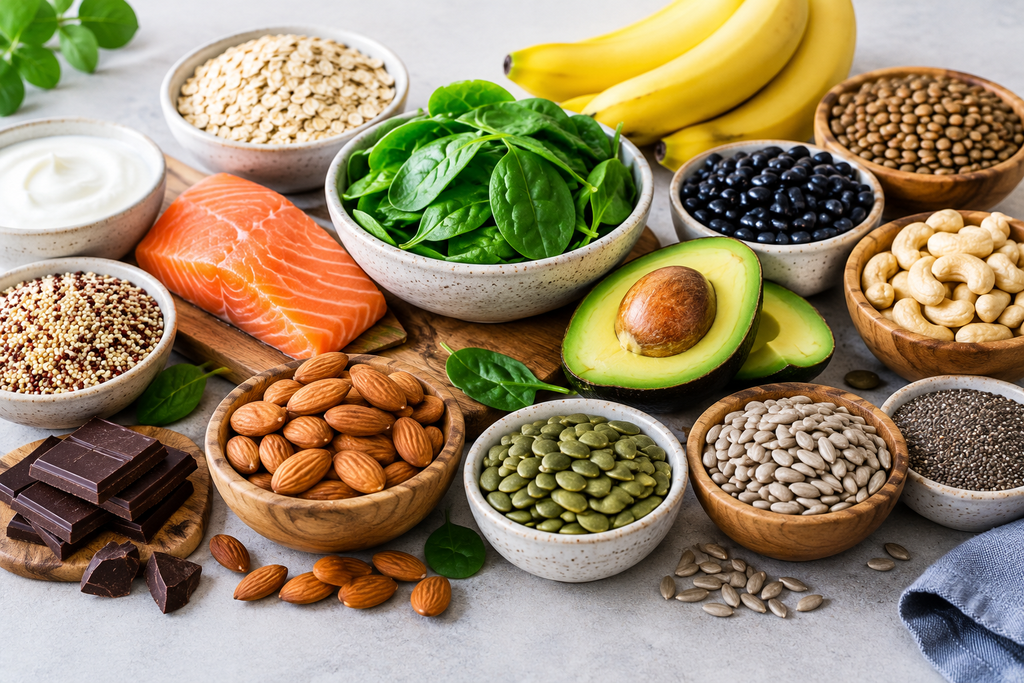
Magnesium is an essential mineral that supports normal muscle and nerve function, energy production, and bone health. Eating a balanced diet that includes magnesium-rich foods can help you meet your daily nutritional needs. Many everyday foods contain magnesium, including seeds, nuts, leafy green vegetables, beans, whole grains, and some fruits. Here are 15 foods high in magnesium and practical ways to include them in your meals. 1. Pumpkin Seeds Pumpkin seeds are a useful source of magnesium and can be added to many meals. Sprinkle them over oatmeal, salads, or yogurt, or eat them as a snack. Choose unsalted seeds when you want to limit sodium intake. 2. Chia Seeds Chia seeds provide magnesium along with fiber and other nutrients. Mix them into smoothies, oatmeal, or yogurt. You can also combine them with milk to make chia pudding. Start with a small amount and drink enough fluids as you increase your fiber intake. 3. Almonds Almonds are a convenient source of magnesium and provide protein, fiber, and unsaturated fats. Eat a small handful as a snack or add chopped almonds to cereal, yogurt, and salads. Unsalted almonds are a good option for people monitoring sodium intake. 4. Cashews Cashews contain magnesium and other nutrients that support a balanced diet. Enjoy them on their own or add them to stir-fries, vegetable dishes, and homemade trail mix. Choose plain or unsalted varieties when possible. 5. Spinach Spinach is a leafy green vegetable that provides magnesium. Add fresh spinach to salads, blend it into smoothies, or cook it with eggs and other vegetables. Cooked spinach is also easy to include in soups, curries, and pasta dishes. 6. Swiss Chard Swiss chard is another leafy green vegetable that contains magnesium. Use its leaves in soups, stir-fries, or vegetable side dishes. Cooking it with garlic and a little olive oil can make it a simple addition to lunch or dinner. 7. Black Beans Black beans provide magnesium, plant-based protein, and fiber. Add them to soups, salads, wraps, or rice dishes. Canned black beans can also be convenient; check the label and rinse them if you want to reduce some of the added sodium. 8. Edamame Edamame, or young soybeans, supplies magnesium and plant-based protein. Serve cooked edamame as a snack or add the beans to salads, grain bowls, and stir-fries. Frozen edamame can be a convenient option for quick meals. 9. Lentils Lentils are a source of magnesium, protein, and fiber. They work well in soups, curries, salads, and stews. Because lentils are versatile and easy to combine with vegetables and whole grains, they can be a regular part of a balanced diet. 10. Oats Oats contain magnesium and provide fiber. Prepare oatmeal for breakfast and top it with nuts, seeds, or fruit. You can also use oats in homemade snacks and baking. Choose plain oats and add your preferred toppings to control added sugar. 11. Brown Rice Brown rice is a whole grain that provides magnesium. Serve it with beans, lentils, vegetables, or lean protein for a balanced meal. It can replace white rice in many recipes and works well in grain bowls and stir-fries. 12. Quinoa Quinoa provides magnesium, protein, and other nutrients. Use it as a base for salads or grain bowls, or serve it as a side dish. Combine cooked quinoa with vegetables, beans, and a dressing for a simple meal. 13. Dark Chocolate Dark chocolate contains magnesium, although the amount varies by product and serving size. Enjoy it in moderation as part of a balanced diet. Check the nutrition label and choose a product with a cocoa percentage and sweetness level that suit your preferences. 14. Avocado Avocado provides magnesium, fiber, and unsaturated fats. Add it to toast, salads, sandwiches, or grain bowls. It can also be mashed into a spread or served alongside eggs and vegetables. 15. Plain Yogurt Plain yogurt contains magnesium as well as protein and calcium. Eat it with fruit, oats, or seeds for breakfast or a snack. Plain varieties without added sugar make it easier to control the sweetness of your meal. How Much Magnesium Do You Need Daily? Magnesium needs vary by age and sex. According to the US National Institutes of Health Office of Dietary Supplements, the recommended daily amount for adults is generally: Needs can differ during pregnancy and other life stages. Check reliable nutrition guidance for the recommended amount that applies to your age and circumstances. Can You Get Enough Magnesium From Food? Many people can meet their magnesium needs by eating a varied diet that includes nuts, seeds, legumes, whole grains, and green vegetables. Eating different foods is more useful than relying on a single ingredient. Magnesium supplements may be appropriate for some people, but they are not necessary for everyone. Ask a healthcare professional before starting a supplement, especially if you have a medical condition or take medication. Supplements can cause side effects and may interact with certain medicines. Frequently Asked Questions What foods are high in magnesium? Pumpkin seeds, chia seeds, almonds, cashews, spinach, black beans, lentils, oats, and quinoa are examples of foods that provide magnesium. Which nuts and seeds contain magnesium? Almonds, cashews, pumpkin seeds, and chia seeds are useful choices. Include a variety of nuts and seeds in suitable portions as part of a balanced diet. Are vegetables a good source of magnesium? Yes. Spinach and Swiss chard are examples of magnesium-containing vegetables. Beans and other plant foods can also help increase magnesium intake. Should I take magnesium supplements? Not everyone needs a magnesium supplement. Food is a good starting point, while supplements may be considered when dietary intake is inadequate, or a healthcare professional recommends them. Final Thoughts Adding foods high in magnesium to your regular meals can help you build a balanced diet. Pumpkin seeds, nuts, leafy greens, beans, lentils, oats, and quinoa offer practical options for breakfast, lunch, dinner, and snacks. Rather than focusing on one food, aim for variety and choose portions that fit your nutritional needs. If you are
Zinc: 7 Benefits, Food Sources & Deficiency Signs
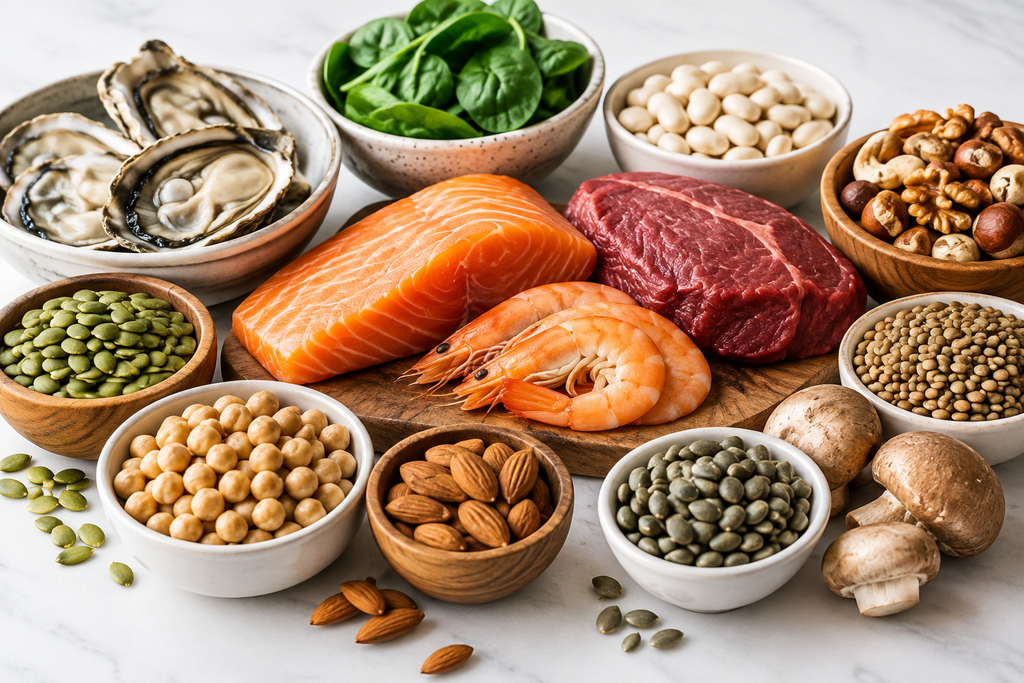
Zinc is an essential mineral that supports immune function, wound healing, growth, and normal cell activity. Your body needs zinc to produce proteins and DNA and maintain healthy tissues. Since the body does not produce zinc, you must get it from food or supplements when needed. Most people can meet their zinc needs through a balanced diet. However, certain health conditions and dietary patterns can increase the risk of deficiency. Understanding zinc benefits, food sources, and deficiency symptoms can help you maintain an adequate intake. What Is Zinc? Zinc is an essential trace mineral involved in many processes throughout the body. It supports the immune system, cell growth, protein production, DNA synthesis, and wound healing. It also contributes to normal taste and smell. Zinc is found in animal and plant foods, including seafood, meat, seeds, beans, and fortified cereals. The amount your body absorbs can vary depending on the food source and your overall diet. 7 Health Benefits of Zinc 1. Supports Immune Function Zinc helps the immune system work properly by supporting the development and activity of immune cells. Getting enough zinc is important for normal immune function, but taking extra zinc does not automatically improve immunity if your intake is already adequate. 2. Helps Wounds Heal Zinc supports cell growth, protein production, and tissue repair. These processes help the body repair damaged skin and other tissues. People with low zinc levels may experience slower wound healing, although wounds can heal slowly for many other reasons. 3. Supports Growth and Development The body needs zinc for normal growth, DNA synthesis, protein production, and cell division. Adequate intake is especially important during childhood, adolescence, and pregnancy, when nutritional needs may increase. 4. Maintains Taste and Smell Zinc contributes to normal taste and smell. A deficiency can affect these senses, but changes in taste or smell may also result from other health conditions. Persistent symptoms should be discussed with a healthcare professional. 5. Supports Reproductive Health Zinc plays a role in reproductive function, including sperm production and hormone production. However, zinc supplements are not a guaranteed treatment for infertility or hormone-related problems. Anyone experiencing these concerns should seek appropriate medical advice. 6. May Help With Certain Health Conditions Zinc has been studied for several health conditions, but its benefits depend on the condition and the evidence available. Research into zinc does not mean that supplements are an established treatment for every condition studied. 7. Supports Normal Cell Function Zinc contributes to DNA synthesis, protein production, and cell division. These processes help the body maintain tissues and carry out normal growth and repair. Getting enough zinc supports these functions, but taking more than you need does not necessarily provide additional benefits. Foods High in Zinc A varied diet can provide zinc from both animal and plant sources. Some useful options include: Poultry, beans, nuts, seafood, meat, dairy products, and fortified grains can also help you meet your daily needs. Plant foods may contain phytates, which reduce zinc absorption. Eating a variety of zinc-containing foods can help support adequate intake. How Much Zinc Do You Need Daily? Recommended zinc intake varies by age, sex, and life stage. According to the U.S. National Institutes of Health Office of Dietary Supplements, the recommended daily amounts for these groups are: These amounts refer to total daily intake from food and supplements. Individual needs may vary depending on health and other circumstances. Signs of Zinc Deficiency Zinc deficiency can affect different parts of the body. Possible signs include: These symptoms can have other causes and do not confirm a zinc deficiency by themselves. People at increased risk may include those with certain digestive disorders, problems absorbing nutrients, or diets that do not provide enough zinc. A healthcare professional can assess symptoms and determine whether testing or supplementation is appropriate. Should You Take Zinc Supplements? Most people can get enough zinc from a varied diet. Supplements may be useful when a deficiency is identified, or a healthcare professional recommends them. Check the amount of elemental zinc listed on a supplement label. Taking several products containing zinc can increase your total intake. Zinc can also interact with certain medicines, including some tetracycline and quinolone antibiotics. Ask a pharmacist or healthcare professional about possible interactions. Can You Take Too Much Zinc? Yes. Excessive zinc intake can cause nausea, vomiting, stomach discomfort, loss of appetite, and headaches. The tolerable upper intake level for adults is 40 mg per day from all sources, unless a healthcare professional recommends otherwise for a specific medical reason. This is a safety limit, not a daily target. Taking high doses over time can interfere with copper absorption and cause copper deficiency. Avoid long-term use of high-dose supplements without medical advice. Intranasal zinc products should also be avoided because they have been associated with loss of the sense of smell. Frequently Asked Questions What is zinc good for? Zinc supports immune function, wound healing, growth, cell activity, reproductive health, and normal taste and smell. Which food has the most zinc? Oysters are among the richest food sources. Beef, crab, pumpkin seeds, fortified cereals, oats, lentils, and Greek yogurt also provide zinc. What are the common signs of zinc deficiency? Possible signs include reduced appetite, hair loss, changes in taste or smell, skin problems, and slow wound healing. These symptoms may have other causes. Is it safe to take zinc every day? Daily zinc intake is necessary, but most people can get enough through food. Supplements may be appropriate in some cases, while excessive intake can cause side effects. Conclusion Zinc is an essential mineral that supports immunity, wound healing, growth, and normal cell function. Foods such as oysters, beef, crab, pumpkin seeds, oats, lentils, and fortified cereals can help meet daily zinc needs. Most people can obtain enough zinc through a varied diet. Supplements may help when intake is inadequate, or a deficiency is identified, but excessive amounts can be harmful. Consult a healthcare professional if you suspect a deficiency or are considering high-dose supplements.