GERD: Symptoms, Causes and Treatment
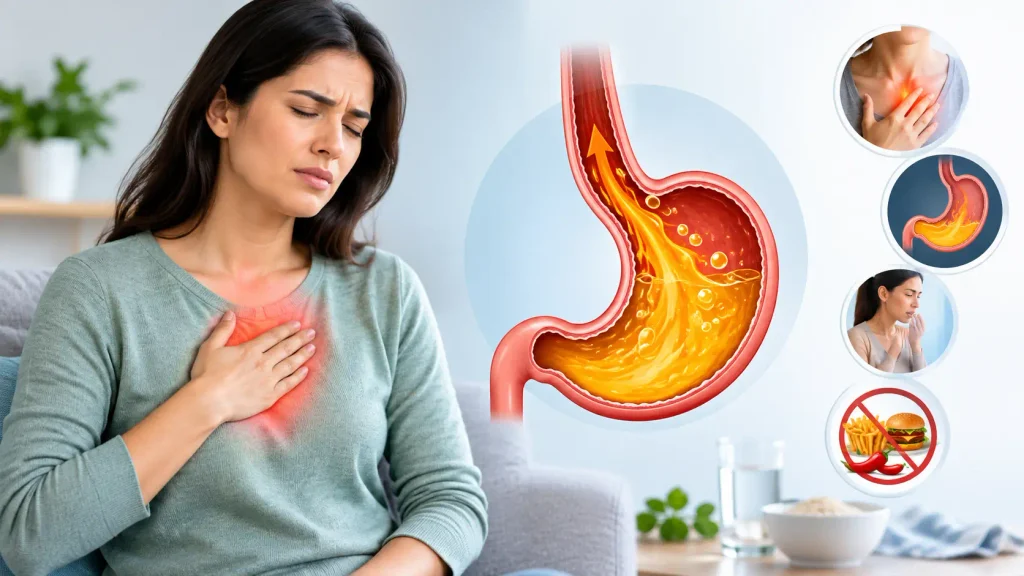
Gastroesophageal reflux disease (GERD) is a digestive condition that occurs when stomach contents repeatedly flow back into the esophagus, the tube that carries food from the mouth to the stomach. This backflow can irritate the esophagus and cause discomfort. Occasional acid reflux is common, but frequent or persistent symptoms may indicate GERD. (sources) What Is GERD? GERD is a long-term condition linked to repeated acid reflux. A ring of muscle called the lower esophageal sphincter helps keep stomach contents from moving back into the esophagus. If this muscle becomes weak or relaxes at the wrong time, stomach contents can flow upward. Frequent stomach acid reflux may irritate the esophageal lining. Without proper management, GERD can affect eating, sleeping, and overall quality of life. (sources) Common gastroesophageal reflux disease GERD symptoms can vary from person to person. Some people experience symptoms after meals, while others notice them when lying down or sleeping. Common heartburn symptoms include: Acid regurgitation occurs when stomach contents move back into the throat or mouth. Some people notice a sour taste, while others feel food or liquid rising after a meal. Not everyone with GERD experiences heartburn. (sources) gastroesophageal reflux disease Causes and Risk Factors Understanding GERD causes can help people manage symptoms. GERD often develops when the lower esophageal sphincter does not prevent stomach contents from flowing backward. Factors that may contribute to GERD include: Chronic acid reflux means reflux happens repeatedly over time. If symptoms occur often or continue despite lifestyle changes, a healthcare professional can assess whether GERD is the cause. (sources) How Is GERD Diagnosed? A GERD diagnosis usually starts with a review of your symptoms, medical history, and medicines. Your healthcare professional may ask how often symptoms occur and whether meals or lying down make them worse. If symptoms are persistent, severe, or unclear, additional tests may be needed. These can include: Not everyone needs every test. The choice depends on symptoms and the healthcare professional’s assessment. (sources) GERD Treatment Options Treatment aims to reduce reflux, relieve symptoms, and protect the esophagus. The best approach depends on how severe and frequent the symptoms are. Medicines for gastroesophageal reflux disease Healthcare professionals may recommend different medicines: Some medicines are available without a prescription, but frequent symptoms should be discussed with a healthcare professional. Do not use medicines regularly or change prescribed treatment without appropriate advice. (sources) Lifestyle Changes to Manage gastroesophageal reflux disease Daily habits may help reduce reflux symptoms: These changes may reduce symptoms, but results differ from person to person. (sources) Possible Complications of GERD Untreated or poorly controlled GERD can sometimes cause complications. These include esophagitis, which is inflammation of the esophagus, and an esophageal stricture, which is narrowing caused by scar tissue. Some people develop Barrett’s esophagus, a change in the cells lining the lower esophagus that is associated with a higher risk of esophageal cancer. These complications do not happen to everyone with GERD. Medical assessment and appropriate treatment can help manage persistent reflux. (sources) When Should You See a Doctor? Speak with a healthcare professional if heartburn occurs frequently, symptoms continue despite lifestyle changes, or you regularly need nonprescription medicines. Seek urgent medical attention for severe or unexplained chest pain, especially if it occurs with shortness of breath or pain in the arm or jaw. Difficulty swallowing, persistent vomiting, bleeding, or unexplained weight loss also require prompt medical assessment. Do not assume chest pain is caused by acid reflux. (sources) Frequently Asked Questions Is GERD the same as acid reflux? No. Occasional acid reflux can happen to many people. GERD is a more persistent condition in which reflux causes repeated symptoms or complications. What foods can trigger GERD? Possible triggers include fatty foods, coffee, chocolate, spicy foods, and acidic foods. Triggers vary, so pay attention to which foods worsen your symptoms. Can lifestyle changes help GERD? Yes. Eating smaller meals, avoiding lying down after eating, and elevating the head of the bed for nighttime symptoms may help. Losing weight may also help some people who are overweight. Does GERD need medical treatment? Some people manage symptoms with lifestyle changes, while others need medicine or further evaluation. A healthcare professional can recommend suitable treatment based on symptoms and their severity. Conclusion Gastroesophageal reflux disease is a common digestive condition that can cause heartburn, acid regurgitation, and other symptoms. Understanding GERD causes, recognizing symptoms, and seeking an appropriate GERD diagnosis can help people find suitable treatment. Lifestyle changes and medicines may improve symptoms and support quality of life. Consult a healthcare professional if symptoms are frequent, persistent, or severe. Medical disclaimer: This article is for general educational purposes only and is not a substitute for professional medical advice, diagnosis, or treatment.
Diarrhea: Symptoms, Causes, Treatment & Prevention
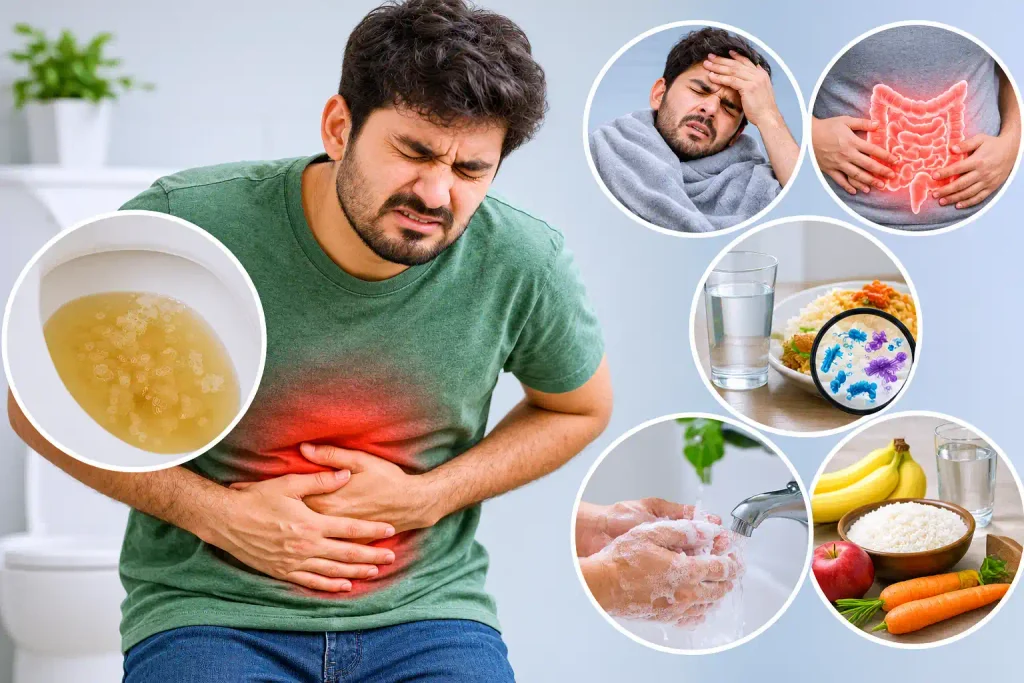
What Is Diarrhea? Diarrhea is a common digestive problem that causes loose, watery stools or more frequent bowel movements than usual. It may last a few days or continue for a longer period, depending on the cause. Most short-term cases improve with proper care, but diarrhea can become serious if it causes severe dehydration. (sources) Diarrhea occurs when the digestive system cannot absorb enough water or when extra fluid enters the bowel. It can affect the small intestine, large intestine, or both. The right treatment depends on the cause and the severity of the symptoms. (sources) Common Symptoms of Diarrhea Symptoms may vary from person to person. Common signs include: Bloody stools, severe abdominal pain, or signs of dehydration may indicate a more serious problem. Seek medical advice if these symptoms occur. (sources) What Causes Diarrhea? Several conditions and everyday factors can cause diarrhea. 1. Infections and Food Poisoning Infectious diarrhea may result from viruses, bacteria, or parasites. These infections can spread through contaminated food or water, or through contact with infected people. Food poisoning is another possible cause and may occur after eating contaminated food. A bacterial infection can also cause diarrhea and other digestive symptoms. (sources) 2. Food Intolerance Some people develop diarrhea after eating certain foods. Lactose intolerance occurs when the body has difficulty digesting lactose, a sugar found in milk and other dairy products. This may cause diarrhea, gas, and bloating after consuming milk or dairy foods. (sources) 3. Medicines and Long-Term Conditions Certain medicines, including some antibiotics, can cause diarrhea. Digestive conditions may also lead to repeated or long-term symptoms. If diarrhea continues, returns frequently, or affects daily activities, a healthcare professional can help identify the cause. (sources) Who Is at Risk? Anyone can develop diarrhea, but some people face a higher risk of complications. Young children, older adults, and people with weakened immune systems may be more likely to experience serious effects from dehydration. Poor sanitation, unsafe drinking water, contaminated food, and inadequate hand hygiene can increase the risk of infectious diarrhea. In the United States and other countries, food safety and hand hygiene remain important ways to reduce the spread of infections. (sources) Diarrhea Treatment and Home Care The main goal of home care is to replace lost fluids and prevent dehydration. 1. Drink Enough Fluids Drink water regularly. Oral rehydration solutions (ORS) help replace water and essential salts lost through diarrhea. They are especially useful when fluid loss is significant. Take small sips frequently if nausea makes it difficult to drink larger amounts. (sources) Sports drinks may replace some lost fluids, but they are not the same as oral rehydration solutions. Fruit juice and sugary drinks may make diarrhea worse for some people, so do not rely on them as the main treatment. 2. Choose Foods You Can Tolerate Continue eating when you feel able to do so. Choose simple foods that you can tolerate and return to your usual diet as symptoms improve. If dairy products make your symptoms worse, temporarily reducing them may help, especially if lactose intolerance is a possible cause. 3. Use Medicines Carefully Some medicines may help adults with certain types of diarrhea, but they are not suitable for every cause. Do not use anti-diarrheal medicines without medical advice if you have bloody stools or a fever. Antibiotics are not needed for every case and should only be used when recommended by a healthcare professional. (sources) When Should You See a Doctor? Seek medical advice if diarrhea is severe, lasts longer than expected, or comes with worrying symptoms. Warning signs include: Severe dehydration can become life-threatening if it is not treated. Young children need special attention because they can lose fluids quickly. Contact a healthcare professional promptly if a child has fewer wet diapers, unusual sleepiness, a dry mouth, or other signs of dehydration. (sources) A doctor may perform a physical exam and ask about your symptoms, medicines, food, and recent travel. Depending on the situation, stool tests or blood tests may be needed to investigate the cause. (sources) How to Prevent Diarrhea Simple hygiene and food safety habits can lower the risk of diarrhea: These steps can help reduce exposure to germs that cause infectious diarrhea. (sources) Frequently Asked Questions How long does diarrhea last? Many short-term cases improve within a few days. Diarrhea that persists, lasts for several weeks, or keeps returning needs medical assessment. The duration depends on the underlying cause. (sources) What should I drink when I have diarrhea? Water and oral rehydration solutions can help replace lost fluids. Take small sips often if you feel nauseated. Ask a healthcare professional for advice if symptoms are severe or you cannot keep fluids down. Can dairy products cause diarrhea? Yes. People with lactose intolerance may develop diarrhea, gas, or bloating after consuming milk and some dairy products. Other causes of diarrhea are also possible. When can diarrhea become dangerous? Diarrhea can become dangerous when it causes severe dehydration or occurs with warning signs such as bloody stools, severe pain, or significant weakness. Seek medical care when these symptoms occur. Conclusion Diarrhea is a common digestive problem that can result from infections, food poisoning, food intolerance, medicines, or other health conditions. Drinking enough fluids, using oral rehydration solutions when needed, practising good hand hygiene, and handling food safely can help reduce complications and prevent some cases. Seek medical advice for severe symptoms, bloody stools, signs of dehydration, or diarrhea that does not improve. Medical disclaimer: This article is for general educational purposes only and is not a substitute for professional medical advice, diagnosis, or treatment. Consult a qualified healthcare professional if you have concerns about your symptoms.