Natural remedies include plant-based products, food-based approaches, and traditional practices used for health and personal care. They may include herbal remedies, natural skin care, natural hair care, nutrition, and other forms of daily care.
Natural does not always mean safe or effective. Some natural products can cause side effects or interact with medicines. It is important to check the evidence, ingredients, and safety before using them.
What Are Natural Remedies?
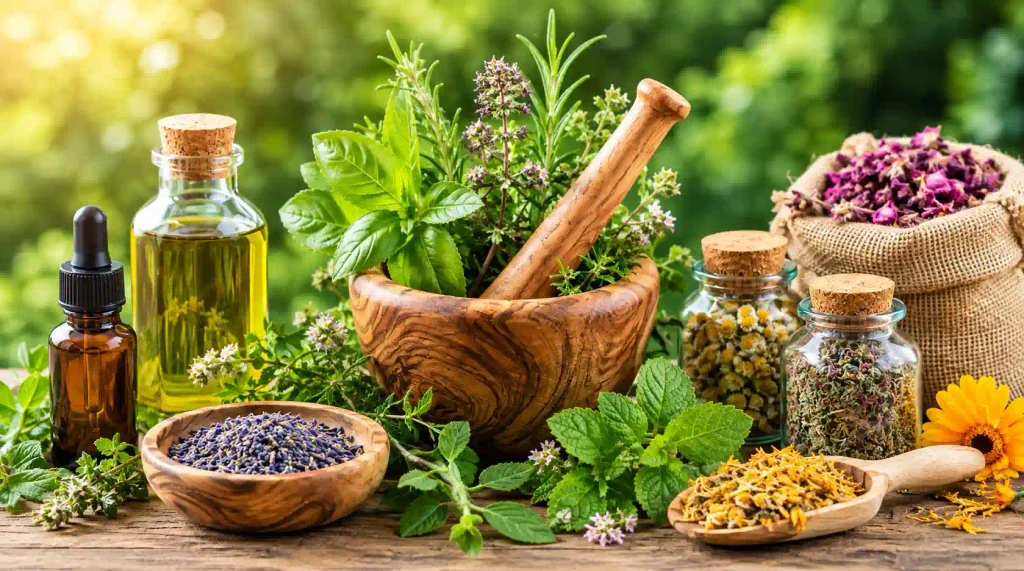
Natural remedies can include natural ingredients, plant-based products, herbal preparations, and food-based approaches. Herbal medicine is one type of natural approach. It uses plants or parts of plants for health purposes.
There is no single list of natural remedies. Different products have different uses and levels of scientific evidence. Traditional use does not always mean that a product has been proven to work for a specific health problem.
Herbal Remedies and Herbal Medicine
Herbal remedies use plants or parts of plants. They are sometimes called herbal medicines. People use different herbs for different purposes, but their benefits and risks can vary.
Some herbal products may interact with prescription or over-the-counter medicines. If you take medicines regularly, ask a doctor or pharmacist about possible interactions before using an herbal supplement.
Natural Skin Care
Natural skin care uses natural ingredients as part of a skin care routine. Some people choose plant-based products for everyday skin care.
However, natural ingredients can affect people in different ways. A product may not suit every skin type or health condition. Check the label and follow the directions before using a new product.
For ongoing or serious skin problems, a dermatologist can help you find suitable care.
Natural Hair Care and Scalp Care

Natural hair care may include products made with natural ingredients. Scalp care is also an important part of good hair care.
Before using a new hair or scalp product, check what it contains and what it is designed to do. Do not assume that a natural product will work for everyone.
If you have a lasting hair or scalp problem, consider speaking with a dermatologist.
DIY Home Remedies
People may use simple home approaches as part of daily care. However, not every home remedy has strong scientific evidence.
Before trying one, ask:
- What is it meant to do?
- Is there evidence for this use?
- Could it cause side effects?
- Could it interact with medicine?
- Are the ingredients clearly listed?
- Is the product suitable for my needs?
These questions can help you make a safer choice.
Natural Wellness and Nutrition
Food provides many nutrients, including vitamins and minerals. Eating a varied diet can help provide the nutrients your body needs. USDA MyPlate offers guidance on balanced eating.
Natural foods can support good nutrition, but they should not be viewed as a cure for health problems.
Dietary supplements may contain vitamins, minerals, herbs, or other substances. The Food and Drug Administration provides information about dietary supplements and their safety.
Natural Body Care
Natural body care may include products made with natural ingredients for everyday personal care.
Read the label before using a product. Check its ingredients and follow the instructions. Natural products can still have active effects, so it is important to consider possible risks.
Natural Oral Care
Natural oral care can be part of a daily hygiene routine, but it should not replace proper dental care.
Good oral care includes regular dental care and following advice from a dental professional. If you have ongoing dental pain, swelling, or another concern, speak with a dentist.
How to Use Natural Remedies Safely
1. Check the evidence
Look for reliable information about the specific product and the health concern. Evidence for one use does not prove that the same product works for another use.
2. Check for side effects
Natural products can cause unwanted effects. Learn about possible side effects before using a product.
3. Check medicine interactions
Some herbal products can interact with medicines. This is an important part of supplement safety.
4. Check product quality
Choose products with clear labels and information about their ingredients. This is especially important when buying dietary supplements in the United States.
5. Consider long-term use
If you plan to use a product long term, check whether there is enough information about its safety.
6. Ask a health professional
A doctor, pharmacist, dentist, or dermatologist can help you decide whether a natural product is suitable for your needs.
FAQs About Natural Remedies
What are the 8 natural remedies?
There is no standard list of eight natural remedies. Natural approaches include different herbal products, natural ingredients, food-based approaches, and traditional practices.
What are 5 home remedies?
There is no universal list of five home remedies. The safety and usefulness of a home remedy depend on the specific approach and health problem.
What are the best natural remedies?
There is no single natural remedy that is best for everyone. The right choice depends on the health concern, available evidence, and safety.
What is the most powerful healing herb?
No single herb is the most powerful for every health condition. Different herbs have different uses, evidence, and safety concerns.
Conclusion
Natural remedies cover many products and practices, including herbal remedies, natural ingredients, nutrition, and personal care. They may be useful in some situations, but natural does not always mean safe or effective.
Before using a natural product, check the evidence, possible side effects, medicine interactions, and product quality. For ongoing or serious health conditions, seek advice from a qualified health professional.