Herbal remedies for health are products made from plants or plant-based ingredients and used for health-related purposes. They have a long history in traditional health practices and are now available in many forms.
You may find herbal products as teas, capsules, tablets, powders, extracts, and other dietary supplements. Some people use them to support their overall health, but natural does not always mean safe or effective.
The effects of an herbal product can depend on the herb, preparation, amount, and person using it. Some products may also interact with medicines. This guide explains what herbal remedies are, what research says, and what to consider before using them.
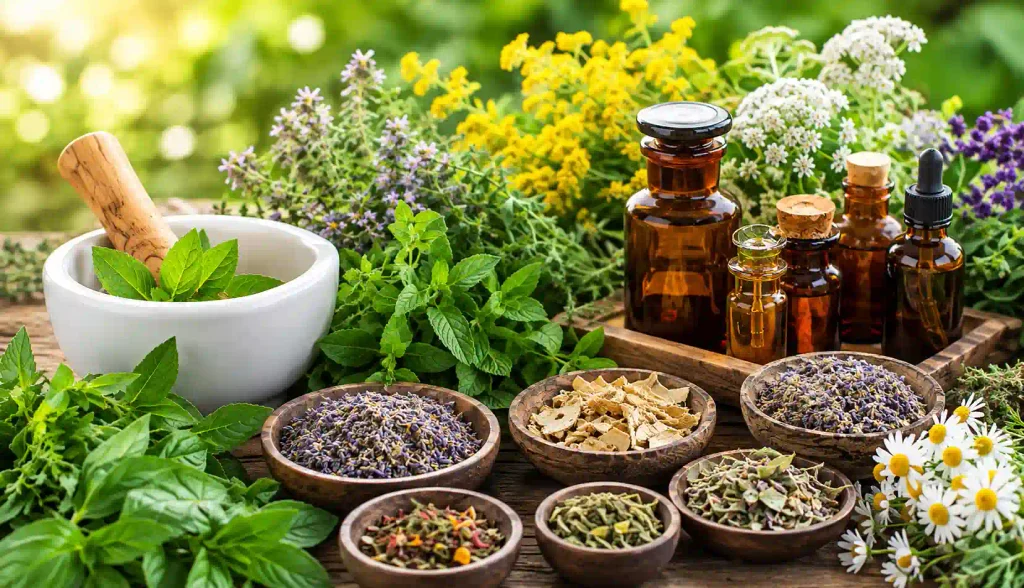
What Are Herbal Remedies?
Herbal remedies contain ingredients that come from plants. They may use leaves, roots, flowers, seeds, or other parts of medicinal plants.
Common herbal preparations include:
- Herbal teas
- Capsules and tablets
- Powders
- Liquid extracts
- Tinctures
The same herb can be prepared in different ways. Two products that contain the same herb may therefore have different ingredients, amounts, or effects.
Herbal Remedies for Health and Natural Products
Natural remedies is a broad term that can include many types of products and approaches. Herbal remedies are specifically based on plant ingredients.
Herbs can also be used as food. This is different from taking a concentrated supplement. A supplement may contain a larger amount of an active ingredient than you would normally consume as part of a meal.
For this reason, it is important to look at the exact product rather than assuming that all products containing an herb are the same.
Examples of Herbal Remedies
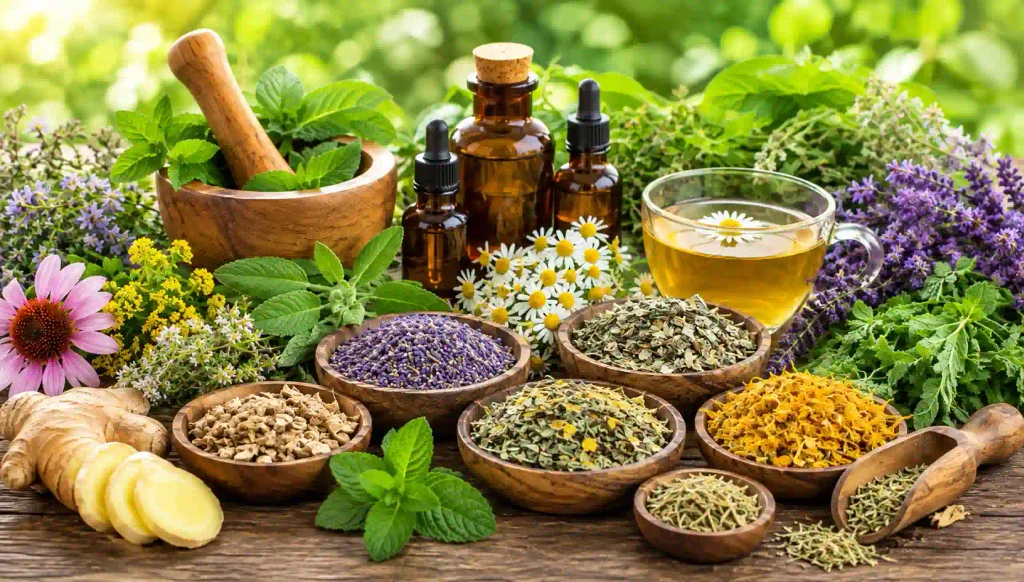
Many traditional herbal remedies are available today as foods, teas, or supplements. Examples include ginger, turmeric, peppermint, chamomile, and garlic.
Each herb has different uses and research findings. The available scientific evidence can also vary depending on the herb, preparation, and health purpose.
Ginger
Ginger is used as a food and is also available in teas and herbal supplements. Researchers have studied ginger for several health-related purposes.
If you choose a concentrated ginger product, read the label and check whether it could interact with medicines you take.
Turmeric
Turmeric is a common spice and is also sold as a supplement. Curcumin is an active ingredient in turmeric that has been studied in research.
Turmeric products can vary in their formulation. Evidence about one preparation should not automatically be applied to every turmeric supplement.
Peppermint
Peppermint is used in foods, teas, and different herbal preparations. It has also been studied for certain health-related uses.
The evidence depends on the specific preparation and purpose. Read the product information before using a concentrated product.
Chamomile
Chamomile is commonly consumed as tea and is also available in supplement form.
Research has examined chamomile for different health purposes. If you use a supplement, check the ingredients and follow the product’s safety information.
Garlic
Garlic is widely used as food and is also available as a dietary supplement.
Eating garlic as part of a normal diet is different from taking a concentrated garlic supplement. People who take medicines should consider possible interactions before using garlic supplements.
Traditional Use and Scientific Evidence
Traditional use does not automatically prove that an herb works for a particular health condition.
Researchers study herbs in different ways. A clinical trial, for example, may examine a specific herb, preparation, amount, and group of people.
Evidence can vary because studies may use:
- Different forms of an herb
- Different amounts
- Different combinations of ingredients
- Different groups of people
- Different health outcomes
This means that claims about an herb should be considered in relation to the exact product and intended use.
Are Herbal Supplements Safe?
Herbal supplements are not automatically safe just because they are natural. They can contain active ingredients that affect the body.
Some products may cause side effects or interact with medicines. The possible effects include unwanted reactions that depend on the herb, preparation, amount, and individual.
Natural Does Not Always Mean Safe
A product described as natural can still have risks. A high dose or concentrated preparation may be different from using the same plant as food.
If you experience an allergic reaction or another unexpected reaction after taking a supplement, seek appropriate medical advice.
Herbal Products and Medicines
Some herbal products can interact with prescription or over-the-counter medicines. These interactions may affect how a medicine works or increase the risk of unwanted effects.
Before taking a new herbal supplement, tell your doctor, pharmacist, or another healthcare professional about the supplements and medicines you use.
This is especially important if you have a health condition or take medicines regularly.
How to Choose Herbal Products
If you decide to use an herbal product, read the label carefully.
Check for:
- Product name
- Ingredients
- Serving information
- Amount of each ingredient
- Other ingredients
- Manufacturer information
- Warnings and safety information
Be careful with products that promise guaranteed results, rapid cures, or treatment for many unrelated conditions.
Also remember that different herbal medicines may contain different forms or amounts of an herb. The name of an herb alone does not tell you everything about a product.
Can Herbal Remedies Replace Medical Treatment?
Herbal remedies should not automatically replace medical care.
If you have ongoing symptoms or a diagnosed health condition, discuss your options with a healthcare professional. An herbal supplement may affect medicines or other treatments.
Some people use herbal products as part of complementary and integrative health approaches. However, using a supplement alongside medical care still requires attention to safety and possible interactions.
Questions to Ask Before Using a Supplement
Before taking a new herbal supplement, ask:
- What ingredients does it contain?
- What is it intended to do?
- Is there reliable scientific evidence for this use?
- What form of the herb does it contain?
- Could it interact with my medicines?
- Does the label list any warnings?
- Is it a concentrated product?
- Should I discuss it with a healthcare professional?
These simple questions can help you make a more informed choice.
Frequently Asked Questions
What are herbal remedies?
Herbal remedies are products made from plants or plant-derived ingredients for health-related purposes. They may be available as teas, capsules, tablets, powders, and extracts.
What are medicinal herbs?
Medicinal herbs are plants that have been used in traditional health practices or studied for health-related purposes. Their effects can vary depending on the herb, preparation, and intended use.
Are herbal supplements safe?
Herbal supplements are not automatically safe. Some may cause side effects or interact with medicines. Read the label and seek professional advice when needed.
Can herbal remedies interact with medications?
Yes. Some herbal products can interact with prescription and over-the-counter medicines. Tell your healthcare professional about any supplements you use or plan to take.
Are natural remedies better than conventional treatment?
There is no general rule that natural remedies are better than conventional treatment. The right approach depends on the health concern, available evidence, safety information, and individual needs.
Key Takeaways
Herbal remedies are available in many forms, including teas, extracts, capsules, tablets, and dietary supplements. Traditional use can provide useful background, but it does not by itself prove that an herb provides a specific health benefit.
Remember:
- Herbal remedies for health can come in many forms.
- Natural products are not automatically safe or effective.
- Herbal supplements can contain concentrated ingredients.
- Scientific evidence varies between herbs and their uses.
- Traditional herbal remedies may have different evidence for different purposes.
- Herbal products can cause side effects or interact with medicines.
- Always check the label before using a supplement.
- Speak with a healthcare professional if you have concerns about safety or medicine interactions.
Using reliable information instead of relying only on marketing claims can help you make a more informed decision about herbal products.