Benadryl for Hives: Does It Work? 7 Key Things to Know
When hives strike and the itching is unbearable, Benadryl is often the first name that comes to mind. It has been the go-to allergy medicine in many households for decades, and it does genuinely work for hives. But here is what most people do not realise: while Benadryl helps, it is usually no longer the best first choice for hives — and understanding why can save you from drowsy days and give you better, longer-lasting relief.
This is not a case of an old medicine being useless. Benadryl still has its place, particularly for short-term night-time relief. But the science of treating hives has moved on, and the newer generation of antihistamines offers advantages that matter for a condition that often needs daily control. This guide explains how Benadryl works for hives, when it is the right tool, when something else is better, and how to use it safely.
Quick Overview
| Question | Short answer |
|---|---|
| Does Benadryl work for hives? | Yes — it blocks histamine and relieves itching |
| Is it the best choice? | Often not first-line; newer antihistamines are usually preferred |
| Main downside | Causes significant drowsiness; short-acting |
| Generic name | Diphenhydramine |
| Better daily options | Cetirizine, loratadine, fexofenadine, levocetirizine |
| When Benadryl fits | Short-term, occasional night-time relief |
| Key caution | Not for routine long-term use; care in children and older adults |
How Benadryl Works for Hives
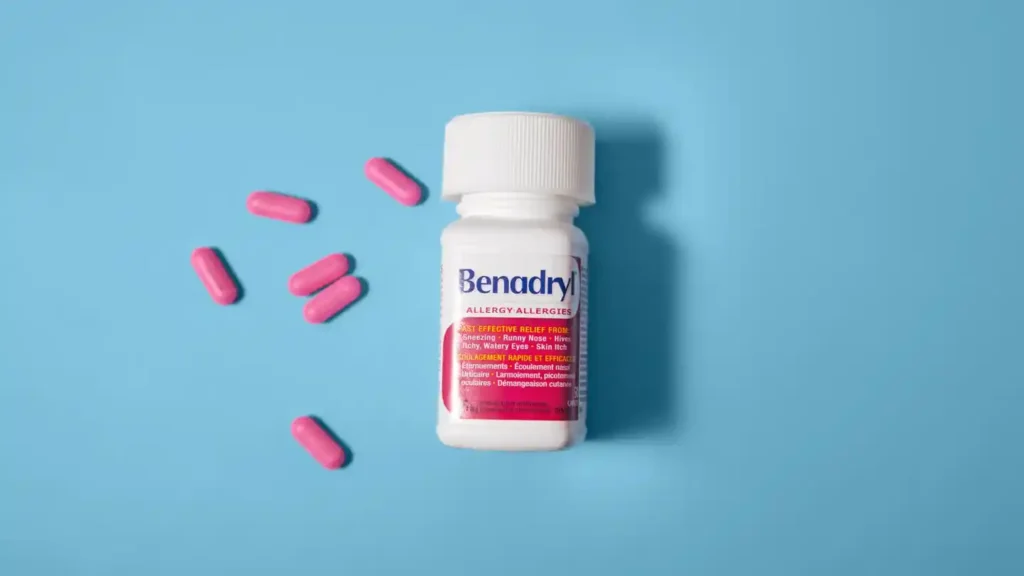
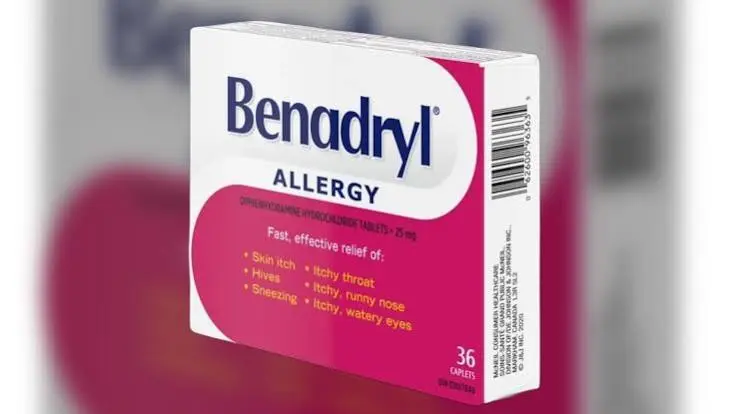
Hives appear when immune cells in the skin release histamine, which makes blood vessels leaky — producing raised welts — and fires the nerves that cause itching. Benadryl, whose active ingredient is diphenhydramine, is an antihistamine: it blocks the H1 histamine receptor, which reduces the welts and calms the itch.
So yes, it works. The relief is real, and for a sudden, distressing outbreak, that matters. The issue is not whether Benadryl works but how it works compared with the alternatives. Diphenhydramine is a first-generation antihistamine, which means it easily crosses into the brain. That is what causes its characteristic drowsiness — and it is exactly the property that newer antihistamines were designed to avoid. For the full treatment picture, see our guide on how to get rid of hives.
7 Things You Should Know About Benadryl for Hives
1. It works, but it is short-acting. Benadryl relieves hives for only around four to six hours, which means repeated dosing through the day and night to maintain control. Newer antihistamines last a full 24 hours from a single dose.
2. It causes significant drowsiness. Because it enters the brain, diphenhydramine makes most people sleepy. That is a problem during the day — affecting work, driving, and concentration — though it can be useful at night when itching disrupts sleep.
3. Newer antihistamines are usually preferred for hives. Guidelines for treating hives now favour second-generation antihistamines — cetirizine, loratadine, fexofenadine, levocetirizine — as first-line, precisely because they control hives effectively without the heavy sedation. For a condition that often needs daily dosing, this matters a great deal.
4. It is best kept for short-term or night-time use. Benadryl’s sedation makes it a reasonable option for occasional night-time relief during a flare, or as a short-term measure. It is not well suited to the ongoing daily control that many hive sufferers need.
5. Dosing must be correct, especially in children. Benadryl dosing depends on age and weight, and it is not suitable for young children except on professional advice. Never guess a child’s dose — check with a doctor or pharmacist. In babies and toddlers, see our guide on baby hives, and always seek professional advice before any medicine.
6. Older adults should be cautious. First-generation antihistamines like diphenhydramine can cause confusion, dizziness, and falls in older people, and are generally best avoided in this age group in favour of newer options. This is a well-recognised safety concern.
7. It does not treat a severe allergic reaction. This is the most important point. If hives come with swelling of the tongue or throat or any difficulty breathing, that is anaphylaxis — a medical emergency. Benadryl is not a substitute for epinephrine. Use an auto-injector if prescribed and call emergency services immediately.
Benadryl vs Newer Antihistamines
| Feature | Benadryl (diphenhydramine) | Newer antihistamines (e.g. cetirizine, loratadine) |
|---|---|---|
| Generation | First | Second |
| Duration | 4–6 hours | Around 24 hours |
| Drowsiness | Significant | Minimal |
| Best for | Short-term, night-time relief | Daily control of hives |
| Daytime use | Impairing for many | Suitable |
| Guideline status for hives | No longer first-line | First-line |
The takeaway is not that Benadryl is bad — it is that for most people managing hives, a once-daily non-drowsy antihistamine gives better, more convenient control. Benadryl becomes the useful backup for night-time itch rather than the everyday workhorse. Our guide on using Zyrtec for hives looks at one popular second-generation option in more detail.
How to Use Benadryl Safely for Hives
If you do use Benadryl for hives:
- Follow the label or your pharmacist’s advice on dose and timing — do not exceed the stated amount
- Prefer night-time use, when the drowsiness helps rather than hinders
- Do not drive or operate machinery after taking it, until you know how it affects you
- Avoid alcohol, which worsens the sedation
- Check interactions with other medicines you take — ask a pharmacist
- Do not give to young children without professional advice on product and dose
- Take extra care in older adults, where newer options are usually safer
- Do not rely on it for severe reactions — seek emergency care for any breathing or throat symptoms
For ongoing hives, talk to your doctor or pharmacist about switching to a second-generation antihistamine for daily control, keeping Benadryl only as an occasional night-time option if needed.
Common Side Effects and Precautions
Because Benadryl crosses into the brain and affects the whole body, it comes with a wider set of side effects than the newer antihistamines. Knowing them helps you use it wisely.
The most obvious is drowsiness, but it can also cause a dry mouth, blurred vision, constipation, dizziness, and difficulty passing urine — effects linked to the way it acts on the nervous system. In some people, particularly children, it can paradoxically cause restlessness or agitation rather than sleepiness. These effects are usually mild and short-lived at normal doses, but they are more likely and more troublesome with repeated use.
Certain people need to be especially careful. Older adults are more sensitive to its effects on the brain and are at greater risk of confusion, dizziness, and falls, which is why newer antihistamines are generally recommended for them instead. People with certain conditions — including glaucoma, an enlarged prostate, or some heart and breathing conditions — should check with a doctor or pharmacist before using it.
It can also interact with other medicines that cause drowsiness, including some sleep aids, sedatives, and alcohol, adding up to a stronger sedative effect than intended. And because many combination cold and allergy products already contain diphenhydramine, it is easy to double up unknowingly — always check the ingredients of everything you are taking to avoid taking too much.
What Benadryl Can’t Do — and What Helps Alongside
It is worth being clear about the limits of any antihistamine, Benadryl included. Antihistamines block the effect of histamine that has been released, which reduces welts and itch, but they do not address whatever is triggering the mast cells in the first place. That is why, for lasting relief, treatment is only part of the picture.
Alongside any antihistamine, simple measures make a real difference: keeping cool and avoiding hot showers, which reliably worsen hives; wearing loose cotton to reduce friction; applying cool compresses to calm the itch; and identifying and avoiding your triggers where possible. Our guide on what causes hives walks through how to find yours. For hives driven or worsened by stress, managing stress and protecting sleep genuinely help, as explained in our guide on stress hives.
If your hives keep returning despite antihistamines, the answer is usually not more Benadryl but a step up the treatment ladder — a higher dose of a second-generation antihistamine under medical guidance, or other options your doctor can offer. Reaching repeatedly for a short-acting sedating antihistamine is a sign the underlying plan needs revisiting, not that you simply need more of the same.
Oral Benadryl vs Topical Antihistamine Creams
People sometimes reach for a topical antihistamine cream for hives, thinking it will target the welts directly. This is worth addressing, because it is a common mistake. For hives, oral antihistamines are far more effective than topical ones. Hives are driven by histamine released throughout the skin, and a cream applied to one patch cannot address welts appearing all over the body, nor reach deep enough to make much difference.
More importantly, topical antihistamine creams — including some containing diphenhydramine — carry a specific risk: applied repeatedly, they can sensitise the skin and cause an allergic contact reaction of their own, turning one problem into two. For this reason, dermatologists generally advise against topical antihistamine creams for hives. If you want topical relief for the itch, a cool compress or a plain fragrance-free moisturiser is a safer choice, while an oral antihistamine does the real work of controlling the welts.
The same logic applies to topical hydrocortisone, which many people try on hives. It barely penetrates to where hives form and offers little benefit, so it is not a useful hives treatment despite being a familiar cream in the medicine cabinet.
When to See a Doctor
See a doctor if:
- Your hives last longer than six weeks — this may be chronic urticaria, covered in our guide on chronic hives
- Over-the-counter antihistamines are not controlling your symptoms
- You are relying on Benadryl daily, which suggests you need a better long-term plan
- The itching is disrupting your sleep or daily life
- You are unsure which antihistamine is right for you
Seek emergency care immediately for swelling of the tongue, mouth, or throat, difficulty breathing, a tight throat, dizziness, or fainting. These signal a severe allergic reaction and need epinephrine, not an antihistamine.
Final Thoughts
Benadryl earns its reputation as a reliable hives remedy — it does relieve the welts and the itch. But reliable is not the same as best, and for the day-to-day management that hives often demand, its short duration and heavy drowsiness make it a poor everyday choice. The newer, non-drowsy antihistamines control hives just as well while letting you get on with your day, which is why guidelines now put them first.
The sensible approach is to think of Benadryl as a specific tool rather than a default: genuinely useful for occasional night-time itch, when a little sedation is welcome, but not the medicine to lean on for ongoing control. If you find yourself reaching for it day after day, that is the signal to speak to your doctor or pharmacist about a better long-term plan. And whatever you use, remember the one rule that overrides everything else — for any swelling of the throat or difficulty breathing, no antihistamine is enough, and emergency care comes first.
Medical disclaimer: This article is for general information and is not a substitute for professional medical advice, diagnosis, or treatment. Always follow dosing advice from a pharmacist or doctor, take special care with children and older adults, and seek emergency care for any breathing difficulty or throat swelling.
Frequently Asked Questions
Does Benadryl work for hives? Yes. Benadryl (diphenhydramine) is an antihistamine that blocks histamine, reducing the welts and calming the itch. It does work, but it is short-acting and causes drowsiness, so for daily control newer non-drowsy antihistamines are usually a better choice.
Is Benadryl the best antihistamine for hives? Usually not for ongoing use. Guidelines now favour second-generation antihistamines like cetirizine, loratadine, and fexofenadine as first-line, because they control hives just as well without the heavy sedation. Benadryl is better kept for occasional night-time relief.
How often can I take Benadryl for hives? Benadryl lasts only about four to six hours, so it needs repeat dosing, following the label or a pharmacist’s advice on the maximum daily amount. If you find you need it repeatedly every day, that is a sign to ask about a longer-acting daily antihistamine instead.
Benadryl or Zyrtec for hives — which is better? For daily control, Zyrtec (cetirizine) is usually the better choice because it lasts 24 hours and causes far less drowsiness. Benadryl may still be useful for short-term night-time relief when some sedation helps with sleep.
Can I give my child Benadryl for hives? Only on the advice of a doctor or pharmacist, who will confirm the right product and dose for your child’s age and weight. It is not suitable for young children without professional guidance, and dosing must be exact.
Can Benadryl treat a severe allergic reaction with hives? No. If hives come with swelling of the tongue or throat or any difficulty breathing, that is anaphylaxis, a medical emergency. Benadryl is not a substitute for epinephrine — use an auto-injector if prescribed and call emergency services immediately.
Why does Benadryl make me so sleepy? Diphenhydramine, its active ingredient, easily crosses into the brain, which causes drowsiness. This is the main reason newer antihistamines, designed not to cross into the brain, are preferred for daytime hive control.
How long does Benadryl take to work on hives? Benadryl usually starts to relieve itching within about 30 minutes, which is one reason people reach for it in an acute flare. However, its effect only lasts around four to six hours, so the relief wears off sooner than with once-daily antihistamines.
Can I take Benadryl and a second-generation antihistamine together? Sometimes doctors advise using a non-drowsy antihistamine daily and Benadryl only at night for sleep-disrupting itch, but you should check with a pharmacist or doctor before combining antihistamines, as it is not always appropriate and increases sedation.
Is it safe to take Benadryl every night for hives? Regular nightly use is best done only with professional advice. While it can help sleep during a flare, relying on it long-term is not ideal, and persistent hives are better managed with a proper treatment plan from your doctor rather than ongoing sedating antihistamines.