Chronic diseases are health conditions that last for a long time. Many require regular care and treatment. They can affect different parts of the body, including the heart, lungs, kidneys, and joints.
Examples include diabetes, heart disease, asthma, arthritis, chronic kidney disease, and chronic breathing diseases. Each condition is different, so its symptoms, causes, treatment, and care can also differ.
This guide explains chronic health conditions, their risk factors, prevention, and management. It also answers common questions about chronic conditions and long-term health conditions.

What Are Chronic Diseases?
Chronic diseases are health conditions that continue for a long time. Some people need ongoing medical care to manage them.
The Centers for Disease Control and Prevention (CDC) provides information about chronic diseases, including risk factors, prevention, and management. These conditions are an important public health concern in the United States.
Different health organisations cover different diseases. The National Institute of Diabetes and Digestive and Kidney Diseases (NIDDK) provides information about diabetes and chronic kidney disease. The National Heart, Lung, and Blood Institute (NHLBI) covers heart and lung conditions. The National Institute of Arthritis and bone, joint, and muscle conditions and Skin Diseases (NIAMS) covers arthritis and other bone, joint, and muscle conditions.
Because each disease is different, treatment and care depend on the specific condition.
Examples of Chronic Diseases
There are many types of chronic conditions. Examples include:
ConditionHealth area Diabetes Metabolic health Heart diseaseHeart health Asthma breathing diseases health Arthritis Joints and muscles Chronic kidney disease Kidney health Chronic breathing diseases Lung and respiratory health
Some respiratory diseases include chronic obstructive pulmonary disease, also called COPD. Asthma is another respiratory condition covered by major health organisations.
These examples show that chronic health conditions can affect different parts of the body. Each condition may need a different approach to care.
What Are Chronic Disease Risk Factors?
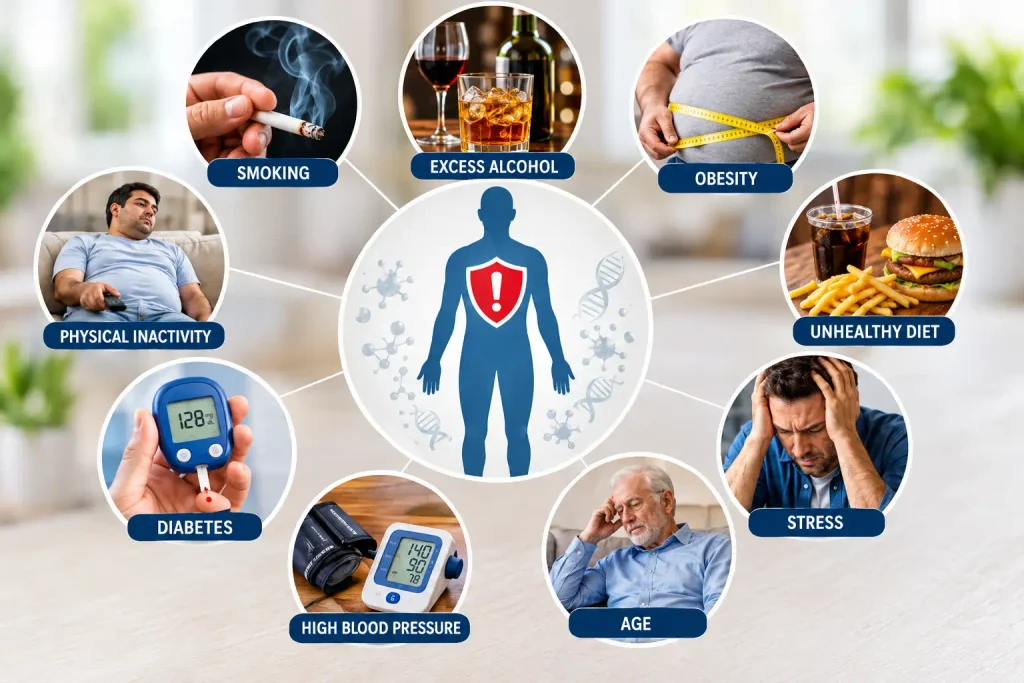
Chronic disease risk factors are factors linked to a higher chance of developing certain health problems. They can vary between diseases.
For example, factors linked to a respiratory condition may differ from those linked to diabetes or kidney disease. Some factors can also increase the risk of more than one health problem.
The CDC provides information about risk factors related to chronic diseases. Learning about these factors can help people understand their health and possible prevention steps.
A person’s age, lifestyle, and other factors may affect their risk of some conditions. However, risk depends on the specific disease and the person.
Having a risk factor does not mean that someone will definitely develop a disease.
What Are the Symptoms of Chronic Diseases?
There is no single list of symptoms for all chronic diseases. Different conditions affect the body in different ways.
For example, symptoms linked to asthma may differ from those linked to arthritis, diabetes, heart disease, or chronic kidney disease.
Some people may have symptoms that need medical attention, while others may need regular checks to monitor an existing condition.
If you have new or ongoing health problems, seek appropriate medical care. Information about symptoms should always relate to the specific condition.
How Are Chronic Diseases Diagnosed?
The diagnosis process depends on the disease.
There is no single test that can diagnose every chronic condition. The evaluation used depends on the health problem being considered.
NHLBI provides information about diagnosis for heart and lung conditions. NIDDK covers conditions such as diabetes and chronic kidney disease. NIAMS provides information about arthritis and other bone, joint, and muscle conditions.
Early detection can be important for some health conditions. If you are concerned about symptoms or a possible chronic disease, speak with a healthcare professional.
What Is Chronic Disease Management?
Chronic disease management means caring for a long-term condition over time. The type of care depends on the disease and the person’s health needs.
Some people may need medicines, regular medical visits, lifestyle changes, or other forms of care. Treatment plans should be based on the specific condition.
Medical Care and Treatment
Some chronic illnesses require medical treatment. The type of treatment depends on the condition.
NIDDK provides information about diabetes and chronic kidney disease (CKD). NHLBI covers heart and lung conditions. NIAMS provides information about arthritis and other bone, joint, and muscle conditions.
People should follow the treatment plan provided for their specific condition.
Ongoing Care
Some long-term health conditions need regular monitoring and care. The care required by a person with diabetes may be different from that needed for asthma, arthritis, heart disease, or kidney disease.
Condition-specific information can help people understand their disease and available care.
What Is Chronic Disease Prevention?
Chronic disease prevention focuses on reducing the risk of chronic health problems. The CDC includes prevention as part of its public health work.
Prevention steps can differ between diseases. A step that helps reduce the risk of one condition may not have the same effect on another.
A healthy lifestyle may be part of a broader approach to health. Diet and physical activity are often included in public health guidance. However, lifestyle advice should fit a person’s health needs.
For example, diet advice may include limiting foods high in saturated fats, depending on the health goal and condition.
Prevention cannot remove every possible risk. Some factors linked to chronic diseases cannot be changed.
Chronic Diseases and Mental Health
Chronic health conditions can affect daily life. They may affect work, sleep, activities, or emotional well-being.
Mental health is also part of overall health. People living with chronic illnesses may have concerns about their condition or long-term treatment.
If a chronic health problem affects your daily life or well-being, discuss your concerns with a healthcare professional.
Living With Chronic Conditions
Living with chronic conditions may require ongoing attention to health needs.
The care needed for diabetes can differ from the care needed for asthma, arthritis, heart disease, or chronic kidney disease. This is why information should match the specific condition.
The CDC provides general information about chronic diseases. NIDDK, NHLBI, NIAMS, and CDC respiratory resources provide information about specific health areas.
People should use reliable information and follow advice from their healthcare team.
Frequently Asked Questions About Chronic Diseases
What are the 10 major chronic diseases?
The sources used for this article do not establish one universal list of exactly 10 chronic diseases. They cover conditions such as diabetes, heart disease, asthma, arthritis, chronic kidney disease, and chronic respiratory diseases.
What are the 11 major chronic diseases?
The supplied sources do not establish one universal list of exactly 11 chronic diseases. Different organisations may group health conditions in different ways.
What are the top 5 chronic diseases?
The supplied sources do not establish one universal “top 5” list. They cover several types of chronic diseases that affect different parts of the body.
What are the 26 chronic conditions?
The supplied sources do not provide one universal list of exactly 26 chronic conditions. A list of 26 conditions would need to come from a specific organisation or system for grouping.
What is the difference between chronic diseases and chronic illnesses?
The sources used here focus on chronic diseases and long-term health conditions. They do not provide a detailed distinction between the terms chronic diseases and chronic illnesses.
Can chronic diseases be managed?
Yes. Chronic disease management is an important part of care for many long-term conditions. Management depends on the disease and the person’s health needs.
Can chronic diseases be prevented?
The CDC provides information about chronic disease prevention and risk factors. Prevention steps depend on the specific disease and its risk factors.
Key Takeaway
Chronic diseases are health conditions that last for a long time and may require ongoing care. Examples include diabetes, heart disease, asthma, arthritis, chronic kidney disease, and chronic respiratory diseases.
Their risk factors, symptoms, diagnosis, treatment, and management can vary. Understanding chronic disease risk factors can help people learn about their health and possible prevention steps.
For reliable information about chronic health conditions, use trusted sources such as the CDC, NIDDK, NHLBI, and NIAMS. If you have ongoing health problems or concerns, seek advice from an appropriate healthcare professional.