The 5 Parkinson’s Disease Stages Explained: Symptoms, Progression & Natural Support
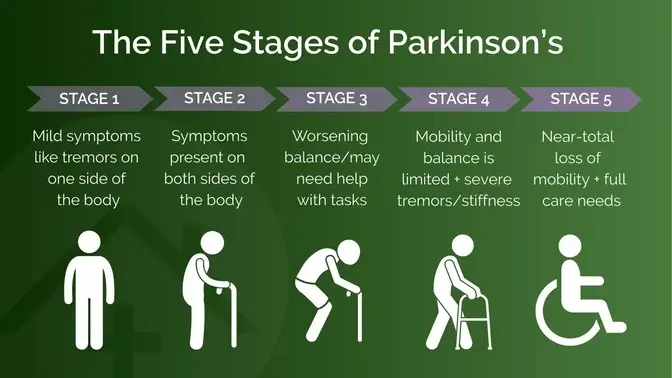
Parkinson’s disease is often described as a movement disorder, but its impact goes far beyond tremors and stiffness. It is a progressive neurological condition that gradually affects the way a person moves, thinks, sleeps, and performs everyday activities. Because the disease develops slowly, many people do not recognize the warning signs until symptoms start interfering with daily life. Understanding the different Parkinson’s disease stages is important for patients, caregivers, and families. Each stage brings unique challenges, from mild symptoms that may go unnoticed to advanced stages that require significant support and medical care. Early awareness can help individuals seek timely treatment, adopt healthier lifestyle habits, and better manage the progression of the condition. In recent years, growing research has highlighted the importance of combining traditional medical treatments with supportive lifestyle strategies such as regular exercise, balanced nutrition, stress management, and natural wellness practices. While there is currently no cure for Parkinson’s disease, proper care and early intervention can significantly improve quality of life and help many people maintain their independence for years. This comprehensive guide explores the stages of Parkinson’s disease, common symptoms, causes, diagnosis, treatment options, self-care tips, and natural approaches that can support overall brain health. Whether you have recently been diagnosed, are caring for a loved one, or simply want to learn more about this condition, this article provides practical, evidence-based information to help you navigate every stage of the Parkinson’s journey. Many people first notice subtle symptoms such as hand tremors, stiffness, slower movements, or changes in handwriting. As the condition progresses, symptoms may become more significant and require more support. What Is Parkinson’s Disease? Parkinson’s disease is a chronic neurological disorder that occurs when nerve cells in an area of the brain called the substantia nigra gradually stop producing enough dopamine. Dopamine is a chemical messenger responsible for coordinating smooth and controlled body movements. When dopamine levels decrease, symptoms begin to develop. Many people ask: The exact cause remains unclear, but researchers believe a combination of genetic and environmental factors contributes to the condition. Parkinson’s Disease Signs and Symptoms Before discussing Parkinson’s disease stages, it is important to understand the common signs and symptoms. Motor symptoms Tremors One of the most recognizable symptoms of Parkinson’s disease is shaking or tremors, especially when the body is at rest. Muscle stiffness Stiff muscles can limit movement and cause pain. Slow movement (bradykinesia) People may struggle to perform daily activities due to slowed movement. Balance problems Postural instability increases the risk of falls. Non-motor symptoms Many patients experience symptoms beyond movement problems. Common non-motor symptoms include: Some of these symptoms, such as loss of smell, constipation, and sleep problems, can appear years before the motor symptoms become apparent. Early Signs and Symptoms of Parkinson’s Disease Recognizing the early signs and symptoms of Parkinson’s disease can lead to earlier diagnosis and treatment. Early signs include: Many people overlook these early signs because they develop gradually. What Causes Parkinson’s Disease? This is one of the most common questions people ask. Researchers have identified several contributing factors. Aging Risk increases significantly with age. Genetics Some cases are linked to inherited gene mutations. This is why people often ask whether Parkinson’s disease is genetic or hereditary. Although genetics can play a role, most cases are not directly inherited. Environmental factors Possible contributors include: Research into environmental influences on neurological diseases is ongoing. The 5 Parkinson’s Disease Stages Doctors often use the Hoehn and Yahr scale to classify disease progression. Stage 1 Parkinson’s disease Symptoms: At this stage, daily activities are usually unaffected. Stage 2 Parkinson’s disease Symptoms become more noticeable: Most people stay independent. Stage 3 Parkinson’s disease This is considered the middle stage. Signs and symptoms include: Many people still live independently but may require some assistance. Stage 4 Parkinson’s disease Symptoms become severely disabling. Common problems include: Independent living becomes difficult. Stage 5 Parkinson’s disease Stage 5 is the most advanced stage. Symptoms include: Parkinson’s disease stages timeline The rate of progression varies widely. Some individuals remain in the early stages for many years, while others progress more rapidly. Factors affecting progression include: There is no set timeline for moving through the Parkinson’s disease stages. Parkinson’s Disease Diagnosis There is currently no single definitive test. To make a diagnosis, doctors review: Is there a test for Parkinson’s disease? Currently, diagnosis is based mainly on clinical evaluation rather than a single laboratory test. Parkinson’s Disease Treatment Although there is currently no cure, several treatments help manage symptoms. Medications Common Parkinson’s disease treatment options include: These medications help improve movement and reduce symptoms. Doctors may prescribe specific Parkinson’s disease drugs depending on symptoms. Common medications include: Treatment plans should always be supervised by qualified healthcare professionals. What is deep brain stimulation? Deep brain stimulation (DBS) is a treatment for Parkinson’s disease that involves implanting electrodes in specific areas of the brain. This treatment may help: Is There a Cure for Parkinson’s Disease? This is one of the most searched questions. Currently, there is no scientifically proven cure that completely eliminates Parkinson’s disease. Claims such as “I cured my Parkinson’s disease” should be approached cautiously because individual stories do not replace scientific evidence. Researchers continue investigating: Natural Support for Parkinson’s Disease Natural approaches may support general well-being, but they should not replace medical treatment. Natural and lifestyle support Some people use: While research is ongoing, these approaches may support general brain health. Exercises for Parkinson’s disease Regular physical activity is one of the most effective self-care strategies. Recommended physical activities include: Walking Improves mobility and cardiovascular health. Stretching Reduces stiffness. Yoga Enhances flexibility and balance. Tai chi May reduce fall risk. Strength training Supports muscle function and posture. Parkinson’s disease self-care tips Proper self-care can improve quality of life. Daily strategies include: Foods to avoid with Parkinson’s disease Diet can influence symptom management. Try to limit: Focus instead on: Parkinson’s Disease Dementia Some people develop cognitive complications. Signs and symptoms include: Not everyone with Parkinson’s develops dementia. Parkinson’s disease and Alzheimer’s Although