Breathlessness, also called shortness of breath or dyspnea, is the feeling of not getting enough air. It may happen after exercise, but it can also indicate a heart or lung condition. Sudden or severe breathing difficulty needs immediate medical attention.

What Is Breathlessness?
Breathlessness makes breathing feel difficult or uncomfortable. You may feel unable to take a deep breath, experience chest tightness or feel that you are not getting enough air.
It can be:
- Acute: Starts suddenly and may last hours or days.
- Chronic: Continues for several weeks or keeps returning.
Breathlessness after strenuous exercise can be normal. However, difficulty breathing during everyday activities or at rest should be checked by a doctor.
Common Symptoms of Breathlessness
Symptoms vary depending on the cause. They may include:
- Difficulty taking a deep breath
- Chest tightness
- Fast or shallow breathing
- Wheezing or noisy breathing
- Coughing
- Rapid heartbeat
- Feeling unable to get enough air
What Causes Breathlessness?
Several health conditions and physical factors can cause shortness of breath.
1. Heart and Lung Conditions
Asthma, COPD, pneumonia, heart failure, heart attack and abnormal heart rhythms can cause breathlessness. A pulmonary embolism, which is a blood clot in the lungs, can also cause sudden breathing difficulty.
2. Anaemia
Anaemia occurs when the blood does not have enough healthy red blood cells or haemoglobin to carry oxygen effectively. It can cause breathlessness, especially during physical activity.
3. Anxiety and Panic Attacks
Anxiety and panic attacks may cause shortness of breath, a fast heartbeat, sweating, shaking and dizziness. However, do not assume breathing difficulty is caused by anxiety without medical assessment.
4. Other Factors
Strenuous exercise, excess weight, low physical fitness, pregnancy and high altitude may also contribute to breathlessness.
When Is Breathlessness an Emergency?
Seek emergency medical help
Call emergency services if you experience:
- Sudden or severe difficulty breathing
- Gasping or inability to speak in full sentences
- Chest pain, tightness or heaviness
- Pain spreading to your arms, back, neck or jaw
- Blue, grey or unusually pale lips or skin
- Sudden confusion or extreme drowsiness
Seek urgent medical advice if breathlessness comes with coughing blood, fever, wheezing, a painful or swollen leg, or swollen ankles and feet.
How Is Breathlessness Diagnosed?
A doctor will ask about your symptoms, examine you and check your breathing, heart rate, blood pressure and oxygen levels.
Depending on the suspected cause, tests may include:
- Blood tests
- Chest X-ray or CT scan
- Lung function tests
- Electrocardiogram (ECG)
- Echocardiogram
These tests help identify whether the problem is related to the heart, lungs or another condition.
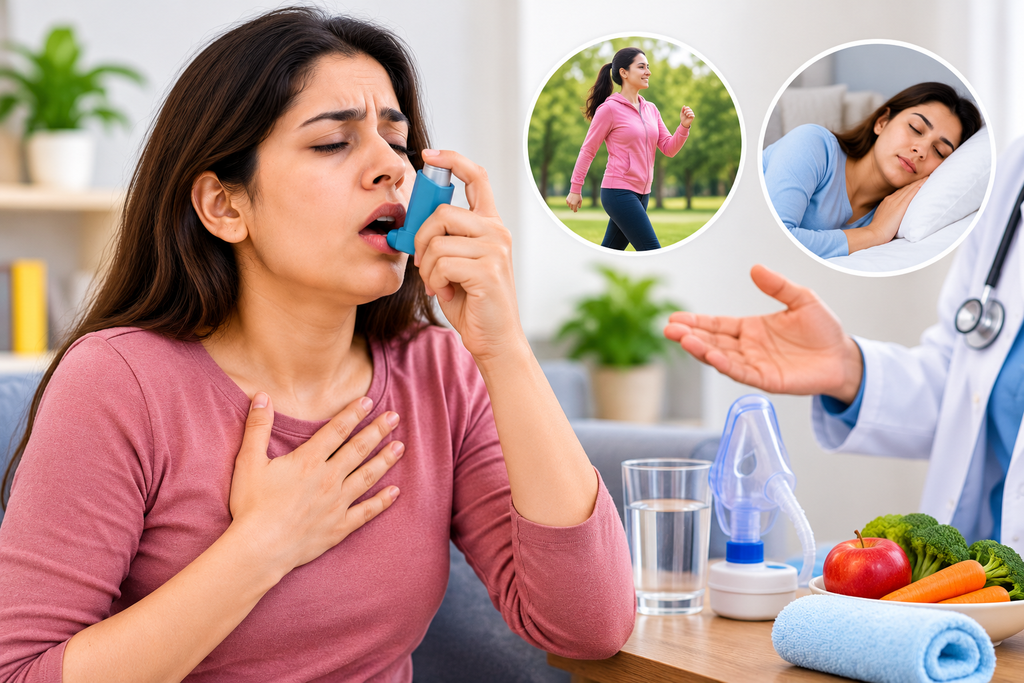
Treatment for Breathlessness
Treatment depends on the underlying cause. Options may include:
- Medicines: To treat the condition causing breathing difficulty.
- Inhalers: For certain lung conditions, such as asthma or COPD.
- Oxygen therapy: When medically needed because oxygen levels are low.
- Breathing exercises: To help manage breathing symptoms.
- Other treatments: Some conditions may require additional procedures or surgery.
Follow your doctor’s advice and do not change prescribed medicines yourself.
How to Manage Breathlessness
For mild symptoms, these techniques may help while you arrange medical advice:
- Sit upright and try to stay calm.
- Loosen tight clothing.
- Breathe slowly and gently.
- Try pursed-lip breathing if comfortable.
- Use your prescribed inhaler as directed.
- Avoid smoke, fumes and other breathing irritants.
These steps do not replace medical treatment. Get emergency help if breathing becomes severe or suddenly worse.
Can Breathlessness Be Prevented?
Not all causes can be prevented, but some habits may support better breathing:
- Avoid smoking and secondhand smoke.
- Maintain a healthy weight.
- Stay physically active according to your ability.
- Avoid fumes and air pollutants where possible.
- Follow your prescribed treatment plan.
- Learn to use your inhaler correctly if prescribed.
Frequently Asked Questions
1. What causes breathlessness?
Common causes include asthma, respiratory infections, heart conditions, anaemia, anxiety, excess weight and physical exertion.
2. Can anxiety cause shortness of breath?
Yes. Anxiety and panic attacks can cause breathing difficulty, sweating, dizziness and a fast heartbeat. Other medical causes should also be considered.
3. Why do I feel breathless when walking?
It may be related to low fitness, excess weight, anaemia or a heart or lung condition. Consult a doctor if it happens during normal activities.
4. Is breathlessness a sign of heart problems?
It can be. Heart failure, heart attack and abnormal heart rhythms may cause shortness of breath.
5. When should I see a doctor?
Seek medical advice if breathlessness is unexplained, persistent, worsening or occurs during normal activities or when lying down. Sudden or severe symptoms require emergency help.
Conclusion
Breathlessness may result from physical activity or an underlying health condition. Pay attention to your symptoms and seek medical advice if breathing difficulty is unexplained or getting worse. Never ignore sudden or severe breathing problems.
This article provides general health information and does not replace professional medical advice.