Cold sores are small, fluid-filled blisters that usually appear on or around the lips. They are caused by the herpes simplex virus (HSV), most commonly HSV-1. These sores may cause tingling, itching, burning and discomfort before they become visible.
Cold sores usually heal on their own within 10 days to two weeks. Although there is no permanent cure for the virus, treatments can help manage symptoms and may shorten an outbreak.
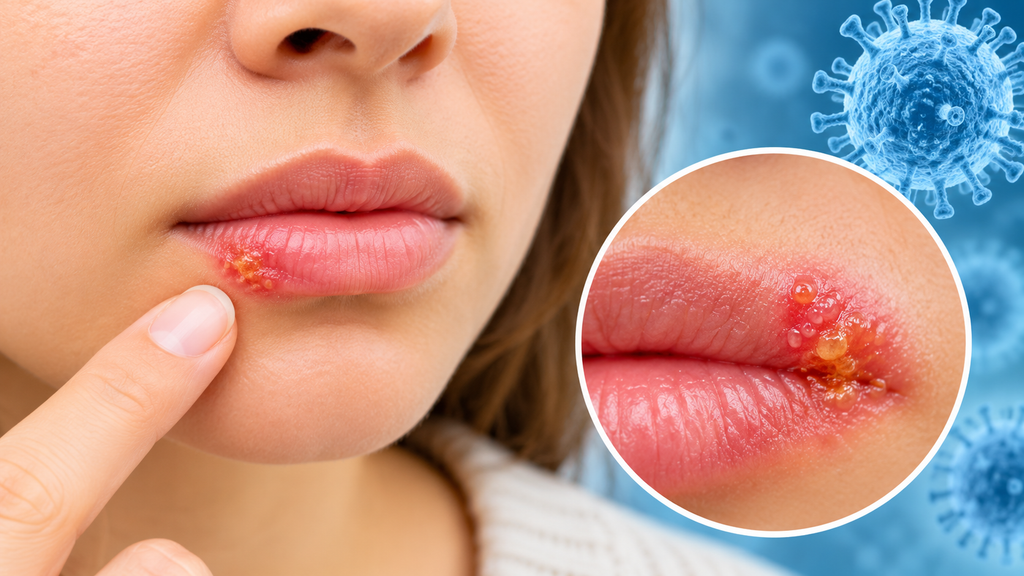
What Are Cold Sores?
Cold sores are small blisters that develop around the mouth, lips, nose or chin. They are also known as fever blisters. The infection is caused by the herpes simplex virus, which remains in the body after the first infection.
The virus can stay inactive in nerve cells and become active again later. This can cause repeated outbreaks, often in the same area.
What Causes Cold Sores?
The herpes simplex virus causes cold sores. There are two main types:
- HSV-1: The most common cause of oral cold sores.
- HSV-2: Usually associated with genital herpes but can also cause oral infections.
The virus spreads mainly through direct contact with an infected person’s saliva or cold sore. Kissing and sharing personal items, such as drinking glasses, cutlery or lip balm, can spread the infection.
Some people have no visible symptoms but can still pass the virus to others.
Cold Sore Symptoms
Cold sore symptoms may develop in stages. Common signs include:
- Tingling, itching or burning around the lips.
- Small, painful, fluid-filled blisters.
- Redness and tenderness around the affected area.
- Blisters that break open and release fluid.
- Crusting and scabbing as the sores heal.
Some people may experience pain or discomfort before the blisters appear.
A first infection can sometimes cause additional symptoms, such as fever, sore throat, swollen gums and sores inside the mouth. These symptoms are more common in children.
Cold Sore Stages
Cold sores generally develop through five stages:
- Tingling stage: The affected area may feel itchy, painful, burning or numb.
- Blister stage: Small, fluid-filled blisters appear around the lips.
- Weeping stage: The blisters break open and release fluid.
- Crusting stage: The affected area dries and forms a scab.
- Healing stage: The scab gradually falls away as the skin heals.
Avoid picking or breaking the blisters because this can increase the risk of infection and scarring.
How Long Do Cold Sores Last?
Most cold sores heal within 10 days. Some outbreaks may take up to two weeks to clear completely.
The healing time can vary from person to person. Cold sores are contagious from the early tingling stage until they have completely healed.
Common Cold Sore Triggers
The virus may become active again because of different triggers. Common triggers include:
- Emotional or physical stress.
- Feverish illnesses, such as flu or chest infections.
- Sunlight and exposure to windy conditions.
- Hormonal changes, including menstruation.
- Trauma or irritation around the mouth.
Identifying personal triggers may help reduce repeated outbreaks.
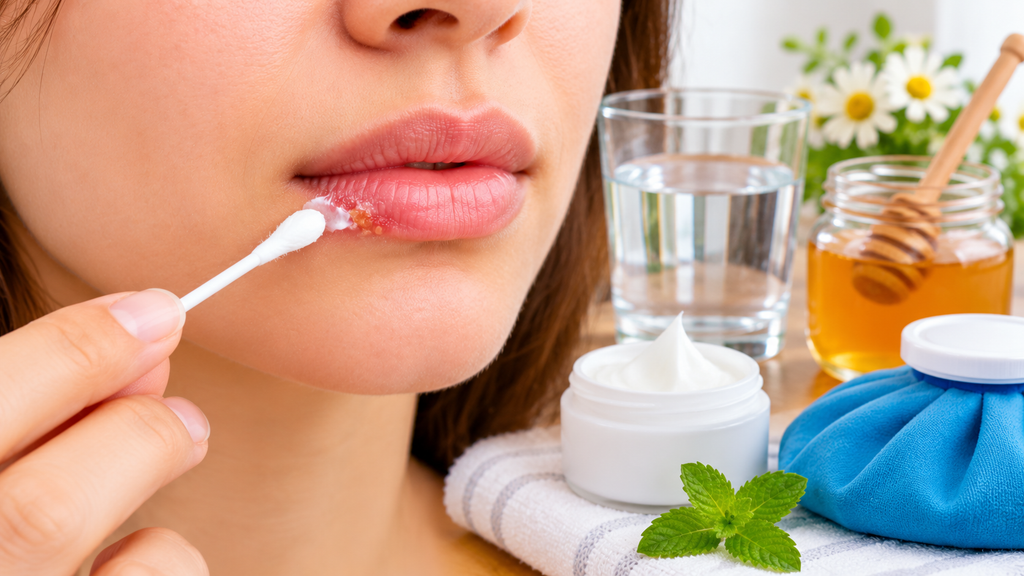
Cold Sore Treatment
Most cold sores heal without specific treatment. However, some medicines and simple care measures can help manage discomfort.
Antiviral Creams
Antiviral creams containing aciclovir may help shorten an outbreak. They work best when applied at the earliest signs, such as tingling or itching.
Some antiviral creams may be less effective after blisters have appeared.
Antiviral Tablets
A healthcare professional may prescribe antiviral medicines such as aciclovir or famciclovir. These medicines can help shorten the duration of an outbreak.
They may be particularly useful when cold sores are severe, frequent or painful.
Pain Relief
Simple painkillers, such as paracetamol or ibuprofen, may help relieve discomfort. A pharmacist may also recommend creams or patches to reduce pain and irritation.
Home Care for Cold Sores
Simple care can help make cold sores more comfortable while they heal.
- Apply a soothing cream if recommended by a pharmacist.
- Use ice to soothe the affected area.
- Drink enough fluids.
- Avoid picking, squeezing or scratching the blisters.
- Wash your hands after touching the affected area.
- Dab cream gently instead of rubbing it into the skin.
- Avoid acidic or salty foods if they make the sores more painful.
These steps help manage discomfort but do not remove the virus from the body.
How to Prevent Cold Sores from Spreading
Cold sores can spread to other people and other parts of the body. Follow these precautions during an outbreak:
- Avoid kissing until the sores have completely healed.
- Do not have oral sex while a cold sore is present.
- Avoid sharing cups, cutlery, towels, toothbrushes and lip balm.
- Wash your hands after touching the affected area.
- Avoid touching your eyes after contact with a cold sore.
- Avoid close contact with newborn babies while you have a cold sore.
If sunlight triggers outbreaks, use sun protection on your lips and face.
When Should You See a Doctor?
Contact a healthcare professional if:
- A cold sore does not begin healing after 10 days.
- The sore is unusually large or very painful.
- You are unsure whether the skin problem is a cold sore.
- You have painful, swollen gums or sores inside your mouth.
- You have a weakened immune system.
- You develop a painful red eye after contact with a cold sore.
A cold sore infection can affect the eye and may damage vision if it causes a corneal ulcer. Seek immediate medical attention for a painful red eye.
Cold Sores in Babies and Children
Cold sores require special care around newborn babies. The herpes simplex virus can cause a serious infection in newborns.
Avoid kissing newborns or having close contact with them when you have a cold sore. If a newborn has been exposed to a cold sore or develops blisters, contact a healthcare professional immediately.
Children with a first infection may also develop fever, mouth sores and difficulty eating or drinking.
Frequently Asked Questions
Are cold sores contagious?
Yes. Cold sores can spread through direct contact with an infected person’s saliva or blisters. The infection can spread even when visible symptoms are absent.
Can cold sores go away on their own?
Yes. Most cold sores heal without specific treatment, usually within 10 days to two weeks.
Can cold sores be cured permanently?
There is currently no permanent cure for the herpes simplex virus. It remains in the body and may reactivate, causing further outbreaks.
What is the best time to treat a cold sore?
Treatment is generally most effective when started at the earliest signs, such as tingling, itching or burning.
Can cold sores spread to other parts of the body?
Yes. The virus can spread through contact with an infected area. Wash your hands after touching a cold sore and avoid touching your eyes.
Conclusion
Cold sores are common viral infections that usually appear around the lips and mouth. They are most often caused by HSV-1 and can return when the virus becomes active again. Most outbreaks heal within 10 days to two weeks. Early treatment, good hygiene and avoiding personal triggers can help manage symptoms and reduce the risk of spreading the infection.
Medical Disclaimer:
The information provided in this article is for general educational purposes only and should not be considered medical advice. Always consult a qualified healthcare professional for proper diagnosis and treatment.