Cancer treatment is changing as doctors learn more about the genetic changes that help tumors grow. Instead of choosing treatment based only on the location or type of cancer, healthcare teams can use information about a tumor’s genetic profile to guide treatment decisions. This approach is known as precision oncology.
Next-generation sequencing in cancer (NGS) is one of the tools used in precision oncology. It examines genetic material from a tumor to identify changes that may be involved in cancer growth. These findings can help doctors identify possible treatment options, including targeted therapies.
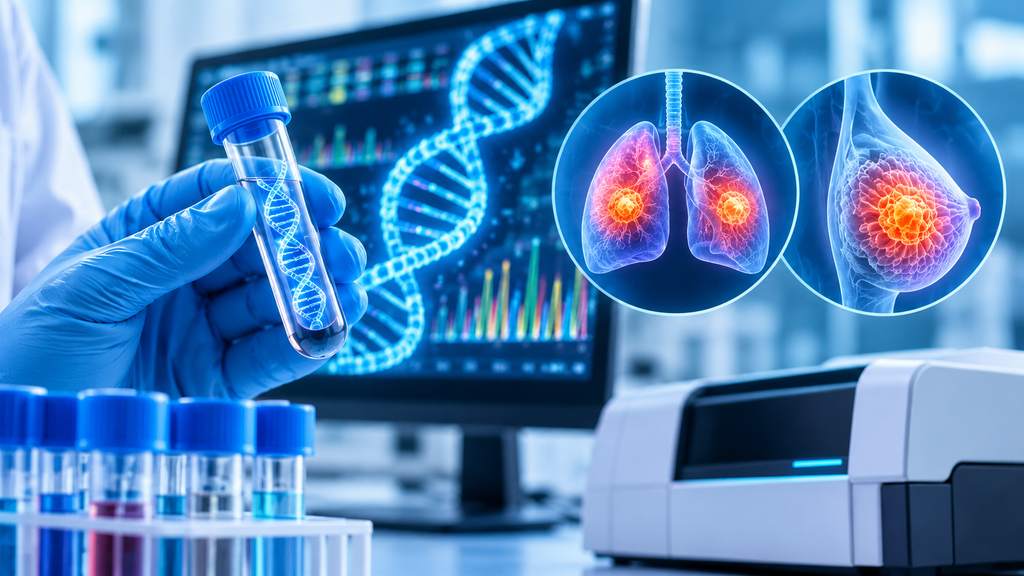
NGS has an important role in the care of some people with breast cancer and non-small cell lung cancer (NSCLC). Both cancers can contain genetic changes that influence how the disease develops and responds to treatment.

What Is Next-Generation Sequencing?
Next-generation sequencing is a laboratory method used to examine many genetic changes at the same time. In cancer care, it can help identify mutations, gene fusions, and other alterations in tumor DNA.
Some genetic changes affect the signals that control how cells grow and divide. When these signals become abnormal, they can contribute to cancer development. Identifying these changes can help doctors understand the biology of a tumor and consider treatments designed to target particular pathways.
NGS does not mean that every patient will have an identifiable target or a suitable targeted medicine. Its value depends on the genetic findings, the cancer type, and the patient’s clinical situation.
How Precision Oncology Uses NGS
Precision oncology uses information about a person’s cancer to support treatment decisions. NGS can provide details about genetic changes that may help explain tumor growth or identify potential treatment options.
For example, two people with the same general type of cancer may have different genetic changes in their tumors. Their treatment options may therefore differ.
In lung and breast cancer, NGS can help identify alterations involving genes such as EGFR, ALK, ROS1, KRAS, HER2, PIK3CA, and BRCA1/2. These genes are associated with different cancer pathways and treatment approaches.
The test result is one part of treatment planning. Doctors consider it alongside the cancer type and other relevant clinical information before recommending a treatment.
Role of NGS in Non-Small Cell Lung Cancer
Non-small cell lung cancer is a major area of precision oncology. Some NSCLC tumors contain genetic alterations that can be targeted with specific medicines.
NGS can help identify several of these changes, including EGFR mutations, ALK and ROS1 gene fusions, and KRAS G12C mutations. It can also detect other alterations that may be relevant to treatment decisions.
EGFR Mutations and Targeted Treatment
The epidermal growth factor receptor (EGFR) is involved in signals that regulate cell growth. Certain EGFR mutations can cause abnormal signaling and contribute to the development of NSCLC.
Osimertinib is a third-generation EGFR inhibitor used in certain patients with EGFR-mutated NSCLC. It blocks abnormal EGFR signaling. The medicine can also reach the central nervous system, which is relevant when considering lung cancer that may involve the brain.
Identifying an EGFR mutation can help doctors determine whether an EGFR-targeted treatment may be an appropriate option.
ALK and ROS1 Gene Fusions
ALK and ROS1 gene fusions are genetic alterations found in some cases of NSCLC. These changes can produce abnormal proteins that contribute to cancer growth.
Targeted medicines are available for certain tumors with these alterations. Examples include:
- Alectinib and Lorlatinib: Medicines used to target ALK-positive lung cancer.
- Entrectinib: A targeted medicine used for certain cancers with ROS1 gene fusions.
These treatments act on the abnormal signaling associated with the relevant gene alteration. NGS can help identify whether a tumor carries one of these changes.
KRAS G12C Mutations
KRAS is a gene involved in cell signaling. A specific alteration known as KRAS G12C can contribute to abnormal cell growth in some lung cancers.
Sotorasib and Adagrasib are medicines developed to target KRAS G12C. They bind to the altered KRAS protein and help keep it in an inactive state.
Finding this mutation through molecular testing can help doctors consider whether a KRAS G12C-targeted medicine is suitable for a patient.
Other Genetic Changes in Lung Cancer
NGS can also identify other genetic alterations in NSCLC. These include:
- BRAF V600E mutations
- MET exon 14 skipping alterations
- RET gene fusions
- HER2 mutations
Identifying these changes can provide additional information about a tumor. The findings may help doctors assess available treatment options based on the specific alteration.
Role of NGS in Breast Cancer
Breast cancer is not a single disease with the same characteristics in every patient. Treatment decisions can depend on hormone receptor status, HER2 protein expression, and genetic changes found in the tumor.
NGS can help identify certain mutations that influence cancer-related pathways. This information may support decisions about targeted treatments for eligible patients.
HER2 and Targeted Treatment
HER2 is a protein involved in cell growth. Some breast cancers have increased HER2 expression, which can contribute to tumor growth.
Several medicines target HER2 in breast cancer. These include:
- Trastuzumab: An antibody that targets HER2 and blocks its signaling.
- Pertuzumab: Another antibody that targets HER2 and is used in certain treatment settings.
- Trastuzumab deruxtecan (Enhertu): An antibody-drug conjugate that binds to HER2 and delivers a chemotherapy drug to cancer cells.
HER2-low breast cancer is also relevant to treatment discussions involving trastuzumab deruxtecan. Treatment suitability depends on the patient’s cancer characteristics and clinical circumstances.
PIK3CA, AKT, and PTEN Pathway Changes
The PI3K/AKT pathway helps regulate cell growth and survival. Changes involving PIK3CA, AKT, or PTEN can affect this pathway and contribute to cancer development.
These alterations may also be involved in resistance to hormone-based treatment in some breast cancers.
Two medicines associated with this pathway are:
- Alpelisib: A PI3K inhibitor used for certain breast cancers with PIK3CA mutations.
- Capivasertib: An AKT inhibitor used in selected cases involving qualifying pathway alterations.
Testing for relevant genetic changes can help doctors assess whether these medicines may be appropriate treatment options.
BRCA1 and BRCA2 Mutations
BRCA1 and BRCA2 are genes involved in DNA repair. Changes in these genes can affect the ability of cells to repair damaged DNA.
BRCA mutations may be inherited or acquired in tumor cells. Identifying these changes can provide useful information for treatment planning.
PARP inhibitors are one treatment approach associated with certain BRCA-related cancers. Examples include:
- Olaparib
- Talazoparib
These medicines block PARP, a protein involved in DNA repair. Their use can take advantage of weaknesses in the DNA repair process in certain cancer cells.
ESR1 Mutations and Hormone Therapy
ESR1 is the gene that provides instructions for making the estrogen receptor. Some breast cancers rely on estrogen-related signals to grow.
ESR1 mutations can develop during treatment and may contribute to resistance to aromatase inhibitors. Testing for these mutations can help doctors understand changes in the tumor.
A liquid biopsy can be used to look for ESR1 mutations in circulating tumor DNA. Elacestrant is a selective estrogen receptor degrader (SERD) that targets the estrogen receptor and may be considered for eligible patients with relevant disease characteristics.
Tissue Biopsy and Liquid Biopsy in NGS
NGS can use different types of samples. Two approaches used in cancer testing are tissue biopsy and liquid biopsy.
Tissue Biopsy
A tissue biopsy involves collecting a sample from the tumor. The laboratory can examine the tumor’s genetic material to identify relevant alterations.
This approach provides a sample of the cancer tissue for molecular testing. The results may help doctors understand the tumor’s genetic profile and consider targeted treatment options.
Liquid Biopsy
A liquid biopsy uses a blood sample to look for circulating tumor DNA (ctDNA). This DNA can be released into the bloodstream by tumor cells.
Liquid biopsy may be useful when collecting a tumor tissue sample is difficult or not possible. It can also help doctors monitor genetic changes in cancer over time.
Tissue and liquid biopsies provide different types of samples. The choice of test depends on the clinical situation and the information doctors need.
Why NGS Matters in Breast and Lung Cancer
NGS helps doctors look beyond the general cancer diagnosis and examine genetic changes that may influence treatment decisions.
In NSCLC, testing can identify alterations such as EGFR mutations, ALK and ROS1 fusions, and KRAS G12C mutations. In breast cancer, it can help identify changes involving PIK3CA, BRCA1/2, and ESR1, as well as provide information relevant to other targeted treatment decisions.
This information can help connect certain patients with treatments designed to act on specific cancer-related pathways.
However, NGS does not guarantee that a targeted treatment will be available or effective. Not every tumor has an identifiable target, and not every genetic alteration has an established treatment option. Doctors must interpret test results in the context of the patient’s cancer and overall clinical condition.
Conclusion
Next-generation sequencing is an important tool in precision oncology. By examining genetic changes in tumors, it can help doctors understand aspects of breast and non-small cell lung cancer that may influence treatment choices.
In lung cancer, NGS can identify alterations involving EGFR, ALK, ROS1, and KRAS. In breast cancer, it can provide information about HER2-related treatment, PIK3CA and AKT pathway changes, BRCA mutations, and ESR1 mutations.
Tissue and liquid biopsies offer different ways to obtain genetic information. When used appropriately, these tests can support more informed treatment planning and help doctors consider targeted therapies for patients whose tumors have relevant genetic alterations.