Viral Infections: Types, Symptoms, Causes & Treatment
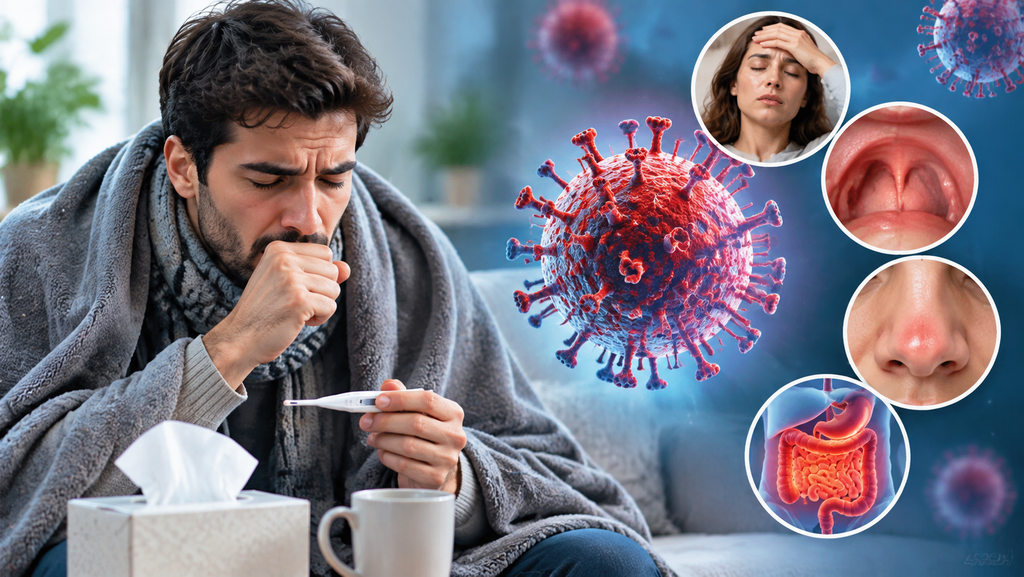
Viral infections are illnesses caused by viruses. They occur when viruses enter the body and use healthy cells to make more copies of themselves. These infections can affect different parts of the body, including the respiratory system, digestive system, skin, and nervous system. Some viral infections cause mild symptoms, while others can lead to serious health problems. Understanding their causes, symptoms, treatment, and prevention can help people protect their health. What Are Viral Infections? A viral infection happens when a virus enters the body and multiplies inside its cells. Viruses cannot reproduce on their own. They need living host cells to make new copies. Common examples include the common cold, influenza (flu), COVID-19, chickenpox, and measles. Some viral infections go away without special treatment, while others may require antiviral medicines or medical care. Types of Viral Infections Viruses can affect different organs and systems. Common types include: Common Symptoms of Viral Infections Symptoms depend on the virus and the part of the body affected. Common signs include: Not everyone with a viral infection develops a fever. Some people may have mild symptoms or no noticeable symptoms. Causes and How Viral Infections Spread Viral infections occur when viruses enter the body and begin multiplying. Different viruses spread in different ways, including: How Are Viral Infections Diagnosed? A healthcare professional may diagnose a viral infection by asking about symptoms, medical history, and possible exposure to infected people. Depending on the suspected infection, testing may include: Not every viral infection requires laboratory testing. The healthcare professional decides which tests are needed. Viral Infection vs. Bacterial Infection Viral and bacterial infections are caused by different microorganisms and may need different treatments. Viral infections Bacterial infections Symptoms can overlap, so a healthcare professional may need to perform tests to identify the cause. Treatment for Viral Infections Treatment depends on the virus, symptoms, and severity of the illness. Many common viral infections improve with supportive care. Treatment may include: Antiviral medicines work against particular viruses. They are not suitable for every viral infection, and a healthcare professional can advise whether they are needed. Do Antibiotics Work Against Viral Infections? No. Antibiotics treat certain bacterial infections, not viral infections. Taking antibiotics for a viral illness will not cure it. Unnecessary antibiotic use can also contribute to antibiotic resistance. If a person develops new or worsening symptoms, a healthcare professional should assess whether another infection or complication is present. How to Prevent Viral Infections Good hygiene and preventive steps can reduce the risk of many viral infections. When Should You See a Doctor? Many viral infections cause mild symptoms, but some require medical attention. Seek medical advice if symptoms are severe, last longer than expected, or continue to get worse. Get urgent medical help for difficulty breathing, chest pain, confusion, severe dehydration, or other serious symptoms. Frequently Asked Questions What are the most common viral infections? Common viral infections include the common cold, flu, COVID-19, norovirus, chickenpox, and measles. Can viral infections go away on their own? Yes. Many viral infections improve as the immune system fights the virus. However, some infections need specific treatment or medical monitoring. Can you have a viral infection without a fever? Yes. Some people with viral infections do not develop a fever. Symptoms vary depending on the virus and the person. Do antibiotics treat viral infections? No. Antibiotics work against certain bacteria, not viruses. Some viral infections may be treated with specific antiviral medicines. How can viral infections be prevented? Handwashing, vaccination, good respiratory hygiene, safer sex, and avoiding contact with infected people can help prevent many viral infections. Conclusion Viral infections are caused by viruses that multiply inside the body’s cells. They can affect the respiratory system, digestive system, skin, liver, and other organs. Symptoms range from mild to severe, depending on the infection. Rest, fluids, and symptom relief help manage many common viral illnesses, while specific antiviral medicines are available for certain infections. Good hygiene, vaccination, and other preventive steps can reduce the risk of infection.