Tuberculosis (TB): Symptoms, Causes, Types, and Treatment
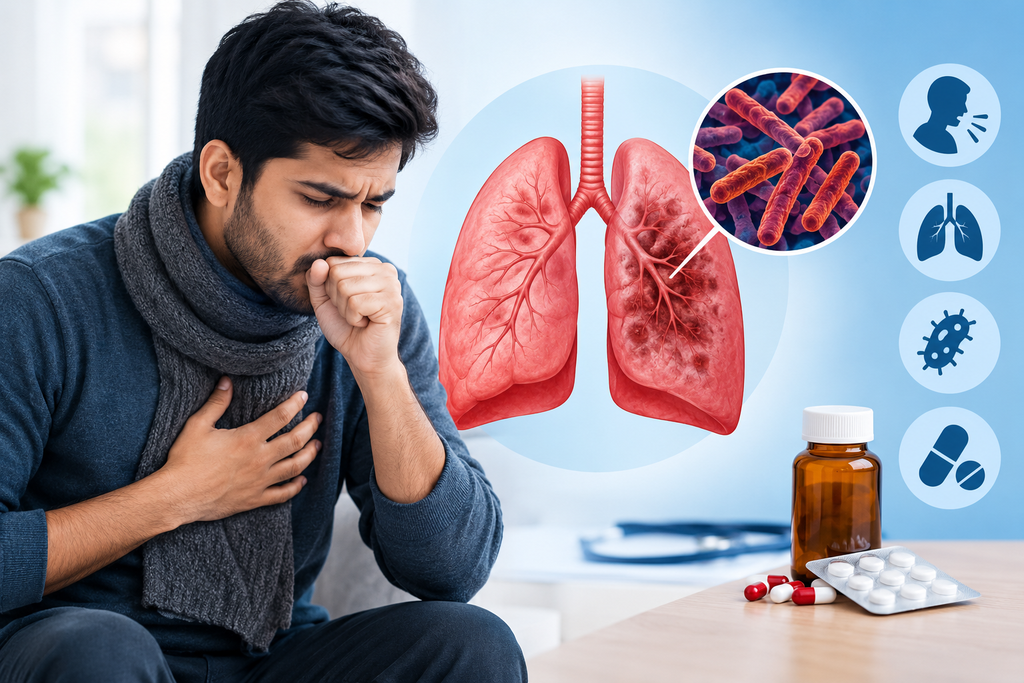
Tuberculosis (TB) is a bacterial infection caused by Mycobacterium tuberculosis. It mainly affects the lungs but can also affect the brain, kidneys, and spine. TB spreads through the air when a person with infectious TB coughs, sneezes, or speaks. Some people have latent TB infection, which causes no symptoms and cannot spread to others. Others develop active TB disease, which can cause illness and requires medical treatment. What Is Tuberculosis? Tuberculosis is an infectious disease caused by TB bacteria. The immune system can sometimes keep these bacteria inactive. This is called latent TB infection. When the bacteria become active and multiply, a person develops active TB disease. Without proper treatment, active TB can cause serious health problems. What Are the Main Types of Tuberculosis? TB is commonly described as latent infection or active disease. Other terms explain where the infection occurs or how it responds to medicines. 1. Latent TB Infection Latent TB occurs when bacteria remain inactive in the body. People with latent TB: Latent TB can become active later. A doctor may recommend treatment to lower this risk. 2. Active TB Disease Active TB develops when bacteria multiply and cause illness. Symptoms may include coughing, fever, chest pain, night sweats, and weight loss. Active TB affecting the lungs or throat may spread to others. 3. Pulmonary TB Pulmonary TB affects the lungs. It can cause a long-lasting cough, chest pain, fever, and coughing up blood or sputum. Infectious pulmonary TB can spread through the air. 4. Extrapulmonary TB Extrapulmonary TB affects areas outside the lungs, such as the brain, kidneys, and spine. Symptoms depend on the organ involved. 5. Drug-Resistant TB Drug-resistant TB occurs when bacteria do not respond to certain TB medicines. It can be harder to treat and requires medical care. Stopping treatment early or taking medicines incorrectly can contribute to drug resistance. These terms describe different aspects of TB. Pulmonary TB refers to the location of infection, while drug-resistant TB describes how bacteria respond to medicines. What Are the Common Symptoms of Tuberculosis? Latent TB does not cause symptoms of active disease. Active TB, especially in the lungs, may cause: TB affecting other organs can cause different symptoms. The signs depend on which part of the body is infected. What Causes Tuberculosis? Tuberculosis is caused by Mycobacterium tuberculosis. Infection occurs when TB bacteria enter the body. The immune system may control the bacteria and keep them inactive, or they may become active and cause disease. Having TB bacteria in the body does not always mean a person has active TB. Medical tests help determine the type of infection. How Does Tuberculosis Spread? TB spreads through the air. A person with infectious TB can release bacteria by coughing, sneezing, or speaking. Other people may become infected by breathing in these bacteria. Latent TB does not spread to others. Not everyone with TB disease is infectious, so a healthcare professional should assess the condition and advise on precautions. How Is Tuberculosis Diagnosed? Doctors use medical history, examination, and different tests to diagnose TB. TB Skin Test (Mantoux Test) The Mantoux test checks the body’s response to TB bacteria. A healthcare professional places a small amount of testing liquid under the skin of the forearm. The person returns for the result to be checked. A positive result suggests TB infection but does not confirm active disease. TB Blood Test (IGRA) An IGRA blood test measures how the immune system responds to TB bacteria. Like the skin test, it can detect infection but cannot confirm active TB on its own. Chest X-Ray and Sputum Test A chest X-ray can show lung changes that may be linked to TB. A sputum test examines mucus from the lungs to help identify TB bacteria. Doctors may use these results together to determine whether someone has latent TB infection or active disease. How Is Tuberculosis Treated? Tuberculosis is treated with antibiotic medicines. Treatment depends on the type of TB and whether the bacteria are resistant to medicines. Common medicines for active TB include: Active TB usually requires a combination of medicines for several months. Latent TB also has treatment options that can reduce the risk of developing active disease. Why Should You Complete TB Treatment? Completing treatment is important. Stopping medicines too early or taking them incorrectly may allow bacteria to survive and contribute to drug resistance. Take medicines as prescribed and attend medical appointments. If you experience side effects or other problems, contact your healthcare professional before making changes to your treatment. Is Tuberculosis Curable? Yes. Tuberculosis can usually be cured with the correct medicines. However, treatment depends on the type of infection and whether the bacteria are drug-resistant. Following the prescribed treatment plan is important for recovery. When Should You See a Doctor? You should also contact a healthcare professional if you have been exposed to someone with active TB or received a positive TB test. Frequently Asked Questions About Tuberculosis 1. What is the main cause of tuberculosis? TB is caused by Mycobacterium tuberculosis, a bacterium that usually affects the lungs but can also affect other organs. 2. Is tuberculosis contagious? Infectious active TB can spread through the air when a person coughs, sneezes, or speaks. Latent TB is not contagious. 3. Which type of TB is more serious? Active TB can cause illness and damage the body. Drug-resistant TB can be especially difficult to treat because some medicines may not work against the bacteria. 4. Can TB affect organs other than the lungs? Yes. TB can affect the brain, kidneys, spine, and other parts of the body. This is called extrapulmonary TB. 5. Is TB 100% curable? TB can usually be cured with appropriate treatment, but the outcome depends on the infection and the response to medicines. Drug-resistant TB may require a different treatment plan. 6. How long does TB treatment take? Treatment duration depends on the type of TB and the medicines prescribed. Active TB treatment may take several months or longer. Patients should complete the full