Pneumonia: Symptoms, Causes, Types and Treatment
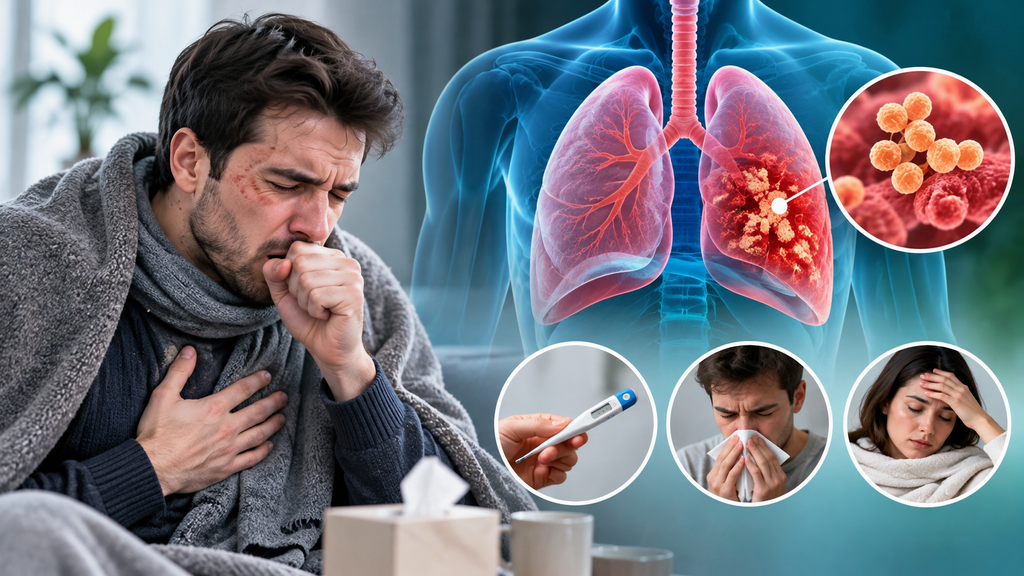
Pneumonia is a lung infection that causes inflammation in the air sacs, known as alveoli. These air sacs may fill with fluid or pus, making breathing difficult. Pneumonia can affect one or both lungs and may range from mild to serious. Understanding pneumonia symptoms, causes, and treatment can help people recognize the condition and seek medical care at the right time. What Are the Main Symptoms of Pneumonia? Pneumonia symptoms can vary depending on the cause, age and general health of the affected person. Common symptoms include: Some people may experience symptoms that develop gradually, while others become unwell more quickly. Babies and older adults may show different signs, so unusual breathing or changes in behavior should not be ignored. What Causes Pneumonia? Pneumonia usually develops when germs infect the lungs. The main causes include: Bacteria: Bacterial pneumonia can develop from organisms such as Streptococcus pneumoniae. Antibiotics are commonly used to treat bacterial pneumonia. Viruses: Influenza, respiratory syncytial virus (RSV) and COVID-19 can cause viral pneumonia. Treatment depends on the virus and the severity of the illness. Fungi: Fungal pneumonia is less common and can affect people who have certain health conditions or weakened immune systems. Pneumonia can also develop after food, liquid, saliva or vomit enters the airways and reaches the lungs. This is known as aspiration pneumonia. What Are the Types of Pneumonia? Pneumonia can be classified by the germ causing it or where the infection develops. The type of pneumonia helps healthcare professionals decide which treatment may be appropriate. Is Pneumonia Contagious? Pneumonia itself is not always contagious. However, some bacteria and viruses that cause it can spread between people through respiratory droplets. Fungal infections that cause pneumonia generally do not spread from person to person. The contagious period depends on the germ responsible, so there is no single timeframe that applies to every case. Who Is at Risk of Pneumonia? Anyone can develop pneumonia, but certain people have a higher risk of serious illness. These include: How Is Pneumonia Diagnosed? A healthcare professional usually reviews symptoms and medical history and listens to the lungs with a stethoscope. Additional tests may be needed to confirm pneumonia or identify its cause. These tests can include: Sometimes, doctors cannot identify the exact germ responsible for the infection. How Is Pneumonia Treated? Pneumonia treatment depends on its cause, severity and the patient’s health. Bacterial pneumonia: Doctors usually prescribe antibiotics. Patients should take the medicine as directed and complete the prescribed course. Viral pneumonia: Treatment may include rest, fluids and symptom management. Antiviral medicines may help with certain viral infections. Fungal pneumonia: Doctors may prescribe antifungal medicines. People with severe pneumonia may need hospital treatment. This can include oxygen, antibiotics or other medicines through an IV, fluids and breathing support. Home Care and Recovery People recovering from pneumonia may need rest and time to regain their strength. Helpful care measures include: Coughing helps clear the lungs, so suppressing it without medical advice may not be appropriate. Recovery time varies. Many people improve within two to four weeks, but tiredness and coughing can continue for longer. People with severe pneumonia or other health conditions may need more recovery time. When Should You Seek Medical Help? Contact a healthcare professional if you have a persistent cough, fever, chest pain or shortness of breath. Seek emergency medical help if you experience: Early medical assessment is important because pneumonia can become serious, particularly in older adults, young children and people with existing health conditions. Can Pneumonia Be Prevented? You cannot prevent every case of pneumonia, but certain steps can reduce the risk: Vaccines can protect against some germs that cause pneumonia, although they do not prevent every type. Frequently Asked Questions Can pneumonia go away on its own? Some cases of viral pneumonia may improve without specific antiviral treatment. However, medical assessment is important to identify the cause and decide whether treatment is needed. Is pneumonia dangerous? Pneumonia can be mild or serious. It may cause complications such as fluid around the lungs, bloodstream infection or respiratory failure. Can pneumonia affect both lungs? Yes. Pneumonia can affect one lung or both lungs. How long does pneumonia take to heal? Many people recover within two to four weeks, but recovery depends on the infection, its severity and the person’s overall health. What is the difference between bacterial and viral pneumonia? Bacterial pneumonia is caused by bacteria and usually requires antibiotics. Viral pneumonia is caused by viruses and may need supportive care or specific antiviral medicines. Conclusion Pneumonia is a lung infection that can cause coughing, fever, chest pain and breathing difficulties. Its treatment depends on whether bacteria, viruses or fungi caused the infection. Recognizing symptoms, getting medical advice and following the recommended treatment can support recovery and help prevent complications. This article provides general health information and does not replace advice from a qualified healthcare professional.
Respiratory Tract Infections: Types & Symptoms
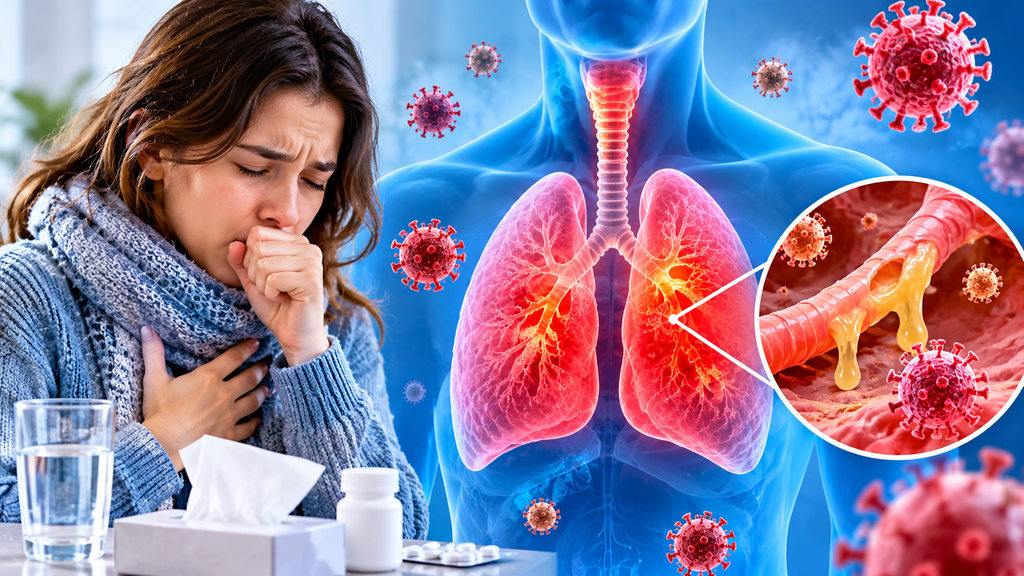
Respiratory tract infections (RTIs) affect the nose, throat, airways, and lungs. They can cause a runny nose, sore throat, cough, and fever. Some infections are mild, while others can lead to serious breathing problems. RTIs are mainly caused by viruses and bacteria. The common cold, flu, bronchitis, and pneumonia are common examples. Knowing their symptoms and treatment can help you understand when to seek medical care. What Are Respiratory Tract Infections? Respiratory tract infections are infections that affect the breathing system. They are divided into two main types: Upper infections are often mild. Lower infections may be more serious. Types of Upper Respiratory Tract Infections 1. Common Cold The common cold is a viral infection, often caused by rhinoviruses. It can cause sneezing, a runny nose, sore throat, and cough. 2. Influenza (Flu) The flu is a viral infection that can affect the upper and lower respiratory tract. Common symptoms include fever, chills, body aches, cough, and tiredness. 3. Sinusitis Sinusitis is inflammation of the sinuses. It may cause a blocked nose, headache, facial pressure, and thick nasal mucus. It is not always caused by bacteria. 4. Pharyngitis Pharyngitis means inflammation of the throat. It causes a sore or painful throat. Viruses are a common cause, but bacteria can also cause it. 5. Laryngitis Laryngitis affects the voice box. It can cause a hoarse voice, throat discomfort, and sometimes loss of voice. 6. Croup Croup mainly affects young children. It causes swelling around the upper airways. A barking cough and noisy breathing are common signs. Types of Lower Respiratory Tract Infections 1. Bronchitis Bronchitis is inflammation of the airways that carry air to the lungs. It often causes a dry cough or a cough with mucus. Many cases are caused by viruses. 2. Bronchiolitis Bronchiolitis mainly affects babies and young children. It causes swelling in the small airways. RSV is a common cause. 3. Pneumonia Pneumonia is an infection of the air sacs in the lungs. It may be caused by viruses, bacteria, or fungi. Symptoms include cough, fever, chest pain, and difficulty breathing. 4. Tuberculosis (TB) Tuberculosis is a bacterial infection caused by Mycobacterium tuberculosis. It often affects the lungs and needs medical diagnosis and treatment. Causes of Respiratory Tract Infections RTIs are mainly caused by viruses and bacteria. A bacterial infection may sometimes develop after a viral infection. A doctor can decide if treatment is needed. Common Symptoms of RTIs Symptoms depend on the part of the respiratory system affected. Common signs include: Lower respiratory infections may also cause chest pain, wheezing, fast breathing, and shortness of breath. Difference Between a Cold and the Flu A cold often starts slowly and causes sneezing, a runny nose, and a sore throat. The flu can start suddenly. It often causes fever, chills, body aches, cough, and strong tiredness. Both are viral infections, but the flu can cause more serious illness in some people. How Do Respiratory Infections Spread? Many respiratory infections spread when an infected person coughs, sneezes, or talks. Germs can travel through the air or spread through close contact. Some viruses can also spread when a person touches a contaminated surface and then touches their eyes, nose, or mouth. TB spreads through the air from a person with infectious TB in the lungs or throat. Who Is at Higher Risk? Some people have a higher risk of serious illness from respiratory infections. These include: These groups should take extra care and seek medical advice if symptoms become serious. How Are Respiratory Infections Diagnosed? A doctor may ask about your symptoms and examine your breathing and chest. They may also check your temperature. Depending on your condition, tests may include a nose or throat swab, blood tests, or a chest X-ray. Not everyone needs these tests. Treatment for Respiratory Tract Infections Treatment depends on the cause and severity of the infection. Home Care Mild infections often improve with rest and simple care. Helpful steps include: Medicines Antibiotics treat some bacterial infections but do not work against viruses. Antiviral medicines may be used for influenza in some cases. Do not take antibiotics without medical advice. They are not needed for every respiratory infection. Respiratory Infections in Children and Older Adults Children may develop colds, flu, or bronchiolitis. Watch for breathing problems, unusual sleepiness, or signs that a child is not drinking enough. Older adults may also become seriously ill from respiratory infections. They should seek medical advice if they develop a worsening cough, fever, chest pain, or breathing difficulty. Possible Complications Most mild respiratory infections improve without serious problems. However, some infections can lead to complications, such as: How to Prevent Respiratory Tract Infections You can lower the spread of respiratory germs by following simple steps: When Should You See a Doctor? Contact a doctor if you have a high fever lasting more than three days, chest pain, wheezing, or a cough that keeps getting worse. Seek urgent medical help if you have severe shortness of breath, confusion, blue or grey lips, or cough up blood. Frequently Asked Questions 1. What are the most common respiratory tract infections? Common examples include the common cold, flu, sinusitis, bronchitis, bronchiolitis, and pneumonia. 2. What are the two main types of RTIs? They are upper respiratory tract infections and lower respiratory tract infections. 3. What causes respiratory tract infections? Viruses and bacteria are the main causes. Some types of pneumonia can also be caused by fungi. 4. Are respiratory infections contagious? Many respiratory infections can spread through the air or close contact with an infected person. 5. Can antibiotics treat RTIs? Antibiotics can treat some bacterial infections. They do not work against viral infections. 6. How can I prevent respiratory infections? Wash your hands, cover coughs and sneezes, improve ventilation, stay home when sick, and follow vaccine advice. Conclusion Respiratory tract infections affect the nose, throat, airways, and lungs. Common types include colds, flu, bronchitis, and pneumonia. Some are mild, while others need medical care. Knowing the symptoms and following simple prevention