Stroke: Symptoms, Causes, Types, Treatment, and Prevention
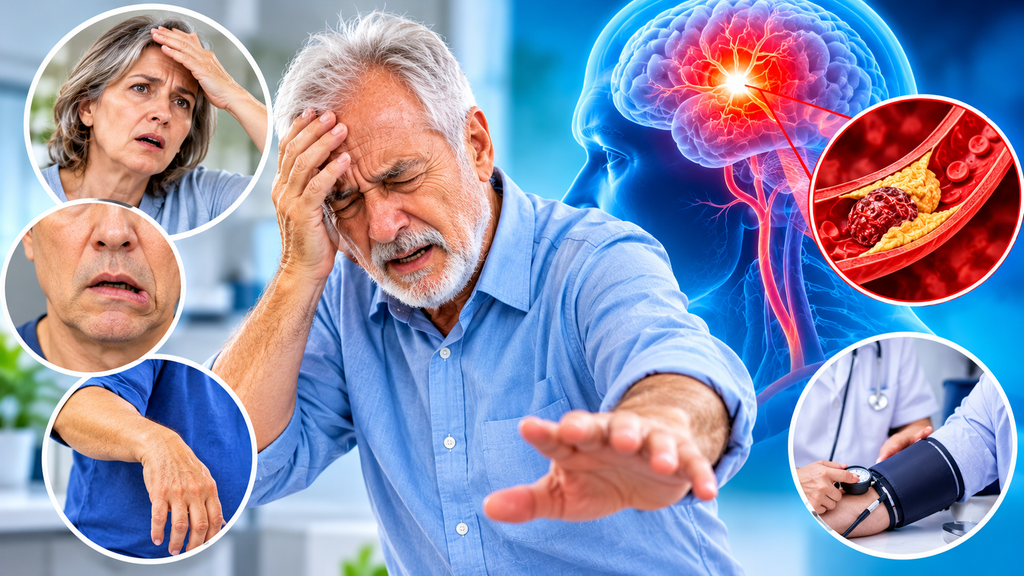
A stroke is a serious medical emergency that happens when blood flow to the brain is blocked or a blood vessel breaks and causes bleeding. Without enough oxygen, brain cells can become damaged or die. A stroke can affect movement, speech, vision, memory, and other body functions. Recognizing stroke symptoms early is important. Quick medical treatment can reduce brain damage and the risk of long-term problems. Understanding its warning signs, causes, types, and treatment can help people protect their health. What Is a Stroke? A stroke occurs when blood cannot reach part of the brain because of a blockage or bleeding. Brain cells need a steady supply of oxygen-rich blood to work properly. When this supply stops, the affected cells begin to suffer damage. The effects depend on which part of the brain is affected and how much damage occurs. Some people develop weakness on one side of the body, while others have difficulty speaking, walking, or seeing. A stroke requires immediate medical attention, even if symptoms disappear after a short time. What Are the Symptoms of a Stroke? Stroke symptoms often appear suddenly. The BE FAST method helps people remember common warning signs: Other possible symptoms include a sudden severe headache, confusion, dizziness, loss of coordination, and seizures. Not everyone experiences the same symptoms. Do not wait for all warning signs to appear before seeking emergency care. What Are the Different Types of Stroke? There are three main types of stroke, along with cryptogenic stroke, where the cause remains unknown. 1. Ischemic Stroke An ischemic stroke happens when a blood clot or blockage stops blood from reaching part of the brain. It is the most common type and accounts for about 85% of strokes. A clot may form in an artery or travel from another part of the body, including the heart. 2. Hemorrhagic Stroke A hemorrhagic stroke occurs when a blood vessel in or around the brain breaks and causes bleeding. The blood can put pressure on nearby brain tissue. High blood pressure and brain aneurysms are among the conditions associated with this type of stroke. 3. Transient Ischemic Attack (TIA) A transient ischemic attack, also called a mini-stroke, happens when blood flow to part of the brain is temporarily blocked. Its symptoms may look like those of a regular stroke but usually disappear after a short time. A TIA is a warning sign of possible future stroke. Anyone experiencing these symptoms needs urgent medical assessment. 4. Cryptogenic Stroke A cryptogenic stroke is a stroke for which doctors cannot identify a clear cause after investigation. What Causes a Stroke? The cause depends on the type of stroke. Common causes include: What Are the Risk Factors for Stroke? Several medical conditions and lifestyle habits can increase stroke risk. Medical risk factors: Lifestyle risk factors: Other risk factors: Having a risk factor does not mean a person will definitely have a stroke. However, managing these factors can help lower the risk. How Is a Stroke Diagnosed? Doctors use examinations and medical tests to identify a stroke and determine its type. Common methods include: Early diagnosis helps doctors choose the appropriate treatment. What Is the Treatment for Stroke? Treatment depends on the type of stroke, its severity, and how much time has passed since symptoms began. Ischemic Stroke Treatment Doctors may give eligible patients clot-dissolving medicines, such as alteplase or tenecteplase. These medicines are time-sensitive and require medical assessment and brain imaging. Some patients may need mechanical thrombectomy. During this procedure, doctors use a catheter to reach and remove a clot from a blocked blood vessel. Hemorrhagic Stroke Treatment Treatment focuses on controlling bleeding and reducing pressure on the brain. It may include blood pressure management, medicines, or surgery, depending on the patient’s condition. Stroke Rehabilitation After emergency treatment, rehabilitation may help people regain affected abilities. It can include physical therapy, occupational therapy, and speech therapy. Recovery needs differ from person to person. How Can You Prevent a Stroke? Not every stroke can be prevented, but managing risk factors can help reduce the chances of having one. Frequently Asked Questions About Stroke 1. What are the first warning signs of a stroke? Common signs include facial drooping, sudden arm or leg weakness, speech problems, vision changes, and loss of balance. 2. What are the main types of stroke? The main types are ischemic stroke, hemorrhagic stroke, and transient ischemic attack (TIA). 3. Can a person recover fully from a stroke? Some people recover many or all affected abilities, while others have lasting problems. Recovery depends on the severity of the stroke, treatment, and rehabilitation. 4. How is a stroke treated? Ischemic strokes may require clot-dissolving medicines or mechanical thrombectomy. Hemorrhagic strokes may require treatment to control bleeding and reduce pressure on the brain. 5. Can a stroke happen without warning? Yes. Stroke symptoms can begin suddenly. Some people experience a TIA before a major stroke, but this does not happen in every case. 6. Can a stroke be prevented? Not every stroke can be prevented. However, controlling blood pressure, diabetes, and cholesterol, avoiding smoking, and treating heart conditions can help lower the risk. Conclusion A stroke is a medical emergency caused by blocked blood flow or bleeding in the brain. Common warning signs include facial drooping, weakness, speech problems, vision changes, and loss of balance. Recognizing these symptoms and getting emergency medical help quickly is essential. Managing health conditions and making healthy lifestyle choices can also help reduce stroke risk. Never ignore possible stroke symptoms, even if they disappear.