30 Foods High in Sodium and What to Eat Instead

Many foods high in sodium are packaged, processed, or served in restaurants. Bread, processed meats, soups, sauces, and frozen meals can add sodium to your daily diet. Checking nutrition labels and choosing fresh ingredients can help you reduce your intake. What Is Sodium? Sodium is a mineral found naturally in some foods and added to others during processing or cooking. Table salt contains sodium and chloride. The US Food and Drug Administration (FDA) recommends that adults consume less than 2,300 milligrams of sodium per day. Too much sodium can contribute to high blood pressure, making it important to understand common dietary sources. 30 Foods High in Sodium Sodium levels vary by brand, recipe, serving size, and preparation. Check product labels before choosing an alternative. These foods do not all contain the same amount of sodium. The ingredients, preparation method, and serving size make a difference. Which Foods Contribute Most Sodium? Harvard Health identifies breads and rolls, cold cuts and cured meats, pizza, poultry products, soups, and sandwiches or hamburgers among major sodium contributors in the US diet. Sodium can add up across a meal. For example, bread, deli meat, cheese, and sauces may each contribute sodium to a sandwich. Foods That Naturally Contain Sodium Sodium occurs naturally in foods such as celery, spinach, Swiss chard, beets, meat, poultry, fish, seafood, milk, and eggs. However, the amount varies, and meat or seafood may contain added sodium if brined, smoked, or processed. Fruit is generally not a major source of sodium. Eating a variety of fruits, vegetables, and minimally processed foods can help support balanced food choices. How to Reduce Sodium Intake You do not need to avoid every food on this list. Try these practical steps: A product described as a healthier alternative is not automatically low in sodium. Always check the nutrition label. Frequently Asked Questions What food is highest in sodium? There is no single food that is always highest. Salt, some sauces, processed meats, and packaged foods can contain high amounts, depending on the product and serving size. Which drinks are high in sodium? Some packaged vegetable juices contain added sodium. Compare nutrition labels to find lower-sodium options. How can I get sodium naturally? Sodium occurs naturally in vegetables, milk, eggs, meat, poultry, and seafood. Most people do not need to seek extra sodium without a specific dietary reason. Is salt the same as sodium? No. Salt contains sodium and chloride. Nutrition labels list sodium separately. What should I eat instead of high-sodium foods? Choose fresh ingredients, compare packaged products, and use herbs and spices to add flavor. Conclusion Foods high in sodium include bread, processed meats, sauces, soups, and frozen meals. Their sodium content varies, so check nutrition labels and compare products. Cooking at home and choosing fresh ingredients more often can help you reduce sodium intake.
15 Most Common Diseases: Symptoms & Prevention
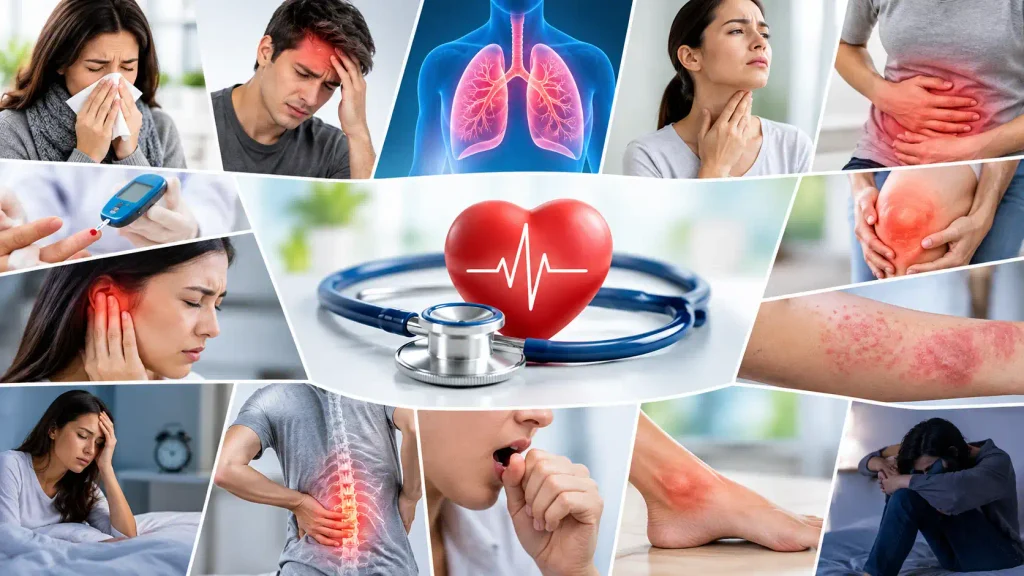
Most Common Diseases affect different parts of the body. Some are caused by viruses or bacteria, while others develop due to genetic factors, poor nutrition, or changes in body functions. Symptoms can range from mild discomfort to serious health problems. Learning about common diseases can help you understand their warning signs, risk factors, and prevention methods. This guide covers 15 common diseases, their symptoms, causes, and basic ways to protect your health. What Are Common Diseases? Most Common Diseases are illnesses that affect people of different ages. They may affect the lungs, heart, digestive system, skin, or other parts of the body. Diseases are often grouped into two main types: communicable and non-communicable diseases. Communicable diseases can spread from one person to another or through other routes, depending on the infection. Non-communicable diseases do not spread from person to person. Examples include high blood pressure, type 2 diabetes, and cardiovascular disease. Some diseases are short-term, while others may last for years and need long-term care. 15 Most Common Diseases and Their Symptoms 1. Common Cold The common cold is a viral infection that affects the upper respiratory tract. Symptoms include a runny nose, sneezing, sore throat, and cough. Washing your hands and avoiding close contact with sick people can help reduce the risk. 2. Influenza (Flu) Influenza is a viral respiratory infection. It may cause fever, body aches, tiredness, cough, and headaches. Recommended flu vaccination can help protect against certain strains. 3. High Blood Pressure High blood pressure occurs when blood pushes against artery walls with too much force over time. It often has no clear symptoms. Regular blood pressure checks help identify the condition and guide treatment. 4. Type 2 Diabetes Type 2 diabetes affects how the body uses blood sugar. Possible symptoms include increased thirst, frequent urination, and tiredness. Family history and other risk factors can increase the chance of developing it. 5. Cardiovascular Disease Cardiovascular disease affects the heart and blood vessels. Some forms can lead to heart attacks or strokes. Risk factors include high blood pressure, smoking, and high cholesterol. 6. Asthma Asthma affects the airways in the lungs. It can cause wheezing, coughing, chest tightness, and breathing problems. Treatment helps control symptoms and reduce flare-ups. 7. Allergic Rhinitis Allergic rhinitis occurs when the immune system reacts to allergens such as pollen or dust mites. Symptoms include sneezing, an itchy nose, and watery eyes. Avoiding known triggers may help. 8. Diarrheal Diseases Diarrhea causes frequent, loose stools. Some cases result from infections linked to contaminated food or water. Drinking safe water, washing your hands, and following food safety practices can reduce certain risks. 9. Tuberculosis (TB) Tuberculosis is a bacterial infection that usually affects the lungs. Symptoms may include a lasting cough, fever, night sweats, and weight loss. TB requires medical testing and appropriate treatment. 10. Malaria Malaria is caused by parasites spread through infected mosquitoes. Symptoms may include fever, chills, headaches, and tiredness. Early medical care is important because malaria can become serious. 11. Iron-Deficiency Anemia This condition develops when the body does not have enough iron to make healthy red blood cells. Symptoms may include tiredness, weakness, and shortness of breath. Treatment depends on the cause of the iron deficiency. 12. Tooth Decay Tooth decay damages the hard surface of the teeth. It may cause toothache, sensitivity, or visible holes. Brushing with fluoride toothpaste, limiting sugary foods, and visiting a dentist can help prevent it. 13. Arthritis Arthritis refers to conditions that affect the joints. Common symptoms include joint pain, stiffness, and swelling. Treatment depends on the type of arthritis and may help improve movement and daily comfort. 14. Depression Depression is a mental health condition that can affect mood, sleep, energy, and daily activities. Symptoms may include ongoing sadness, loss of interest, and difficulty concentrating. Professional support and suitable treatment can help. 15. HIV/AIDS HIV is a virus that attacks the immune system. Without effective treatment, advanced HIV infection can lead to AIDS. HIV can be managed with antiretroviral treatment, which helps protect immune function. What Causes Common Diseases? The causes of Most Common Diseases vary. Several factors may increase health risks: These factors do not affect everyone in the same way. Some Most Common Diseases develop even when a person follows healthy habits. How Can You Prevent Common Diseases? Not every disease can be prevented, but simple steps can lower the risk of certain illnesses. When Should You Seek Medical Advice? Seek medical advice if symptoms persist, become worse, or interfere with daily activities. A healthcare professional may review your symptoms, medical history, and risk factors before recommending tests or treatment. Chest pain, severe difficulty breathing, sudden weakness, or confusion may require emergency medical attention. Treatment depends on the disease. Antibiotics treat certain bacterial infections but do not work against viruses. Long-term conditions may need regular monitoring, prescribed medicines, and ongoing health care. Frequently Asked Questions What are the most common diseases? Common health conditions include colds, influenza, high blood pressure, type 2 diabetes, asthma, tooth decay, and arthritis. How common each disease is depends on the population and location. What is the difference between communicable and non-communicable diseases? Communicable diseases can spread through specific routes, depending on the infection. Non-communicable diseases do not spread from person to person. Can common diseases be prevented? Some diseases can be prevented or their risks reduced through hygiene, vaccination, balanced nutrition, physical activity, and suitable health checks. However, prevention is not always possible. Why are regular health checks important? Health checks can help detect certain conditions before symptoms appear. The right tests depend on age, medical history, and individual risk factors. Conclusion The 15 most common diseases discussed in this guide affect different parts of the body. Their causes, symptoms, and treatments vary. Good hygiene, recommended vaccines, balanced nutrition, physical activity, and regular health checks can help reduce the risk of some illnesses. Seek advice from a qualified healthcare professional when symptoms persist or cause concern. Medical Disclaimer: This article is for general educational
Non-Infectious Diseases: Types, Causes & Prevention
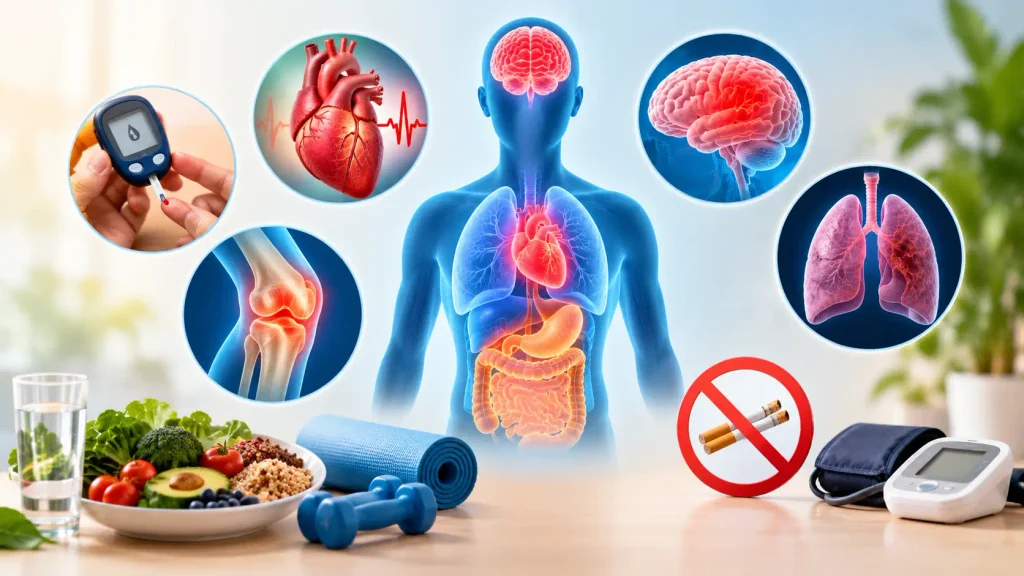
Non-infectious diseases are health conditions that do not normally spread from one person to another. They are also called noncommunicable diseases (NCDs) or chronic diseases. Many of these conditions last a long time and may need ongoing care. NCDs can develop because of a combination of genetic, physiological, environmental, and behavioural factors. Common examples include heart disease, stroke, cancer, chronic respiratory diseases, and diabetes. These conditions are an important public health concern. They affect people in every region and can reduce quality of life. Some can also lead to premature deaths when risk factors are not addressed or when care is delayed. What Are Non-Infectious Diseases? Non-infectious diseases are conditions that are not caused by infectious pathogens and do not normally pass from person to person. The term noncommunicable disease is often used for chronic conditions that last for a long time. The four main NCD groups are: These groups include many different health conditions. For example, cardiovascular diseases include heart attacks and strokes, while chronic respiratory diseases include asthma and chronic obstructive pulmonary disease (COPD). Main Types of Non-Infectious Diseases Cardiovascular Diseases Cardiovascular diseases affect the heart and blood vessels. They include coronary heart disease, heart attacks, and strokes. Several factors can increase the risk of cardiovascular disease. These include tobacco use, physical inactivity, unhealthy diets, high blood pressure, high blood glucose, high cholesterol, overweight or obesity, harmful use of alcohol, and air pollution. Cancer Cancer is a group of diseases involving abnormal cell growth. There are many different types of cancer, and each type can affect a different part of the body. Risk factors vary by type of cancer. Tobacco use, alcohol use, unhealthy diets, physical inactivity, and air pollution are among the factors linked with cancer and other NCDs. Chronic Respiratory Diseases Chronic respiratory diseases affect the airways and lungs. Asthma and COPD are common examples. Tobacco smoke and air pollution are important risk factors. Some people may also face risks from workplace or environmental exposures. Diabetes Diabetes is a chronic condition that affects how the body handles blood glucose. It is one of the four main groups of NCDs. There are different types of diabetes. Type 2 diabetes is one of the most common forms. Physical inactivity and unhealthy diets can contribute to risk factors linked with diabetes and other NCDs. Causes and Risk Factors There is usually no single cause behind an NCD. Several factors, including genetics, behaviour, physical conditions, and the environment, can influence risk. Behavioural Risk Factors WHO identifies four major behavioural risk factors for NCDs: These behaviours can contribute to changes in the body, including high blood pressure, increased blood glucose, overweight or obesity, and abnormal blood lipids. Poor nutrition can be an important part of this picture. An unhealthy diet can contribute to several metabolic risk factors linked with NCDs. Metabolic Risk Factors Some physical changes are also important risk factors. They include: High blood pressure is a major risk factor for cardiovascular disease and other health problems. Many people with hypertension do not notice symptoms, so regular blood pressure checks can be important. Environmental Risk Factors The environment can also affect NCD risk. Air pollution is an important environmental risk factor. Other exposures, including some chemicals, radiation, and workplace hazards, may also affect health. Prevention and Control NCD prevention focuses on reducing risk factors that can be changed. Important steps include: These measures are part of wider prevention and control efforts. Public health programs also play an important role by supporting healthier environments and improving access to healthcare. Prevention does not mean every chronic illness can be avoided. Some risk factors cannot be changed. Genetics, age, and other biological factors can also influence a person’s risk. Diagnosis and Management Early detection, screening, and treatment are important parts of NCD care. The type of testing depends on the condition. Management also varies. Some people may need medicines, regular monitoring, lifestyle changes, or other medical care. The goal is to control the condition and reduce the risk of complications. For example, high blood pressure can often be detected through a simple blood pressure check. If it is not treated, it can increase the risk of heart disease, stroke, and kidney disease. People with symptoms, known risk factors, or an existing chronic condition should speak with a qualified healthcare professional for individual advice. How Do NCDs Affect Quality of Life? A chronic illness can affect daily life in different ways. The impact depends on the condition, its severity, and the care a person receives. Some people may need regular medical visits or long-term treatment. Others may need to make changes to their daily routine. Good management can help people live with chronic conditions while reducing health risks. Early detection and access to appropriate care are important parts of NCD management. Non-Infectious vs Communicable Diseases The main difference is how the conditions are caused and spread. Communicable diseases can be caused by infectious agents and may spread from person to person or through other routes. Non-infectious diseases do not normally spread between people. They are linked to a combination of genetic, physiological, environmental, and behavioural factors. This difference is important because the prevention approach is also different. Communicable diseases may require measures such as infection control, while NCD prevention focuses strongly on risk factors, early detection, treatment, and healthy environments. Frequently Asked Questions What are some examples of non-infectious diseases? Examples include heart disease, stroke, cancer, asthma, COPD, diabetes, coronary heart disease, hypertension, and other conditions within the major NCD groups. What are the four main NCDs? The four main groups are cardiovascular diseases, cancers, chronic respiratory diseases, and diabetes. What are the major risk factors for NCDs? Major behavioural risk factors include tobacco use, physical inactivity, unhealthy diet, and harmful use of alcohol. Air pollution is also an important environmental risk factor. Is high blood pressure a non-infectious disease? Yes. High blood pressure, also called hypertension, is a noncommunicable condition and an important metabolic risk factor for cardiovascular disease. Is Type 2