Food Poisoning: Symptoms, Causes, Treatment and Prevention
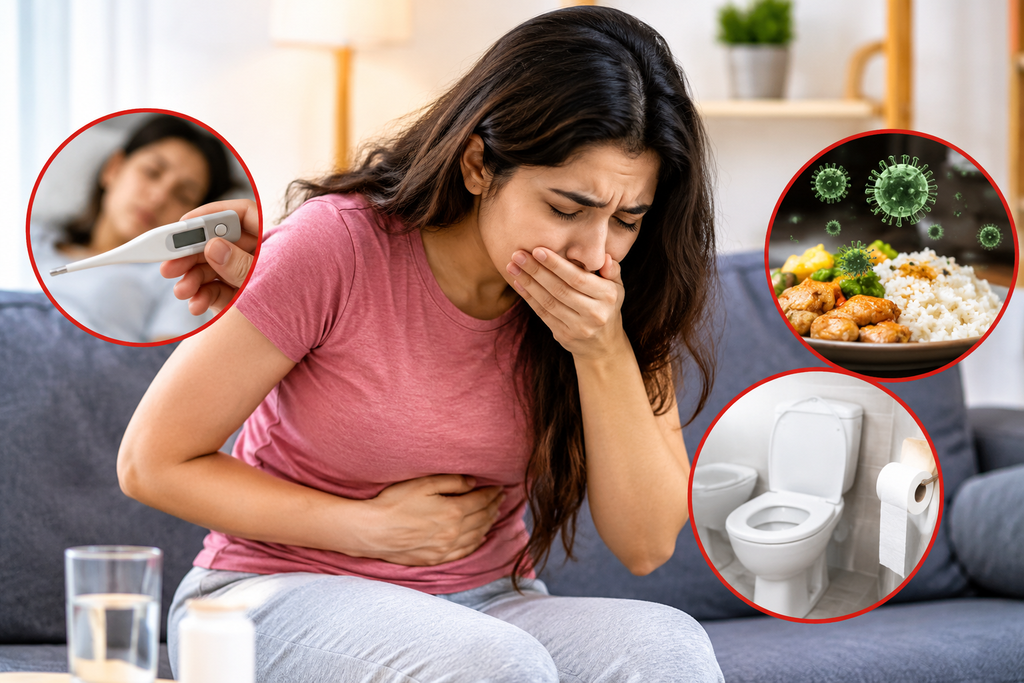
Food poisoning is an illness caused by eating or drinking food or water contaminated with harmful germs, toxins, or other substances. It can cause nausea, vomiting, diarrhea, stomach cramps, and fever. Many cases are mild and improve within a few days, but some infections can cause serious illness. Knowing the symptoms, causes, and treatment options can help you manage food poisoning and recognize when medical care is needed. What Is Food Poisoning? Food poisoning occurs when contaminated food or drinks enter the digestive system and make a person ill. Contamination can happen during food preparation, cooking, storage, or handling. The illness may begin within hours of eating contaminated food or take several days to develop. The timing and severity depend on the germ or toxin involved. Food Poisoning Symptoms Symptoms can vary depending on the cause. Common food poisoning symptoms include: Some people experience only mild symptoms, while others may become seriously ill. Vomiting and diarrhea can cause the body to lose fluids and electrolytes, increasing the risk of dehydration. How Soon After Food Poisoning Do You Vomit? Vomiting may begin within a few hours after eating contaminated food, but it does not happen at the same time in every case. Some infections take days to cause symptoms. The timing depends on the type of contamination. What Causes Food Poisoning? Food poisoning can result from bacteria, viruses, parasites, or toxins. Contamination may occur when food is not cooked properly, stored safely, or handled hygienically. Common causes include: Common Foodborne Infections Several germs can cause foodborne illness. Bacteria: Salmonella, E. coli, Campylobacter, Listeria, and Staphylococcus aureus are among the bacteria associated with food poisoning. Viruses: Norovirus can spread through contaminated food, water, surfaces, and close contact. Rotavirus is another cause of viral gastroenteritis. Parasites: Giardia and other parasites can spread through contaminated food or water. Some foods may also contain harmful toxins. These can come from certain bacteria, molds, seafood, or improperly canned foods. Is Food Poisoning Contagious? Food poisoning itself is not always contagious. However, some germs that cause it can spread from one person to another. For example, norovirus can spread through contaminated hands, surfaces, food, or close contact with an infected person. Who Is at Higher Risk? Food poisoning can affect anyone, but some people are more likely to develop serious complications. These include: These groups should seek medical advice promptly if they develop concerning symptoms. What Are the Possible Complications? Dehydration is one of the main complications of food poisoning. It occurs when vomiting and diarrhea cause the body to lose more fluids than it takes in. Signs of dehydration may include extreme thirst, dizziness, and very little urination. Severe dehydration may require medical treatment. Some foodborne infections can also lead to other serious health problems. The risk depends on the germ involved and the person’s overall health. How Is Food Poisoning Diagnosed? A healthcare professional may ask about your symptoms, recent meals, and when the illness started. They may also perform a physical examination. Most mild cases can be assessed based on symptoms and medical history. If the illness is severe or does not improve, a doctor may recommend stool or blood tests to help identify the cause. Food Poisoning Treatment and Remedies Treatment mainly focuses on preventing dehydration and supporting recovery. Many mild cases improve with rest and proper fluid intake. 1. Drink Enough Fluids Vomiting and diarrhea cause fluid loss. Drink water regularly, taking small sips if you feel nauseated. Oral rehydration solution (ORS) can help replace lost fluids and electrolytes. 2. Get Enough Rest Give your body time to recover. Rest and avoid activities that make you feel more tired while symptoms continue. 3. Return to Food Gradually You can start eating again as your appetite returns. Choose foods you can tolerate. Avoid heavy or spicy foods if they make your symptoms worse. 4. Use Medicines Only When Appropriate Not every case of food poisoning requires medicine. Antibiotics are useful only for certain bacterial infections and should be taken when prescribed by a healthcare professional. They do not treat viral infections. Some parasitic infections may require specific medication. Ask a healthcare professional before using medicines for diarrhea, especially if you have a fever or bloody diarrhea. When Should You See a Doctor? Seek medical advice if you experience: Children, older adults, pregnant people, and people with weakened immune systems should seek medical advice promptly if symptoms develop. How Can You Prevent Food Poisoning? Safe food handling can reduce the risk of food poisoning. Follow these precautions: These habits help reduce the chances of harmful germs entering your food. Frequently Asked Questions What Are the First Signs of Food Poisoning? The first signs commonly include nausea, vomiting, diarrhea, and stomach cramps. Some people may also develop a fever. How Long Does Food Poisoning Last? Many mild cases improve within a few days. However, some infections can last a week or longer, depending on the cause. What Is the Best Remedy for Food Poisoning? Replacing lost fluids is an important part of managing food poisoning. Water and ORS can help prevent dehydration. Rest and returning to food as appetite improves can also support recovery. Can Food Poisoning Be Serious? Yes. Although many cases are mild, some can cause severe dehydration or other complications. Seek medical care if you have serious symptoms or cannot keep fluids down. Conclusion Food poisoning can cause vomiting, diarrhea, stomach cramps, and other digestive symptoms. It often improves within a few days, but recovery depends on the cause and the person’s health. Drink enough fluids, get rest, and return to eating as your appetite improves. Seek medical advice if symptoms become severe, dehydration develops, or recovery does not progress.