Non-Infectious Diseases: Types, Causes & Prevention
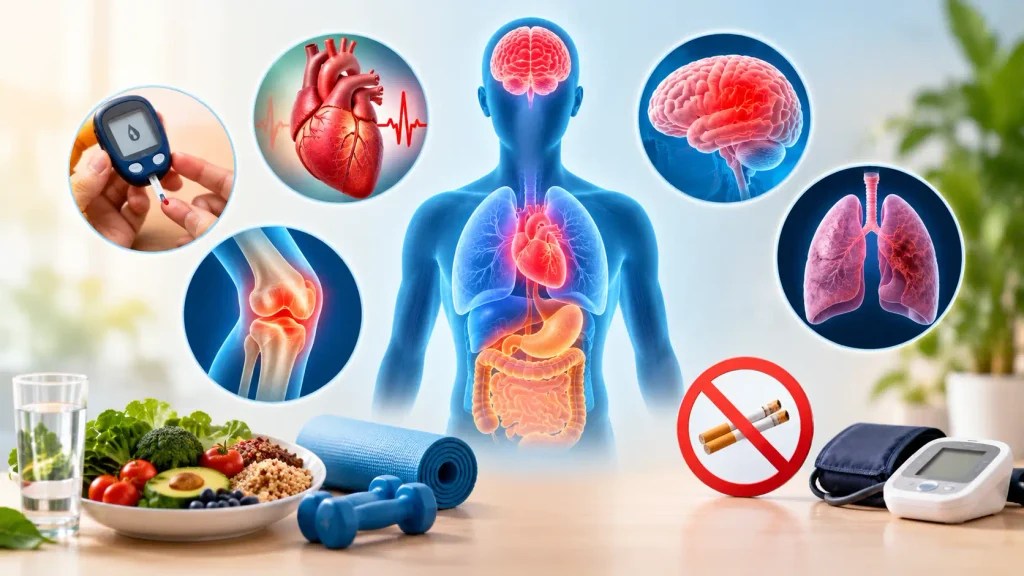
Non-infectious diseases are health conditions that do not normally spread from one person to another. They are also called Non-infectious diseases (NCDs) or chronic diseases. Many of these conditions last for long durations and may need ongoing care. NCDs can develop because of a combination of genetic, Physical, environmental, and Observable factors. Common examples include heart disease, stroke, cancer, chronic Breathing diseases, and diabetes. These conditions are an important public health concern. They affect people in every region and can reduce quality of life. Some can also lead to premature deaths when risk factors are not addressed or when care is delayed. What Are Non-Infectious Diseases? Non-infectious diseases are conditions that are not caused by infectious pathogens and do not normally pass from person to person. The term noncommunicable disease is often used for chronic conditions that last for a long time. The four main NCD groups are: These groups include many different health conditions. For example, cardiovascular diseases include heart attacks and strokes, while chronic Breathing diseases include asthma and chronic obstructive pulmonary disease (COPD). Main Types of Non-Infectious Diseases Cardiovascular Diseases Cardiovascular diseases affect the heart and blood vessels. They include coronary heart disease, heart attacks, and strokes. Several factors can increase the risk of cardiovascular disease. These include tobacco use, physical inactivity, unhealthy diets, high blood pressure, high blood glucose, high cholesterol, overweight or obesity, harmful use of alcohol, and air pollution. Cancer Cancer is a group of diseases involving abnormal cell growth. There are many different types of cancer, and each type can affect a different part of the body. Risk factors vary by type of cancer. Tobacco use, alcohol use, unhealthy diets, physical inactivity, and air pollution are among the factors linked with cancer and other NCDs. Chronic Respiratory Diseases Chronic respiratory diseases affect the airways and lungs. Asthma and COPD are common examples. Tobacco smoke and air pollution are important risk factors. Some people may also face risks from workplace or environmental exposures. Diabetes Diabetes is a chronic condition that affects how the body handles blood glucose. It is one of the four main groups of NCDs. There are different types of diabetes. Type 2 diabetes is one of the most common forms. Physical inactivity and unhealthy diets can contribute to risk factors linked with diabetes and other NCDs. Causes and Risk Factors There is usually no single cause behind an NCD. Several factors, including genetics, behaviour, physical conditions, and the environment, can influence risk. Behavioural Risk Factors WHO identifies four major behavioural risk factors for NCDs: These behaviours can contribute to changes in the body, including high blood pressure, increased blood glucose, overweight or obesity, and abnormal blood lipids. Poor nutrition can be an important part of this picture. An unhealthy diet can contribute to several metabolic risk factors linked with NCDs. Metabolic Risk Factors Some physical changes are also important risk factors. They include: High blood pressure is a major risk factor for cardiovascular disease and other health problems. Many people with hypertension do not notice symptoms, so regular blood pressure checks can be important. Environmental Risk Factors The environment can also affect NCD risk. Air pollution is an important environmental risk factor. Other exposures, including some chemicals, radiation, and workplace hazards, may also affect health. Prevention and Control NCD prevention focuses on reducing risk factors that can be changed. Important steps include: These measures are part of wider prevention and control efforts. Public health programs also play an important role by supporting healthier environments and improving access to healthcare. Prevention does not mean every chronic illness can be avoided. Some risk factors cannot be changed. Genetics, age, and other biological factors can also influence a person’s risk. Diagnosis and Management Early detection, screening, and treatment are important parts of NCD care. The type of testing depends on the condition. Management also varies. Some people may need medicines, regular monitoring, lifestyle changes, or other medical care. The goal is to control the condition and reduce the risk of complications. For example, high blood pressure can often be detected through a simple blood pressure check. If it is not treated, it can increase the risk of heart disease, stroke, and kidney disease. People with symptoms, known risk factors, or an existing chronic condition should speak with a qualified healthcare professional for individual advice. How Do NCDs Affect Quality of Life? A chronic illness can affect daily life in different ways. The impact depends on the condition, its severity, and the care a person receives. Some people may need regular medical visits or long-term treatment. Others may need to make changes to their daily routine. Good management can help people live with chronic conditions while reducing health risks. Early detection and access to appropriate care are important parts of NCD management. Non-Infectious vs Communicable Diseases The main difference is how the conditions are caused and spread. Communicable diseases can be caused by infectious agents and may spread from person to person or through other routes. Non-infectious diseases do not normally spread between people. They are linked to a combination of genetic, physiological, environmental, and behavioural factors. This difference is important because the prevention approach is also different. Communicable diseases may require measures such as infection control, while NCD prevention focuses strongly on risk factors, early detection, treatment, and healthy environments. Frequently Asked Questions What are 10 examples of non-infectious diseases? Examples include heart disease, stroke, cancer, asthma, COPD, diabetes, coronary heart disease, hypertension, and other conditions within the major NCD groups. What are the four main NCDs? The four main groups are cardiovascular diseases, cancers, chronic respiratory diseases, and diabetes. What are the major risk factors for NCDs? Major behavioural risk factors include tobacco use, physical inactivity, unhealthy diet, and harmful use of alcohol. Air pollution is also an important environmental risk factor. Is high blood pressure a non-infectious disease? Yes. High blood pressure, also called hypertension, is a noncommunicable condition and an important metabolic risk factor for cardiovascular disease. Is Type 2