Non-Infectious Diseases: Types, Causes, Examples, and Risk Factors
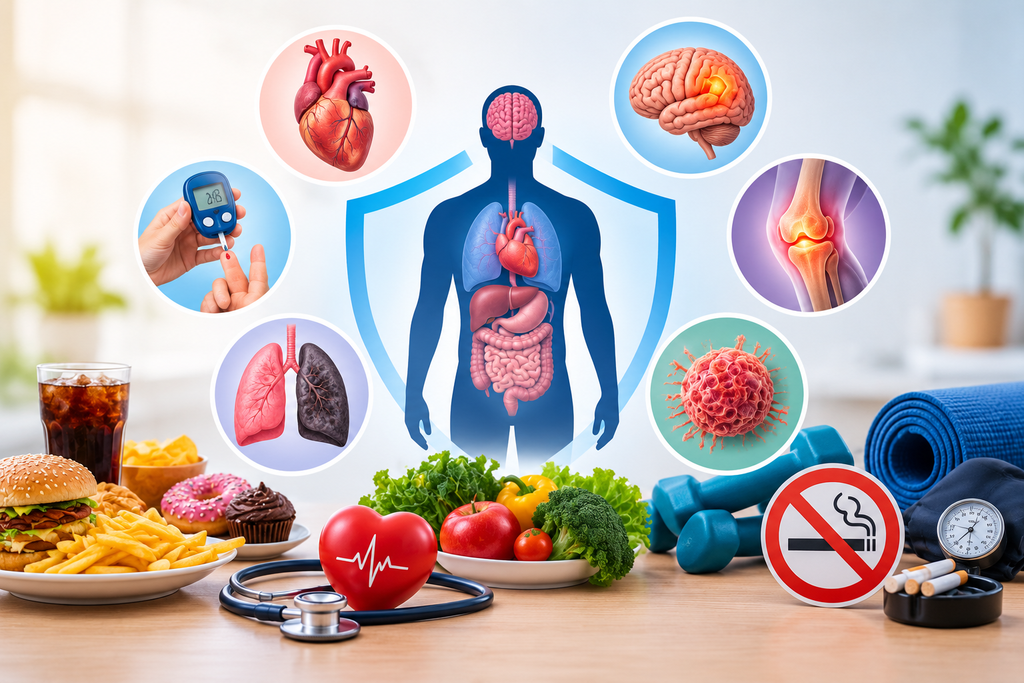
Non-infectious diseases are health conditions that do not spread directly from one person to another. They can develop because of genetic factors, lifestyle habits, environmental conditions, or changes in the body. Common examples include heart disease, cancer, diabetes, and lung diseases. These conditions can affect different parts of the body and may need long-term care. The World Health Organization (WHO) reports that non-communicable diseases account for about 74% of deaths worldwide. What Are Non-Infectious Diseases? Non-infectious diseases are conditions that are not passed directly between people. They are different from infectious diseases, which spread through germs such as bacteria, viruses, and fungi. These conditions may affect the heart, lungs, brain, blood vessels, and other organs. Some are linked to inherited genes, while others may develop because of lifestyle habits or environmental exposure. Examples include: Not all non-infectious diseases are chronic, although many need ongoing care. What Are the Main Types of Non-Infectious Diseases? The WHO identifies four major groups of non-communicable diseases: cardiovascular diseases, cancers, chronic respiratory diseases, and diabetes. Other examples include autoimmune diseases and inherited disorders. 1. Cardiovascular Diseases Cardiovascular diseases affect the heart and blood vessels. They can interfere with normal blood flow. Common examples include: Smoking, lack of exercise, an unhealthy diet, high blood pressure, and high cholesterol can increase the risk of these diseases. 2. Cancer Cancer is a group of diseases in which abnormal cells grow out of control. These cells can damage nearby tissues and sometimes spread to other parts of the body. Common types include lung, breast, colon, prostate, and skin cancer. Cancer can involve changes in genes. Tobacco use, certain chemicals, radiation, and inherited gene changes may also play a role. The causes differ depending on the type of cancer. 3. Chronic Respiratory Diseases These diseases affect the lungs and airways. They can make breathing difficult. Two common examples are: Tobacco smoke, air pollution, workplace dust, and harmful chemicals can increase the risk of respiratory diseases. 4. Diabetes Diabetes affects how the body controls blood sugar. The body uses insulin to help glucose enter cells and provide energy. The two main types are: 5. Autoimmune and Degenerative Diseases Autoimmune diseases happen when the immune system attacks healthy parts of the body by mistake. Degenerative diseases involve damage to cells, tissues, or organs over time. Examples include rheumatoid arthritis, lupus, Alzheimer’s disease, and Parkinson’s disease. These conditions affect the body in different ways and have different treatment needs. What Are the Causes of Non-Infectious Diseases? Several factors can contribute to these diseases. In many cases, more than one cause is involved. Genetic factors: Some conditions develop because of changes in genes passed from parents to children. For example, cystic fibrosis is an inherited condition caused by changes in the CFTR gene. Cell changes: Changes in normal cell activity can contribute to cancer. They can affect how cells grow and divide. Metabolic changes: Problems with blood sugar, blood pressure, or blood fats can affect health. These changes may increase the risk of heart disease and Type 2 diabetes. What Are the Risk Factors for Non-Infectious Diseases? Risk factors increase the chance of developing a disease. Some can be changed, while others cannot. Lifestyle Risk Factors Environmental and Other Risk Factors Other risk factors include air pollution, harmful chemicals, workplace dust, certain types of radiation, and radon exposure. Age, family history, inherited genes, and biological sex can also affect a person’s risk. What Are the Symptoms of Non-Infectious Diseases? Symptoms depend on the condition and the part of the body affected. Common signs may include: For example, diabetes may cause increased thirst and frequent urination. Asthma may cause coughing and wheezing. Some conditions, such as high blood pressure, may not cause clear symptoms. How Can Non-Infectious Diseases Be Prevented? Not every non-infectious disease can be prevented, especially inherited conditions. However, healthy habits may lower the risk of several diseases. How Are Non-Infectious Diseases Diagnosed and Treated? Doctors may use a medical history, physical examination, blood tests, imaging tests, or screening tests to identify a condition. Treatment depends on the disease. It may include medicines, changes in diet, physical activity, specialist care, or surgery. Some conditions need regular checkups and long-term treatment. Early diagnosis can help doctors choose suitable care. Frequently Asked Questions What Are 5 Non-Infectious Diseases? Five examples are heart disease, cancer, Type 2 diabetes, asthma, and cystic fibrosis. What Are 6 Risk Factors for Non-Communicable Diseases? Six risk factors include tobacco use, an unhealthy diet, physical inactivity, harmful alcohol use, air pollution, and older age. Family history and genetic factors can also increase risk. Are Non-Infectious Diseases Hereditary? Some are inherited, while others are linked to lifestyle or environmental factors. Having a family history does not mean a person will definitely develop the same disease. Can Non-Infectious Diseases Be Cured? Treatment depends on the condition. Some can be treated effectively, while others need long-term care and regular monitoring. Conclusion Non-infectious diseases include heart disease, cancer, diabetes, lung conditions, autoimmune diseases, and inherited disorders. Their causes may include genetic changes, lifestyle habits, and environmental factors. Not every condition can be prevented, but healthy eating, regular exercise, avoiding tobacco, and medical checkups can help lower the risk of several diseases. Understanding their causes and symptoms can help people make informed health decisions.