Zinc: 7 Benefits, Food Sources & Deficiency Signs
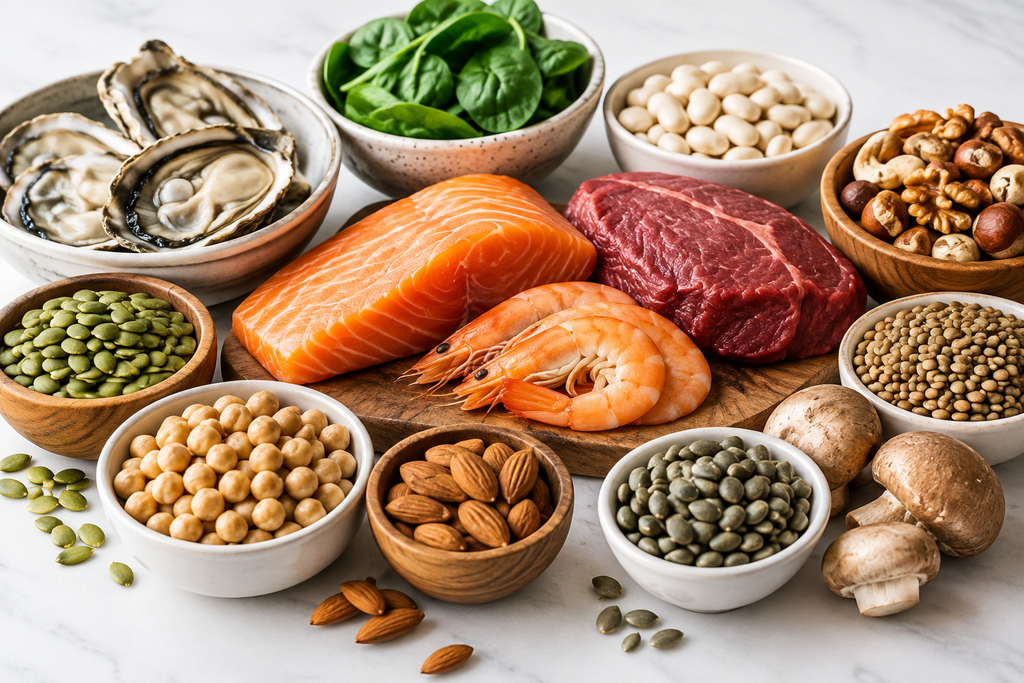
Zinc is an essential mineral that supports immune function, wound healing, growth, and normal cell activity. Your body needs zinc to produce proteins and DNA and maintain healthy tissues. Since the body does not produce zinc, you must get it from food or supplements when needed. Most people can meet their zinc needs through a balanced diet. However, certain health conditions and dietary patterns can increase the risk of deficiency. Understanding zinc benefits, food sources, and deficiency symptoms can help you maintain an adequate intake. What Is Zinc? Zinc is an essential trace mineral involved in many processes throughout the body. It supports the immune system, cell growth, protein production, DNA synthesis, and wound healing. It also contributes to normal taste and smell. Zinc is found in animal and plant foods, including seafood, meat, seeds, beans, and fortified cereals. The amount your body absorbs can vary depending on the food source and your overall diet. 7 Health Benefits of Zinc 1. Supports Immune Function Zinc helps the immune system work properly by supporting the development and activity of immune cells. Getting enough zinc is important for normal immune function, but taking extra zinc does not automatically improve immunity if your intake is already adequate. 2. Helps Wounds Heal Zinc supports cell growth, protein production, and tissue repair. These processes help the body repair damaged skin and other tissues. People with low zinc levels may experience slower wound healing, although wounds can heal slowly for many other reasons. 3. Supports Growth and Development The body needs zinc for normal growth, DNA synthesis, protein production, and cell division. Adequate intake is especially important during childhood, adolescence, and pregnancy, when nutritional needs may increase. 4. Maintains Taste and Smell Zinc contributes to normal taste and smell. A deficiency can affect these senses, but changes in taste or smell may also result from other health conditions. Persistent symptoms should be discussed with a healthcare professional. 5. Supports Reproductive Health Zinc plays a role in reproductive function, including sperm production and hormone production. However, zinc supplements are not a guaranteed treatment for infertility or hormone-related problems. Anyone experiencing these concerns should seek appropriate medical advice. 6. May Help With Certain Health Conditions Zinc has been studied for several health conditions, but its benefits depend on the condition and the evidence available. Research into zinc does not mean that supplements are an established treatment for every condition studied. 7. Supports Normal Cell Function Zinc contributes to DNA synthesis, protein production, and cell division. These processes help the body maintain tissues and carry out normal growth and repair. Getting enough zinc supports these functions, but taking more than you need does not necessarily provide additional benefits. Foods High in Zinc A varied diet can provide zinc from both animal and plant sources. Some useful options include: Poultry, beans, nuts, seafood, meat, dairy products, and fortified grains can also help you meet your daily needs. Plant foods may contain phytates, which reduce zinc absorption. Eating a variety of zinc-containing foods can help support adequate intake. How Much Zinc Do You Need Daily? Recommended zinc intake varies by age, sex, and life stage. According to the U.S. National Institutes of Health Office of Dietary Supplements, the recommended daily amounts for these groups are: These amounts refer to total daily intake from food and supplements. Individual needs may vary depending on health and other circumstances. Signs of Zinc Deficiency Zinc deficiency can affect different parts of the body. Possible signs include: These symptoms can have other causes and do not confirm a zinc deficiency by themselves. People at increased risk may include those with certain digestive disorders, problems absorbing nutrients, or diets that do not provide enough zinc. A healthcare professional can assess symptoms and determine whether testing or supplementation is appropriate. Should You Take Zinc Supplements? Most people can get enough zinc from a varied diet. Supplements may be useful when a deficiency is identified, or a healthcare professional recommends them. Check the amount of elemental zinc listed on a supplement label. Taking several products containing zinc can increase your total intake. Zinc can also interact with certain medicines, including some tetracycline and quinolone antibiotics. Ask a pharmacist or healthcare professional about possible interactions. Can You Take Too Much Zinc? Yes. Excessive zinc intake can cause nausea, vomiting, stomach discomfort, loss of appetite, and headaches. The tolerable upper intake level for adults is 40 mg per day from all sources, unless a healthcare professional recommends otherwise for a specific medical reason. This is a safety limit, not a daily target. Taking high doses over time can interfere with copper absorption and cause copper deficiency. Avoid long-term use of high-dose supplements without medical advice. Intranasal zinc products should also be avoided because they have been associated with loss of the sense of smell. Frequently Asked Questions What is zinc good for? Zinc supports immune function, wound healing, growth, cell activity, reproductive health, and normal taste and smell. Which food has the most zinc? Oysters are among the richest food sources. Beef, crab, pumpkin seeds, fortified cereals, oats, lentils, and Greek yogurt also provide zinc. What are the common signs of zinc deficiency? Possible signs include reduced appetite, hair loss, changes in taste or smell, skin problems, and slow wound healing. These symptoms may have other causes. Is it safe to take zinc every day? Daily zinc intake is necessary, but most people can get enough through food. Supplements may be appropriate in some cases, while excessive intake can cause side effects. Conclusion Zinc is an essential mineral that supports immunity, wound healing, growth, and normal cell function. Foods such as oysters, beef, crab, pumpkin seeds, oats, lentils, and fortified cereals can help meet daily zinc needs. Most people can obtain enough zinc through a varied diet. Supplements may help when intake is inadequate, or a deficiency is identified, but excessive amounts can be harmful. Consult a healthcare professional if you suspect a deficiency or are considering high-dose supplements.