15 Most Common Diseases: Symptoms & Prevention
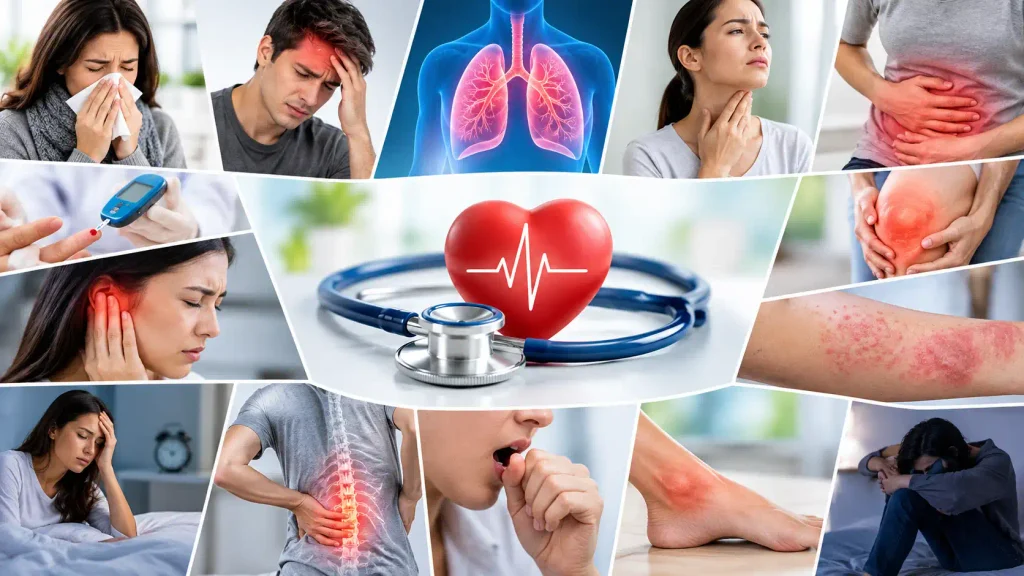
Most Common Diseases affect different parts of the body. Some are caused by viruses or bacteria, while others develop due to genetic factors, poor nutrition, or changes in body functions. Symptoms can range from mild discomfort to serious health problems. Learning about common diseases can help you understand their warning signs, risk factors, and prevention methods. This guide covers 15 common diseases, their symptoms, causes, and basic ways to protect your health. What Are Common Diseases? Most Common Diseases are illnesses that affect people of different ages. They may affect the lungs, heart, digestive system, skin, or other parts of the body. Diseases are often grouped into two main types: communicable and non-communicable diseases. Communicable diseases can spread from one person to another or through other routes, depending on the infection. Non-communicable diseases do not spread from person to person. Examples include high blood pressure, type 2 diabetes, and cardiovascular disease. Some diseases are short-term, while others may last for years and need long-term care. 15 Most Common Diseases and Their Symptoms 1. Common Cold The common cold is a viral infection that affects the upper respiratory tract. Symptoms include a runny nose, sneezing, sore throat, and cough. Washing your hands and avoiding close contact with sick people can help reduce the risk. 2. Influenza (Flu) Influenza is a viral respiratory infection. It may cause fever, body aches, tiredness, cough, and headaches. Recommended flu vaccination can help protect against certain strains. 3. High Blood Pressure High blood pressure occurs when blood pushes against artery walls with too much force over time. It often has no clear symptoms. Regular blood pressure checks help identify the condition and guide treatment. 4. Type 2 Diabetes Type 2 diabetes affects how the body uses blood sugar. Possible symptoms include increased thirst, frequent urination, and tiredness. Family history and other risk factors can increase the chance of developing it. 5. Cardiovascular Disease Cardiovascular disease affects the heart and blood vessels. Some forms can lead to heart attacks or strokes. Risk factors include high blood pressure, smoking, and high cholesterol. 6. Asthma Asthma affects the airways in the lungs. It can cause wheezing, coughing, chest tightness, and breathing problems. Treatment helps control symptoms and reduce flare-ups. 7. Allergic Rhinitis Allergic rhinitis occurs when the immune system reacts to allergens such as pollen or dust mites. Symptoms include sneezing, an itchy nose, and watery eyes. Avoiding known triggers may help. 8. Diarrheal Diseases Diarrhea causes frequent, loose stools. Some cases result from infections linked to contaminated food or water. Drinking safe water, washing your hands, and following food safety practices can reduce certain risks. 9. Tuberculosis (TB) Tuberculosis is a bacterial infection that usually affects the lungs. Symptoms may include a lasting cough, fever, night sweats, and weight loss. TB requires medical testing and appropriate treatment. 10. Malaria Malaria is caused by parasites spread through infected mosquitoes. Symptoms may include fever, chills, headaches, and tiredness. Early medical care is important because malaria can become serious. 11. Iron-Deficiency Anemia This condition develops when the body does not have enough iron to make healthy red blood cells. Symptoms may include tiredness, weakness, and shortness of breath. Treatment depends on the cause of the iron deficiency. 12. Tooth Decay Tooth decay damages the hard surface of the teeth. It may cause toothache, sensitivity, or visible holes. Brushing with fluoride toothpaste, limiting sugary foods, and visiting a dentist can help prevent it. 13. Arthritis Arthritis refers to conditions that affect the joints. Common symptoms include joint pain, stiffness, and swelling. Treatment depends on the type of arthritis and may help improve movement and daily comfort. 14. Depression Depression is a mental health condition that can affect mood, sleep, energy, and daily activities. Symptoms may include ongoing sadness, loss of interest, and difficulty concentrating. Professional support and suitable treatment can help. 15. HIV/AIDS HIV is a virus that attacks the immune system. Without effective treatment, advanced HIV infection can lead to AIDS. HIV can be managed with antiretroviral treatment, which helps protect immune function. What Causes Common Diseases? The causes of Most Common Diseases vary. Several factors may increase health risks: These factors do not affect everyone in the same way. Some Most Common Diseases develop even when a person follows healthy habits. How Can You Prevent Common Diseases? Not every disease can be prevented, but simple steps can lower the risk of certain illnesses. When Should You Seek Medical Advice? Seek medical advice if symptoms persist, become worse, or interfere with daily activities. A healthcare professional may review your symptoms, medical history, and risk factors before recommending tests or treatment. Chest pain, severe difficulty breathing, sudden weakness, or confusion may require emergency medical attention. Treatment depends on the disease. Antibiotics treat certain bacterial infections but do not work against viruses. Long-term conditions may need regular monitoring, prescribed medicines, and ongoing health care. Frequently Asked Questions What are the most common diseases? Common health conditions include colds, influenza, high blood pressure, type 2 diabetes, asthma, tooth decay, and arthritis. How common each disease is depends on the population and location. What is the difference between communicable and non-communicable diseases? Communicable diseases can spread through specific routes, depending on the infection. Non-communicable diseases do not spread from person to person. Can common diseases be prevented? Some diseases can be prevented or their risks reduced through hygiene, vaccination, balanced nutrition, physical activity, and suitable health checks. However, prevention is not always possible. Why are regular health checks important? Health checks can help detect certain conditions before symptoms appear. The right tests depend on age, medical history, and individual risk factors. Conclusion The 15 most common diseases discussed in this guide affect different parts of the body. Their causes, symptoms, and treatments vary. Good hygiene, recommended vaccines, balanced nutrition, physical activity, and regular health checks can help reduce the risk of some illnesses. Seek advice from a qualified healthcare professional when symptoms persist or cause concern. Medical Disclaimer: This article is for general educational
Common Diseases: 10 Key Types, Causes & Prevention
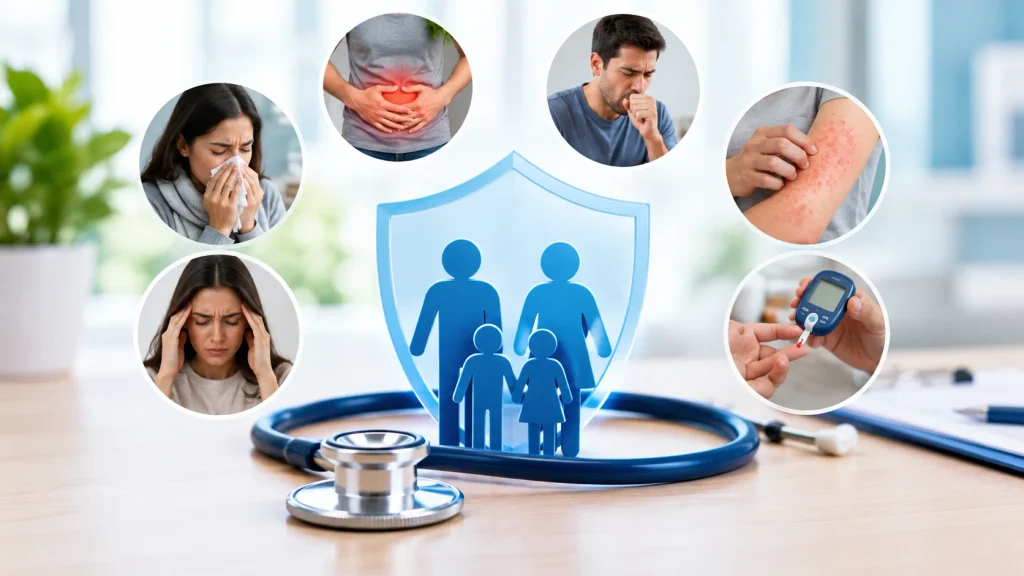
Common diseases affect people of all ages. They include infections, breathing problems, skin conditions, and chronic conditions. Some last a few days, while others need long-term care. These health problems can affect quality of life. Learning about common diseases helps people recognize symptoms and understand when to seek health care. However, only a healthcare professional can assess symptoms and recommend suitable tests or treatment. What Are Common Diseases? Common diseases are illnesses and health conditions that affect many people. Some are caused by viruses or bacteria, while others are linked to allergies, genetics, or lifestyle factors. Their symptoms and treatments depend on the condition. 10 Common Diseases and Their Symptoms 1. Common Cold The common cold is a viral infection that affects the nose and throat. Symptoms include sneezing, coughing, a runny nose, and a sore throat. Rest, fluids, and washing your hands can help reduce the spread of infection. Antibiotics do not treat viruses. 2. Influenza (Flu) Influenza is a contagious respiratory illness. Common symptoms include fever, chills, cough, muscle aches, and tiredness. Flu vaccination and good hygiene can help reduce the risk of infection. 3. High Blood Pressure High blood pressure, or hypertension, often has no noticeable symptoms. Risk factors include age, family history, smoking, high salt intake, and physical inactivity. Regular blood pressure checks, healthy eating, and medical advice can help manage it. 4. Type 2 Diabetes Type 2 diabetes affects how the body controls blood sugar. Possible symptoms include increased thirst, frequent urination, tiredness, and blurred vision. Blood tests help diagnose it. Treatment may include lifestyle changes and medication. 5. Asthma Asthma is a long-term condition that affects the airways. Symptoms include coughing, wheezing, chest tightness, and shortness of breath. Smoke, allergens, and cold air may trigger symptoms. Follow your prescribed treatment plan. Severe breathing difficulty needs urgent care. 6. Allergic Rhinitis Allergic rhinitis occurs when the body reacts to allergens such as pollen, dust mites, or mould. Symptoms include sneezing, an itchy nose, and watery eyes. Avoiding known triggers may help control symptoms. 7. Urinary Tract Infection (UTI) A UTI usually develops when bacteria enter the urinary system. Symptoms may include burning during urination, frequent urination, and lower abdominal pain. Medical assessment can determine whether antibiotics are needed. Fever or back pain requires prompt attention. 8. Iron-Deficiency Anemia Iron-deficiency anemia occurs when the body lacks enough iron to make sufficient hemoglobin. Symptoms may include tiredness, headaches, pale skin, and shortness of breath. Blood tests can help identify anemia. Seek medical advice before taking iron supplements. 9. Tuberculosis (TB) Tuberculosis is a bacterial infection that usually affects the lungs. Symptoms may include a cough lasting three weeks or longer, fever, night sweats, and unexplained weight loss. TB is an important public health concern. Testing and proper treatment are essential. 10. Acne Acne is a skin condition linked to blocked hair follicles. Acne clogged pores may lead to blackheads, whiteheads, and pimples. Gentle skin care may help, but persistent or scarring acne may need professional treatment. (sources) Common Diseases in Pakistan Pakistan faces health challenges from diseases including tuberculosis, malaria, viral hepatitis, and noncommunicable diseases. The frequency of these conditions varies by location and year. Current figures should be checked through the World Health Organization and national health authorities. How Can You Reduce the Risk of Diseases? Not all diseases are preventable, but healthy habits can lower certain health risks. Heart disease can lead to heart attacks and is a leading cause of death worldwide. Managing risk factors can support long-term health. The Centers for Disease Control and Prevention provides guidance on infection prevention and health protection. When Should You Seek Medical Care? Seek medical advice if symptoms persist, worsen, or affect daily activities. Get urgent help for severe breathing difficulty, chest pain, confusion, or sudden weakness. Do not rely on online information to diagnose an illness. Frequently Asked Questions What Are the Most Common Diseases? Examples include respiratory infections, high blood pressure, type 2 diabetes, asthma, allergies, UTIs, and acne. The list varies between populations. Can Common Diseases Be Prevented? Some risks can be reduced through vaccination, hand hygiene, balanced eating, physical activity, and regular health checks. However, prevention cannot guarantee that a person will never become ill. What Are Chronic Conditions? Chronic conditions are health problems that last for a long time and may require ongoing care. Examples include asthma, hypertension, and type 2 diabetes. Conclusion Common diseases have different causes, symptoms, and treatments. Healthy habits and recommended health checks can help reduce some risks. Consult a qualified healthcare professional for diagnosis and treatment. Medical Disclaimer This article is for educational purposes only and is not a substitute for professional medical advice, diagnosis, or treatment.