Digestive Diseases: Types, Symptoms, Causes & Treatment
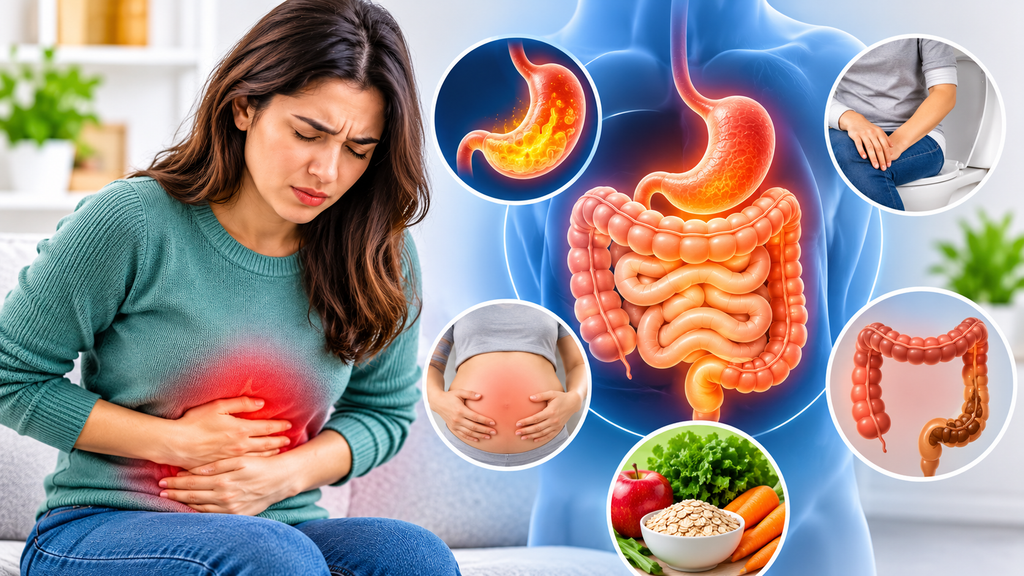
Digestive diseases affect the digestive system and can make it hard for the body to process food. They may affect the stomach, intestines, esophagus, liver, pancreas, or gallbladder. Some conditions cause mild problems, while others need long-term care. Common digestive diseases include acid reflux, irritable bowel syndrome (IBS), inflammatory bowel disease (IBD), stomach ulcers, and celiac disease. These conditions can cause stomach pain, bloating, diarrhea, constipation, and other symptoms. Learning about digestive diseases can help you understand their signs, causes, and treatment options. What Are Digestive Diseases? Digestive diseases are health conditions that affect the digestive tract or organs that help with digestion. The digestive system breaks down food, absorbs nutrients, and removes waste from the body. It includes the mouth, esophagus, stomach, small intestine, large intestine, rectum, and anus. Other organs also help with digestion. These include the liver, pancreas, and gallbladder. Digestive diseases can affect one or more parts of this system. Some cause problems with how the digestive system works. Others cause changes or damage to the organs. Types of Digestive Diseases There are many types of digestive diseases. Some are common and can be managed with treatment and lifestyle changes. 1. Gastroesophageal Reflux Disease (GERD) GERD is a condition in which stomach acid flows back into the esophagus. It can cause heartburn, a sour taste in the mouth, and discomfort in the chest. People with frequent acid reflux may need medical treatment. Doctors may suggest medicines and changes in eating habits to manage symptoms. 2. Irritable Bowel Syndrome (IBS) IBS is a digestive disorder that affects bowel function. It can cause repeated stomach pain, bloating, gas, diarrhea, or constipation. Symptoms may vary from person to person. IBS does not cause the same type of intestinal inflammation or damage seen in IBD. Treatment often focuses on managing symptoms. A doctor may suggest dietary changes or medicines based on the person’s condition. 3. Inflammatory Bowel Disease (IBD) IBD is a group of conditions that cause long-term inflammation in the digestive tract. Its two main types are Crohn’s disease and ulcerative colitis. Common symptoms include diarrhea, stomach pain, tiredness, and weight loss. Treatment helps control inflammation and manage symptoms. 4. Peptic Ulcer Disease Peptic ulcers are open sores that develop in the lining of the stomach or upper small intestine. Two common causes are Helicobacter pylori (H. pylori) infection and the regular use of certain pain medicines called NSAIDs. Symptoms may include stomach pain, nausea, and discomfort. Treatment depends on the cause and may include medicines. H. pylori infections usually need specific treatment with antibiotics and acid-reducing medicine. 5. Celiac Disease Celiac disease is an immune condition triggered by gluten. Gluten is a protein found in wheat, barley, and rye. When a person with celiac disease eats gluten, it can damage the lining of the small intestine. This may affect how the body absorbs nutrients. Symptoms can include diarrhea, bloating, stomach pain, and weight loss. The main treatment is a strict, lifelong gluten-free diet. People should speak with a doctor before removing gluten from their diet if they suspect celiac disease, because testing may be affected. 6. Gallbladder Diseases The gallbladder stores bile, which helps the body digest fats. Gallbladder problems can include gallstones and inflammation. Gallstones are hard deposits that form in the gallbladder. Some people have no symptoms, while others may experience pain in the upper right side of the abdomen. Cholecystitis is inflammation of the gallbladder. Treatment depends on the condition and its severity. Some people may need surgery. 7. Pancreatitis Pancreatitis is inflammation of the pancreas. The pancreas helps with digestion and controls blood sugar. It can cause pain in the upper abdomen, nausea, and vomiting. Gallstones and heavy alcohol use are among its possible causes. Treatment depends on whether the condition is acute or chronic. Some cases need hospital care. 8. Diverticular Disease Diverticula are small pouches that can form in the wall of the colon. Their presence is called diverticulosis. When these pouches become inflamed, the condition is called diverticulitis. It may cause abdominal pain, fever, and changes in bowel habits. Treatment depends on the symptoms and severity of the condition. 9. Other Digestive Disorders Other conditions can also affect digestion. These include: Common Symptoms of Digestive Diseases Symptoms depend on the condition and the part of the digestive system affected. Common signs include: Not every symptom means a person has a serious disease. However, ongoing or severe symptoms should be checked by a healthcare professional. What Causes Digestive Diseases? Digestive diseases can have different causes. Common factors include: Infections: Some bacteria, viruses, and other germs can cause digestive illnesses. Genetics: Family history can increase the risk of certain digestive conditions. Autoimmune conditions: Some diseases, such as celiac disease and IBD, involve the immune system. Medicines: Certain medicines, including NSAIDs, can affect the digestive system and may contribute to stomach ulcers. The cause depends on the specific disease. A doctor can help identify the reason for digestive problems. How Are Digestive Diseases Diagnosed? Doctors use different tests to find the cause of digestive symptoms. The choice depends on the person’s medical history and symptoms. Common tests include: Not everyone needs all these tests. A doctor decides which tests are suitable. Treatment for Digestive Diseases Treatment depends on the type and severity of the disease. Some conditions improve with medicines and diet changes, while others may need surgery. Common treatment options include: Always follow medical advice instead of starting or stopping treatment on your own. When Should You See a Doctor? See a healthcare professional if digestive symptoms continue, return often, or affect daily life. Seek medical attention for severe abdominal pain, repeated vomiting, unexplained weight loss, blood in the stool, or black, tarry stools. Early medical care can help identify the cause and guide the right treatment. Frequently Asked Questions What are the most common digestive diseases? Common digestive diseases include GERD, IBS, IBD, peptic ulcer disease, celiac disease, gallbladder disease, and diverticular disease. What are the common symptoms of digestive problems?