Ischemic Heart Disease: Causes, Symptoms, and Prevention
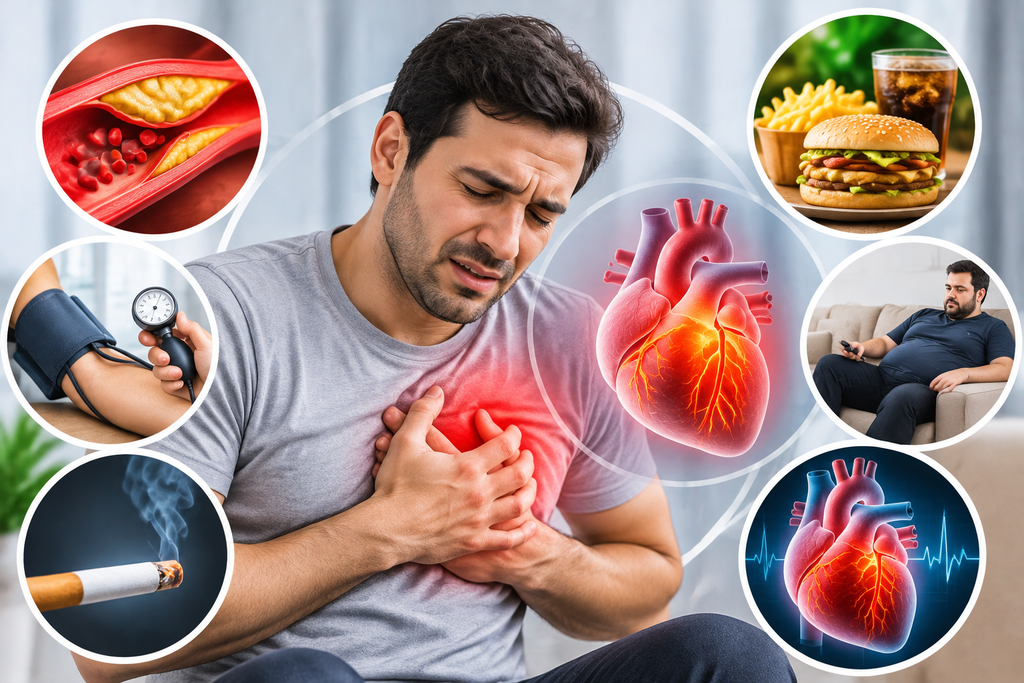
Ischemic heart disease is a condition in which the heart muscle does not receive enough oxygen-rich blood. It usually develops when the coronary arteries become narrowed or blocked, reducing the blood supply to the heart. This can cause chest discomfort and, in serious cases, a heart attack. Although heart attacks are often associated with older adults, younger people can also experience them. High blood pressure, high cholesterol, diabetes, smoking, obesity, and physical inactivity are important cardiovascular risk factors. Understanding ischemic heart disease can help people recognize warning signs and make healthier choices. Early medical attention is especially important when someone experiences symptoms of a possible heart attack. 1. What Is Ischemic Heart Disease? Ischemic heart disease, also known as coronary heart disease, occurs when the heart muscle does not receive enough blood and oxygen. One common cause is coronary artery disease, in which fatty deposits called plaque build up inside the arteries supplying the heart. As plaque accumulates, the arteries can become narrower, restricting blood flow. If blood flow becomes severely reduced or an artery becomes blocked, the heart muscle may be damaged. Ischemic heart disease can be associated with several conditions: These conditions are related, but they are not interchangeable. A heart attack is one possible complication of coronary artery disease. 2. Heart Attacks in Younger Adults: What Increases the Risk? Heart attacks can happen at different ages, including among people in their 30s and 40s. Reports from cardiovascular organizations have discussed heart attack cases in younger adults, particularly the role of traditional and non-traditional risk factors. Several factors may contribute to cardiovascular problems at younger ages. Metabolic Problems Obesity, insulin resistance, and diabetes can increase cardiovascular risk. Diabetes is particularly important because high blood sugar can damage blood vessels and affect heart health. Smoking and Vaping Tobacco use damages blood vessels and contributes to cardiovascular disease. Smoking is an established risk factor for coronary artery problems. Vaping should not be considered completely risk-free. Avoiding tobacco and nicotine products is an important part of protecting cardiovascular health. Recreational Drug Use Stimulants such as cocaine and amphetamines can increase heart rate and blood pressure. They can also narrow blood vessels, creating additional cardiovascular risks. Chronic Stress and Poor Sleep Long-term stress and inadequate sleep can affect overall health. They may also contribute to unhealthy habits and other cardiovascular risk factors. Spontaneous Coronary Artery Dissection (SCAD) SCAD is an uncommon condition involving a tear or separation in the wall of a coronary artery. It can restrict blood flow and cause a heart attack. It is an important possible cause of heart attacks in some younger women. These factors do not affect everyone in the same way. However, being young does not completely eliminate the possibility of heart disease. 3. Common Causes and Risk Factors of Ischemic Heart Disease Ischemic heart disease can develop through a combination of medical, lifestyle, and inherited risk factors. Some can be managed through lifestyle changes and medical treatment, while others cannot be changed. High Blood Pressure High blood pressure makes the heart work harder and can damage blood vessel walls. Over time, this can contribute to cardiovascular problems. Regular blood pressure checks can help identify high blood pressure so that appropriate treatment can begin. High Cholesterol Cholesterol is a substance that the body needs for normal functions. However, high levels of low-density lipoprotein (LDL), commonly called bad cholesterol, can contribute to plaque buildup inside arteries. As the coronary arteries become narrower, the heart may receive less oxygen-rich blood. Diabetes and Insulin Resistance Diabetes increases the risk of cardiovascular disease. High blood sugar can damage blood vessels and contribute to problems affecting the circulation. People with diabetes should follow their prescribed treatment plans and monitor blood sugar as recommended by their healthcare professionals. Smoking Smoking is a major risk factor for ischemic heart disease. Chemicals in tobacco smoke can damage blood vessels and reduce the amount of oxygen available to the body. Stopping smoking is an important step toward improving cardiovascular health. Obesity and Physical Inactivity Excess body weight can increase the likelihood of high blood pressure, abnormal cholesterol levels, and type 2 diabetes. Physical inactivity can also affect cardiovascular fitness. Regular movement and exercise help support healthy blood pressure, blood sugar, and weight management. Family History and Genetic Factors Family history can influence a person’s risk of heart disease. Some inherited conditions can affect cholesterol levels and cardiovascular health. People with close relatives who experienced heart disease at a young age should discuss their risk with a healthcare professional. Recreational Drug Use Cocaine and amphetamines are stimulants that can increase heart rate and blood pressure. They may also cause blood vessels to narrow, increasing the risk of cardiovascular complications. Avoiding these substances is important for protecting heart health. 4. Warning Signs and Symptoms of a Heart Attack Recognizing heart attack symptoms is essential because early medical attention can help limit damage to the heart muscle. Symptoms may develop suddenly or begin gradually. Some people experience severe chest pain, while others have less obvious discomfort. Common warning signs include: Chest Pain or Discomfort Chest discomfort is one of the most recognized heart attack symptoms. It may feel like: The discomfort may last several minutes or disappear and return. Pain in the Arms, Shoulders, Neck, or Jaw Heart attack discomfort can spread beyond the chest. A person may experience pain or aching in one or both arms, shoulders, neck, jaw, or back. Shortness of Breath Sudden difficulty breathing can be a warning sign of a heart attack. It may happen with chest discomfort or without noticeable chest pain. Cold Sweating Unexplained cold sweating can occur during a heart attack. Some people may also experience clammy skin and general weakness. Nausea and Indigestion-Like Discomfort A heart attack can cause nausea, vomiting, stomach discomfort, or symptoms that feel similar to indigestion. Dizziness and Unusual Fatigue Lightheadedness, dizziness, and sudden weakness may also occur. Some people experience unusual or overwhelming tiredness. Important: Do not assume that chest discomfort or unusual