Common Types of Cancer: Symptoms, Causes & Prevention
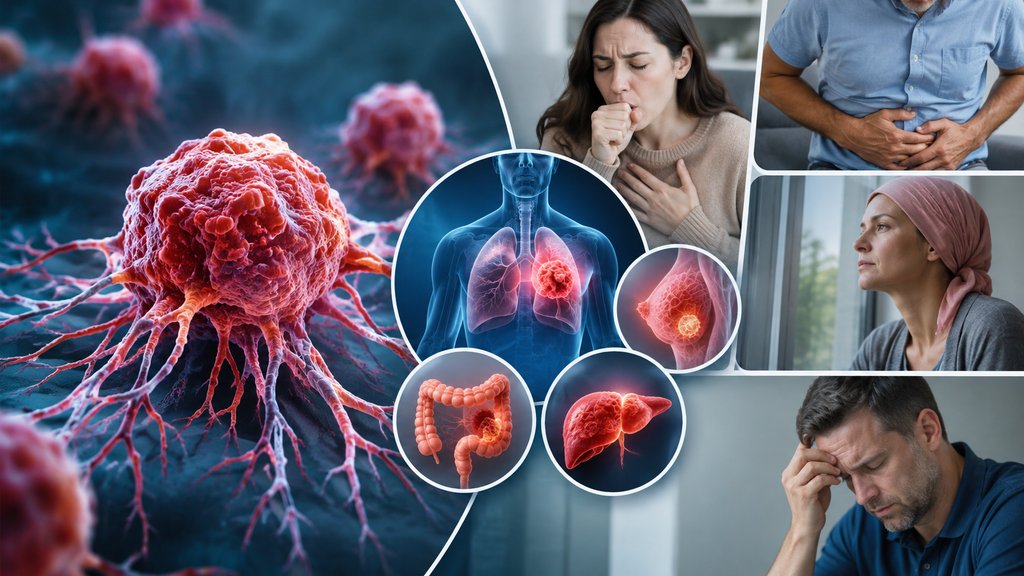
Cancer is a group of diseases in which abnormal cells grow and divide uncontrollably. These cells can invade nearby tissues and sometimes spread to other parts of the body. There are more than 200 types of cancer, and each type can affect the body differently. Understanding common types of cancer, their symptoms, causes, and risk factors can help people recognize warning signs and seek medical advice. Early detection may improve treatment options and outcomes. What Is Cancer? Cancer develops when changes in a cell’s DNA affect how it grows and divides. Normally, the body controls cell growth and removes damaged cells. However, cancer cells can continue multiplying when these controls stop working properly. Some cancers form solid tumors, such as breast or lung cancer. Others, including leukemia, affect blood-forming tissues and may not form solid tumors. Common Types of Cancer Cancer can develop in almost any part of the body. Some commonly diagnosed types include: 1. Breast Cancer Breast cancer develops when cells in breast tissue grow abnormally. It can affect women and, less commonly, men. Possible symptoms include: A new breast lump or unusual change should be checked by a healthcare professional. 2. Lung Cancer Lung cancer begins when abnormal cells grow in the lungs. Tobacco smoking is a major risk factor, although people who have never smoked can also develop it. Possible symptoms include: These symptoms can have other causes, but persistent problems need medical assessment. 3. Colorectal Cancer Colorectal cancer affects the colon or rectum. It may develop from growths called polyps, some of which can become cancerous over time. Possible symptoms include: Screening can help identify certain colorectal changes before symptoms appear. 4. Prostate Cancer Prostate cancer develops in the prostate gland, which is part of the male reproductive system. Some prostate cancers grow slowly, while others can be more aggressive. Possible symptoms include: Urinary symptoms do not automatically mean cancer, so proper medical evaluation is important. 5. Cervical Cancer Cervical cancer develops in the cervix, the lower part of the uterus. Persistent infection with certain high-risk types of human papillomavirus (HPV) is a major cause. Possible symptoms include: HPV vaccination and recommended cervical screening can help reduce the risk and support early detection. 6. Blood Cancers Blood cancers affect blood cells and the tissues that produce them. Major types include leukemia, lymphoma, and multiple myeloma. Possible symptoms vary but may include: These symptoms can also occur with other conditions and require medical assessment. Other cancer types include skin, stomach, liver, kidney, pancreatic, and bladder cancer. Common Warning Signs of Cancer Cancer symptoms depend on the affected organ and the disease stage. Some possible warning signs include: Having one of these symptoms does not necessarily mean a person has cancer. However, symptoms that persist or worsen should be discussed with a healthcare professional. Causes and Risk Factors of Cancer Cancer usually develops because of changes in genes that control cell growth. These changes may occur during a person’s life or be inherited from parents. Important risk factors include: Having a risk factor does not mean someone will definitely develop cancer. Some people develop cancer without an obvious known risk factor. How Is Cancer Diagnosed? Doctors use different tests depending on a person’s symptoms and suspected cancer type. These may include: Screening tests are used to look for certain cancers before symptoms develop. Diagnostic tests investigate symptoms or abnormal findings. A screening result alone does not confirm a cancer diagnosis. Cancer Treatment Options Treatment depends on the cancer type, its location, stage, and the person’s overall health. Common options include: Some people receive a combination of treatments. The medical team determines the most suitable plan. How Can Cancer Be Prevented? Not all cancers can be prevented, but certain lifestyle choices and preventive measures can lower the risk. Screening options may include mammograms, cervical screening, and colorectal screening. The right schedule depends on age, personal risk, and local medical guidance. Frequently Asked Questions What are the most common types of cancer? Commonly diagnosed cancers include breast, lung, colorectal, prostate, and cervical cancer. Blood cancers, such as leukemia and lymphoma, are also important cancer types. Rankings vary by country, sex, and year. What are the early warning signs of cancer? Possible warning signs include unexplained weight loss, unusual bleeding, persistent fatigue, new lumps, changes in bowel habits, and sores that do not heal. Can cancer be prevented? Not every cancer can be prevented. However, avoiding tobacco, limiting alcohol, maintaining a healthy lifestyle, receiving recommended vaccines, and following screening guidance can reduce the risk of some cancers. Is cancer always painful? No. Some cancers cause pain, while others may not cause noticeable symptoms in their early stages. Can cancer be treated? Many cancers have treatment options. The outcome depends on the cancer type, stage, available treatments, and individual health factors. Conclusion Cancer includes many diseases that affect different parts of the body. Breast, lung, colorectal, prostate, cervical, and blood cancers are among the important types to understand. Recognizing possible symptoms, knowing the risk factors, and following recommended screening guidance can support earlier medical assessment. Anyone with persistent or unusual symptoms should seek advice from a qualified healthcare professional.
Non-Infectious Diseases: Types, Causes, Examples, and Risk Factors
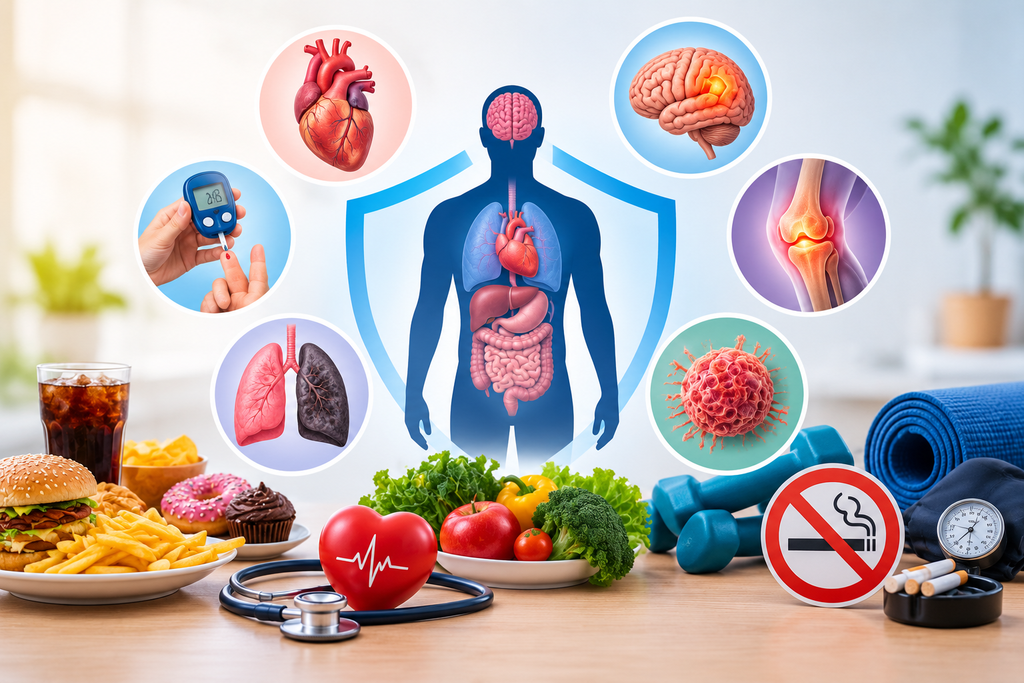
Non-infectious diseases are health conditions that do not spread directly from one person to another. They can develop because of genetic factors, lifestyle habits, environmental conditions, or changes in the body. Common examples include heart disease, cancer, diabetes, and lung diseases. These conditions can affect different parts of the body and may need long-term care. The World Health Organization (WHO) reports that non-communicable diseases account for about 74% of deaths worldwide. What Are Non-Infectious Diseases? Non-infectious diseases are conditions that are not passed directly between people. They are different from infectious diseases, which spread through germs such as bacteria, viruses, and fungi. These conditions may affect the heart, lungs, brain, blood vessels, and other organs. Some are linked to inherited genes, while others may develop because of lifestyle habits or environmental exposure. Examples include: Not all non-infectious diseases are chronic, although many need ongoing care. What Are the Main Types of Non-Infectious Diseases? The WHO identifies four major groups of non-communicable diseases: cardiovascular diseases, cancers, chronic respiratory diseases, and diabetes. Other examples include autoimmune diseases and inherited disorders. 1. Cardiovascular Diseases Cardiovascular diseases affect the heart and blood vessels. They can interfere with normal blood flow. Common examples include: Smoking, lack of exercise, an unhealthy diet, high blood pressure, and high cholesterol can increase the risk of these diseases. 2. Cancer Cancer is a group of diseases in which abnormal cells grow out of control. These cells can damage nearby tissues and sometimes spread to other parts of the body. Common types include lung, breast, colon, prostate, and skin cancer. Cancer can involve changes in genes. Tobacco use, certain chemicals, radiation, and inherited gene changes may also play a role. The causes differ depending on the type of cancer. 3. Chronic Respiratory Diseases These diseases affect the lungs and airways. They can make breathing difficult. Two common examples are: Tobacco smoke, air pollution, workplace dust, and harmful chemicals can increase the risk of respiratory diseases. 4. Diabetes Diabetes affects how the body controls blood sugar. The body uses insulin to help glucose enter cells and provide energy. The two main types are: 5. Autoimmune and Degenerative Diseases Autoimmune diseases happen when the immune system attacks healthy parts of the body by mistake. Degenerative diseases involve damage to cells, tissues, or organs over time. Examples include rheumatoid arthritis, lupus, Alzheimer’s disease, and Parkinson’s disease. These conditions affect the body in different ways and have different treatment needs. What Are the Causes of Non-Infectious Diseases? Several factors can contribute to these diseases. In many cases, more than one cause is involved. Genetic factors: Some conditions develop because of changes in genes passed from parents to children. For example, cystic fibrosis is an inherited condition caused by changes in the CFTR gene. Cell changes: Changes in normal cell activity can contribute to cancer. They can affect how cells grow and divide. Metabolic changes: Problems with blood sugar, blood pressure, or blood fats can affect health. These changes may increase the risk of heart disease and Type 2 diabetes. What Are the Risk Factors for Non-Infectious Diseases? Risk factors increase the chance of developing a disease. Some can be changed, while others cannot. Lifestyle Risk Factors Environmental and Other Risk Factors Other risk factors include air pollution, harmful chemicals, workplace dust, certain types of radiation, and radon exposure. Age, family history, inherited genes, and biological sex can also affect a person’s risk. What Are the Symptoms of Non-Infectious Diseases? Symptoms depend on the condition and the part of the body affected. Common signs may include: For example, diabetes may cause increased thirst and frequent urination. Asthma may cause coughing and wheezing. Some conditions, such as high blood pressure, may not cause clear symptoms. How Can Non-Infectious Diseases Be Prevented? Not every non-infectious disease can be prevented, especially inherited conditions. However, healthy habits may lower the risk of several diseases. How Are Non-Infectious Diseases Diagnosed and Treated? Doctors may use a medical history, physical examination, blood tests, imaging tests, or screening tests to identify a condition. Treatment depends on the disease. It may include medicines, changes in diet, physical activity, specialist care, or surgery. Some conditions need regular checkups and long-term treatment. Early diagnosis can help doctors choose suitable care. Frequently Asked Questions What Are 5 Non-Infectious Diseases? Five examples are heart disease, cancer, Type 2 diabetes, asthma, and cystic fibrosis. What Are 6 Risk Factors for Non-Communicable Diseases? Six risk factors include tobacco use, an unhealthy diet, physical inactivity, harmful alcohol use, air pollution, and older age. Family history and genetic factors can also increase risk. Are Non-Infectious Diseases Hereditary? Some are inherited, while others are linked to lifestyle or environmental factors. Having a family history does not mean a person will definitely develop the same disease. Can Non-Infectious Diseases Be Cured? Treatment depends on the condition. Some can be treated effectively, while others need long-term care and regular monitoring. Conclusion Non-infectious diseases include heart disease, cancer, diabetes, lung conditions, autoimmune diseases, and inherited disorders. Their causes may include genetic changes, lifestyle habits, and environmental factors. Not every condition can be prevented, but healthy eating, regular exercise, avoiding tobacco, and medical checkups can help lower the risk of several diseases. Understanding their causes and symptoms can help people make informed health decisions.
Non-Infectious Diseases: Types, Causes & Prevention
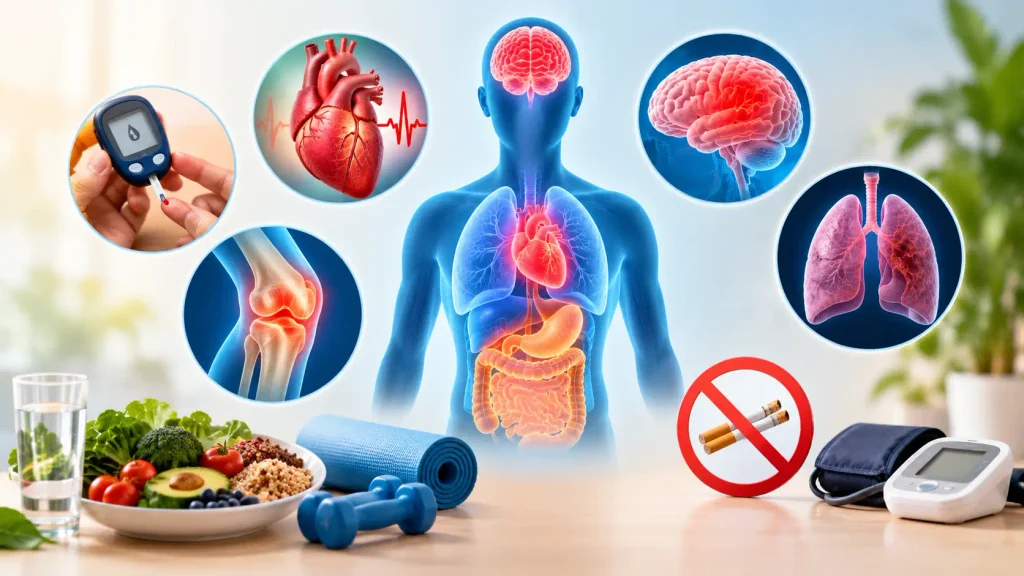
Non-infectious diseases are health conditions that do not normally spread from one person to another. They are also called noncommunicable diseases (NCDs) or chronic diseases. Many of these conditions last a long time and may need ongoing care. NCDs can develop because of a combination of genetic, physiological, environmental, and behavioural factors. Common examples include heart disease, stroke, cancer, chronic respiratory diseases, and diabetes. These conditions are an important public health concern. They affect people in every region and can reduce quality of life. Some can also lead to premature deaths when risk factors are not addressed or when care is delayed. What Are Non-Infectious Diseases? Non-infectious diseases are conditions that are not caused by infectious pathogens and do not normally pass from person to person. The term noncommunicable disease is often used for chronic conditions that last for a long time. The four main NCD groups are: These groups include many different health conditions. For example, cardiovascular diseases include heart attacks and strokes, while chronic respiratory diseases include asthma and chronic obstructive pulmonary disease (COPD). Main Types of Non-Infectious Diseases Cardiovascular Diseases Cardiovascular diseases affect the heart and blood vessels. They include coronary heart disease, heart attacks, and strokes. Several factors can increase the risk of cardiovascular disease. These include tobacco use, physical inactivity, unhealthy diets, high blood pressure, high blood glucose, high cholesterol, overweight or obesity, harmful use of alcohol, and air pollution. Cancer Cancer is a group of diseases involving abnormal cell growth. There are many different types of cancer, and each type can affect a different part of the body. Risk factors vary by type of cancer. Tobacco use, alcohol use, unhealthy diets, physical inactivity, and air pollution are among the factors linked with cancer and other NCDs. Chronic Respiratory Diseases Chronic respiratory diseases affect the airways and lungs. Asthma and COPD are common examples. Tobacco smoke and air pollution are important risk factors. Some people may also face risks from workplace or environmental exposures. Diabetes Diabetes is a chronic condition that affects how the body handles blood glucose. It is one of the four main groups of NCDs. There are different types of diabetes. Type 2 diabetes is one of the most common forms. Physical inactivity and unhealthy diets can contribute to risk factors linked with diabetes and other NCDs. Causes and Risk Factors There is usually no single cause behind an NCD. Several factors, including genetics, behaviour, physical conditions, and the environment, can influence risk. Behavioural Risk Factors WHO identifies four major behavioural risk factors for NCDs: These behaviours can contribute to changes in the body, including high blood pressure, increased blood glucose, overweight or obesity, and abnormal blood lipids. Poor nutrition can be an important part of this picture. An unhealthy diet can contribute to several metabolic risk factors linked with NCDs. Metabolic Risk Factors Some physical changes are also important risk factors. They include: High blood pressure is a major risk factor for cardiovascular disease and other health problems. Many people with hypertension do not notice symptoms, so regular blood pressure checks can be important. Environmental Risk Factors The environment can also affect NCD risk. Air pollution is an important environmental risk factor. Other exposures, including some chemicals, radiation, and workplace hazards, may also affect health. Prevention and Control NCD prevention focuses on reducing risk factors that can be changed. Important steps include: These measures are part of wider prevention and control efforts. Public health programs also play an important role by supporting healthier environments and improving access to healthcare. Prevention does not mean every chronic illness can be avoided. Some risk factors cannot be changed. Genetics, age, and other biological factors can also influence a person’s risk. Diagnosis and Management Early detection, screening, and treatment are important parts of NCD care. The type of testing depends on the condition. Management also varies. Some people may need medicines, regular monitoring, lifestyle changes, or other medical care. The goal is to control the condition and reduce the risk of complications. For example, high blood pressure can often be detected through a simple blood pressure check. If it is not treated, it can increase the risk of heart disease, stroke, and kidney disease. People with symptoms, known risk factors, or an existing chronic condition should speak with a qualified healthcare professional for individual advice. How Do NCDs Affect Quality of Life? A chronic illness can affect daily life in different ways. The impact depends on the condition, its severity, and the care a person receives. Some people may need regular medical visits or long-term treatment. Others may need to make changes to their daily routine. Good management can help people live with chronic conditions while reducing health risks. Early detection and access to appropriate care are important parts of NCD management. Non-Infectious vs Communicable Diseases The main difference is how the conditions are caused and spread. Communicable diseases can be caused by infectious agents and may spread from person to person or through other routes. Non-infectious diseases do not normally spread between people. They are linked to a combination of genetic, physiological, environmental, and behavioural factors. This difference is important because the prevention approach is also different. Communicable diseases may require measures such as infection control, while NCD prevention focuses strongly on risk factors, early detection, treatment, and healthy environments. Frequently Asked Questions What are some examples of non-infectious diseases? Examples include heart disease, stroke, cancer, asthma, COPD, diabetes, coronary heart disease, hypertension, and other conditions within the major NCD groups. What are the four main NCDs? The four main groups are cardiovascular diseases, cancers, chronic respiratory diseases, and diabetes. What are the major risk factors for NCDs? Major behavioural risk factors include tobacco use, physical inactivity, unhealthy diet, and harmful use of alcohol. Air pollution is also an important environmental risk factor. Is high blood pressure a non-infectious disease? Yes. High blood pressure, also called hypertension, is a noncommunicable condition and an important metabolic risk factor for cardiovascular disease. Is Type 2