Bug Bites and Stings: Symptoms, Treatment and Prevention
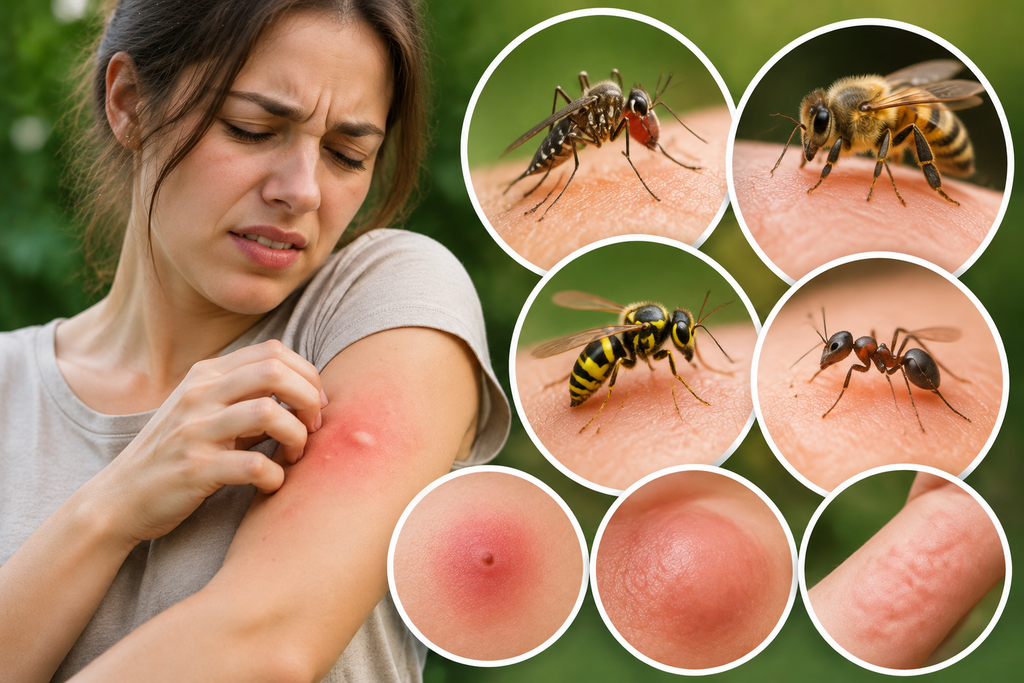
Bug bites and stings can cause itching, redness, pain, and swelling. Most are mild and improve within a few days, but some can lead to infection or serious allergic reactions. Knowing the common symptoms, treatment steps, and warning signs can help you respond safely. What Are Bug Bites and Stings? Bug bites and stings happen when insects or other small creatures pierce the skin. Insects such as mosquitoes, fleas, ants, bees, and wasps can bite or sting. Ticks, spiders, chiggers, and scorpions are also commonly included when people talk about bug bites. Some bites happen outdoors in gardens, grassy areas, or forests. Others, such as bedbug bites, can occur indoors. The reaction depends on the type of bug and how your body responds. Common Types of Bug Bites and Stings Different bugs can cause different skin reactions. Common examples include: It is not always possible to identify a bug from the appearance of a bite alone. If you are unsure what caused the skin reaction, seek medical advice if symptoms are concerning. Symptoms of Bug Bites and Stings Symptoms depend on the bug and your body’s response. Common signs include: Some people develop several bites close together. A bite or sting may also cause a larger local reaction, with more noticeable swelling and itching. Bug bites can sometimes lead to infection. Increasing pain, warmth, swelling, redness, or pus around the affected area may indicate a problem that needs medical attention. Why Do Bug Bites Itch? Some bugs release saliva into the skin when they bite. The body’s immune system responds by releasing a chemical called histamine. This response can cause itching, swelling, and irritation around the bite. Scratching may damage the skin and increase the risk of infection, so try to avoid rubbing or scratching the affected area. Causes and Risk Factors Bug bites and stings usually happen when people come into contact with insects or arachnids. Walking barefoot outdoors, disturbing a nest, gardening, camping, and spending time in forests or grassy areas can increase exposure. People who work around animals, farms, or gardens may also encounter bugs more often. Some bugs live indoors, including in areas such as basements, attics, and wood piles. Mosquitoes and ticks can carry infections. However, the diseases they spread depend on the insect or tick species and the geographic area. Treatment for Bug Bites and Stings Most mild bug bites and stings can be managed with basic first aid at home. 1. Move Away From the Area If you are near insects that are biting or stinging, move to a safe place to prevent further exposure. 2. Remove a Stinger Carefully If a bee, wasp, or hornet stinger remains in the skin, scrape it sideways with your fingernail or the edge of a bank card. Avoid squeezing it with tweezers. If a tick is attached, use fine-tipped tweezers or a tick-removal tool. Grip it close to the skin and pull slowly upward. Clean the area afterward. 3. Wash the Affected Skin Gently clean the bite or sting with soap and water. This helps remove dirt and lower the risk of infection. 4. Apply a Cold Compress Place a cold, damp cloth or a cloth-wrapped ice pack on the affected area for 10 to 20 minutes. This can help reduce pain and swelling. If the bite is on an arm or leg, keep the area raised when possible. 5. Relieve Itching and Pain Calamine lotion or suitable hydrocortisone cream may help relieve itching and irritation. Oral antihistamines, such as cetirizine, fexofenadine, or loratadine, may also help with itching. For pain, over-the-counter medicines such as paracetamol or ibuprofen may help when suitable for you. Follow product instructions and ask a healthcare professional if you are unsure which medicine is appropriate. Avoid scratching the bite, as broken skin can become infected. When to Seek Medical Help Contact a healthcare professional if swelling becomes worse, the affected area becomes increasingly painful or hot, pus appears, or you feel unwell. Medical advice is also important if symptoms continue to worsen or do not improve. A tick bite followed by flu-like symptoms or a bullseye-shaped rash needs medical assessment. Stings in the mouth or throat, near the eyes, or multiple stings also require urgent medical advice. Signs of a Serious Allergic Reaction A severe allergic reaction, called anaphylaxis, can be life-threatening. Warning signs include: Seek emergency medical help immediately if these symptoms occur. If the person has a prescribed epinephrine auto-injector, use it as directed while arranging emergency care. Antihistamines are not a substitute for emergency treatment of anaphylaxis. A child who has been stung by a scorpion also needs emergency medical attention. How to Prevent Bug Bites and Stings You can reduce exposure by taking a few precautions: These steps can lower the risk of bites and stings, although they cannot prevent every encounter. Frequently Asked Questions How long do bug bites last? Many mild bites improve within a few days. Some bites and stings may take one or two weeks to heal completely. What is the best treatment for itchy bug bites? A cold compress, calamine lotion, hydrocortisone cream, or an appropriate oral antihistamine may help relieve itching. Avoid scratching the area. When should a bug bite be treated as an emergency? Seek emergency help for breathing or swallowing difficulty, swelling of the lips or throat, dizziness, fainting, or other signs of a serious allergic reaction. Can bug bites become infected? Yes. Scratching can break the skin and increase the risk of infection. Worsening pain, warmth, swelling, or pus should be assessed by a healthcare professional. Conclusion Most bug bites and stings cause mild symptoms that improve with basic care. Washing the area, applying a cold compress, and using suitable treatments can help relieve discomfort. Avoid scratching and watch for signs of infection or an allergic reaction. Seek medical help promptly if symptoms become severe or unusual.