Coma: Causes, Symptoms, Treatment and Recovery
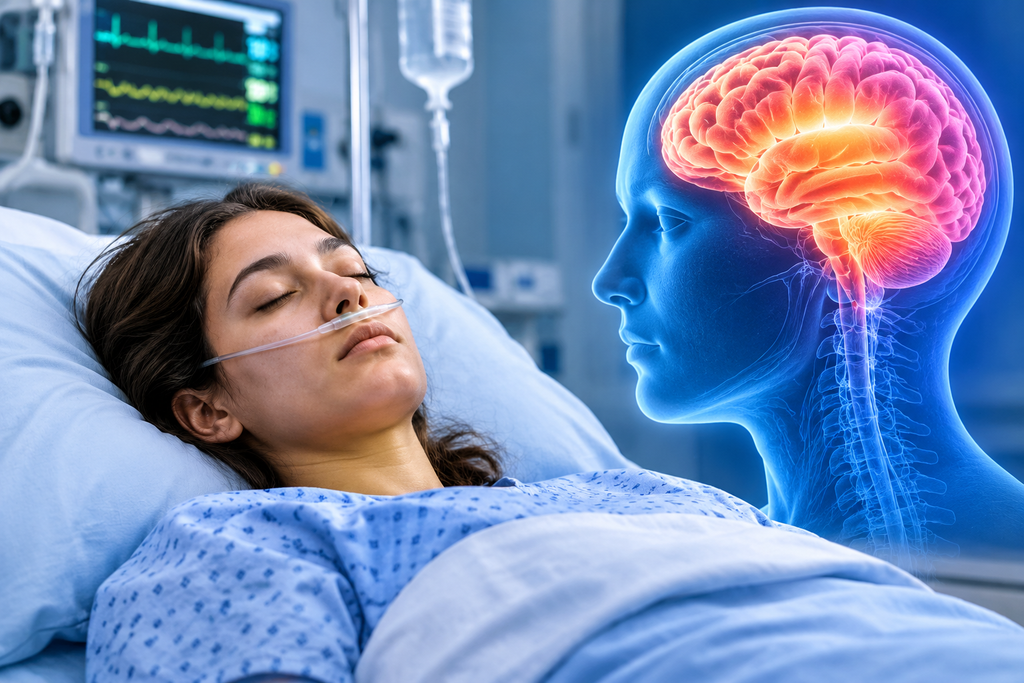
A coma is a serious medical condition in which a person remains unconscious and cannot wake up or respond normally. A person in a coma cannot communicate with others or show normal awareness of their surroundings. A coma can happen because of a brain injury, stroke, infection, lack of oxygen, or certain medical conditions. It is a medical emergency that requires immediate treatment. Recovery depends on the cause and severity of the brain injury. What Is a Coma? A coma is a deep state of unconsciousness. A person in a coma does not respond normally to sounds, touch, or painful stimulation. Their eyes usually remain closed, and they cannot wake up through ordinary stimulation. A coma happens when the brain cannot maintain normal consciousness. Some people may breathe without help, while others need a breathing machine. According to the Cleveland Clinic, a coma may last for a short time or several weeks. Some people regain consciousness, while others develop a different disorder of consciousness. Types and Categories of Coma Comas can be described according to their causes. Common categories include: These categories describe different causes or medical situations rather than separate stages of coma. Symptoms of Coma The signs of coma can vary depending on the cause and the severity of the condition. Common symptoms include: A person may show limited reflex movements even when they cannot respond normally. Doctors assess these signs to understand the patient’s condition. Causes of Coma Several medical conditions and injuries can lead to a coma. Common causes include: 1. Head injuries: A serious fall, road accident, or other head injury can damage the brain and cause unconsciousness. 2. Stroke: A blocked blood vessel or bleeding in the brain can affect brain function and lead to a coma. 3. Lack of oxygen: The brain needs a steady supply of oxygen. Conditions such as drowning or cardiac arrest can reduce oxygen supply and cause brain damage. 4. Infections: Serious infections, including meningitis and encephalitis, can affect the brain and lead to unconsciousness. 5. Blood sugar problems: Very high or very low blood sugar can affect brain function and may cause a coma. 6. Drug or alcohol overdose: Some medicines, drugs, and toxic substances can affect the brain and cause severe unconsciousness. 7. Other medical problems: Liver or kidney failure, seizures, brain tumors, and serious changes in the body’s chemical balance may also contribute to coma. How Is a Coma Diagnosed? Doctors diagnose a coma through a physical and neurological examination. They check the patient’s breathing, heart rate, blood pressure, reflexes, and responses to stimulation. One important assessment is the Glasgow Coma Scale (GCS). It measures three responses: The total score ranges from 3 to 15. A score of 8 or below usually indicates coma, but doctors consider the full medical condition rather than relying on one score alone. Doctors may also use blood and urine tests, CT scans, MRI scans, or an electroencephalogram (EEG). These tests help identify possible causes, such as infection, poisoning, brain injury, or seizure activity. Treatment for Coma Treatment depends on what caused the coma. The priority is to support the patient’s breathing and blood circulation and prevent further damage. Treatment may include: Patients often need close monitoring in an intensive care unit (ICU). Care may also include preventing infections, bedsores, and blood clots. Coma Recovery and Prognosis Coma recovery is different for every person. It depends on the cause, the amount of brain damage, and the patient’s overall condition. Some people regain consciousness after a short period. Others may take weeks or develop long-term problems with awareness and movement. After waking up, a person may need medical care and support because brain injuries can affect movement, communication, memory, and daily activities. Some patients may move into other conditions, such as: Doctors assess the patient’s condition over time to understand their progress and care needs. Frequently Asked Questions How long can a person stay in a coma? A coma may last from a short period to several weeks. The duration depends on its cause and the severity of the brain injury. Can a person hear while in a coma? Some people may hear sounds or remember parts of what happened while they were in a coma. However, this varies from person to person and is difficult to predict. Can someone recover from a coma? Yes, some people regain consciousness. However, recovery depends on the cause and severity of the brain damage. Some people may have lasting disabilities or changes in awareness. Is a coma the same as brain death? No. Coma and brain death are different conditions. A person in a coma is alive but unconscious. Brain death means there is a complete and irreversible loss of all brain function. Conclusion A coma is a serious condition that causes deep unconsciousness and requires urgent medical care. It can result from injuries, stroke, infections, oxygen deprivation, overdose, or other medical problems. Doctors focus on treating the underlying cause and supporting vital body functions. Recovery varies, so each patient’s condition and progress must be assessed individually.
Neurological Disorders: Types, Symptoms & Treatment

Neurological disorders affect the brain, spinal cord, and nerves. These parts form the nervous system. They help us think, move, speak, remember, and control body functions. These disorders can cause problems with memory, movement, balance, speech, and sensation. Some develop slowly, while others may appear suddenly. Early diagnosis can help people get the right care. What Are Neurological Disorders? Neurological disorders are conditions that affect the nervous system. They have two main parts: The nervous system sends messages between the brain and the body. When these messages are disrupted, a person may have problems with movement, memory, or other body functions. Types of Neurological Disorders There are many types of neurological disorders. Some common examples include: 1. Alzheimer’s Disease Alzheimer’s disease affects memory and thinking. It can make daily tasks harder as the condition progresses. 2. Parkinson’s Disease Parkinson’s disease affects movement. Common symptoms include shaking, muscle stiffness, and slow movement. 3. Stroke A stroke occurs when blood flow to part of the brain is blocked, or a blood vessel bursts. It can damage brain cells. Warning signs include sudden face drooping, arm weakness, speech problems, vision changes, and loss of balance. A stroke is a medical emergency. Get help at once if these signs appear. 4. Epilepsy Epilepsy causes repeated seizures. Seizures happen because of sudden changes in the brain’s electrical activity. They may cause shaking, staring, or loss of awareness. 5. Migraine Migraine is a headache disorder. It can cause severe headaches, nausea, and sensitivity to light or sound. 6. Multiple Sclerosis Multiple sclerosis (MS) is an immune-related condition that affects the brain and spinal cord. It may cause weakness, numbness, vision problems, and balance issues. 7. Peripheral Neuropathy Peripheral neuropathy affects nerves outside the brain and spinal cord. It may cause tingling, numbness, burning pain, or weakness. 8. Other Neurological Conditions Other examples include: Symptoms of Neurological Disorders Symptoms depend on the condition and the part of the nervous system affected. Common signs include: These symptoms can have different causes. A doctor can help find the reason. Warning Signs of Stroke Remember BE FAST: Do not wait for symptoms to go away. Causes of Neurological Disorders Neurological disorders can develop for different reasons. Common causes include: Sometimes, the exact cause is not known. How Are Neurological Disorders Diagnosed? A doctor will ask about your symptoms and medical history. They may check your memory, movement, balance, reflexes, and muscle strength. Depending on the symptoms, the doctor may suggest: Not everyone needs all these tests. The doctor chooses them based on the suspected condition. Treatment for Neurological Disorders Treatment depends on the condition and its cause. Some disorders can be treated, while others need long-term care. Common treatment options include: A doctor will choose a treatment plan based on each person’s needs. Can Neurological Disorders Be Prevented? Not all neurological disorders can be prevented. Some are linked to genes or causes beyond a person’s control. You can support your general health by: These steps support general health but cannot prevent every neurological disorder. When Should You See a Doctor? See a doctor if you have ongoing memory problems, weakness, numbness, tremors, frequent headaches, or trouble walking. Get emergency help if you notice sudden face drooping, arm weakness, speech problems, sudden vision changes, or a sudden severe headache. These may be signs of a stroke. Frequently Asked Questions What are common neurological disorders? Examples include Alzheimer’s disease, Parkinson’s disease, stroke, epilepsy, migraine, and peripheral neuropathy. Can neurological disorders be cured? Some conditions can be treated, while others need long-term care. The outcome depends on the condition and its severity. Which doctor treats neurological disorders? A neurologist treats conditions that affect the brain, spinal cord, and nerves. What are the early signs of neurological disorders? Early signs may include memory changes, headaches, numbness, weakness, tremors, and balance problems. These symptoms can have many causes. Are neurological disorders the same as mental disorders? No. Neurological disorders affect the nervous system. Mental health disorders mainly affect mood, thoughts, and behavior. However, some symptoms may overlap. Final Thoughts Neurological disorders can affect memory, movement, speech, and other body functions. Their symptoms and treatments vary. If you notice unusual or ongoing changes, speak to a healthcare professional. Early diagnosis can help you get suitable care. This article is for educational purposes and does not replace medical advice.
Neurological Disorders: Types, Symptoms, Causes & Treatment

Neurological disorders are health conditions that affect the brain, spinal cord, and nerves. These parts control important body functions, including movement, memory, speech, and feeling. Some conditions develop slowly, while others happen suddenly. Common examples include migraines, epilepsy, stroke, Alzheimer’s disease, and Parkinson’s disease. Symptoms depend on the condition. Some people experience headaches, numbness, or muscle weakness, while others have seizures, memory problems, or difficulty walking. Early diagnosis can help people receive proper treatment and manage their symptoms. What Are Neurological Disorders? Neurological disorders affect the nervous system, which has three main parts: Damage to any of these parts can affect how the body works. Types of Neurological Disorders Common neurological conditions include: 1. Migraines and Headaches: Migraines cause moderate to severe head pain, often on one side. They may also cause nausea and sensitivity to light or sound. 2. Epilepsy: Epilepsy causes repeated seizures due to unusual electrical activity in the brain. Symptoms may include shaking, confusion, or loss of awareness. 3. Stroke: A stroke happens when blood flow to the brain is blocked or a blood vessel breaks. It is a medical emergency. 4. Alzheimer’s Disease: This progressive brain condition affects memory and thinking. People may forget recent events and struggle with daily activities. 5. Parkinson’s Disease: This condition affects movement. Common symptoms include shaking, slow movement, stiff muscles, and balance problems. 6. Multiple Sclerosis (MS): MS happens when the immune system attacks the protective covering of nerves. It can cause weakness, numbness, vision problems, and difficulty walking. 7. Peripheral Neuropathy: This condition involves damage to nerves outside the brain and spinal cord. It may cause burning pain, tingling, or numbness in the hands and feet. 8. Amyotrophic Lateral Sclerosis (ALS): ALS damages nerve cells that control voluntary muscles. It can cause increasing muscle weakness and difficulty speaking, swallowing, or breathing. How Common Are Neurological Disorders? Neurological disorders affect children and adults. Migraines and epilepsy can occur at different ages, while Alzheimer’s and Parkinson’s disease are more common in older adults. Their effects range from mild symptoms to long-term disability. Symptoms and Causes What Are the Common Symptoms? Symptoms depend on the part of the nervous system affected. Common signs include: These symptoms can also have other causes, so medical advice is important. What Causes Neurological Disorders? Several factors can lead to neurological conditions, including: What Are the Early Signs? Early signs may include frequent headaches, memory changes, muscle weakness, numbness, tremors, and difficulty walking. If these symptoms continue or become worse, consult a healthcare professional. Diagnosis and Tests How Are Neurological Disorders Diagnosed? A neurologist is a doctor who treats conditions affecting the brain, spinal cord, and nerves. The doctor may review medical history and check muscle strength, reflexes, memory, balance, and sensation. Tests may include: Not everyone needs all these tests. The doctor selects them based on the symptoms. Management and Treatment How Are Neurological Disorders Treated? Treatment depends on the condition and its severity. Common options include: Can Neurological Disorders Be Cured? Some neurological conditions can be treated, while others need long-term care. Epilepsy can often be controlled with medication. However, Alzheimer’s disease, Parkinson’s disease, and ALS currently have no cure. Treatment can still help manage symptoms and improve quality of life. Outlook and Prevention What Is the Outlook for People With Neurological Disorders? The outlook depends on the condition, its severity, and the person’s overall health. Some people manage their symptoms with treatment, while others need ongoing care and support. Early diagnosis can help doctors plan suitable treatment. Can Neurological Disorders Be Prevented? Not all neurological conditions can be prevented. However, healthy habits may reduce the risk of some problems. Living With Neurological Disorders When Should I See a Healthcare Provider? Consult a doctor if you have repeated headaches, memory problems, numbness, muscle weakness, tremors, or difficulty walking. Seek emergency medical help if you notice sudden weakness on one side of the body, sudden speech or vision problems, a sudden severe headache, or loss of consciousness. These may be signs of a stroke or another serious condition. Frequently Asked Questions 1. What Are the Most Common Neurological Disorders? Common conditions include migraines, epilepsy, stroke, Alzheimer’s disease, Parkinson’s disease, multiple sclerosis, and peripheral neuropathy. 2. What Are the Common Symptoms of Neurological Disorders? Symptoms include headaches, memory problems, numbness, muscle weakness, tremors, seizures, and balance difficulties. 3. What Causes Neurological Disorders? They may result from genetic changes, infections, injuries, autoimmune conditions, nerve damage, and vitamin deficiencies. 4. Can Neurological Disorders Be Cured? Some can be treated successfully, while others require long-term treatment and symptom management. 5. How Are Neurological Disorders Diagnosed? Doctors use medical examinations and tests such as MRI, CT scans, EEG, EMG, and blood tests. 6. Can Neurological Disorders Be Prevented? Some risks can be reduced through healthy eating, exercise, injury prevention, and control of blood pressure and diabetes. However, not all conditions are preventable. Conclusion Neurological disorders affect the brain, spinal cord, and nerves. They can cause problems with memory, movement, speech, and sensation. Common conditions include migraines, epilepsy, stroke, Alzheimer’s disease, and Parkinson’s disease. Early diagnosis, proper treatment, and healthy habits can help people manage symptoms and maintain a better quality of life.
Early Detection of Alzheimer’s & Dementia
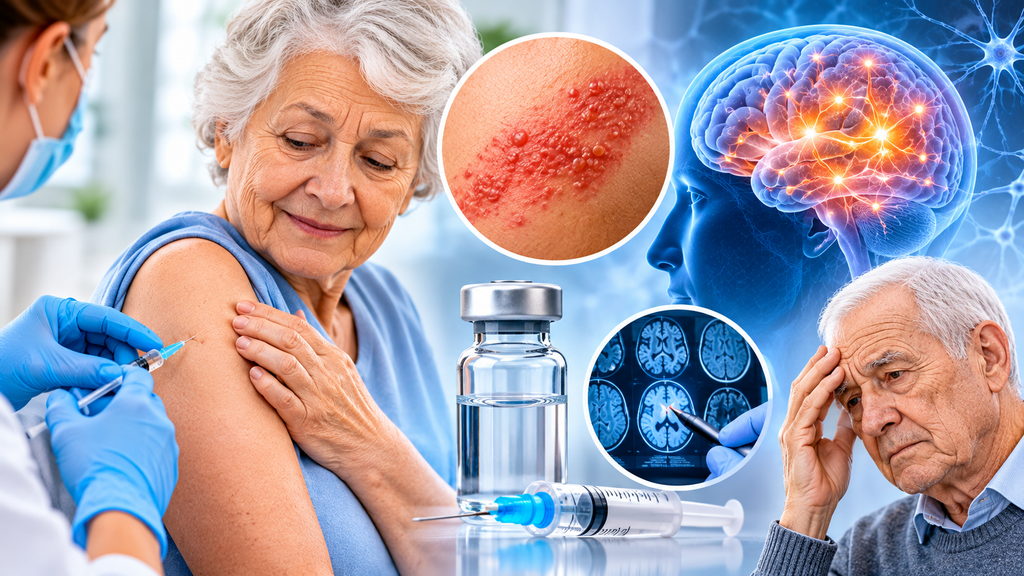
Alzheimer’s disease is a common cause of dementia. It affects memory, thinking, and daily activities. Researchers are working on better ways to detect the disease early and understand how to lower the risk of dementia. Recent research has brought new hope. Blood tests may help doctors find signs linked to Alzheimer’s disease. Studies have also explored whether shingles vaccination is linked to a lower risk of dementia. However, these findings need careful attention. A test result does not always mean a person has Alzheimer’s, and research about vaccines does not prove that they can prevent dementia. What Is Early Detection of Alzheimer’s? Early detection means finding signs of Alzheimer’s disease before symptoms become severe. It can help doctors understand changes in memory and thinking. Some people notice problems with memory, language, or decision-making. These changes may be linked to Alzheimer’s, but they can also have other causes. Doctors may use several methods to assess a person. These can include: No single test should be used alone to make a full diagnosis. New Blood Tests for Alzheimer’s Disease One important area of research is the use of blood tests to find signs of Alzheimer’s disease. These tests look for certain proteins linked to changes in the brain. Two important markers are amyloid-beta and phosphorylated tau, also called p-tau. The p-tau217 marker has received attention because it can help identify changes linked to Alzheimer’s disease. Blood tests may make testing easier for some patients. They may also reduce the need for more complex tests in certain medical settings. However, these tests are not suitable for everyone. Doctors must consider a person’s symptoms and medical history before using them. FDA-Cleared Lumipulse Alzheimer’s Blood Test In May 2025, the US Food and Drug Administration (FDA) cleared the Lumipulse G pTau217/β-Amyloid 1-42 Plasma Ratio test. The test checks two proteins in a blood sample. It helps doctors assess whether a patient may have amyloid plaques linked to Alzheimer’s disease. The test is intended for adults aged 55 and older who have signs or symptoms of cognitive decline. In the FDA evaluation, researchers compared blood test results with results from brain scans or spinal fluid tests. The findings showed: These figures describe how the test performed in the studied group. They do not mean that it can predict Alzheimer’s in every person. Can the Lumipulse Test Diagnose Alzheimer’s? No. The Lumipulse test is not designed to diagnose Alzheimer’s on its own. It is also not intended for people who have no symptoms. Doctors must consider the result along with other medical information. A positive result does not always mean a person has Alzheimer’s disease. A negative result does not rule out every possible cause of memory problems. The test is one part of a wider medical assessment. Other Blood Tests for Alzheimer’s Researchers and medical companies are also studying other blood tests. In October 2025, the FDA cleared Roche’s Elecsys pTau181 plasma test for use in primary care. It is intended to help rule out amyloid pathology in suitable patients who have cognitive symptoms. Different tests have different purposes. Their results should not be treated as interchangeable. The Alzheimer’s Association has also issued guidance on blood biomarker tests. Its recommendations focus on people with clear signs of cognitive impairment who are being assessed in specialist care. This means blood tests are not a general screening tool for healthy people without symptoms. Can Blood Tests Detect Alzheimer’s Before Memory Problems? Blood tests may detect changes linked to Alzheimer’s before some symptoms become clear. This is an active area of research. However, finding a biomarker is not the same as knowing that someone will develop dementia. A person may have an abnormal test result without having a confirmed clinical diagnosis. Doctors need to review symptoms, test results, and other health information together. For this reason, people should not use Alzheimer’s blood tests as home screening tools or make medical decisions without professional advice. Shingles Vaccine and Dementia Research Researchers have also studied a possible link between shingles vaccination and dementia risk. Shingles is caused by the varicella-zoster virus. This is the same virus that causes chickenpox. It can become active again later in life and cause shingles. Some studies have explored whether vaccination against shingles may affect the risk of dementia. One important study, published in Nature in 2025, examined health records in Wales. It used a natural experiment involving the live-attenuated shingles vaccine, known as Zostavax. The researchers found that people who received the vaccine had a lower chance of receiving a new dementia diagnosis during the seven-year study period. The difference was about 3.5 percentage points. This represented a relative reduction of around 20%. These results are important, but they do not prove that the vaccine prevents dementia. The study examined Zostavax, so its findings should not automatically be applied to other shingles vaccines. Does Shingrix Prevent Dementia? The Wales study examined Zostavax, not Shingrix. Shingrix is a different type of shingles vaccine. It is a recombinant vaccine, while Zostavax is a live-attenuated vaccine. Therefore, the findings from the Zostavax study do not prove that Shingrix lowers dementia risk. More research is needed to understand whether different shingles vaccines have similar effects. People should follow medical advice about shingles vaccination rather than taking a vaccine specifically to prevent dementia. What Does Newer Research Say About Dementia? A study published in Cell in December 2025 examined shingles vaccination at different stages of the dementia process. The researchers reported links between live-attenuated shingles vaccination and fewer new diagnoses of mild cognitive impairment. They also found fewer dementia-related deaths among people who were already living with dementia. These findings add to the research on shingles vaccination and brain health. However, they do not show that vaccination treats dementia or reverses memory loss. Further studies are needed to understand the reasons behind these results. Can Alzheimer’s Disease Be Prevented? There is currently no guaranteed way to prevent Alzheimer’s disease. Researchers continue to study factors that may affect brain health
Stroke: Symptoms, Causes, Types, Treatment, and Prevention
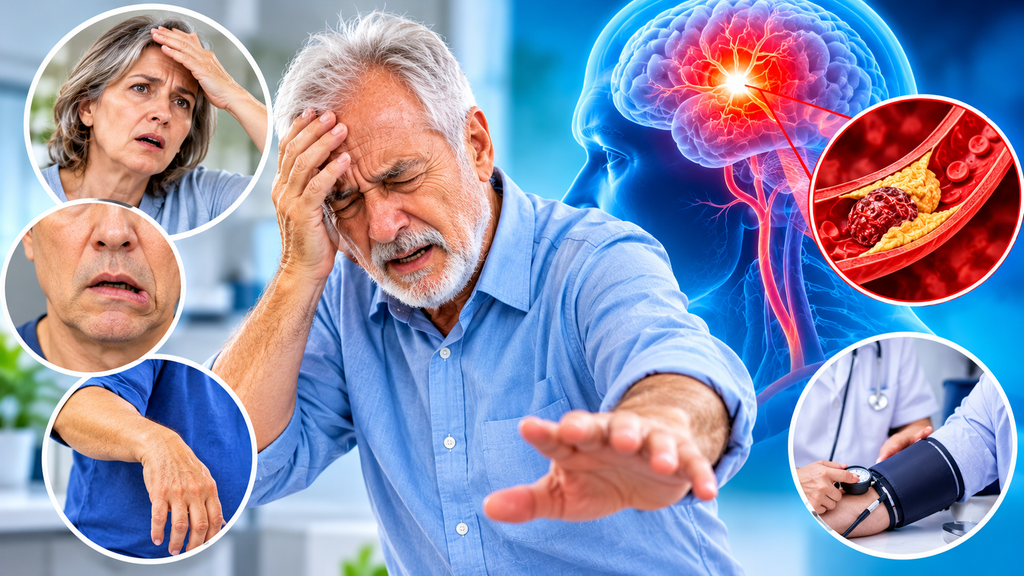
A stroke is a serious medical emergency that happens when blood flow to the brain is blocked or a blood vessel breaks and causes bleeding. Without enough oxygen, brain cells can become damaged or die. A stroke can affect movement, speech, vision, memory, and other body functions. Recognizing stroke symptoms early is important. Quick medical treatment can reduce brain damage and the risk of long-term problems. Understanding its warning signs, causes, types, and treatment can help people protect their health. What Is a Stroke? A stroke occurs when blood cannot reach part of the brain because of a blockage or bleeding. Brain cells need a steady supply of oxygen-rich blood to work properly. When this supply stops, the affected cells begin to suffer damage. The effects depend on which part of the brain is affected and how much damage occurs. Some people develop weakness on one side of the body, while others have difficulty speaking, walking, or seeing. A stroke requires immediate medical attention, even if symptoms disappear after a short time. What Are the Symptoms of a Stroke? Stroke symptoms often appear suddenly. The BE FAST method helps people remember common warning signs: Other possible symptoms include a sudden severe headache, confusion, dizziness, loss of coordination, and seizures. Not everyone experiences the same symptoms. Do not wait for all warning signs to appear before seeking emergency care. What Are the Different Types of Stroke? There are three main types of stroke, along with cryptogenic stroke, where the cause remains unknown. 1. Ischemic Stroke An ischemic stroke happens when a blood clot or blockage stops blood from reaching part of the brain. It is the most common type and accounts for about 85% of strokes. A clot may form in an artery or travel from another part of the body, including the heart. 2. Hemorrhagic Stroke A hemorrhagic stroke occurs when a blood vessel in or around the brain breaks and causes bleeding. The blood can put pressure on nearby brain tissue. High blood pressure and brain aneurysms are among the conditions associated with this type of stroke. 3. Transient Ischemic Attack (TIA) A transient ischemic attack, also called a mini-stroke, happens when blood flow to part of the brain is temporarily blocked. Its symptoms may look like those of a regular stroke but usually disappear after a short time. A TIA is a warning sign of possible future stroke. Anyone experiencing these symptoms needs urgent medical assessment. 4. Cryptogenic Stroke A cryptogenic stroke is a stroke for which doctors cannot identify a clear cause after investigation. What Causes a Stroke? The cause depends on the type of stroke. Common causes include: What Are the Risk Factors for Stroke? Several medical conditions and lifestyle habits can increase stroke risk. Medical risk factors: Lifestyle risk factors: Other risk factors: Having a risk factor does not mean a person will definitely have a stroke. However, managing these factors can help lower the risk. How Is a Stroke Diagnosed? Doctors use examinations and medical tests to identify a stroke and determine its type. Common methods include: Early diagnosis helps doctors choose the appropriate treatment. What Is the Treatment for Stroke? Treatment depends on the type of stroke, its severity, and how much time has passed since symptoms began. Ischemic Stroke Treatment Doctors may give eligible patients clot-dissolving medicines, such as alteplase or tenecteplase. These medicines are time-sensitive and require medical assessment and brain imaging. Some patients may need mechanical thrombectomy. During this procedure, doctors use a catheter to reach and remove a clot from a blocked blood vessel. Hemorrhagic Stroke Treatment Treatment focuses on controlling bleeding and reducing pressure on the brain. It may include blood pressure management, medicines, or surgery, depending on the patient’s condition. Stroke Rehabilitation After emergency treatment, rehabilitation may help people regain affected abilities. It can include physical therapy, occupational therapy, and speech therapy. Recovery needs differ from person to person. How Can You Prevent a Stroke? Not every stroke can be prevented, but managing risk factors can help reduce the chances of having one. Frequently Asked Questions About Stroke 1. What are the first warning signs of a stroke? Common signs include facial drooping, sudden arm or leg weakness, speech problems, vision changes, and loss of balance. 2. What are the main types of stroke? The main types are ischemic stroke, hemorrhagic stroke, and transient ischemic attack (TIA). 3. Can a person recover fully from a stroke? Some people recover many or all affected abilities, while others have lasting problems. Recovery depends on the severity of the stroke, treatment, and rehabilitation. 4. How is a stroke treated? Ischemic strokes may require clot-dissolving medicines or mechanical thrombectomy. Hemorrhagic strokes may require treatment to control bleeding and reduce pressure on the brain. 5. Can a stroke happen without warning? Yes. Stroke symptoms can begin suddenly. Some people experience a TIA before a major stroke, but this does not happen in every case. 6. Can a stroke be prevented? Not every stroke can be prevented. However, controlling blood pressure, diabetes, and cholesterol, avoiding smoking, and treating heart conditions can help lower the risk. Conclusion A stroke is a medical emergency caused by blocked blood flow or bleeding in the brain. Common warning signs include facial drooping, weakness, speech problems, vision changes, and loss of balance. Recognizing these symptoms and getting emergency medical help quickly is essential. Managing health conditions and making healthy lifestyle choices can also help reduce stroke risk. Never ignore possible stroke symptoms, even if they disappear.
Parkinson’s Disease: Symptoms, Causes and Treatment

Parkinsons disease is a brain disorder that affects movement. It develops when brain cells that produce dopamine become damaged or die. Dopamine helps control smooth body movements. When dopamine levels fall, a person may develop shaking, stiffness and slow movement. The condition usually gets worse over time. However, symptoms can differ from person to person. Learning about its signs, causes and treatments can help people manage the disease. What Is Parkinson’s Disease? Parkinson’s disease is a progressive neurological disorder. It mainly affects a brain area called the substantia nigra. This area contains cells that produce dopamine. When these cells are lost, the brain has less dopamine to control movement. This can make everyday activities more difficult. The disease can also affect sleep, mood, digestion and memory. Common Symptoms of Parkinson’s Disease Symptoms often begin slowly. They may become more noticeable as the condition progresses. 1. Tremors A tremor is an involuntary shaking movement. It often starts in one hand or arm and may be more noticeable when the body part is resting. 2. Slow Movement Slow movement, also called bradykinesia, is a common symptom. It can make walking, dressing and writing take longer. Some people also take shorter steps or struggle to start walking. 3. Muscle Stiffness Muscle stiffness can affect the arms, legs, neck and other body parts. It may make movement uncomfortable and limit flexibility. 4. Balance Problems Some people develop poor balance and changes in posture. They may lean forward while standing or walking. Balance problems can increase the risk of falls. 5. Changes in Walking Parkinson’s disease can change a person’s walking pattern. Steps may become shorter, and arm movement may decrease. Some people find it hard to start walking or turn. Non-Motor Symptoms Parkinson’s disease can affect more than movement. Other possible symptoms include: Symptoms vary from person to person. Not everyone experiences all of them. Early Signs of Parkinson’s Disease Early signs can be mild and easy to miss. Possible signs include: These signs do not always mean a person has Parkinson’s disease. Other conditions can cause similar problems. A healthcare professional can assess the symptoms. What Causes Parkinson’s Disease? The exact cause of Parkinson’s disease is not fully known. The condition is linked to the loss of dopamine-producing brain cells. Researchers have studied several possible risk factors: These factors do not mean that a person will develop the disease. How Is Parkinson’s Disease Diagnosed? Doctors usually diagnose Parkinson’s disease by reviewing symptoms and performing a physical and neurological examination. They may check movement, tremors, muscle stiffness, walking, balance and coordination. There is no single routine test that confirms every case. A doctor may recommend other tests or brain imaging to check for conditions that cause similar symptoms. If you notice ongoing shaking, stiffness or slow movement, speak with a healthcare professional. Treatment Options for Parkinson’s Disease There is no established cure that reverses the loss of dopamine-producing brain cells. However, treatment can help control symptoms and support daily activities. 1. Medication Doctors may prescribe different medicines based on a person’s symptoms. Patients should take medicines as prescribed and discuss any changes with their doctor. 2. Deep Brain Stimulation Deep brain stimulation (DBS) may help selected people with Parkinson’s disease. It uses electrodes placed in specific brain areas to send electrical signals. A specialist can decide whether this treatment is suitable. 3. Physical and Other Therapies Therapy can help people manage daily activities. Can Exercise Help With Parkinson’s Disease? Exercise can support movement and general health. Suitable activities may include walking, stretching, dancing and aerobic exercise. Some people may also take part in adapted movement programmes. The right activity depends on a person’s ability and health. Exercise does not cure Parkinson’s disease. People with balance problems should seek professional advice before starting a new routine. Living With Parkinson’s Disease Living with Parkinson’s disease can be challenging, but proper care can help. Regular medical check-ups allow doctors to review symptoms and treatment. Taking prescribed medicines as directed is important. Physical activity and suitable therapy may also support daily movement. A balanced diet, enough fluids and good sleep can support general health. Family members and caregivers can provide practical and emotional support. If symptoms become worse, discuss them with a healthcare professional. Frequently Asked Questions What are the first signs of Parkinson’s disease? Possible early signs include slight tremors, reduced smell, constipation, sleep changes and smaller handwriting. These signs can also have other causes. Is Parkinson’s disease hereditary? Some genetic changes are linked to Parkinson’s disease. However, not every case is inherited. Can Parkinson’s disease be cured? There is no established cure. Medicines and other treatments can help manage symptoms. Is Parkinson’s disease deadly? Parkinson’s disease is a progressive condition that can cause serious health problems. Its effects vary from person to person. A doctor can explain the risks and care needs. Can exercise prevent Parkinson’s disease? The information covered here does not establish that exercise prevents Parkinson’s disease. However, suitable exercise can support movement and general health. Conclusion Parkinson’s disease affects dopamine-producing brain cells and can cause tremors, slow movement, stiffness and balance problems. It may also affect sleep, mood and memory. Although there is no established cure, medicines, therapy and deep brain stimulation may help manage symptoms in suitable cases. Regular medical care and support can help people live with the condition.
Parkinson’s Disease: 7 Main Symptoms, Causes & Treatments
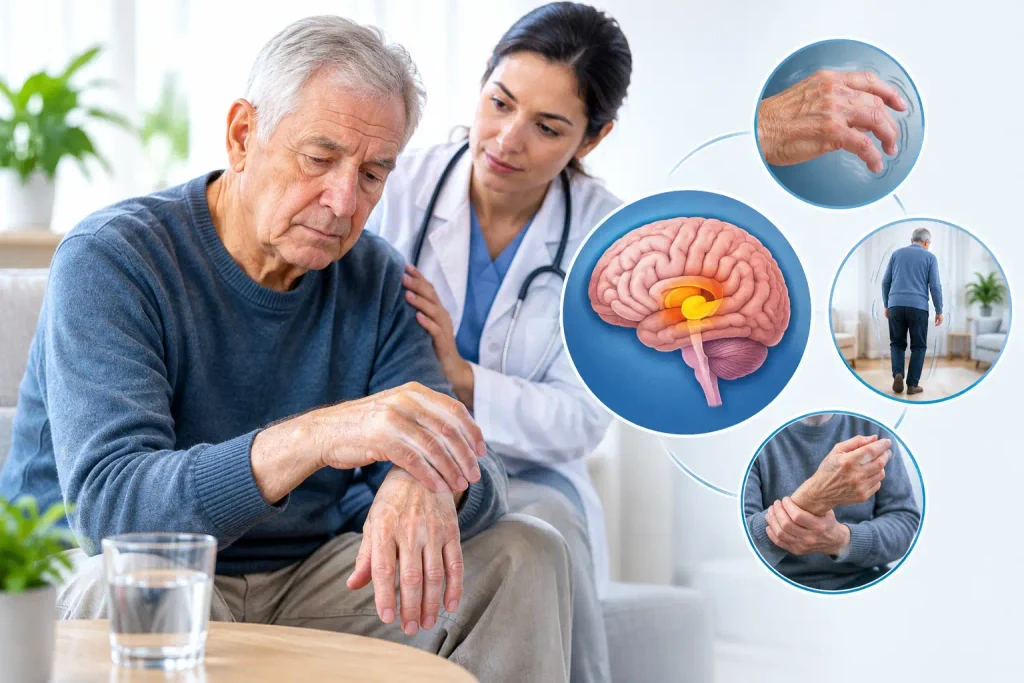
Parkinson’s disease is a progressive brain disorder that affects movement and other body functions. It develops when certain nerve cells become damaged or die, reducing dopamine, a chemical that helps control smooth movement. Common symptoms include tremors, muscle stiffness, and slow movements. Some people also experience sleep disorders, constipation, mood changes, or problems with memory. Symptoms vary depending on the person and the stage of the disease. Although there is no cure, medicines, therapy, and other treatment options can help manage symptoms and improve quality of life. What Is Parkinson’s Disease? Parkinson’s disease is a neurological condition that affects areas of the brain responsible for movement. It mainly involves dopamine-producing nerve cells, called dopaminergic neurons, in a region known as the substantia nigra. When these cells are damaged or die, dopamine levels decrease. This can cause slowness of movements, stiffness, and shaking. Symptoms often begin on one side of the body and may later affect both sides. Parkinson’s disease can also affect sleep, digestion, mood, and thinking. 7 Common Symptoms of Parkinson’s Disease Symptoms develop gradually and differ from person to person. Common signs include: Other signs can include smaller handwriting, reduced arm movement while walking, a softer voice, and changes in the sense of smell. These symptoms do not always indicate Parkinson’s disease. A healthcare professional can assess persistent symptoms and help identify their cause. What Causes Parkinson’s Disease? The exact cause of Parkinson’s disease remains unknown. Researchers believe that genetic and environmental factors may play a role. Loss of Dopamine-Producing Cells The loss of dopamine-producing cells in the substantia nigra affects the brain circuits that control movement. This contributes to tremors, stiffness, and slow movements. Genetic and Environmental Factors Certain genetic changes and family history can increase the risk of Parkinson’s disease. Research has also linked some environmental exposures, including certain pesticides, with an increased risk. However, most cases do not have one clearly identified cause. Having a family history or an environmental exposure does not mean a person will definitely develop the condition. Risk Factors for Parkinson’s Disease Age is an important risk factor. Parkinson’s disease is more common in older adults, although younger people can also develop it. Other factors that may increase the risk include: These factors cannot reliably predict who will develop the disease. Researchers continue to study why dopamine-producing neurons become damaged. How Is Parkinson’s Disease Diagnosed? There is no single test that confirms every case of Parkinson’s disease. Doctors usually consider symptoms, medical history, and a neurological examination. During an examination, a doctor may assess movement speed, tremors, muscle stiffness, balance, and walking. They may also ask how symptoms affect activities of daily living, such as dressing, eating, and bathing. Brain scans and laboratory tests may help rule out other conditions. Diagnosis generally depends on the overall clinical assessment. Treatment Options for Parkinson’s Disease There is currently no cure, but treatment for Parkinson’s disease can help manage symptoms. The best approach depends on symptoms, medication response, and individual needs. 1. Medicines Carbidopa-levodopa is a common treatment for movement problems. Levodopa is converted into dopamine in the brain, while carbidopa helps reduce its breakdown outside the brain. Other medicines may include dopamine agonists, MAO-B inhibitors, and COMT inhibitors. These work in different ways to improve movement symptoms or support the effects of levodopa. Doctors may also recommend treatment for depression, constipation, or sleep problems. Patients should not change or stop prescribed medicines without medical advice. 2. Deep Brain Stimulation (DBS) Deep brain stimulation (DBS) is a surgical option for selected patients whose movement symptoms remain difficult to control with medication. The procedure uses electrodes placed in specific areas of the brain to deliver electrical signals. DBS may improve certain movement symptoms, but it does not cure Parkinson’s disease or stop its progression. 3. Physical and Occupational Therapy of Parkinson’s disease Physical therapy can help maintain walking ability, flexibility, strength, and balance. Occupational therapy focuses on making daily activities easier. A therapist may suggest practical changes to the home, assistive equipment, or safer ways to complete everyday tasks. 4. Speech and Swallowing Therapy Parkinson’s disease can affect speech volume, facial expressions, and swallowing. Speech-language therapists can assess these difficulties and recommend suitable strategies. New swallowing problems or repeated coughing during meals should be discussed with a healthcare professional. Lifestyle Changes and Daily Care Lifestyle changes can support general health and complement medical treatment. These steps may support independence and improve quality of life, but they do not replace medical treatment. Can Parkinson’s Disease Be Prevented? No established method reliably prevents Parkinson’s disease. Its causes are not fully understood, and researchers continue to investigate genetic and environmental factors. Regular physical activity and a balanced diet support general health, but they are not proven methods of preventing Parkinson’s disease. Be cautious of products that promise a cure or guaranteed prevention. Frequently Asked Questions What are the first signs of Parkinson’s disease? Early signs may include tremors, slow movements, muscle stiffness, smaller handwriting, and reduced arm movement while walking. Changes in smell, sleep, or bowel habits may also occur. Is Parkinson’s disease curable? No. There is currently no cure, but medicines, rehabilitation, and selected surgical treatments can help manage symptoms. Does Parkinson’s disease get worse over time? Parkinson’s disease is progressive, but its rate of progression varies. Symptoms and care needs may change over time. What is the main treatment for Parkinson’s disease? Carbidopa-levodopa is a common treatment for movement symptoms. Other medicines, therapies, and deep brain stimulation may be appropriate for selected patients. Can people with Parkinson’s disease live independently? Many people can continue daily activities, particularly with suitable treatment and support. Assistance may become necessary as symptoms change. Conclusion Parkinson’s disease affects movement because dopamine-producing brain cells become damaged or die. Symptoms may include tremors, stiffness, slow movements, sleep problems, and mood changes. Although there is no cure, medicines, deep brain stimulation for selected patients, and rehabilitation can help manage symptoms. Regular medical care, practical home adjustments, and support groups can also help people