Spider Bites: Symptoms, Treatment & When to Worry
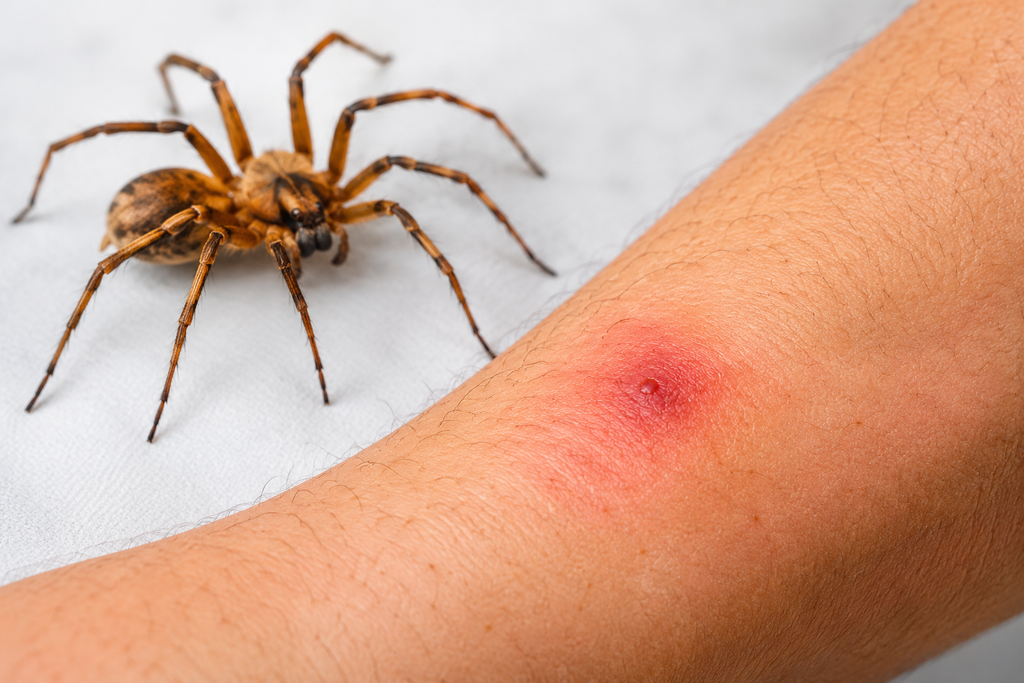
Spider bites can cause redness, swelling, itching, and pain. Most spider bites are harmless and improve with basic home care. However, bites from certain spiders, such as black widows and brown recluse spiders, can cause serious symptoms. Knowing what a spider bite looks like, how to treat it, and when to seek medical help can help you respond safely. What Are Spider Bites? Spider bites happen when a spider uses its fangs to bite the skin. Most spiders do not attack people. They usually bite when they feel threatened or become trapped against the skin. Most spider bites cause mild skin reactions. Only a small number of spider species can cause serious health problems. It can also be difficult to confirm a spider bite because other insect bites and skin infections can look similar. What Does a Spider Bite Look Like? A spider bite may look like a small red or raised bump. The skin around it may become swollen, itchy, painful, or irritated. Common signs include: Some bites may cause a blister or a larger skin reaction. However, appearance alone cannot confirm that a spider caused the bite. Common Spider Bite Symptoms Symptoms depend on the type of spider and the person’s reaction. Mild symptoms may include: More serious symptoms may include: Serious symptoms need medical attention, especially when they develop after a suspected bite from a dangerous spider. Black Widow and Brown Recluse Spider Bites Two spider types that can cause serious reactions are black widows and brown recluse spiders. Black Widow Spider Bite A black widow bite may cause pain, redness, and swelling. Some people develop symptoms beyond the bite area. Possible symptoms include: Seek medical care if you suspect a black widow bite, particularly if symptoms become severe. Brown Recluse Spider Bite A brown recluse bite may cause pain that increases over time. The affected area can develop a blister and may become red, purple, or dark. In some cases, the bite can develop into an open sore or ulcer. Severe wounds may take weeks or months to heal and can leave scars. A skin sore does not automatically mean a brown recluse bite. Other skin conditions can look similar. How Spider Bite Reactions May Develop Spider bites do not follow the same stages in every person. Some cause only mild redness and swelling, while others may develop more serious skin changes. A reaction may involve: These changes are not a standard progression for every spider bite. How Are Spider Bites Diagnosed? A healthcare professional may examine the affected skin and ask about your symptoms. Seeing the spider can help with identification, but many people do not see what caused the bite. There is no simple way to identify every spider bite by appearance alone. A healthcare professional may also check for other causes, including skin infections. Spider Bite Treatment at Home Most mild spider bites can be managed with basic care. Follow these steps: Avoid scratching the bite. Do not squeeze, cut, or pop a blister. These actions can irritate the skin and increase the risk of infection. Home treatment is not enough for serious symptoms or suspected bites from dangerous spiders. When Should You See a Doctor? Get emergency medical help if you experience: Contact a healthcare professional if you notice increasing pain, spreading redness, fever, chills, pus, a growing blister, or an open sore. You should also seek medical advice if you suspect a black widow or brown recluse bite. Children and older adults may need particular attention because they can have a higher risk of complications. How Long Do Spider Bites Take to Heal? Mild spider bites often improve within several days. The exact healing time depends on the spider, the severity of the reaction, and the person’s health. More serious brown recluse wounds can take weeks or months to heal. Some may leave scars. If the bite becomes more painful or the skin changes continue to worsen, seek medical advice. How to Prevent Spider Bites You can reduce the chance of spider bites by taking a few precautions: If a spider lands on your skin, gently flick it away rather than crushing it against your body. Frequently Asked Questions What are the first signs of a spider bite? Early signs may include redness, swelling, itching, pain, or a small raised bump. How can I tell if a spider bite is dangerous? Severe pain, muscle cramps, abdominal pain, vomiting, breathing problems, or a growing skin wound may indicate a serious reaction. Seek medical attention. Can a spider bite cause a blister? Yes. Some serious spider bites, including certain brown recluse bites, may cause blisters and skin damage. What should I put on a spider bite? Wash the area with soap and water and apply a cold pack. Suitable over-the-counter medicines may help with pain or itching. How long does a spider bite last? Mild bites often improve within several days. Severe wounds may take weeks or months to heal. Can a spider bite become infected? A bite or similar skin wound can develop signs of infection, such as spreading redness, increasing pain, or pus. A healthcare professional can assess the cause. Conclusion Most spider bites cause mild symptoms such as redness, itching, swelling, and pain. Basic home care can help relieve discomfort. However, bites from black widow or brown recluse spiders may cause more serious reactions. Watch for worsening pain, muscle cramps, breathing problems, fever, or changes in the skin. Seek medical attention when serious symptoms appear, or you are unsure about the cause of the bite.